
 EN
EN



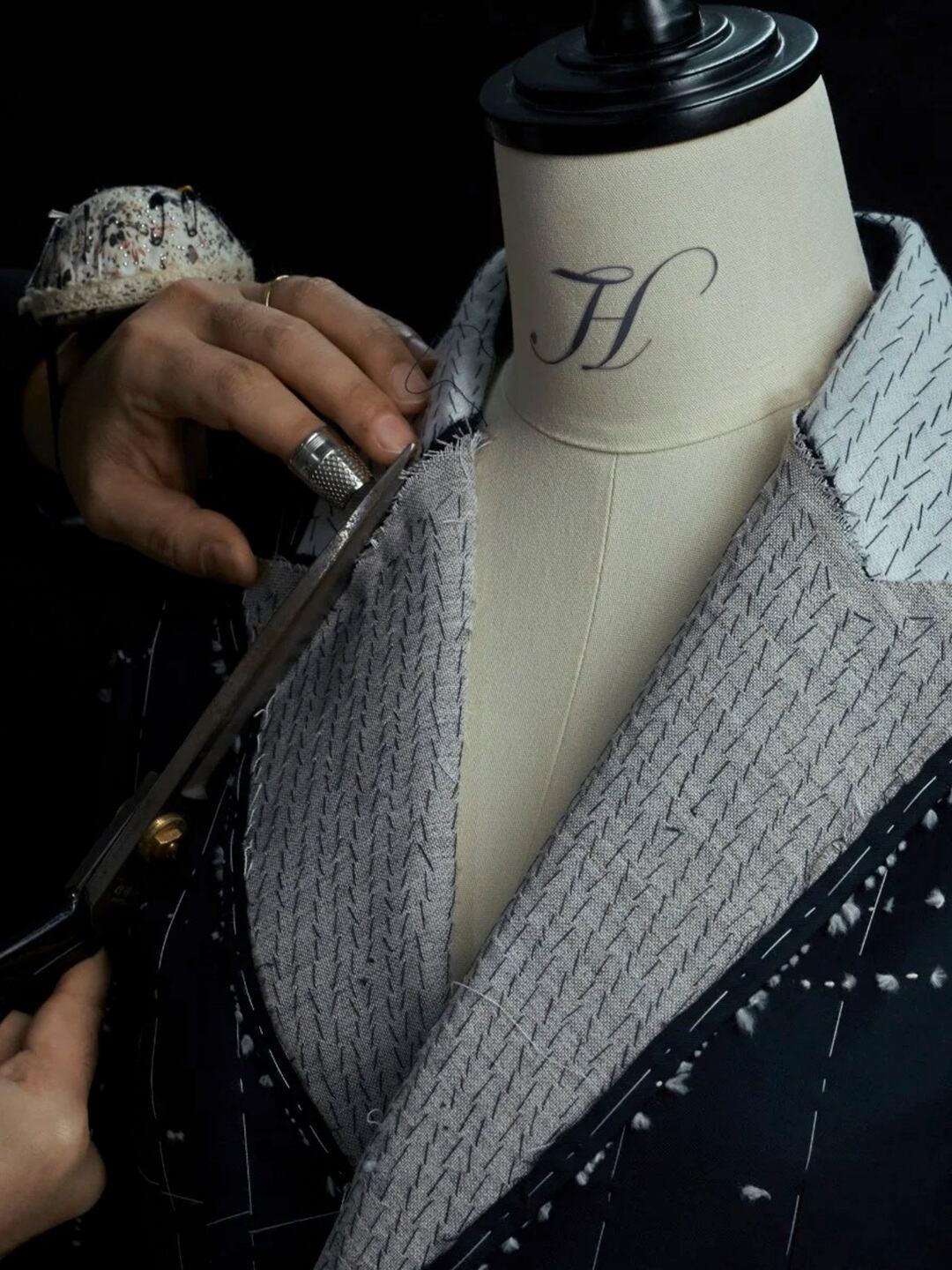
The fashion and apparel industry has undergone a significant transformation in recent years, with brands increasingly seeking unique and customized products to differentiate themselves in a competitive marketplace. Cut and sew manufacturers have emerged as essential partners for businesses looking to bring their creative visions to life through specialized production services. These manufacturing partners offer comprehensive solutions that bridge the gap between conceptual design and finished products, enabling brands to create distinctive apparel lines that resonate with their target audiences.
Modern cut and sew manufacturers possess advanced capabilities that extend far beyond traditional production methods. They combine technical expertise with creative problem-solving to accommodate diverse design requirements, from intricate pattern modifications to complex fabric combinations. This comprehensive approach allows brands to explore innovative design concepts while maintaining production efficiency and quality standards. Understanding how these manufacturers support custom design requirements becomes crucial for businesses seeking to leverage manufacturing partnerships for competitive advantage.
Design Development and Prototyping Services
Technical Design Translation
Cut and sew manufacturers excel at translating conceptual designs into technically viable production specifications. Their design teams work closely with clients to analyze sketches, mood boards, and design concepts, identifying potential production challenges before they impact manufacturing timelines. This collaborative approach ensures that creative visions can be realized within practical manufacturing constraints while maintaining the integrity of the original design concept.
The technical design process involves detailed analysis of garment construction, seaming techniques, and finishing requirements. Experienced cut and sew manufacturers provide valuable input on design optimization, suggesting modifications that enhance both aesthetics and functionality. This expertise proves particularly valuable when working with complex designs that require specialized construction methods or innovative material applications.
Advanced computer-aided design systems enable manufacturers to create precise technical drawings and specifications that serve as blueprints for production. These digital tools facilitate clear communication between design teams and production staff, reducing the likelihood of errors and ensuring consistent quality across production runs.
Rapid Prototyping Capabilities
Modern cut and sew manufacturers have invested heavily in rapid prototyping technologies that accelerate the design development process. These capabilities allow brands to quickly evaluate design concepts through physical samples, enabling faster iteration cycles and more informed decision-making. Prototype development services typically include initial sample creation, fit testing, and design refinement based on feedback.
The prototyping process serves multiple purposes beyond visual evaluation. It provides opportunities to test fabric performance, assess construction techniques, and identify potential production issues before committing to full-scale manufacturing. This proactive approach minimizes risks and ensures that final products meet both design specifications and quality standards.
Many manufacturers offer accelerated prototyping timelines for urgent projects, utilizing dedicated sample production lines and expedited processes. This flexibility enables brands to respond quickly to market opportunities or seasonal requirements while maintaining thorough design validation procedures.
Material Selection and Sourcing Expertise
Fabric Procurement Networks
Successful cut and sew manufacturers maintain extensive supplier networks that provide access to diverse fabric options and specialized materials. These procurement relationships enable manufacturers to source unique textiles that align with specific design requirements, from performance fabrics to luxury materials. The breadth of their supplier networks often determines their ability to accommodate unusual or challenging material specifications.
Manufacturers typically maintain relationships with both domestic and international suppliers, providing clients with options that balance cost considerations with quality requirements. This global sourcing capability becomes particularly valuable when working with designs that require specific fabric characteristics or when seeking cost-effective alternatives to premium materials.
Quality assessment and material testing services ensure that selected fabrics meet performance standards and compatibility requirements. Cut and sew manufacturers conduct thorough evaluations of fabric properties, including durability, colorfastness, and dimensional stability, before recommending materials for production use.
Custom Fabric Development
Advanced cut and sew manufacturers offer custom fabric development services for clients with unique material requirements. These services include fabric composition specification, color matching, and texture development to create materials that precisely meet design objectives. Custom fabric development requires close collaboration between manufacturers, textile suppliers, and design teams to achieve desired outcomes.
The custom fabric development process involves multiple stages, from initial concept development through prototype testing and production scaling. Manufacturers coordinate with textile mills to ensure that custom fabrics can be produced consistently and cost-effectively for commercial production volumes.
Sustainability considerations increasingly influence fabric development decisions, with many manufacturers offering eco-friendly alternatives and sustainable material options. This focus on environmental responsibility aligns with growing consumer demand for sustainable fashion products and corporate sustainability initiatives.
Pattern Making and Grading Excellence
Precision Pattern Development
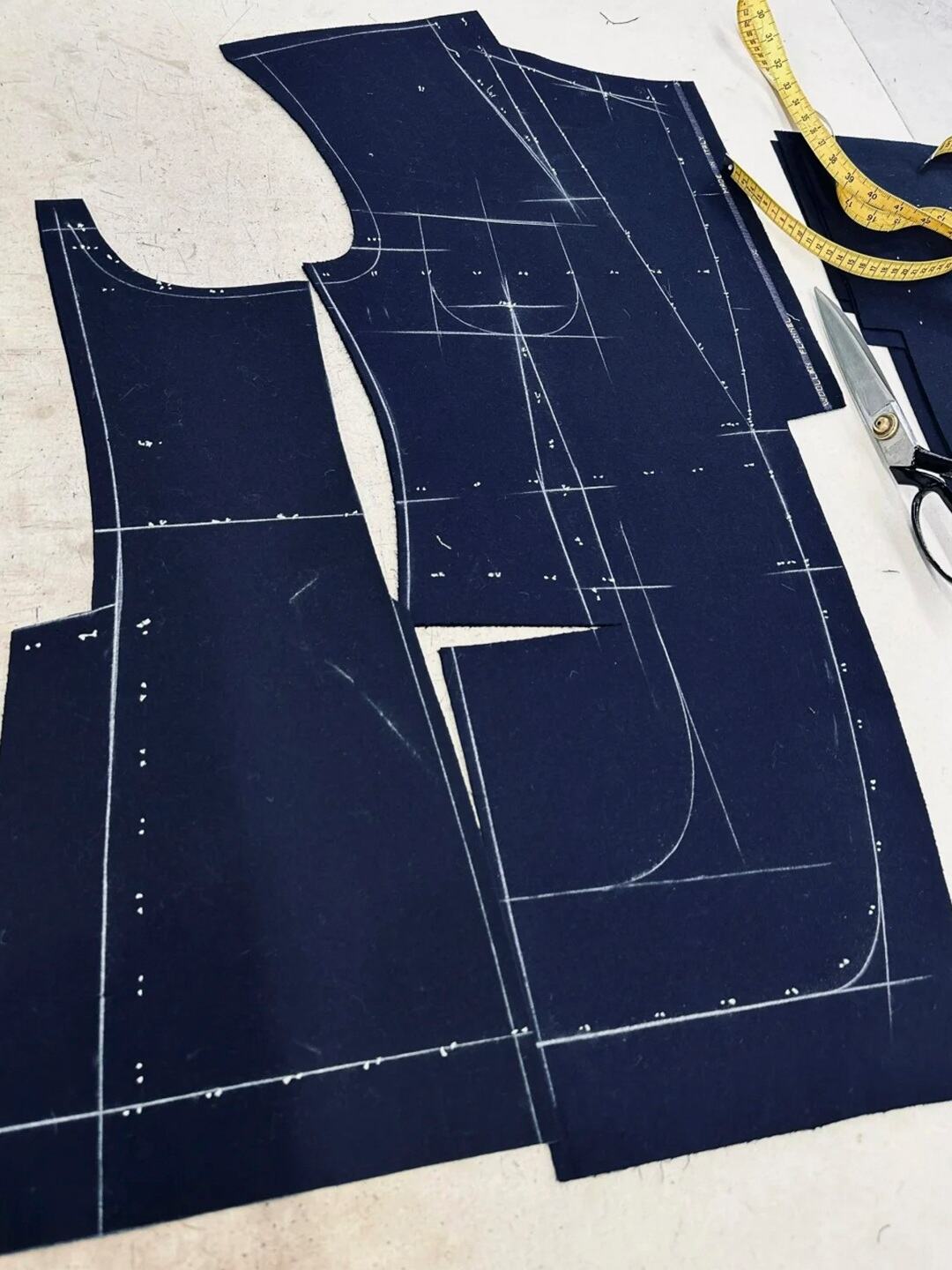
Pattern making represents a critical component of custom design support, requiring precise technical skills and deep understanding of garment construction principles. Cut and sew manufacturers employ experienced pattern makers who can create accurate patterns from design specifications, ensuring proper fit and construction integrity. These professionals combine traditional pattern making techniques with modern digital tools to achieve optimal results.
The pattern development process involves careful analysis of design elements, fit requirements, and construction methods. Pattern makers work closely with design teams to ensure that patterns accurately reflect intended aesthetics while accommodating practical considerations such as fabric behavior and seaming requirements. This collaborative approach results in patterns that facilitate efficient production while maintaining design integrity.
Digital pattern making systems enable rapid modifications and iterations, allowing manufacturers to respond quickly to design changes or fit adjustments. These systems also facilitate accurate pattern grading across size ranges, ensuring consistent fit characteristics throughout entire product lines.
Size Range Optimization
Professional cut and sew manufacturers possess expertise in pattern grading that enables accurate size range development for diverse customer bases. This capability proves essential for brands seeking to serve broad market segments with consistent fit characteristics across all sizes. Grading expertise encompasses understanding of proportional relationships, fit preferences, and size-specific construction considerations.
The grading process involves systematic adjustment of pattern dimensions to create size ranges that maintain design proportions while accommodating diverse body types. Experienced graders understand how different fabric types behave across size ranges and can adjust patterns accordingly to ensure consistent fit and appearance.
Advanced grading techniques consider regional fit preferences and demographic characteristics, enabling manufacturers to optimize size ranges for specific markets or customer segments. This market-specific approach enhances product appeal and reduces return rates associated with fit issues.
Quality Control and Testing Procedures
Comprehensive Quality Assurance
Cut and sew manufacturers implement rigorous quality control procedures throughout the production process to ensure that custom designs meet established standards. These procedures encompass incoming material inspection, in-process quality checks, and final product evaluation. Comprehensive quality assurance systems provide clients with confidence that finished products will meet their specifications and brand standards.
Quality control procedures typically include dimensional accuracy verification, seam strength testing, and appearance evaluation. Manufacturers utilize standardized testing protocols and measurement systems to ensure consistent evaluation criteria across all production runs. This systematic approach minimizes variability and ensures reliable quality outcomes.
Documentation systems track quality metrics and provide detailed reports on production performance. These data-driven insights enable continuous improvement initiatives and help identify opportunities for process optimization. Quality control documentation also supports traceability requirements and facilitates issue resolution when problems arise.
Performance Testing Services
Many cut and sew manufacturers offer specialized testing services to evaluate product performance characteristics relevant to specific applications or market segments. These services include durability testing, colorfastness evaluation, and performance characteristic assessment. Testing capabilities enable manufacturers to validate that custom designs will perform adequately in their intended use environments.
Performance testing protocols vary based on product categories and intended applications. Activewear products may require moisture management testing and stretch recovery evaluation, while outerwear items might need weather resistance and insulation performance assessment. Manufacturers adapt their testing procedures to align with specific product requirements and industry standards.
Test results provide valuable feedback for design optimization and material selection decisions. Manufacturers use performance data to recommend improvements that enhance product functionality while maintaining aesthetic appeal. This data-driven approach supports evidence-based design decisions and reduces risks associated with product launches.
Production Flexibility and Scalability
Batch Size Accommodation
Modern cut and sew manufacturers have developed flexible production systems that can accommodate diverse batch sizes, from small prototype runs to large-scale commercial production. This flexibility proves essential for brands with varying volume requirements or those testing market response to new designs. Manufacturers achieve this flexibility through modular production approaches and efficient setup procedures.
Small batch production capabilities enable brands to minimize inventory risks while testing new designs or serving niche market segments. Cut and sew manufacturers optimize their processes to maintain cost-effectiveness even for limited production runs, utilizing efficient workflow management and streamlined procedures.
Scalability planning ensures that successful designs can be efficiently transitioned from small batch production to larger volumes without compromising quality or delivery timelines. Manufacturers develop scaling strategies that consider capacity requirements, material availability, and process optimization opportunities.
Timeline Management
Effective timeline management represents a crucial capability for cut and sew manufacturers supporting custom design requirements. These manufacturers develop detailed production schedules that account for design complexity, material procurement lead times, and quality control requirements. Sophisticated project management systems enable real-time tracking of production progress and proactive identification of potential delays.
Rush order capabilities provide additional flexibility for clients with urgent requirements or tight market windows. Manufacturers maintain dedicated production capacity and expedited procedures to accommodate time-sensitive projects while maintaining quality standards. This responsiveness proves valuable for seasonal products or market opportunity responses.
Communication systems keep clients informed of production progress throughout manufacturing cycles. Regular updates and milestone reporting enable proactive decision-making and help prevent surprises that could impact launch timelines or market strategies.
Technology Integration and Innovation
Digital Manufacturing Systems
Leading cut and sew manufacturers invest in advanced digital manufacturing systems that enhance their ability to support custom design requirements. These systems include computer-controlled cutting equipment, automated material handling systems, and digital workflow management platforms. Technology integration improves accuracy, reduces lead times, and enables more complex design execution.
Automated cutting systems provide precise material utilization and consistent component dimensions, even for complex design geometries. These systems can accommodate intricate patterns and multiple fabric types within single cutting operations, improving efficiency while maintaining accuracy standards required for custom designs.
Digital workflow management platforms facilitate coordination between different production stages and enable real-time visibility into project status. These systems support complex project requirements and help ensure that custom design specifications are accurately communicated throughout the production process.
Data Analytics and Optimization
Advanced cut and sew manufacturers utilize data analytics to optimize their processes and improve their ability to support custom design requirements. Production data analysis identifies efficiency opportunities and helps predict potential issues before they impact delivery schedules. This data-driven approach enables continuous improvement in custom design support capabilities.
Analytics systems track key performance indicators related to design complexity, material utilization, and production efficiency. These insights inform process optimization decisions and help manufacturers better estimate timelines and costs for future custom design projects.
Predictive analytics capabilities enable manufacturers to anticipate capacity requirements and material needs based on historical patterns and market trends. This forecasting capability supports better resource planning and improves their ability to accommodate custom design requests within client timelines.
FAQ
What minimum order quantities do cut and sew manufacturers typically require for custom designs
Minimum order quantities vary significantly among cut and sew manufacturers and depend on factors such as design complexity, fabric requirements, and production processes involved. Many manufacturers specializing in custom work offer flexible minimum order quantities ranging from 50 to 500 pieces per style, with some accommodating even smaller quantities for prototype development or market testing purposes. Manufacturers with advanced production systems and efficient setup procedures can often accommodate smaller batches while maintaining cost-effectiveness.
How long does the custom design development process typically take with cut and sew manufacturers
The custom design development timeline depends on project complexity, material availability, and manufacturer capacity. Simple designs with readily available materials may require 2-4 weeks for initial samples, while complex designs requiring custom materials or specialized construction techniques might need 6-8 weeks or longer. Cut and sew manufacturers typically provide detailed project timelines during initial consultations, accounting for all phases from design translation through sample approval and production preparation.
What design files and specifications do cut and sew manufacturers need to begin custom projects
Most cut and sew manufacturers can work with various design input formats, including sketches, technical drawings, reference samples, or digital files. Essential information includes design specifications, preferred materials, color requirements, size ranges, and any special construction details. Manufacturers often provide design brief templates to ensure all necessary information is captured during project initiation, facilitating accurate quotes and realistic timeline estimates for custom design projects.
Can cut and sew manufacturers help with sustainable material selection for custom designs
Many modern cut and sew manufacturers have developed expertise in sustainable materials and can provide guidance on eco-friendly options for custom designs. They maintain relationships with suppliers offering organic fabrics, recycled materials, and low-impact textiles suitable for various applications. These manufacturers can recommend sustainable alternatives that meet performance requirements while supporting environmental objectives, often providing certifications and documentation to support sustainability claims for finished products.
Table of Contents
- Design Development and Prototyping Services
- Material Selection and Sourcing Expertise
- Pattern Making and Grading Excellence
- Quality Control and Testing Procedures
- Production Flexibility and Scalability
- Technology Integration and Innovation
-
FAQ
- What minimum order quantities do cut and sew manufacturers typically require for custom designs
- How long does the custom design development process typically take with cut and sew manufacturers
- What design files and specifications do cut and sew manufacturers need to begin custom projects
- Can cut and sew manufacturers help with sustainable material selection for custom designs