Comprehensive Quality Assurance and Ethical Sourcing Standards
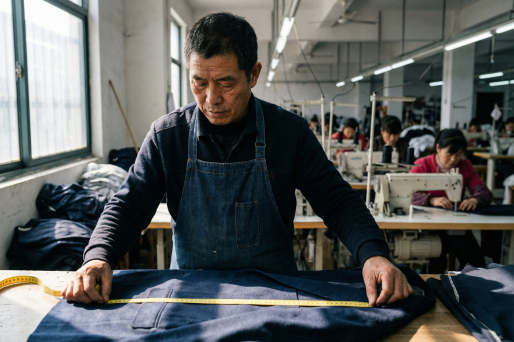
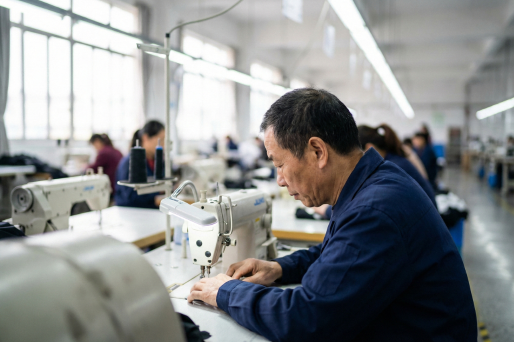
Professional mens clothing suppliers maintain rigorous quality assurance programs that encompass every aspect of the production and distribution process, ensuring retailers receive products that meet stringent standards for craftsmanship, durability, and safety. These comprehensive programs begin with careful manufacturer selection, where suppliers conduct thorough audits of production facilities, examining equipment capabilities, worker conditions, and environmental compliance measures. Quality control protocols include pre-production sample approvals, in-line inspection procedures during manufacturing, and final product evaluations before shipment. These suppliers employ qualified quality assurance specialists who understand fabric properties, construction techniques, and international safety standards, ensuring all products meet or exceed industry benchmarks. The implementation of batch testing procedures verifies color consistency, fabric performance, and dimensional accuracy across large production runs. Additionally, these suppliers maintain detailed quality documentation that tracks production parameters, inspection results, and corrective actions, providing complete traceability for every product. Ethical sourcing standards have become increasingly important, with responsible mens clothing suppliers implementing comprehensive social compliance programs that ensure fair labor practices throughout their supply chains. These programs include regular factory assessments, worker interview protocols, and monitoring systems that verify adherence to international labor standards. Suppliers often maintain certifications from recognized organizations such as BSCI, SEDEX, or SA8000, demonstrating their commitment to ethical business practices. Environmental responsibility forms another crucial component, with suppliers partnering with manufacturers who implement sustainable production methods, utilize eco-friendly materials, and maintain proper waste management systems. Many suppliers provide detailed sustainability reports that track environmental metrics such as water usage, energy consumption, and carbon emissions. This transparency allows retailers to make informed decisions that align with their corporate social responsibility goals. The quality assurance framework also includes product safety testing for harmful substances, ensuring compliance with regulations in different markets. These comprehensive standards protect both retailers and end consumers while building long-term brand reputation and customer loyalty.