
 EN
EN



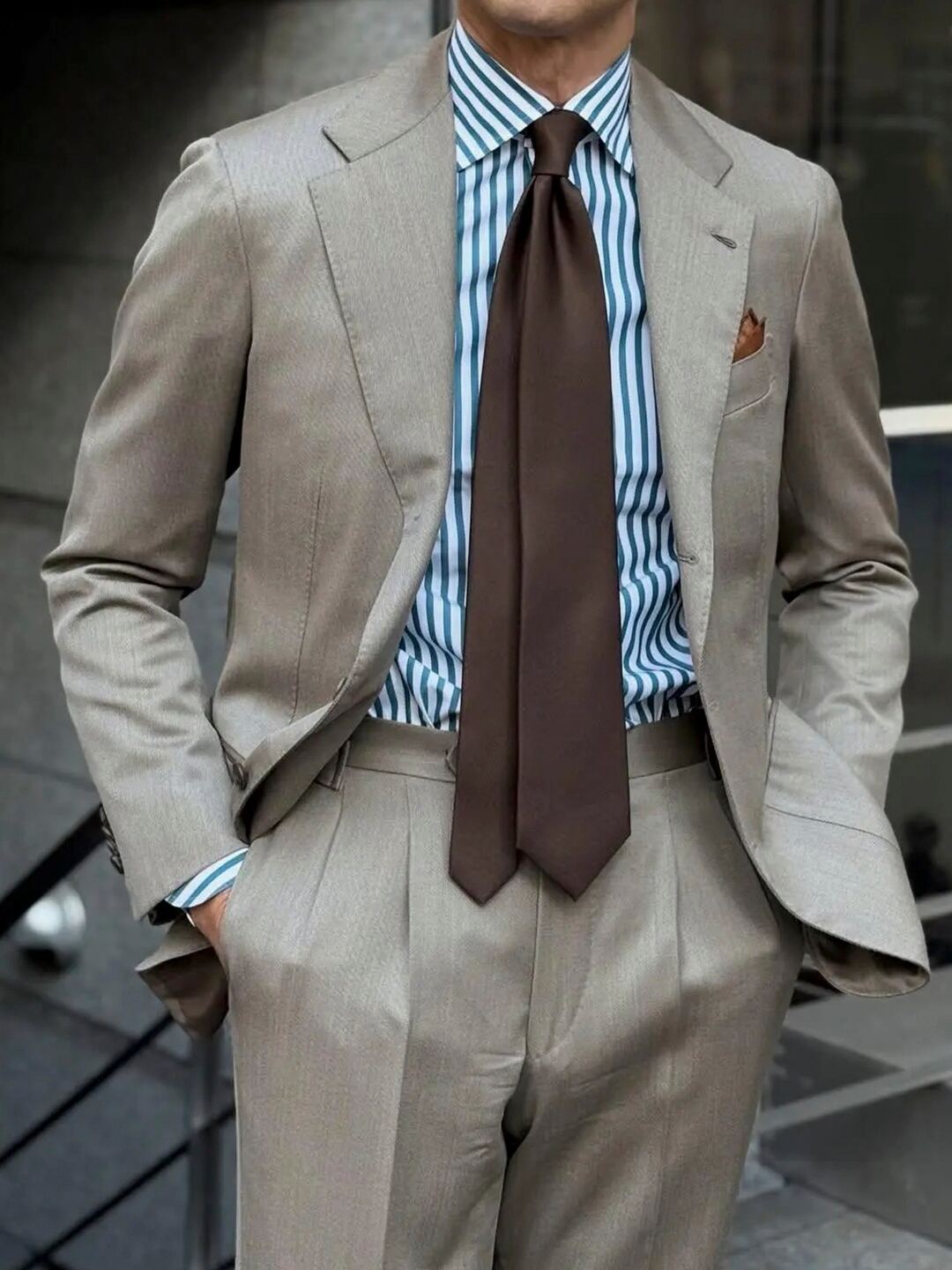
When professionals invest in business suits, they expect more than just a polished appearance. They expect clothing that can endure long workdays, demanding travel schedules, and repeated wear without losing its shape, comfort, or structural integrity. The design of modern business suits is a sophisticated interplay of fabric science, tailoring precision, and ergonomic engineering — all working in harmony to meet the practical needs of today's working professional.
Understanding how business suits are designed for both comfort and durability requires a closer look at what happens before a single stitch is sewn. Designers and manufacturers must balance aesthetic demands with functional requirements, choosing materials, construction methods, and finishing techniques that ensure the garment performs as well on day one hundred as it does on day one. This article breaks down the key design principles that define a truly well-crafted business suits built to last.
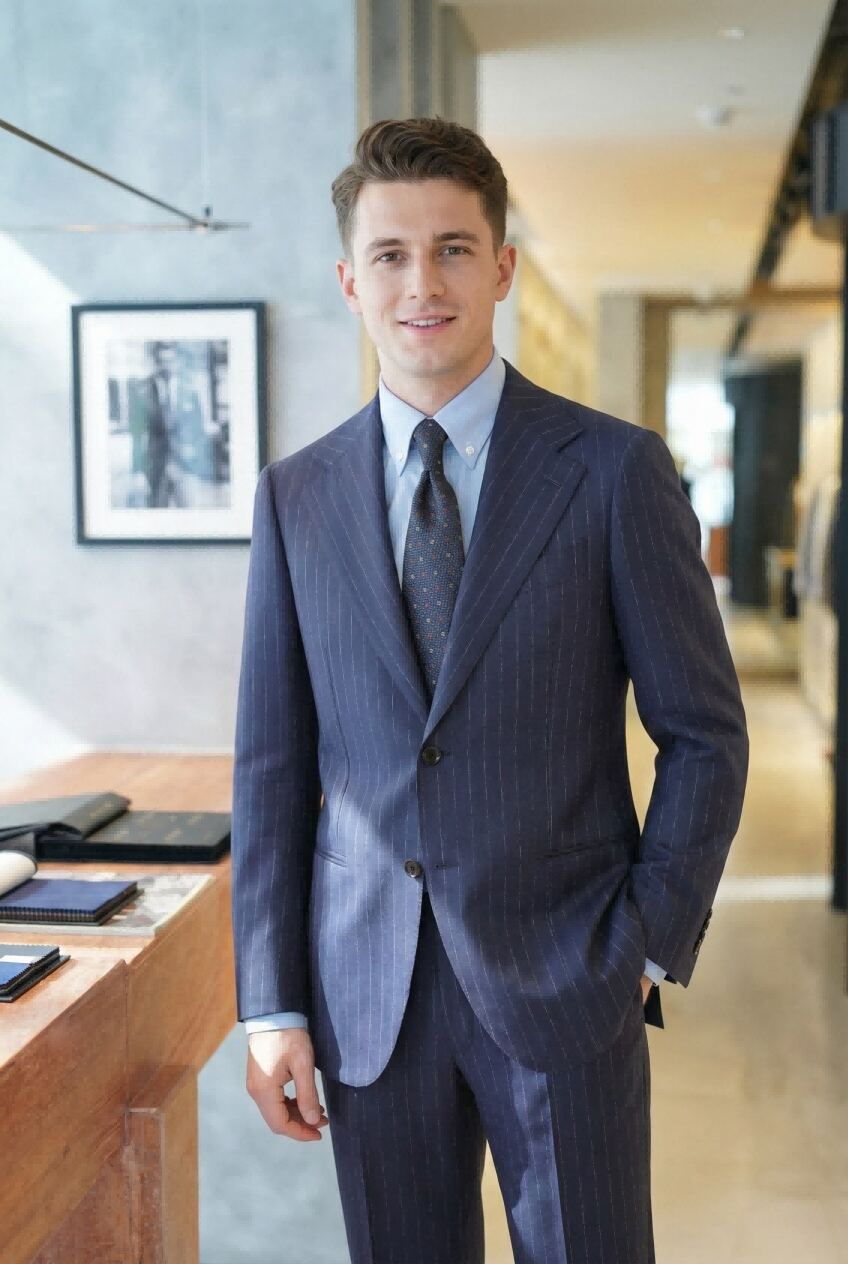
The Role of Fabric Selection in Comfort and Longevity
Natural Fibers and Their Performance Properties
Fabric is the foundation of every well-designed suit, and the choice of material has a direct impact on how comfortable and durable the final garment will be. Wool remains the most widely trusted fiber for business suits because of its natural elasticity, moisture-wicking properties, and ability to recover its shape after compression. High-twist wool yarns, in particular, are engineered to resist wrinkling and maintain their structure through hours of sitting, standing, and moving.
Merino wool represents one of the finest options available for business suits intended for year-round wear. Its fine fiber diameter makes it soft against the skin, reducing irritation during long days, while its natural crimp gives the fabric resilience against abrasion. This combination of softness and toughness is precisely why merino wool is a staple in well-engineered professional wardrobes around the world.
Linen and cotton are also used in business suits, particularly for warmer climates and seasonal collections. While these natural fibers offer excellent breathability and a relaxed texture, they are generally less resilient than wool when it comes to maintaining a pressed, structured silhouette. They are best used in lighter-weight summer suits where comfort in heat is the primary design objective.
Fabric Weight and Weave Structure
Beyond fiber type, the weight and weave structure of a fabric play a critical role in the durability and comfort profile of business suits. A fabric measured at around 280 to 320 grams per linear meter is generally considered ideal for four-season wearability, offering enough substance to resist wear and tear while remaining breathable enough for active professional use.
Tightly woven fabrics such as twill and herringbone provide superior resistance to pilling and surface abrasion, which are among the most common signs of wear in frequently used business suits. The interlocking diagonal structure of a twill weave also contributes to a natural drape, helping the suit move gracefully with the body rather than pulling or bunching at stress points like the shoulders and elbows.
Blended fabrics that combine wool with synthetic fibers such as polyester or nylon have become increasingly common in modern business suits. These blends are engineered to enhance wrinkle resistance, reduce overall weight, and improve the garment's ability to retain its shape over time. When the blend ratio is carefully calibrated, the synthetic component adds durability without sacrificing the natural comfort qualities of the wool.
Tailoring Techniques That Maximize Comfort
Ergonomic Pattern Cutting for Freedom of Movement
The pattern from which a suit is cut determines how well it accommodates the natural movements of the human body. Well-designed business suits are constructed using patterns that account for the full range of motion a professional might need throughout the day — reaching across a desk, entering and exiting a vehicle, sitting through extended meetings, or standing for prolonged periods during presentations.
Sleeve pitch is one of the most technically demanding aspects of suit pattern design. If the sleeve is not pitched at the correct angle relative to the shoulder, the jacket will pull uncomfortably at the back each time the wearer raises an arm. Premium business suits are cut with a forward sleeve pitch that mirrors the natural resting position of the human arm, significantly reducing fatigue and restriction during daily tasks.
The back of a well-tailored suit jacket often incorporates design elements such as a center vent, side vents, or a suppressed waist with corresponding ease built into the hip area. These features are not merely aesthetic — they allow the fabric to expand and contract with movement rather than pulling taut, which would both reduce comfort and accelerate fabric fatigue at the stress points.
Lining Choices and Their Comfort Impact
The interior lining of business suits is often overlooked by consumers but is taken very seriously by garment engineers. A high-quality lining reduces friction between the suit jacket and the shirt or layers worn underneath, allowing the garment to slide on and off smoothly and to move freely during wear. Without a proper lining, the outer shell would drag against the wearer's clothing, causing bunching and premature wear.
Bemberg cupro, derived from cotton linter, is widely regarded as one of the most comfortable lining materials for business suits. It is lightweight, breathable, and has moisture management properties that help regulate body temperature throughout the day. This is particularly important for professionals who wear their suits in climate-controlled office environments as well as outdoors, where temperature transitions can cause discomfort.
Half-lined suits, which leave the lower back panel and portions of the sleeves unlined, are another design strategy used to enhance airflow and reduce weight in business suits designed for warmer conditions. This approach maintains structure in the chest and shoulder area while allowing better ventilation through the body of the jacket, making the garment significantly more comfortable during extended summer wear.
Construction Methods That Ensure Long-Term Durability
Canvas Versus Fused Interlining Construction
One of the most fundamental decisions in the construction of business suits is whether to use a floating canvas interlining or a fused interlining in the chest panel of the jacket. This choice has a profound impact on both the long-term durability of the garment and how it feels against the body over time.
A full canvas construction involves a layer of horsehair canvas that is hand-stitched to the jacket's chest piece rather than being bonded with adhesive. Over time, this canvas molds to the shape of the wearer's chest, creating a personalized fit that improves with each use. Full canvas business suits are widely recognized as the gold standard in tailoring because they are not susceptible to the delamination and bubbling that can occur in fused construction after repeated dry cleaning or exposure to moisture.
Fused construction, in which the interlining is bonded to the outer fabric using heat-activated adhesive, is commonly used in more accessible price points of business suits. While modern fusing technology has improved considerably, fused suits remain more vulnerable to structural degradation over time, particularly in environments where the jacket is subjected to frequent cleaning or high humidity. For professionals who wear their suits daily, this distinction in construction method translates directly to how many years of reliable service the garment will provide.
Reinforcement at Critical Stress Points
Durability in business suits is not only determined by fabric quality or overall construction method — it also depends on how well the garment addresses the specific stress points that experience the most wear. The areas around the button holes, pockets, collar, and cuffs are subject to repeated mechanical stress with every wearing, and how they are finished determines how long the suit retains its appearance.
Bound buttonholes, which are hand-finished with a clean folded edge rather than machine-stitched, are a hallmark of quality in durable business suits. They resist fraying far more effectively than machine-made buttonholes and maintain their clean appearance even after years of regular use. Similarly, the seams in critical areas such as the armhole and seat are often double-stitched or reinforced with additional seam tape to prevent splitting under tension.
The trouser construction in business suits also benefits from careful attention to reinforcement. A well-constructed waistband should be fully interfaced and include a curtain lining that protects the waistband from abrasion. Reinforced belt loops and double-stitched inseams ensure the trousers can withstand the rigors of daily wear without premature failure at the areas most prone to stress.
Design Details That Balance Aesthetics with Functionality
Functional Pockets and Practical Features
Modern business suits are expected to be both visually refined and practically functional. Pocket design is one area where these two demands intersect most visibly. Jetted or welt pockets are structurally superior to patch pockets because they are anchored into the seam of the jacket and reinforced at both ends, making them resistant to tearing even when regularly used to carry small items such as phones, cards, or folded documents.
The interior pockets of well-designed business suits are carefully planned to provide practical storage without distorting the silhouette of the jacket. A correctly positioned interior breast pocket, for example, should be deep enough to hold a passport or folded correspondence without creating a visible bulge on the outside of the jacket. This level of design consideration reflects the reality that professionals rely on their suits as functional workwear, not merely ceremonial attire.
Trouser pockets in business suits are often reinforced with a pocket bag made from a sturdy, lightweight lining fabric. This pocket bag prevents the trouser fabric from pulling outward under the weight of everyday items while also protecting the outer fabric from the friction caused by regularly inserting and retrieving a hand. These small but meaningful engineering details collectively determine how well the suit holds up over years of real-world professional use.
Fit Allowances That Support Wearability Over Time
A well-designed suit must fit correctly from the moment it is purchased, but it must also accommodate the natural changes in a professional's body that occur over time. Thoughtful designers of business suits build in seam allowances — extra fabric within the seams of the jacket and trousers — that allow the garment to be let out or taken in by a skilled tailor without compromising the structural integrity of the construction.
The amount of ease built into a suit pattern also affects wearability over long periods. A garment with too little ease will feel restrictive and will wear out more quickly because the fabric is constantly under tension. Conversely, a suit with too much ease will look shapeless and unprofessional. The best-designed business suits strike a precise balance, offering enough room for comfortable movement while maintaining a clean, structured silhouette throughout the day.
Trouser seat allowance is another often-overlooked design consideration that significantly affects comfort in business suits. Professionals who spend most of their day seated need trousers that are cut with a slightly higher rise and a fuller seat, reducing the strain on the fabric and preventing the uncomfortable pulling and binding that occurs when trousers are cut too close. These ergonomic considerations transform a visually appealing suit into one that can truly be worn all day with ease.
FAQ
What makes a business suit comfortable for all-day wear?
The comfort of business suits during extended wear depends on several interconnected factors including fabric breathability, ergonomic pattern cutting, appropriate ease allowances, and a quality lining. Suits made from natural fibers like merino wool and lined with breathable materials like cupro tend to regulate body temperature more effectively and reduce friction against the body throughout a long workday.
How does construction method affect the durability of business suits?
The construction method is one of the most critical determinants of longevity in business suits. Full canvas construction, in which the chest interlining is hand-stitched rather than glued, produces a garment that molds to the wearer's body over time and does not delaminate with cleaning or humidity. Fused construction is more economical but more susceptible to structural breakdown under regular use and frequent cleaning.
How should business suits be cared for to maximize their lifespan?
Proper care is essential to preserving the comfort and durability of business suits. Suits should be rotated regularly to allow the fabric to recover its shape between wearings. Dry cleaning should be kept to a minimum — typically no more than two or three times per year — as excessive chemical cleaning degrades both natural fibers and fused interlinings. Steam pressing and proper storage on wide, shaped hangers are among the most effective ways to maintain a suit's structure over time.
Are blended fabrics suitable for durable business suits?
Well-engineered fabric blends can be an excellent choice for business suits intended for heavy professional use. A carefully balanced wool-synthetic blend can provide enhanced wrinkle resistance, reduced weight, and improved shape retention compared to pure wool, while still offering acceptable levels of breathability and natural comfort. The key is in the quality of the blend and the ratio of natural to synthetic fiber, as poorly constructed blends may sacrifice comfort for synthetic resilience.