
 EN
EN



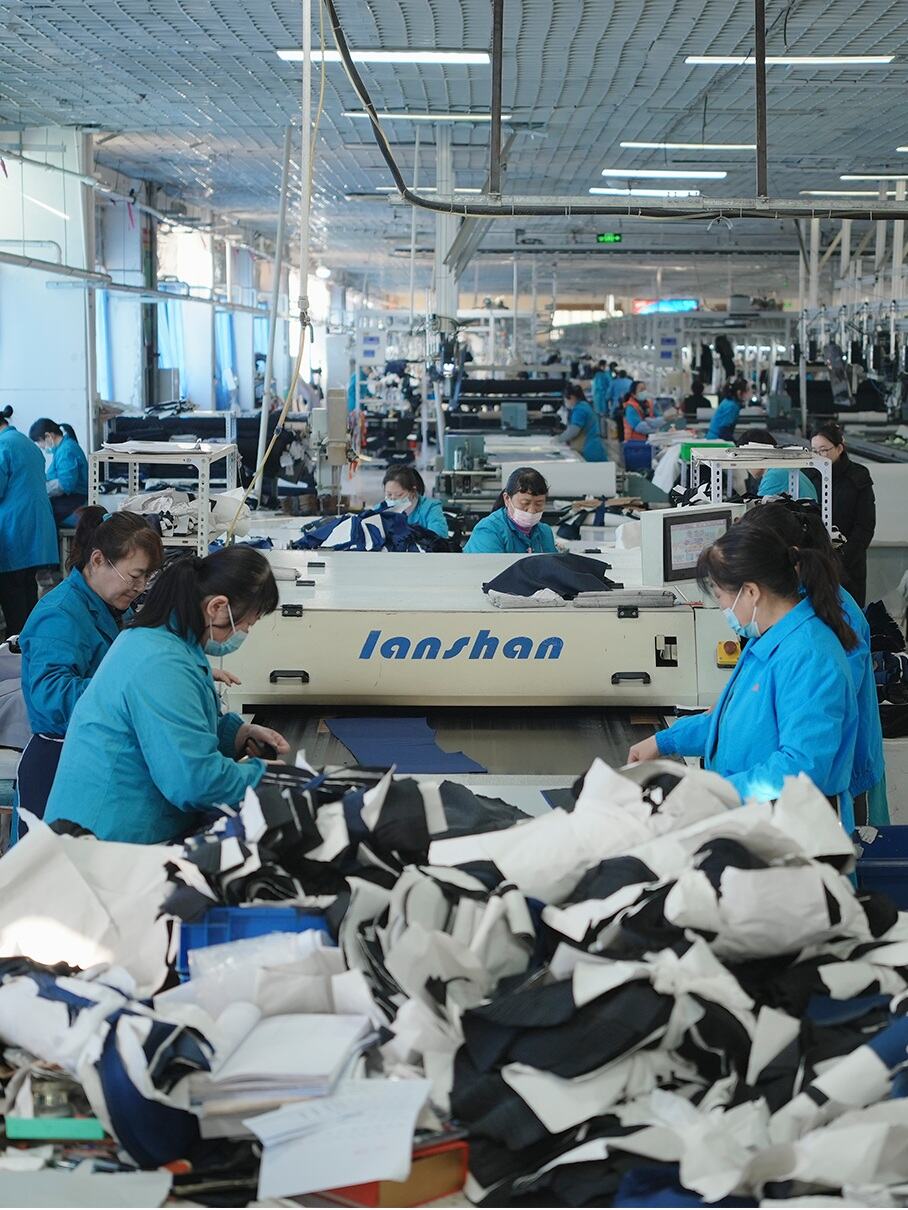
In today's fast-paced fashion industry, sampling lead time represents a critical bottleneck that can make or break seasonal collections and business partnerships. When fashion brands, retailers, and manufacturers struggle with extended sampling cycles, they often turn to specialized partners who understand the urgency of bringing designs to market quickly. A custom suits supplier with streamlined processes and advanced manufacturing capabilities can transform traditional sampling timelines from weeks or months into days, fundamentally changing how businesses approach product development and market responsiveness.
The relationship between sampling speed and business success extends far beyond simple time savings. When a custom suits supplier implements efficient sampling protocols, they enable their clients to test multiple design iterations, respond to market feedback more rapidly, and maintain competitive advantages in increasingly crowded markets. This operational efficiency becomes particularly valuable when dealing with complex garments like suits, where fit, construction quality, and material performance must be validated before committing to full production runs.
Strategic Sampling Infrastructure and Process Optimization
Dedicated Sampling Teams and Workflow Management
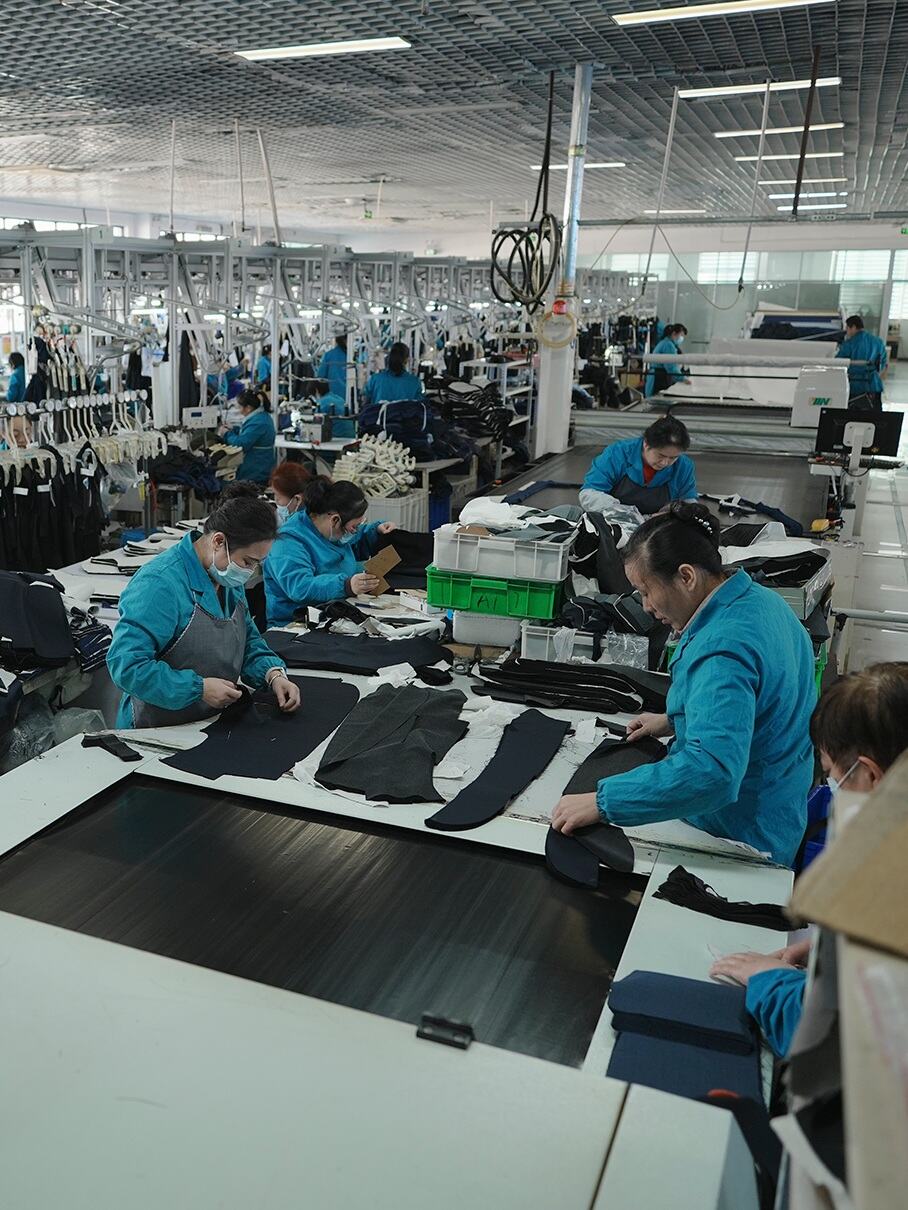
A professional custom suits supplier typically establishes dedicated sampling departments that operate independently from their main production lines. These specialized teams focus exclusively on prototype development, allowing them to maintain consistent turnaround times without competing for resources with bulk manufacturing orders. The sampling workflow includes pattern development, initial construction, fitting adjustments, and final approval processes that are specifically designed for speed and accuracy.
The most effective suppliers implement parallel processing systems where multiple aspects of sample development occur simultaneously rather than sequentially. While pattern makers refine technical specifications, fabric cutting teams prepare materials, and construction specialists begin preliminary assembly work. This coordinated approach can reduce traditional sampling timelines by 40-60% compared to conventional sequential methods used by less specialized manufacturers.
Quality control integration throughout the sampling process ensures that speed improvements don't compromise accuracy or construction standards. Each sample undergoes systematic evaluation at predetermined checkpoints, allowing the custom suits supplier to identify and resolve potential issues before they impact final delivery timelines or require complete sample reconstruction.
Technology Integration and Digital Acceleration
Modern custom suits suppliers leverage digital pattern-making systems, 3D visualization software, and automated cutting technologies to eliminate traditional bottlenecks in the sampling process. Computer-aided design systems allow for rapid pattern modifications and grading adjustments without requiring physical pattern pieces to be redrawn or reconstructed manually. These technological capabilities enable suppliers to respond to client feedback and implement design changes within hours rather than days.
Digital communication platforms facilitate real-time collaboration between clients and sampling teams, reducing the back-and-forth delays that traditionally extend sampling cycles. Clients can review digital mockups, provide feedback through integrated annotation systems, and approve design modifications without waiting for physical samples to be shipped and returned. This digital integration particularly benefits international partnerships where shipping delays can add weeks to traditional sampling timelines.
Automated cutting systems and computerized embroidery equipment allow suppliers to produce sample components with the same precision and efficiency as production pieces. This consistency ensures that samples accurately represent final production quality while maintaining the speed advantages of automated processing systems.
Material Sourcing and Inventory Management Strategies
Strategic Fabric Inventory and Supplier Relationships
An experienced custom suits supplier maintains extensive fabric inventories specifically designated for sampling purposes. This strategic stockpiling includes a comprehensive range of weights, textures, colors, and compositions that cover the majority of client requests without requiring special orders or extended material sourcing timelines. The supplier's investment in sampling inventory eliminates the typical 1-2 week delay associated with fabric procurement for individual samples.
Established relationships with fabric mills and textile suppliers enable custom suits suppliers to access priority ordering systems and expedited delivery services. When clients request materials outside the standard sampling inventory, these relationships facilitate rapid sourcing that maintains overall project timelines. Some suppliers negotiate standby agreements with key material suppliers, ensuring access to expedited processing even during peak industry periods.
The supplier's material expertise also contributes to sampling efficiency by recommending suitable alternatives when specific client requests might cause delays. This advisory capability helps clients make informed decisions about material substitutions that maintain design integrity while preserving timeline objectives.
Component Integration and Supplier Coordination
Professional custom suits suppliers coordinate with specialized component suppliers to ensure that buttons, zippers, interfacing materials, and other hardware elements are readily available for sampling projects. This coordination includes maintaining relationships with multiple suppliers for each component category, providing backup options when primary suppliers experience delays or capacity constraints.
The supplier's component management system tracks inventory levels, supplier lead times, and seasonal availability patterns to anticipate potential bottlenecks before they impact sampling schedules. This proactive approach enables the custom suits supplier to maintain consistent delivery performance regardless of external supply chain fluctuations.
Quality standardization across component suppliers ensures that sampling accuracy reflects production capabilities. The supplier's specification requirements and quality standards create consistency between prototype and final production components, eliminating the discrepancies that can necessitate additional sampling rounds or production delays.
Manufacturing Flexibility and Capacity Management
Scalable Production Infrastructure and Resource Allocation
A capable custom suits supplier designs their manufacturing infrastructure to accommodate varying sampling demands without disrupting regular production schedules. This flexibility includes maintaining excess capacity during peak sampling periods and implementing cross-training programs that allow production staff to support sampling operations when needed. The ability to scale sampling capacity up or down based on client demand ensures consistent turnaround times regardless of seasonal fluctuations or market conditions.
Resource allocation strategies prioritize sampling projects based on client relationships, project complexity, and delivery commitments. This systematic approach prevents sampling backlogs from developing during busy periods while ensuring that urgent requests receive appropriate priority without compromising other client commitments. The supplier's capacity planning includes buffer time for unexpected complications or additional iteration rounds.
Cross-functional team coordination between sampling, production, and quality control departments creates seamless transitions from approved samples to full production orders. This integration eliminates the delays and miscommunications that often occur when sampling and production operations function as separate entities within the supplier organization.
Quality Control Integration and Iteration Management
Effective custom suits suppliers implement quality control processes specifically adapted for sampling speed requirements while maintaining accuracy standards. These abbreviated but comprehensive evaluation procedures identify potential construction issues, fit problems, or material performance concerns before samples are delivered to clients. Early problem identification prevents the delays associated with rejected samples and subsequent revision cycles.
The supplier's iteration management system tracks client feedback patterns, common revision requests, and design evolution trends to anticipate likely modification requirements. This predictive capability enables sampling teams to prepare alternative approaches or material options in parallel with initial sample development, reducing the time required for subsequent iterations.
Documentation systems capture detailed information about each sampling project, including technical specifications, construction methods, material sources, and client preferences. This knowledge base enables faster processing of repeat orders and similar projects while providing valuable reference information for troubleshooting and optimization initiatives.
Client Collaboration and Communication Systems
Real-Time Communication and Feedback Integration
Modern custom suits suppliers establish sophisticated communication systems that facilitate immediate client interaction throughout the sampling process. These platforms include video conferencing capabilities for fit consultations, digital collaboration tools for design modification discussions, and mobile-accessible progress tracking systems that keep clients informed about sampling status in real-time. The elimination of communication delays directly contributes to faster overall sampling cycles.
Structured feedback collection systems guide clients through systematic sample evaluation processes, ensuring that all necessary information is captured efficiently during initial reviews. This comprehensive feedback approach reduces the likelihood of incomplete information that might necessitate additional clarification rounds or supplementary samples to address overlooked concerns.
The supplier's communication protocols include predefined checkpoints where client input is required, preventing projects from stalling while waiting for approvals or feedback. These milestone-based systems maintain project momentum while ensuring that client requirements are accurately incorporated into sample development.
Expectation Management and Timeline Coordination
Professional custom suits suppliers provide detailed timeline projections that account for all aspects of the sampling process, including potential revision cycles and external dependencies. This transparency enables clients to plan their own product development schedules more effectively while setting realistic expectations about delivery timeframes. Clear timeline communication prevents the misunderstandings that can lead to rushed production or compromised quality standards.
The supplier's project management approach includes contingency planning for common delay scenarios, such as material sourcing issues, unexpected design complications, or extended approval processes. These backup plans enable rapid response to potential problems while maintaining overall project schedules.
Regular progress updates and milestone communications keep clients informed about sampling advancement without requiring constant status inquiries. This proactive communication approach builds confidence in the supplier's capabilities while reducing the administrative burden on both parties.
FAQ
What is the typical sampling lead time reduction when working with a specialized custom suits supplier?
A specialized custom suits supplier can typically reduce sampling lead times by 40-70% compared to general garment manufacturers. While traditional suppliers might require 3-4 weeks for initial samples, specialized suppliers often deliver within 5-7 business days. This improvement results from dedicated sampling infrastructure, pre-positioned materials, and optimized workflow processes specifically designed for rapid prototype development.
How does a custom suits supplier maintain quality standards while accelerating sampling timelines?
Quality maintenance during accelerated sampling relies on parallel processing systems, automated quality checkpoints, and experienced sampling teams who can identify potential issues early in the development process. The supplier implements abbreviated but comprehensive quality control procedures adapted for sampling speed requirements, uses digital tools for precision pattern development, and maintains detailed documentation systems that prevent quality-related delays during subsequent production phases.
What role does material inventory play in sampling lead time reduction?
Strategic material inventory maintained by custom suits suppliers eliminates the 1-2 week delays typically associated with fabric sourcing for individual samples. Suppliers invest in comprehensive sampling inventories covering various weights, textures, and compositions while maintaining relationships with fabric mills for expedited special orders. This material readiness, combined with pre-positioned component supplies, allows immediate sampling commencement upon order receipt.
Can custom suits suppliers handle multiple sampling projects simultaneously without compromising individual timelines?
Professional custom suits suppliers design their operations specifically to manage multiple concurrent sampling projects through dedicated sampling teams, scalable capacity systems, and sophisticated project management protocols. Resource allocation strategies prioritize projects based on complexity and delivery requirements while maintaining buffer capacity for unexpected demands. This systematic approach ensures consistent performance across all active sampling projects without timeline conflicts or quality compromises.
Table of Contents
- Strategic Sampling Infrastructure and Process Optimization
- Material Sourcing and Inventory Management Strategies
- Manufacturing Flexibility and Capacity Management
- Client Collaboration and Communication Systems
-
FAQ
- What is the typical sampling lead time reduction when working with a specialized custom suits supplier?
- How does a custom suits supplier maintain quality standards while accelerating sampling timelines?
- What role does material inventory play in sampling lead time reduction?
- Can custom suits suppliers handle multiple sampling projects simultaneously without compromising individual timelines?