
 EN
EN



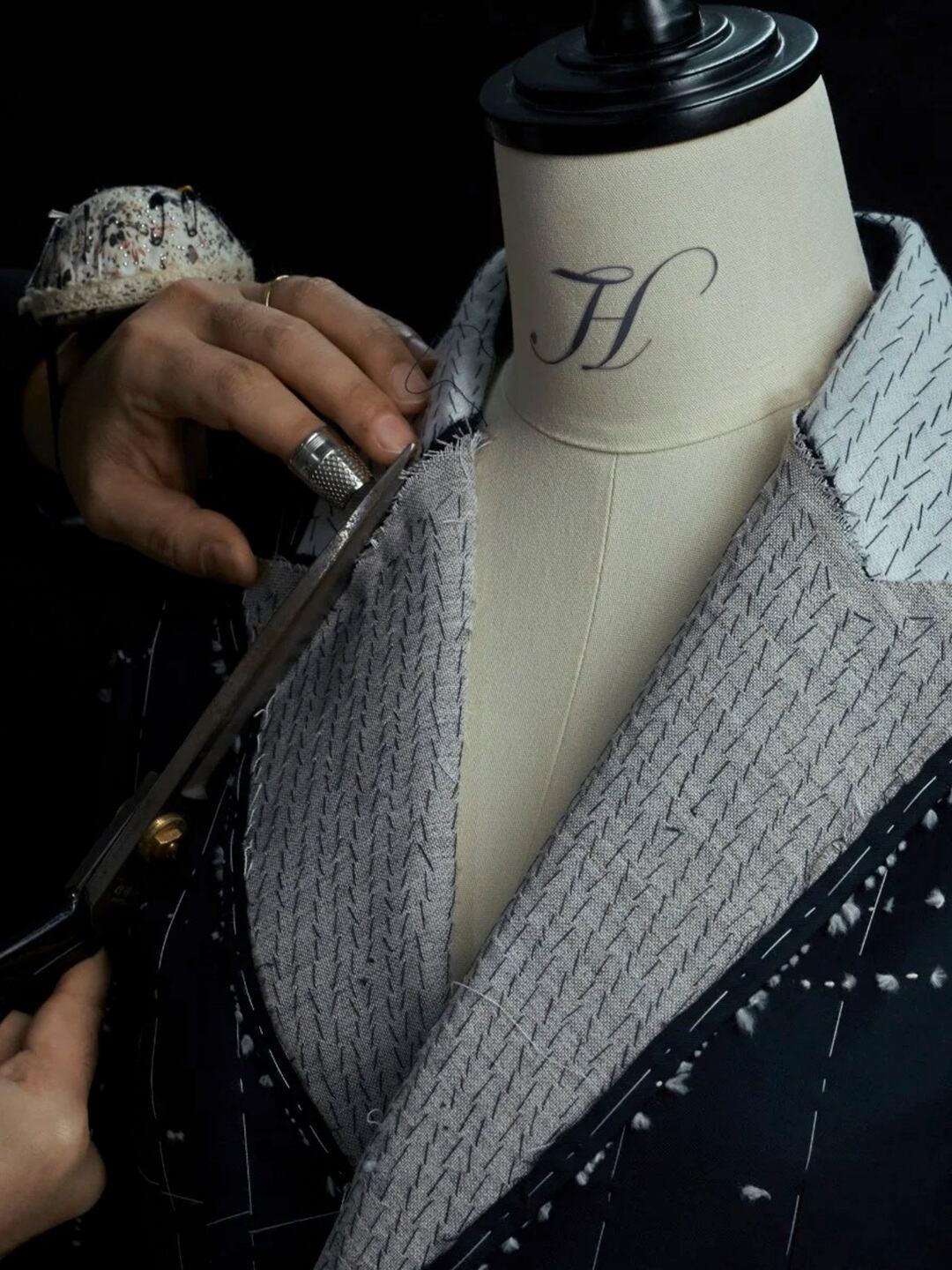
Achieving precision in garment assembly represents one of the most critical challenges facing modern apparel production. Cut and sew manufacturers must navigate complex technical requirements, tight quality tolerances, and demanding delivery schedules while maintaining consistent accuracy across thousands of individual garments. The difference between successful manufacturing operations and those that struggle with returns, rework, and reputation damage often lies in how effectively they implement systematic accuracy control measures throughout their assembly processes.
The methodology behind accurate garment assembly extends far beyond skilled sewing machine operators. Professional cut and sew manufacturers employ multi-layered quality assurance frameworks that begin with pattern development and continue through final inspection. These integrated systems combine precise cutting technologies, standardized assembly procedures, continuous operator training, and comprehensive quality checkpoints to minimize variation and eliminate defects before they compound throughout the production cycle.
Pattern Precision and Cutting Accuracy Systems
Digital Pattern Development and Grading Control
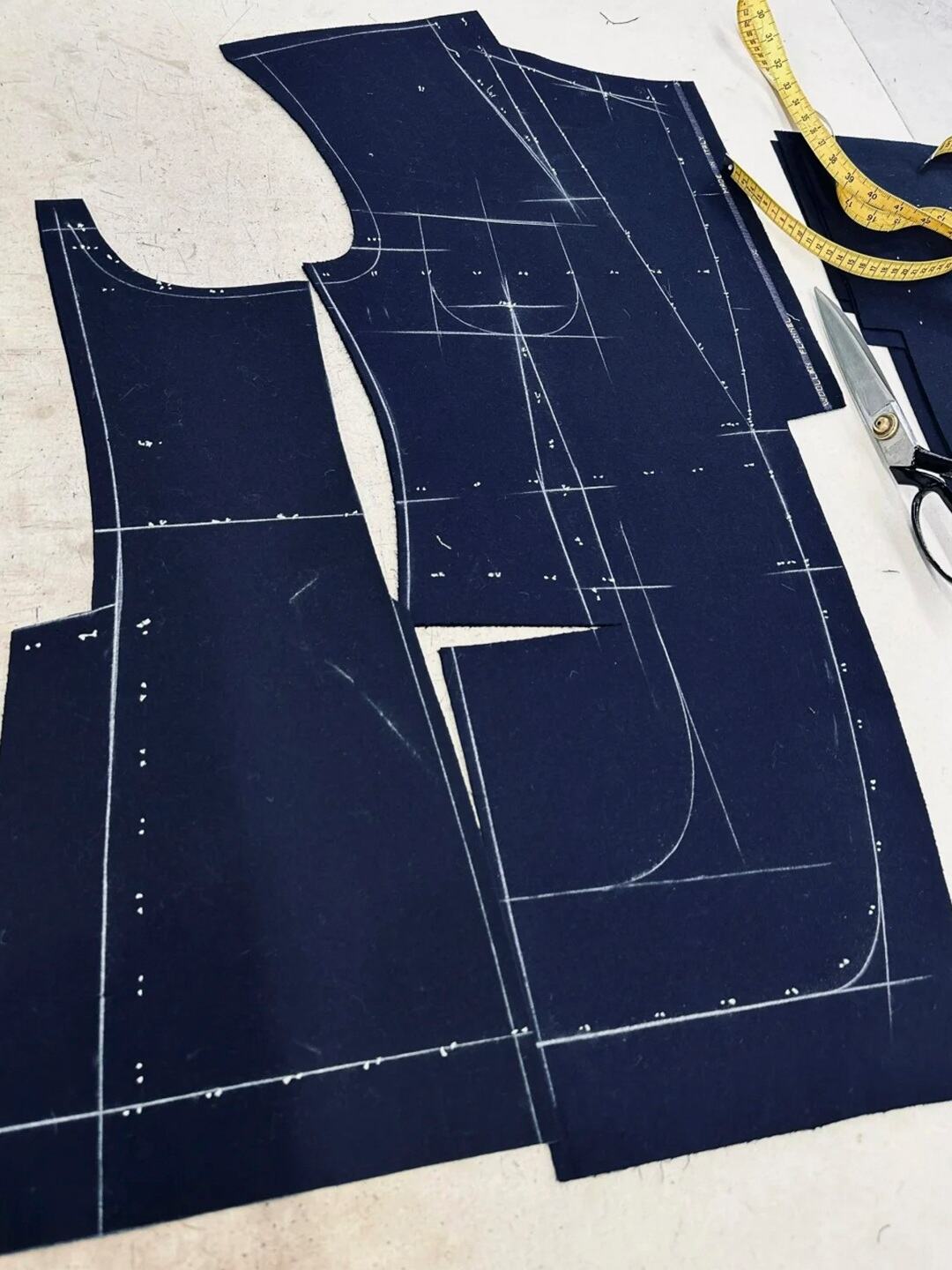
Cut and sew manufacturers begin accuracy assurance during the pattern development phase, where digital pattern-making systems eliminate human measurement errors that traditionally plagued manual pattern creation. Advanced CAD software allows pattern makers to create base patterns with mathematical precision, ensuring that all measurements, seam allowances, and construction details maintain exact specifications across multiple size grades. These digital patterns undergo rigorous validation testing before release to production, with sample garments constructed and measured against original design specifications.
Pattern grading represents another critical accuracy control point where cut and sew manufacturers leverage automated grading algorithms to maintain proportional relationships across size ranges. Professional grading systems apply consistent grade rules that preserve fit characteristics while scaling dimensions appropriately for each size. This systematic approach prevents the accumulation of small errors that could result in significant fit problems in larger or smaller sizes, ensuring that every garment maintains the intended silhouette and comfort characteristics.
Automated Cutting Technology and Fabric Alignment
Modern cut and sew manufacturers utilize computer-controlled cutting equipment that translates digital patterns directly into fabric pieces with exceptional precision. Automated cutting systems eliminate human inconsistencies in blade pressure, cutting speed, and path deviation that can create subtle variations in piece dimensions. These systems maintain cutting accuracy within tolerances measured in fractions of millimeters, ensuring that every fabric piece matches its digital specification exactly.
Fabric alignment procedures represent an equally important accuracy factor, as even minor fabric distortion during spreading can create significant assembly problems. Professional cut and sew manufacturers implement fabric relaxation protocols that allow materials to settle into their natural state before cutting, while computerized spreading equipment maintains consistent tension and alignment throughout multi-layer spreads. Laser-guided alignment systems verify fabric grain direction and pattern matching points, preventing assembly issues that could arise from misaligned fabric pieces.
Assembly Line Quality Control and Operator Training
Standardized Work Instructions and Process Documentation
Experienced cut and sew manufacturers develop detailed work instructions that specify every aspect of garment assembly, from seam allowance measurements to thread tension settings. These standardized procedures eliminate guesswork and personal interpretation that can introduce assembly variations between different operators or production shifts. Technical documentation includes visual guides, measurement specifications, and quality checkpoints that operators must verify before advancing to subsequent assembly steps.
Process documentation extends beyond basic sewing instructions to include machine setup parameters, thread specifications, and handling procedures for different fabric types. Cut and sew manufacturers maintain detailed records of successful production runs, allowing them to replicate optimal conditions for similar garments and identify process improvements that enhance assembly accuracy over time.
Continuous Operator Training and Skill Development
The human element remains central to accurate garment assembly, making comprehensive operator training essential for consistent quality outcomes. Cut and sew manufacturers implement structured training programs that cover both technical skills and quality awareness, ensuring that every operator understands how their individual work contributes to overall garment accuracy. Training modules address proper seaming techniques, pressing procedures, and measurement verification methods specific to different garment categories.
Ongoing skill development programs keep operators current with new techniques, equipment updates, and quality requirements as they evolve. Regular competency assessments verify that operators maintain the precision standards required for their assigned tasks, while cross-training initiatives ensure production flexibility without compromising quality consistency. These training investments pay dividends through reduced rework rates, improved first-pass quality, and enhanced operator confidence in achieving accuracy targets.
In-Process Quality Checkpoints and Measurement Verification
Sequential Assembly Validation Points
Professional cut and sew manufacturers establish quality checkpoints at critical assembly stages where errors could compound if allowed to continue through subsequent operations. These validation points typically occur after major construction milestones such as side seam completion, sleeve attachment, and collar installation. Quality inspectors verify dimensional accuracy, seam quality, and construction alignment before authorizing continuation to the next assembly phase.
Sequential validation prevents the costly scenario where assembly errors multiply through later construction stages, making correction increasingly difficult and expensive. Early detection allows for immediate correction while minimizing waste and maintaining production efficiency. Cut and sew manufacturers track checkpoint data to identify patterns that might indicate machine maintenance needs, operator training opportunities, or process improvement possibilities.
Precision Measurement Tools and Calibration Procedures
Accurate measurement verification requires properly calibrated measurement tools that provide consistent, reliable readings across different operators and production shifts. Cut and sew manufacturers maintain calibrated measurement equipment including rulers, gauges, and specialized garment measurement devices that undergo regular accuracy verification against certified standards. This calibration discipline ensures that quality decisions are based on accurate dimensional data rather than gradually shifting measurement references.
Measurement procedures specify exactly where and how to take critical dimensions, eliminating interpretation differences that could mask actual quality variations. Standardized measurement positions, garment preparation steps, and recording methods ensure that quality data accurately reflects actual garment characteristics. These measurement protocols become particularly important when tracking dimensional consistency across large production runs where small variations could indicate process drift requiring correction.
Technology Integration and Quality Management Systems
Real-Time Production Monitoring and Data Analytics
Advanced cut and sew manufacturers implement integrated quality management systems that capture real-time production data and identify accuracy trends before they become quality problems. These systems track key metrics such as seam deviation rates, rework frequencies, and dimensional consistency across different operators, machines, and time periods. Statistical analysis of this data reveals patterns that enable proactive quality interventions rather than reactive problem-solving.
Production monitoring technology integrates with individual sewing machines to capture operational parameters that correlate with quality outcomes. Machine data including stitch rates, thread tension variations, and operational consistency provides insights into equipment performance that affects assembly accuracy. Cut and sew manufacturers use this information to optimize maintenance schedules, identify training needs, and adjust process parameters before quality deviations occur.
Automated Quality Inspection Technologies
Emerging inspection technologies enable cut and sew manufacturers to verify assembly accuracy with greater precision and consistency than traditional manual inspection methods. Computer vision systems can detect seam irregularities, measurement deviations, and construction defects with sub-millimeter accuracy, providing objective quality assessments that eliminate human inspection variability. These systems operate at production speeds, enabling 100% inspection coverage without slowing assembly throughput.
Automated measurement systems capture garment dimensions automatically, comparing actual measurements against digital specifications and flagging deviations that exceed preset tolerances. This technology enables cut and sew manufacturers to maintain tighter quality control while reducing inspection labor costs and improving quality data reliability. Integration with production management systems allows automatic quality reporting and trend analysis that supports continuous improvement initiatives.
Supply Chain Integration and Material Quality Control
Fabric Inspection and Pre-Production Validation
Assembly accuracy depends heavily on consistent fabric characteristics, making incoming material inspection a critical component of overall quality assurance. Cut and sew manufacturers implement comprehensive fabric inspection procedures that verify dimensional stability, color consistency, and construction characteristics before materials enter production. These inspections identify potential problems that could affect assembly accuracy, allowing for material rejection or process adjustments before production begins.
Pre-production validation includes testing fabric behavior under actual production conditions, verifying that materials respond predictably to cutting, sewing, and pressing operations. Cut and sew manufacturers conduct trial runs with new fabric lots to confirm that established process parameters will produce acceptable results. This validation prevents mid-production discoveries of material characteristics that could compromise assembly accuracy or require process modifications.
Component Standardization and Vendor Quality Management
Consistent component quality directly impacts assembly accuracy, as variations in zippers, buttons, thread, and other materials can create construction challenges that affect final garment dimensions and appearance. Professional cut and sew manufacturers establish detailed component specifications and vendor quality requirements that ensure incoming materials meet precise tolerances. Regular vendor audits and component testing verify that suppliers maintain the consistency required for accurate garment assembly.
Component standardization extends to thread specifications, where factors such as tensile strength, shrinkage characteristics, and dimensional stability affect seam quality and garment appearance. Cut and sew manufacturers maintain approved supplier lists and component specifications that eliminate variability in these critical materials. Vendor quality management programs include regular performance reviews and continuous improvement initiatives that enhance component consistency over time.
FAQ
What specific measurement tolerances do cut and sew manufacturers typically maintain during garment assembly?
Professional cut and sew manufacturers typically maintain measurement tolerances of plus or minus 1/4 inch for most garment dimensions, with critical fit areas such as chest, waist, and inseam measurements held to tighter tolerances of plus or minus 1/8 inch. These tolerances may vary based on garment category, price point, and customer requirements, with higher-end garments often requiring tighter dimensional control.
How frequently do cut and sew manufacturers calibrate their measurement and cutting equipment?
Quality-focused cut and sew manufacturers typically calibrate measurement equipment weekly and cutting equipment monthly, though frequency may vary based on usage intensity and manufacturer recommendations. Critical measurement tools used for quality inspection often undergo daily verification against known standards, while automated cutting systems receive comprehensive calibration checks during scheduled maintenance intervals.
What role does operator certification play in ensuring assembly accuracy at cut and sew manufacturers?
Operator certification programs verify that sewing machine operators possess the skills and knowledge required to maintain assembly accuracy standards consistently. Cut and sew manufacturers often require operators to demonstrate proficiency in specific techniques, measurement verification, and quality recognition before authorizing them to work on production garments. Ongoing recertification ensures that operators maintain their skills and stay current with evolving quality requirements.
How do cut and sew manufacturers handle quality issues discovered during final inspection?
When final inspection reveals accuracy problems, cut and sew manufacturers typically implement root cause analysis to determine whether the issue stems from cutting inaccuracies, assembly process variations, or material problems. Correctable defects may be repaired if economically viable, while systematic problems trigger process reviews and corrective actions to prevent recurrence. Quality management systems track these issues to identify improvement opportunities and verify the effectiveness of corrective measures.
Table of Contents
- Pattern Precision and Cutting Accuracy Systems
- Assembly Line Quality Control and Operator Training
- In-Process Quality Checkpoints and Measurement Verification
- Technology Integration and Quality Management Systems
- Supply Chain Integration and Material Quality Control
-
FAQ
- What specific measurement tolerances do cut and sew manufacturers typically maintain during garment assembly?
- How frequently do cut and sew manufacturers calibrate their measurement and cutting equipment?
- What role does operator certification play in ensuring assembly accuracy at cut and sew manufacturers?
- How do cut and sew manufacturers handle quality issues discovered during final inspection?