
 EN
EN



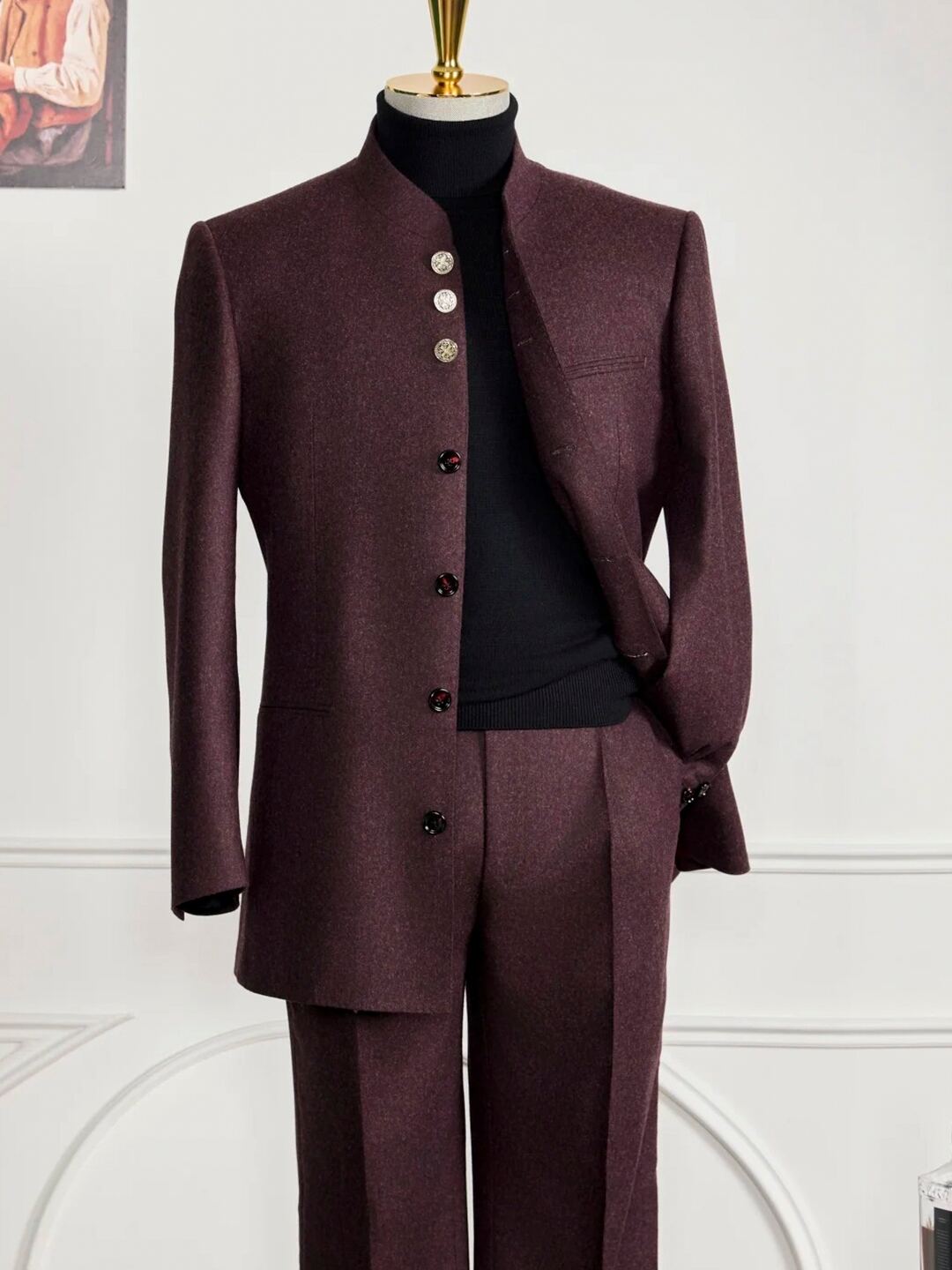
Premium wool suits undergo rigorous testing protocols to ensure their fabric performance meets the exacting standards demanded by discerning professionals and fashion-conscious consumers. These comprehensive testing procedures evaluate everything from fiber strength and durability to color retention and dimensional stability, providing manufacturers and buyers with critical performance data that justifies the investment in high-quality menswear.
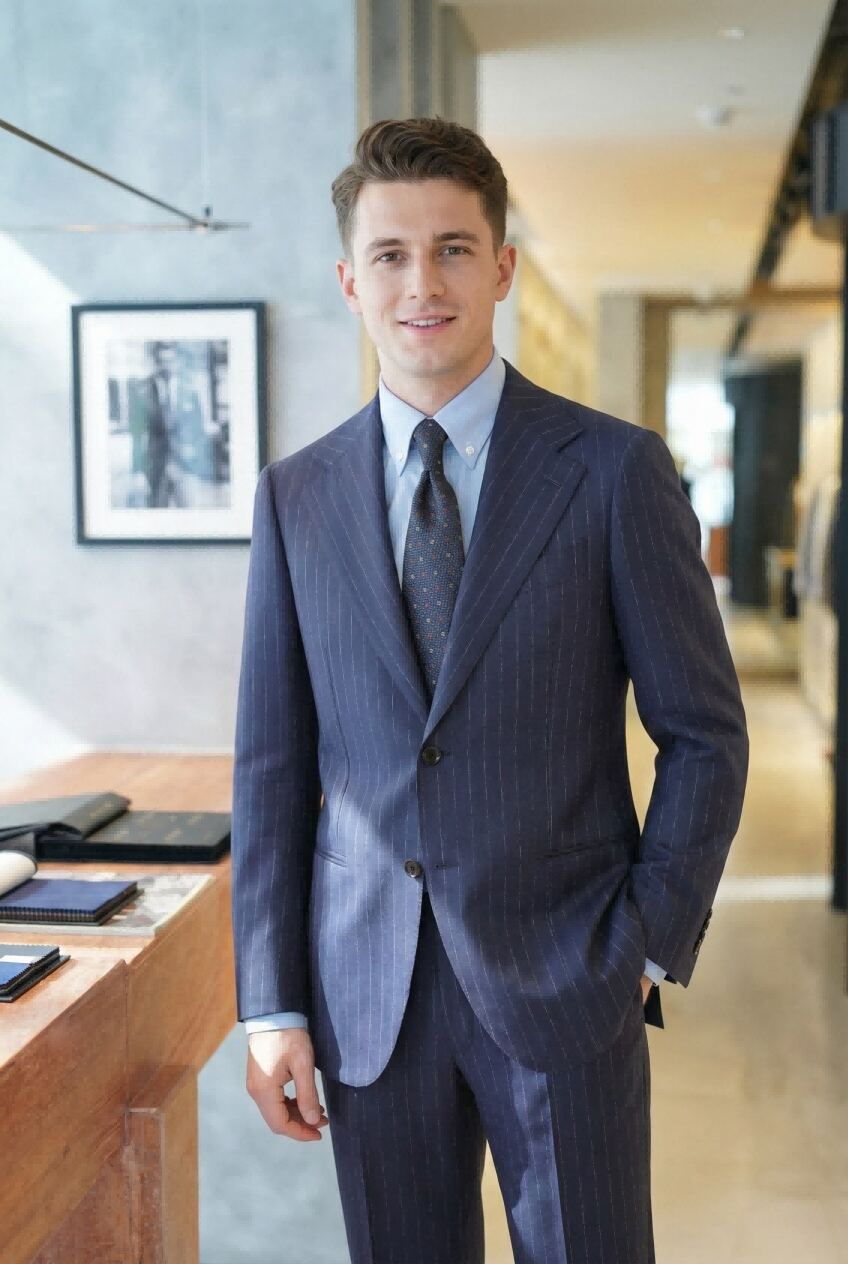
The testing methodology for premium wool suits involves multiple specialized techniques that assess both the raw wool fibers and the finished fabric construction. These scientific approaches enable manufacturers to guarantee consistent quality while helping consumers understand the superior performance characteristics that distinguish premium wool suits from mass-market alternatives. Understanding these testing processes provides valuable insight into what makes certain suits worth their premium price point.
Physical Strength and Durability Testing
Tensile Strength Assessment
Premium wool suits undergo tensile strength testing using standardized equipment that measures how much force the fabric can withstand before tearing or breaking. This process involves cutting precise fabric samples and subjecting them to controlled stress using specialized testing machines that gradually increase tension until the material fails. The results provide critical data about the fabric's ability to withstand daily wear and maintain structural integrity over extended use periods.
The tensile strength testing for premium wool suits typically follows international standards such as ASTM D5034 or ISO 13934, ensuring consistent and comparable results across different manufacturers. These tests measure both warp and weft direction strength, as premium wool suits must maintain balanced performance in all directions to prevent premature failure at stress points like shoulders, elbows, and seat areas.
Advanced testing facilities also conduct tear strength assessments using the Elmendorf method, which evaluates how easily a small cut in the fabric can propagate into a larger tear. This testing is particularly important for premium wool suits because it predicts how the garment will perform when subjected to sudden stress or minor snags during normal wear.
Abrasion Resistance Evaluation
The abrasion resistance of premium wool suits is tested using specialized equipment like the Martindale abrasion tester, which simulates the rubbing action that occurs during regular wear. Fabric samples are subjected to controlled circular motions against standard abrasive materials while technicians monitor for signs of pilling, fiber loss, or surface deterioration.
Premium wool suits must typically withstand thousands of abrasion cycles before showing significant wear, with high-end fabrics often exceeding 40,000 cycles in Martindale testing. This extensive testing helps predict how the suit will maintain its appearance and feel after months or years of regular professional use, particularly in high-contact areas like lapels, pockets, and trouser fronts.
Additional abrasion testing focuses specifically on seam performance, as premium wool suits must maintain their structural integrity not just in the fabric itself but also at critical construction points where different fabric pieces are joined together.
Dimensional Stability and Shrinkage Testing
Wet Processing Stability
Dimensional stability testing for premium wool suits involves subjecting fabric samples to various moisture and heat conditions that simulate professional cleaning processes. These tests measure how much the fabric shrinks, stretches, or distorts when exposed to steam pressing, dry cleaning solvents, and humidity changes that occur during normal garment maintenance.
The testing protocol typically includes multiple cycles of wetting and drying under controlled conditions, with precise measurements taken before and after each treatment. Premium wool suits must demonstrate minimal dimensional change, typically less than 2% in either direction, to ensure the garment maintains its fit and appearance throughout its service life.
Steam shrinkage testing specifically evaluates how premium wool suits respond to pressing during manufacturing and subsequent maintenance. This testing uses high-temperature steam applications followed by controlled drying to simulate the conditions the fabric will encounter during professional pressing and garment care.
Residual Shrinkage Assessment
Premium wool suits undergo residual shrinkage testing to determine any additional dimensional changes that might occur after the initial manufacturing process. This testing involves multiple wash and dry cycles using standardized procedures that simulate various care methods the consumer might employ.
The residual shrinkage testing for premium wool suits often includes accelerated aging procedures that compress years of normal wear into weeks of laboratory testing. These procedures help manufacturers predict long-term dimensional stability and make necessary adjustments to their cutting and construction processes to account for any expected changes.
Advanced testing facilities also evaluate differential shrinkage, which measures whether different parts of the fabric shrink at different rates. This testing is crucial for premium wool suits because uneven shrinkage can cause garment distortion, affecting both appearance and fit quality.
Color Fastness and Appearance Retention
Light Fastness Testing
Color fastness testing for premium wool suits involves exposing fabric samples to controlled light sources that simulate various environmental conditions the garment might encounter during use. These tests use specialized equipment like xenon arc lamps or carbon arc lamps to replicate sunlight exposure over extended periods.
The light fastness testing typically follows international standards such as ISO 105-B02, which establishes specific exposure times and light intensities that correlate to real-world usage patterns. Premium wool suits must maintain their color integrity through hundreds of hours of accelerated light exposure, demonstrating that they will not fade or change color significantly during normal wear.
Advanced color fastness testing also evaluates how premium wool suits respond to artificial lighting conditions commonly found in office environments, ensuring that the garments maintain their professional appearance under fluorescent and LED lighting systems throughout the business day.
Wet and Dry Cleaning Fastness
Premium wool suits undergo extensive wet and dry cleaning fastness testing to ensure colors remain stable during professional garment care processes. These tests use actual dry cleaning solvents and procedures to evaluate how the fabric responds to chemical exposure and mechanical action during cleaning cycles.
The testing protocol includes multiple cleaning cycles with various solvents commonly used in professional dry cleaning, including perchloroethylene, hydrocarbon solvents, and newer environmentally-friendly alternatives. Premium wool suits must demonstrate minimal color change and no color bleeding that could affect the garment's appearance or contaminate other clothing items during cleaning.
Perspiration fastness testing specifically evaluates how premium wool suits respond to body moisture and acids that naturally occur during wear. This testing involves treating fabric samples with artificial perspiration solutions under controlled temperature and humidity conditions to simulate extended wear periods.
Fiber Quality and Construction Analysis
Fiber Composition Verification
Premium wool suits undergo detailed fiber composition analysis using microscopic examination and chemical testing procedures that verify the exact content and quality of the raw materials used in production. This testing typically involves dissolving fabric samples in various chemical solutions that selectively remove different fiber types, allowing technicians to quantify the precise wool content.
Advanced fiber testing for premium wool suits includes analysis of wool staple length, crimp characteristics, and fineness measurements that directly impact the fabric's hand feel, drape, and performance characteristics. These measurements are compared against established standards for premium wool grades to ensure consistency with marketing claims and quality expectations.
Microscopic analysis also evaluates fiber damage, contamination, and processing quality, ensuring that premium wool suits contain only the highest-grade fibers without compromising materials that could affect long-term performance or appearance quality.
Weave Structure and Density Analysis
The weave structure of premium wool suits is analyzed using specialized equipment that measures thread count, yarn twist, and fabric weight distribution. These measurements ensure that the fabric construction meets specifications for premium-grade suiting materials and provides the expected performance characteristics.
Yarn twist analysis evaluates how tightly the individual fibers are twisted together to form the yarns used in premium wool suits. Proper yarn twist is critical for fabric strength, appearance, and resistance to pilling, making this analysis essential for quality verification and performance prediction.
Fabric weight and thickness measurements are taken across multiple points on each fabric sample to ensure uniformity and consistency. Premium wool suits must demonstrate minimal variation in these measurements to guarantee consistent drape, appearance, and tailoring characteristics throughout the garment.
FAQ
How long does comprehensive fabric testing take for premium wool suits?
Comprehensive fabric testing for premium wool suits typically requires 2-4 weeks to complete all standard tests, including tensile strength, abrasion resistance, dimensional stability, and color fastness evaluations. Advanced testing protocols that include accelerated aging and extended durability assessments may require 6-8 weeks for complete results.
What testing standards do premium wool suit manufacturers follow?
Premium wool suit manufacturers typically follow international testing standards including ASTM D5034 for tensile strength, ISO 105 series for color fastness, AATCC methods for dimensional stability, and Martindale standards for abrasion resistance. These standardized procedures ensure consistent and comparable results across different manufacturers and facilities.
Can consumers request fabric testing results for premium wool suits?
Many manufacturers of premium wool suits provide fabric testing certificates or summaries upon request, particularly for high-end custom or made-to-measure garments. These documents typically include key performance metrics like abrasion resistance ratings, shrinkage percentages, and color fastness grades that demonstrate the fabric's quality and expected performance characteristics.
How do testing results affect the pricing of premium wool suits?
Testing results directly influence the pricing structure of premium wool suits, as fabrics that achieve superior performance ratings in multiple categories command higher prices due to their proven quality and durability. Manufacturers use testing data to justify premium pricing by demonstrating measurable performance advantages over lower-grade alternatives, with comprehensive testing documentation often accompanying high-end garments.