
 EN
EN



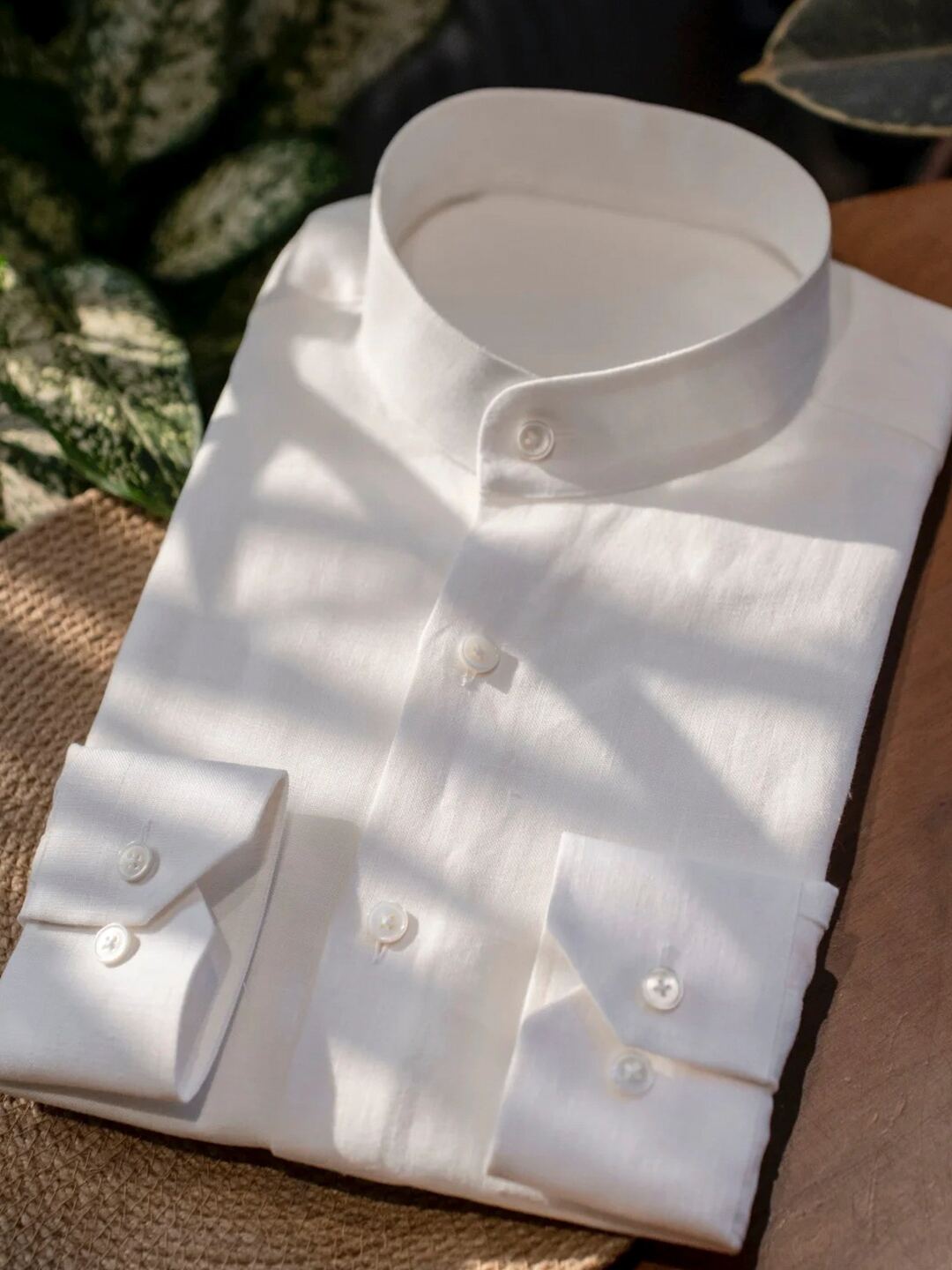
The relationship between dress shirts and overall suit presentation is far more complex than most professionals realize. A well-chosen dress shirt serves as the foundation that either elevates or undermines the entire ensemble, influencing everything from color harmony to silhouette definition. Understanding how dress shirts interact with suit jackets, trousers, and accessories determines whether your professional appearance communicates confidence and attention to detail or suggests carelessness in presentation standards.
Professional dress shirts function as the visual bridge between your suit and your personal style, creating cohesion across all elements of business attire. The fabric quality, fit precision, and color selection of dress shirts directly impact how suit proportions appear, how fabric textures complement each other, and how your overall silhouette projects authority in professional settings. Every aspect of shirt selection, from collar style to cuff design, contributes measurable effects to the final presentation that colleagues and clients perceive during business interactions.
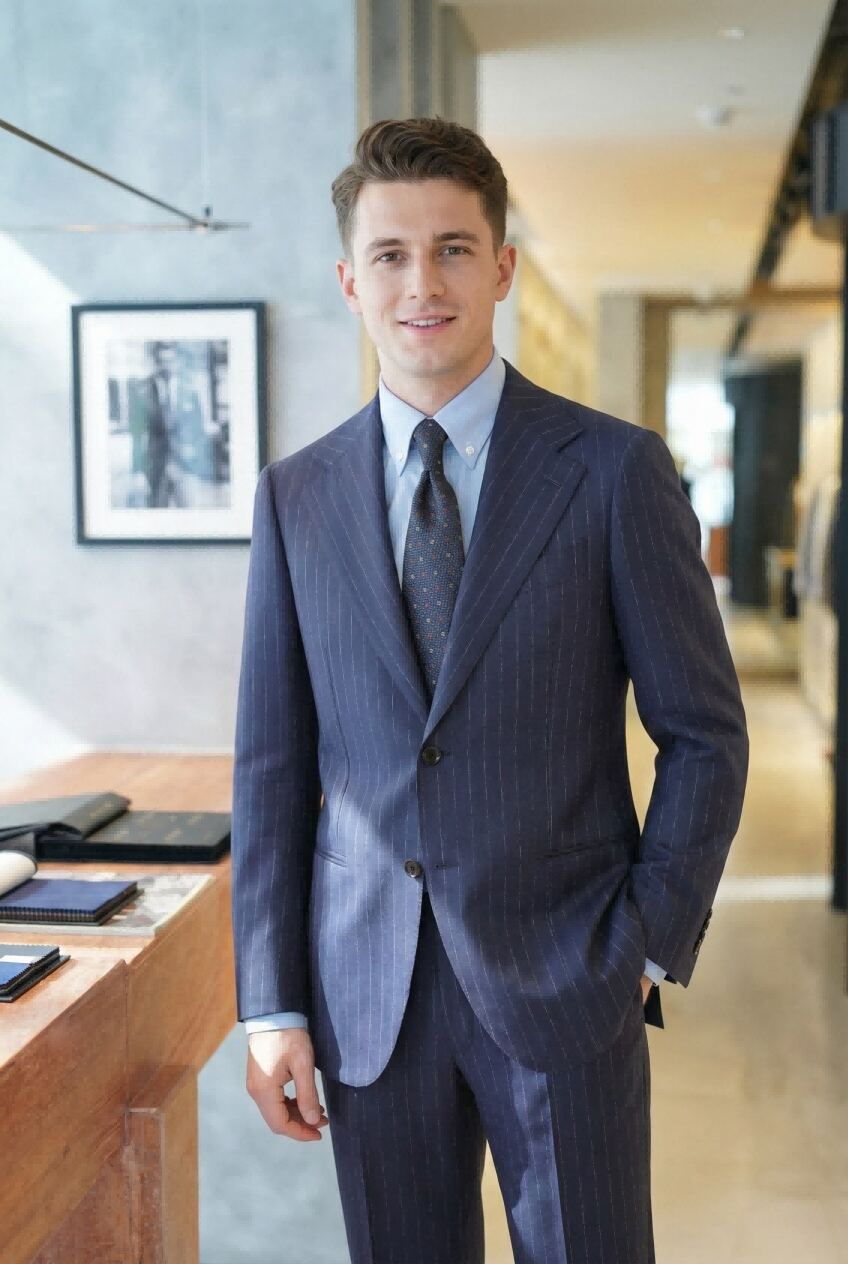
Color Coordination Impact on Suit Harmony
Foundation Color Principles for Professional Presentation
The color relationship between dress shirts and suit fabric creates the primary visual impression that others form about your professional presentation. White dress shirts provide the most versatile foundation, offering maximum contrast against dark suits while maintaining neutrality that allows accessories like ties and pocket squares to become focal points. Light blue dress shirts offer a softer alternative that complements navy, charcoal, and medium gray suits while adding subtle color interest without overwhelming the overall composition.
Color temperature consistency between dress shirts and suit fabric prevents visual discord that can make even expensive clothing appear mismatched or carelessly assembled. Cool-toned dress shirts in whites, light blues, and subtle grays work harmoniously with navy, charcoal, and cool gray suits, creating cohesive presentations that project professionalism. Warm-toned shirts, while less common in traditional business settings, can complement brown, tan, or warm gray suits when selected carefully to maintain appropriate contrast levels.
The psychological impact of color combinations affects how others perceive your competence and attention to detail in professional environments. Studies in business psychology demonstrate that coordinated color schemes communicate organizational skills and visual awareness, while clashing combinations suggest poor judgment or lack of preparation. Dress shirts that complement rather than compete with suit colors create sophisticated presentations that enhance credibility during important business interactions.
Pattern Integration and Visual Balance
Pattern coordination between dress shirts and suits requires understanding scale, density, and visual weight to maintain professional appropriateness. Solid dress shirts provide the safest foundation when paired with patterned suits, allowing pinstripes, checks, or textures in the suit fabric to remain the primary visual element. When combining patterns, dress shirts with subtle textures or very fine patterns can complement bold suit patterns without creating visual chaos that detracts from professional presentation.
The scale relationship between shirt and suit patterns determines whether the combination appears intentional and sophisticated or accidental and distracting. Small-scale patterns in dress shirts, such as fine checks or subtle textures, can work with larger-scale suit patterns like broad pinstripes or windowpane checks, provided the color palette remains coordinated. However, competing pattern scales create visual tension that undermines the polished appearance that professional dress shirts should support.
Visual weight distribution across the entire ensemble depends heavily on how dress shirts interact with suit patterns and accessories. Heavy patterns in dress shirts can overwhelm subtle suit textures, while overly plain shirts may appear inadequate when paired with richly textured or patterned suit fabrics. Achieving proper visual balance requires considering the dress shirts as part of the complete presentation rather than as isolated garments.
Fit Precision and Silhouette Enhancement
Collar Fit and Neckline Definition
The collar fit of dress shirts creates the frame for your face and establishes the foundation upon which tie knots and jacket lapels interact to define your neckline presentation. Properly fitted shirt collars should encircle the neck with approximately half an inch of space, allowing comfortable movement while maintaining a crisp line that supports tie positioning and jacket collar interaction. Loose collars create gaps that expose too much neck area and allow ties to shift position, while tight collars create pulling that distorts the shirt's line and creates visible tension.
Collar height and spread significantly influence how suit jackets frame your face and shoulders, affecting the overall proportion of your upper body presentation. Higher collars provide more coverage and support for wider tie knots, while lower collars create cleaner lines with narrow tie knots and minimal tie visibility above the jacket button stance. The relationship between collar points and jacket lapel width determines whether the combination appears balanced or creates competing visual elements that fragment the presentation.
Collar construction quality in dress shirts affects how well the collar maintains its shape throughout wear, directly impacting the suit's overall appearance as the day progresses. Fused collars may lose their crispness and create soft lines that undermine the structured appearance of suit jackets, while properly constructed collars with appropriate interfacing maintain their shape and continue supporting the suit's tailored silhouette. Investment in quality dress shirts with superior collar construction pays dividends in consistent presentation standards.
Body Fit and Proportion Management
The body fit of dress shirts determines how suit jackets drape across your torso and influences the clean lines that define professional presentation standards. Properly fitted shirts eliminate excess fabric that can bunch under jacket arms or create visible bulk around the waist, while providing sufficient room for comfortable movement without pulling or straining. The balance between fitted appearance and functional comfort in dress shirts directly affects how confidently you can move and gesture while wearing a complete suit.
Shirt length and tuck behavior influence the smooth line from shoulder to hip that suit jackets are designed to create and maintain throughout professional activities. Dress shirts that are too short create pulling when you raise your arms or sit down, disrupting the suit's silhouette and requiring constant readjustment that detracts from professional poise. Conversely, excessively long shirts create bulk around the waist that prevents suit jackets from achieving their intended tailored appearance.
Sleeve length precision in dress shirts creates the proper proportion between shirt cuffs and suit jacket sleeves, establishing a layered presentation that communicates attention to detail. Shirt cuffs should extend approximately half an inch beyond jacket sleeves, creating a clean line that frames the hands while providing visual interest through contrasting colors or textures. Improper sleeve proportions either hide the shirt entirely or create excessive exposure that appears sloppy and undermines the suit's refined presentation.
Fabric Quality and Texture Interaction
Fabric Weight and Draping Characteristics
The fabric weight and weave structure of dress shirts significantly influence how suit jackets drape and maintain their intended silhouette throughout professional wear. Lightweight, fine-weave dress shirts create smooth underlayers that allow suit fabrics to drape naturally without bulk or texture interference, resulting in clean lines and proper proportion maintenance. Heavy or coarse shirt fabrics can create visible texture through suit jackets, particularly in lightweight wool or cotton suit fabrics, disrupting the smooth appearance that defines quality tailoring.
Fabric breathability and moisture management in dress shirts affect comfort levels that directly impact your confidence and poise while wearing suits for extended periods. Natural fiber dress shirts like cotton and linen provide superior moisture absorption and air circulation compared to synthetic alternatives, maintaining comfort that allows you to focus on professional activities rather than clothing-related discomfort. This comfort translates into more confident body language and presentation, enhancing the overall effectiveness of your professional appearance.
The hand feel and texture of dress shirt fabrics contribute to the overall quality impression that others form through visual and tactile cues during professional interactions. Smooth, fine-textured dress shirts suggest quality and attention to detail, while rough or obviously synthetic fabrics can undermine even expensive suits by creating quality inconsistencies. Investment in quality shirt fabrics ensures that every layer of your professional presentation maintains consistent standards that support credibility and professionalism.
Seasonal Adaptation and Climate Considerations
Seasonal fabric selection in dress shirts allows you to maintain optimal comfort and appearance across varying weather conditions while preserving the suit's intended presentation. Lightweight cotton and linen blend dress shirts provide cooling properties for warm weather wear, preventing excessive perspiration that can stain suit fabrics or create visible dampness that detracts from professional appearance. Heavier cotton or cotton-wool blend dress shirts offer warmth and comfort for cooler seasons while maintaining the smooth underlayer that suits require for proper draping.
Climate-appropriate dress shirt selection prevents comfort-related issues that can negatively impact your professional presentation and confidence levels. Inappropriate fabric weights can cause visible perspiration, frequent adjustments, or obvious discomfort that distracts from your professional message and undermines your credibility. Understanding how different dress shirt fabrics perform in various environmental conditions allows you to maintain consistent presentation standards regardless of seasonal or climate challenges.
The interaction between dress shirt fabrics and suit linings varies significantly with temperature and humidity changes, affecting overall comfort and appearance maintenance throughout professional days. Breathable dress shirts help regulate body temperature and prevent the stuffiness that can occur when wearing multiple fabric layers, particularly in centrally heated or air-conditioned environments. This temperature regulation contributes to better posture, more confident movement, and sustained professional presence that enhances your overall suit presentation.
Style Details and Professional Polish
Collar Styles and Formality Levels
Different collar styles in dress shirts communicate varying levels of formality and create distinct visual relationships with suit jacket lapels and tie selections. Point collars offer the most conservative and versatile option, working effectively with most suit styles and tie widths while maintaining appropriate proportions across different face shapes and body types. Spread collars provide more space for wider tie knots and create a more contemporary appearance that works particularly well with modern suit cuts and broader lapel styles.
Button-down collars in dress shirts create a more casual appearance that may not align with the formality level that structured business suits are designed to convey. While acceptable in some business casual environments, button-down collars can undermine the authority and formality that traditional business suits are meant to project. Understanding the formality implications of different collar styles ensures that your dress shirts support rather than contradict the message your suit is intended to communicate.
Collar construction and interfacing quality in dress shirts determine how well the collar maintains its intended shape and supports ties throughout wear. Poor collar construction leads to rolling, curling, or flattening that creates an unkempt appearance and undermines the crisp lines that define quality suit presentation. Investment in dress shirts with proper collar construction ensures consistent appearance maintenance that supports professional credibility throughout demanding business days.
Cuff Styles and Detail Coordination
Cuff styles in dress shirts create opportunities for subtle personal expression while maintaining professional appropriateness and supporting the overall suit presentation. Barrel cuffs with button closures offer the most versatile and practical option for daily professional wear, providing secure closure and clean lines that complement most suit styles without drawing excessive attention. French cuffs create more formal presentations suitable for high-level business occasions but require cufflinks that must coordinate with other metal accessories in your ensemble.
The proportion relationship between cuff size and jacket sleeve width affects the visual balance of your arm and hand presentation when wearing suits. Overly wide cuffs can appear bulky under fitted jacket sleeves, while narrow cuffs may appear insignificant under wider jacket sleeves. Proper cuff proportioning ensures that dress shirts enhance rather than compete with suit jacket sleeve details and maintain visual harmony across all garment elements.
Cuff exposure and positioning require careful coordination with jacket sleeve length to create the polished layered appearance that distinguishes quality suit presentation. Consistent cuff exposure of approximately half an inch beyond jacket sleeves demonstrates attention to detail and proper garment coordination, while irregular or absent cuff exposure suggests poor fit or inadequate attention to presentation standards. This consistency in detail coordination communicates professionalism and quality awareness that enhances overall credibility.
FAQ
What is the most versatile dress shirt color for suit presentations?
White dress shirts provide the most versatile foundation for suit presentations, offering maximum compatibility with all suit colors while creating clean contrast that allows accessories to become focal points. Light blue serves as an excellent secondary option, providing subtle color interest while maintaining professional appropriateness and broad compatibility with navy, gray, and charcoal suits.
How should dress shirt sleeves fit relative to suit jacket sleeves?
Dress shirt sleeves should extend approximately half an inch beyond suit jacket sleeves when your arms hang naturally at your sides. This exposure creates proper layered proportions while demonstrating attention to fit details that communicate professionalism and quality awareness in business settings.
Can patterned dress shirts work with patterned suits?
Patterned dress shirts can work with patterned suits when the patterns differ significantly in scale and the color palette remains coordinated, but solid dress shirts provide safer options that allow suit patterns to remain the primary visual element. Combining patterns requires expertise in scale relationships and visual balance that many professionals find challenging to execute successfully.
How does dress shirt quality affect suit presentation longevity?
High-quality dress shirts maintain their shape, color, and fit through repeated wearing and cleaning, ensuring consistent suit presentation standards over time. Poor-quality shirts lose their structure, fade, or shrink irregularly, creating fit and appearance issues that undermine even expensive suits and require frequent replacement that increases long-term wardrobe costs.