
 EN
EN




Modern businesses seeking cost-effective clothing solutions are increasingly turning to wholesale custom suits as a strategic approach to reduce unit costs while maintaining quality. The fashion industry has witnessed a significant transformation in manufacturing processes, where bulk production methods combined with customization capabilities create substantial economies of scale. Companies that understand the dynamics of wholesale custom suits production can achieve remarkable savings compared to traditional retail purchasing methods. This comprehensive analysis explores how intelligent procurement strategies and manufacturing efficiencies translate into measurable cost reductions for businesses of all sizes.
Economic Foundations of Bulk Manufacturing
Scale Advantages in Production Lines
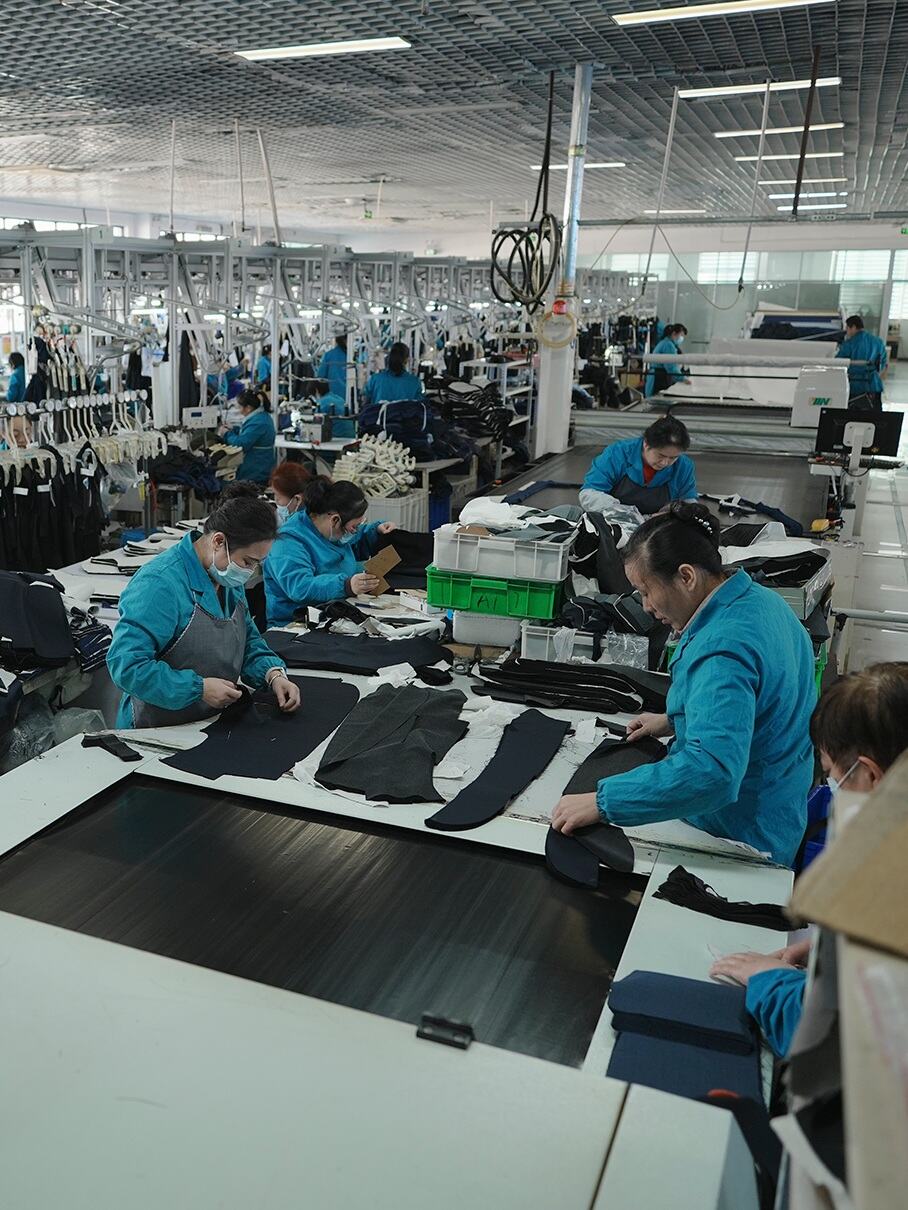
Wholesale custom suits production leverages fundamental economic principles where increased volume directly correlates with reduced per-unit manufacturing costs. Manufacturing facilities operating at higher capacity can distribute fixed costs such as equipment, facility overhead, and administrative expenses across larger production runs. When factories produce hundreds or thousands of wholesale custom suits simultaneously, the cost of specialized machinery, cutting equipment, and skilled labor gets divided among more units, significantly lowering the cost per garment.
The efficiency gains extend beyond simple mathematics, as production lines optimized for wholesale custom suits can implement standardized processes while maintaining customization options. Workers become more proficient when handling similar tasks repeatedly, reducing time per unit and minimizing material waste through improved precision. These operational improvements compound over time, creating sustainable cost advantages that benefit both manufacturers and customers seeking wholesale custom suits solutions.
Material Procurement Efficiencies
Raw material costs represent a substantial portion of wholesale custom suits production expenses, and bulk purchasing creates significant negotiating leverage with textile suppliers. Manufacturers producing wholesale custom suits in large quantities can secure preferential pricing on fabrics, linings, buttons, and other components through volume commitments. These material cost reductions directly impact the final unit price, as suppliers offer substantial discounts for guaranteed large orders compared to small-batch purchases.
Quality consistency also improves when materials are sourced in bulk for wholesale custom suits production, as manufacturers can ensure uniform fabric characteristics across entire production runs. This consistency reduces quality control complications and minimizes the risk of color variations or texture differences that could compromise the final product. Suppliers working with wholesale custom suits manufacturers often provide priority access to premium materials and new fabric innovations, creating additional value propositions beyond pure cost savings.
Customization Technology Integration
Digital Pattern Development Systems
Modern wholesale custom suits production incorporates advanced digital technologies that streamline the customization process while maintaining cost efficiency. Computer-aided design systems enable manufacturers to create precise patterns for individual measurements without the traditional time-intensive manual pattern-making processes. These digital solutions allow wholesale custom suits producers to accommodate thousands of unique size combinations while utilizing automated cutting systems that optimize fabric usage and reduce waste.
The integration of digital measurement systems with wholesale custom suits production workflows eliminates many traditional bottlenecks associated with custom garment manufacturing. Customers can provide measurements through online platforms or mobile applications, which then interface directly with production systems to generate cutting patterns. This technological integration reduces labor costs associated with manual measurement interpretation and pattern creation, allowing wholesale custom suits manufacturers to offer competitive pricing while maintaining high customization standards.
Automated Manufacturing Processes
Automation in wholesale custom suits production has revolutionized how manufacturers approach both efficiency and quality control. Computerized cutting systems can process multiple layers of fabric simultaneously while ensuring precise dimensions for each individual garment within a production batch. These systems significantly reduce material waste compared to manual cutting methods, as automated processes can optimize fabric layout to maximize usage efficiency across all wholesale custom suits in a production run.
Quality assurance becomes more consistent through automated processes in wholesale custom suits manufacturing, as machines maintain precise specifications without the variability inherent in manual operations. Automated stitching systems can handle complex design elements while maintaining consistent tension and stitch quality across large production volumes. This consistency reduces the need for extensive quality control inspections and rework, further contributing to overall cost reductions in wholesale custom suits production.
Supply Chain Optimization Strategies
Vertical Integration Benefits
Many wholesale custom suits manufacturers achieve significant cost reductions through vertical integration strategies that bring multiple production stages under direct control. By managing everything from fabric sourcing to final finishing operations, manufacturers can eliminate markup costs typically associated with multiple intermediaries in traditional supply chains. This integration allows wholesale custom suits producers to maintain tighter quality control while capturing profit margins that would otherwise be distributed among various suppliers and subcontractors.
Vertical integration in wholesale custom suits production also provides greater flexibility in managing production schedules and responding to customer demands. Manufacturers can adjust production priorities, allocate resources more efficiently, and implement process improvements across the entire value chain. This comprehensive control enables wholesale custom suits companies to optimize operations continuously, identifying and eliminating inefficiencies that contribute to higher unit costs in traditional manufacturing arrangements.
Strategic Partnership Development
Successful wholesale custom suits manufacturers cultivate long-term partnerships with suppliers, logistics providers, and technology vendors to create mutually beneficial cost reduction opportunities. These strategic relationships often result in preferential pricing, priority service, and collaborative innovation initiatives that benefit all parties involved. Wholesale custom suits producers working closely with fabric mills can develop exclusive materials or secure guaranteed supply allocations that provide competitive advantages while reducing procurement costs.
Partnership arrangements in wholesale custom suits production frequently include risk-sharing agreements where suppliers invest in specialized equipment or processes specifically designed to serve particular manufacturers. These arrangements can result in lower costs for wholesale custom suits producers while providing suppliers with guaranteed business volumes and stable revenue streams. The collaborative approach to cost management creates sustainable competitive advantages that traditional arms-length supplier relationships cannot achieve.
Market Dynamics and Pricing Strategies
Competitive Positioning Analysis
Understanding market positioning is crucial for wholesale custom suits manufacturers seeking to optimize pricing strategies while maintaining profitability. Companies that position themselves effectively in the wholesale custom suits market can command premium pricing for superior quality or unique customization capabilities while still offering attractive unit costs compared to retail alternatives. Market research and competitive analysis inform pricing decisions that balance cost reduction objectives with sustainable profit margins.
Successful wholesale custom suits producers often segment their markets based on customer requirements, order volumes, and customization complexity to develop tiered pricing strategies. This approach allows manufacturers to optimize production efficiency for different customer categories while ensuring that cost savings translate into competitive advantages. Companies producing wholesale custom suits can achieve better margins by focusing on high-volume customers while still serving smaller clients through efficient production planning and resource allocation.
Customer Relationship Management
Long-term customer relationships in wholesale custom suits business create opportunities for cost reduction through predictable demand patterns and collaborative planning initiatives. Manufacturers working with established clients can better forecast production requirements, optimize inventory management, and implement just-in-time manufacturing processes that reduce carrying costs. These relationships enable wholesale custom suits producers to invest in customer-specific improvements that benefit both parties through improved efficiency and reduced costs.
Customer loyalty programs and volume commitments in wholesale custom suits markets often result in mutual cost savings through shared efficiencies and reduced transaction costs. Manufacturers can offer attractive pricing to customers who provide predictable order volumes or commit to long-term purchasing agreements. These arrangements enable wholesale custom suits producers to plan production more effectively while customers benefit from guaranteed pricing and priority service that creates value beyond simple unit cost reductions.
Quality Management and Cost Control
Process Standardization Benefits
Implementing standardized processes across wholesale custom suits production operations creates significant cost reduction opportunities through improved efficiency and reduced variability. Standardization enables manufacturers to train workers more effectively, reduce setup times between production runs, and minimize quality issues that can lead to costly rework or customer returns. These process improvements in wholesale custom suits manufacturing translate directly into lower unit costs while maintaining or improving product quality standards.
Quality management systems specifically designed for wholesale custom suits production help manufacturers identify and eliminate sources of waste, defects, and inefficiency throughout their operations. Continuous improvement initiatives based on data-driven analysis can reveal opportunities for cost reduction that might not be apparent through casual observation. Wholesale custom suits manufacturers implementing robust quality management systems often achieve substantial cost savings while simultaneously improving customer satisfaction and product consistency.
Technology Investment Returns
Strategic technology investments in wholesale custom suits production equipment and systems typically generate substantial returns through improved efficiency and reduced labor costs. Modern manufacturing equipment designed specifically for custom garment production can process orders faster, with greater precision, and using fewer resources compared to traditional methods. These investments in wholesale custom suits production technology often pay for themselves within months through improved productivity and reduced operating costs.
Technology adoption in wholesale custom suits manufacturing extends beyond production equipment to include enterprise resource planning systems, customer relationship management platforms, and supply chain optimization tools. These integrated technology solutions enable manufacturers to optimize operations across all business functions, identifying cost reduction opportunities that might be missed when departments operate independently. Wholesale custom suits companies investing in comprehensive technology solutions often achieve competitive advantages that extend far beyond simple cost reductions.
FAQ
What minimum order quantities are typically required for wholesale custom suits cost benefits
Most wholesale custom suits manufacturers require minimum orders of 50-100 units to achieve significant cost reductions, though some companies may offer scaled pricing for smaller quantities. The exact threshold depends on the manufacturer's capacity, customization complexity, and production scheduling efficiency. Larger orders of 200+ units typically unlock the most substantial per-unit cost savings in wholesale custom suits production.
How do customization options affect wholesale custom suits pricing
Customization complexity directly impacts wholesale custom suits pricing, with basic alterations adding minimal cost while extensive modifications like unique patterns or specialized construction techniques can increase unit prices by 15-30%. However, even highly customized wholesale custom suits remain significantly less expensive than comparable retail custom tailoring when ordered in appropriate quantities.
What lead times should businesses expect for wholesale custom suits orders
Typical lead times for wholesale custom suits range from 3-8 weeks depending on order size, customization requirements, and manufacturer capacity. Rush orders may be accommodated for additional fees, while large orders or complex customizations may require extended timelines. Planning ahead and establishing regular ordering schedules with wholesale custom suits suppliers often results in more predictable delivery times and better pricing.
How do wholesale custom suits compare cost-wise to off-the-rack bulk purchases
Wholesale custom suits typically cost 20-40% more than comparable off-the-rack bulk purchases but provide superior fit, quality, and professional appearance that often justifies the price difference. The total cost of ownership may actually favor wholesale custom suits when considering factors like durability, employee satisfaction, and professional image enhancement for businesses requiring formal attire.
Table of Contents
- Economic Foundations of Bulk Manufacturing
- Customization Technology Integration
- Supply Chain Optimization Strategies
- Market Dynamics and Pricing Strategies
- Quality Management and Cost Control
-
FAQ
- What minimum order quantities are typically required for wholesale custom suits cost benefits
- How do customization options affect wholesale custom suits pricing
- What lead times should businesses expect for wholesale custom suits orders
- How do wholesale custom suits compare cost-wise to off-the-rack bulk purchases