
 EN


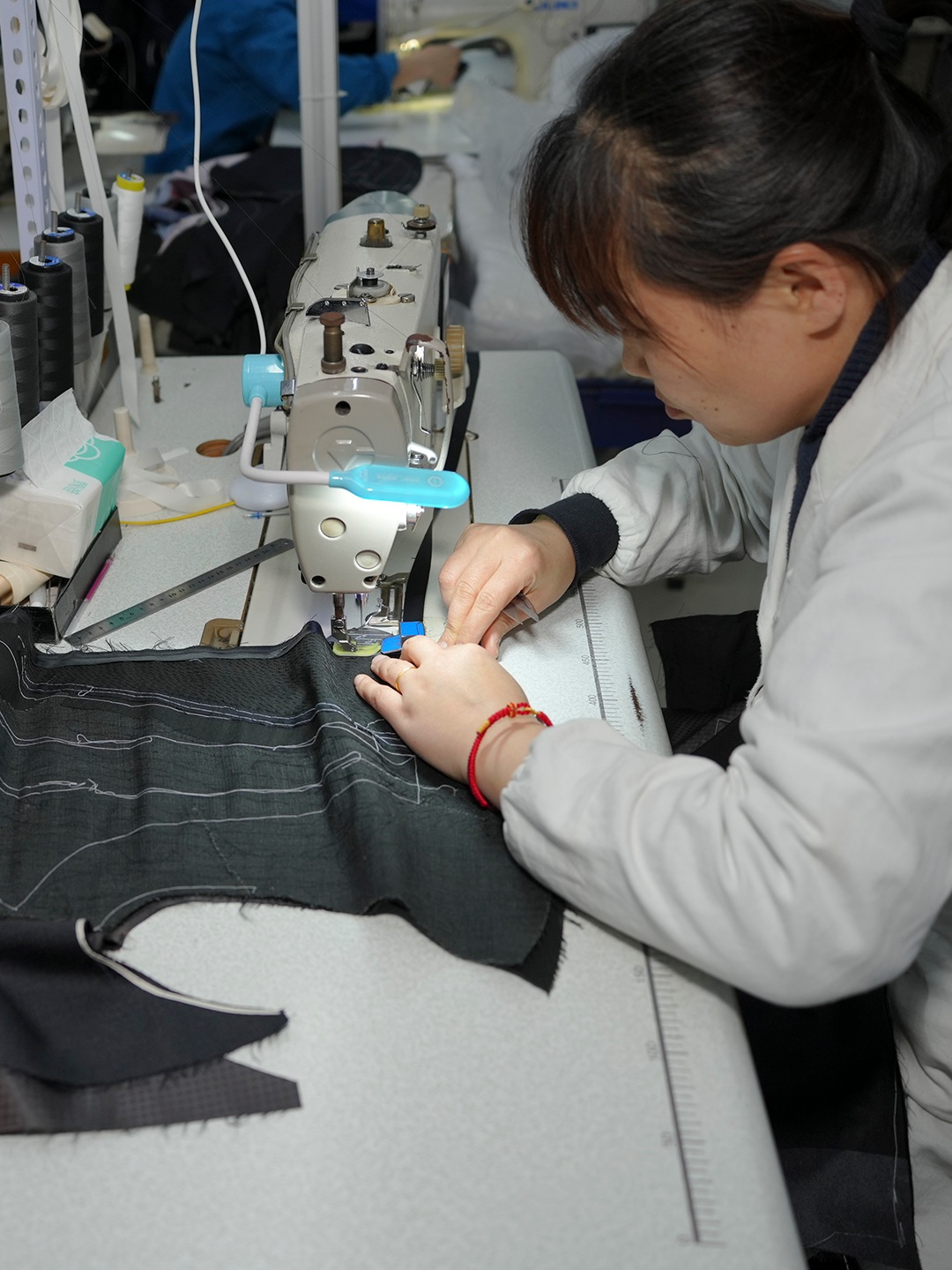
A successful clothing factory for mens suits must combine technical expertise, equipment sophistication, and operational discipline to deliver garments that meet the exacting standards of discerning customers. The mens suit market demands precision in every phase of production, from initial design interpretation through final quality inspection. Understanding what capabilities define a world-class clothing factory for mens suits helps buyers, retailers, and designers make informed partnership decisions. A clothing factory for mens suits that lacks critical production capabilities will struggle to compete on quality, consistency, and customer satisfaction.

The clothing factory for mens suits sector has evolved significantly over the past two decades, driven by rising quality expectations and global supply chain complexity. Modern buyers recognize that price alone cannot indicate factory capability. A clothing factory for mens suits must now integrate advanced technology with traditional craftsmanship to survive competitive pressures. This article explores the foundational and advanced capabilities that separate superior clothing factories for mens suits from mediocre operations.
Core Manufacturing Capabilities and Equipment
Precision Cutting Systems
Cutting accuracy directly impacts fabric yield, garment fit, and production efficiency at any clothing factory for mens suits. A professional clothing factory for mens suits must invest in automated or semi-automated cutting systems that can parse pattern markers with tolerance levels below 3 millimeters. Manual cutting, while sometimes still used in boutique operations, introduces human error that compounds through the supply chain. The best clothing factory for mens suits typically employs computerized cutting tables linked to design software, enabling rapid pattern adjustments and consistency across multiple production runs.
Pattern grading precision distinguishes a premium clothing factory for mens suits from standard producers. Grading must maintain proportional relationships across sizes without distorting the suit silhouette or pocket placement. A clothing factory for mens suits that invests in dedicated grading specialists and CAD-based pattern systems gains significant competitive advantage. This capability ensures that a size 38 regular and size 48 regular maintain the same visual proportion and wearability.
Advanced Stitching Technology
Stitching capability represents a defining characteristic of any reputable clothing factory for mens suits. Industrial sewing machines alone do not constitute sufficient capability; the factory must employ machinery specifically configured for suit construction, including specialized equipment for sleeve head attachment, lapel stitching, and buttonhole creation. A clothing factory for mens suits with programmable sewing stations can maintain stitch length uniformity, tension consistency, and seam placement accuracy across thousands of garments.
The top-tier clothing factory for mens suits maintains separate production lines for different construction phases. One dedicated line handles canvas and interlining attachment to jacket fronts, another manages seam construction and topstitching, and a third focuses on final assembly and finishing. This segmentation allows a clothing factory for mens suits to optimize labor efficiency while maintaining quality standards that customers expect from premium tailored garments.
Quality Control and Testing Infrastructure
Comprehensive Inspection Protocols
Quality control infrastructure separates a professional clothing factory for mens suits from operations that merely produce volume. A comprehensive clothing factory for mens suits should implement multi-stage inspection checkpoints beginning with fabric receipt and continuing through shipping. Incoming fabric inspection verifies thread count, weave density, color consistency, and absence of defects. A clothing factory for mens suits that skips this step often discovers problems only after cut components have entered production.
In-process inspection at a quality-focused clothing factory for mens suits occurs after major construction milestones. After jacket canvas attachment, inspectors verify that interlining sits flat without wrinkles and adhesive coverage reaches all required zones. After sleeve attachment, a clothing factory for mens suits checks sleeve pitch, cap height, and seam alignment. Final inspection at a professional clothing factory for mens suits includes buttonhole functionality, button attachment security, lining smoothness, and pocket construction. This layered approach prevents defects from advancing to subsequent production stages.
Measurement and Dimensional Validation
A clothing factory for mens suits must maintain detailed size specifications and regularly validate finished garment dimensions against approved standards. Jacket length, shoulder width, sleeve length, chest circumference, and button placement all require precise measurement systems. Many premium clothing factories for mens suits now employ digital measurement tools that compare finished garments against CAD specifications, flagging deviations immediately.
Fabric Sourcing and Material Management
Strategic Supplier Relationships
A clothing factory for mens suits cannot produce superior garments without access to quality fabrics. The best clothing factory for mens suits maintains direct relationships with established mills and fabric suppliers, securing consistent material from season to season. A clothing factory for mens suits with weak supplier relationships often faces fabric inconsistency problems that undermine quality and customer satisfaction. This involves regular communication with mills, participation in seasonal fabric previews, and collaborative specification of custom weaves.
Premium clothing factory for mens suits operations typically maintain stock of essential yarns, linings, and interfacing materials. This inventory capability allows a clothing factory for mens suits to respond quickly to customer requirements without negotiating extended lead times. A clothing factory for mens suits that can switch between wool gabardine, twill, and worsted suiting within days demonstrates superior operational control and buyer responsiveness.
Fabric Testing and Validation
The best clothing factory for mens suits conducts physical testing on incoming fabric lots to verify shrinkage rates, color fastness, and dimensional stability. A clothing factory for mens suits should document shrinkage results so that pattern cuts can be calibrated accordingly. If a fabric shrinks 2.5 percent in length and 1.8 percent in width, the clothing factory for mens suits must adjust cutting patterns to compensate, ensuring garments meet final size specifications after pressing and finishing.
Specialized Finishing and Assembly Capabilities
Hand-Finishing Expertise
A clothing factory for mens suits that distinguishes itself in the market typically combines machine efficiency with strategic hand-finishing work. Lapel edges, collar points, and jacket hem edges benefit from hand finishing that machines cannot replicate. The finest clothing factory for mens suits maintains teams of skilled finishers who shape lapels over pressing blocks, ensuring natural roll and precise point shapes. This human element cannot be outsourced or automated without degrading the garment's final appearance.
Pressing and Shaping Systems
Professional pressing capability defines a clothing factory for mens suits equipped for premium garment production. Industrial pressing equipment at a leading clothing factory for mens suits includes jacket presses, sleeve presses, and trouser presses calibrated to specific temperatures and pressures. A clothing factory for mens suits with advanced equipment prevents shine marks, fabric damage, and improper shape setting. The pressing stage also removes construction wrinkles and sets the garment silhouette permanently.
Regulatory Compliance and Documentation
Standards Compliance Infrastructure
A clothing factory for mens suits serving international markets must maintain compliance with labor standards, environmental regulations, and chemical safety requirements. Proper documentation at a clothing factory for mens suits includes worker safety protocols, chemical handling procedures, and waste management systems. A clothing factory for mens suits seeking business from major retailers or institutions must pass social audit and environmental compliance assessments.
Quality Documentation Systems
Modern buyers increasingly demand traceability from any clothing factory for mens suits partner. A clothing factory for mens suits should maintain production records, batch documentation, and quality inspection reports that can be retrieved months or years later. Digital traceability systems at a leading clothing factory for mens suits enable rapid investigation if quality issues arise after shipment. This documentation capability also supports continuous improvement initiatives and customer communication.
FAQ
What makes a clothing factory for mens suits different from a casual apparel factory?
A clothing factory for mens suits requires precision equipment, skilled labor, and quality control protocols that casual apparel factories typically lack. Suit construction involves interfacing, canvas attachment, detailed topstitching, and hand-finishing techniques that demand specialized expertise. A clothing factory for mens suits also maintains stricter dimensional tolerances and works with premium fabrics that require careful handling throughout production.
Can a clothing factory for mens suits handle custom or small-batch orders?
The best clothing factory for mens suits maintains flexibility for custom orders through modular production systems and skilled pattern-making resources. However, a clothing factory for mens suits optimized purely for mass production may struggle with small batches due to setup times and minimum order quantities. The ideal clothing factory for mens suits balances efficiency on larger runs while maintaining responsiveness to specialty requests.
How should buyers evaluate a clothing factory for mens suits before partnership?
Evaluate a clothing factory for mens suits through factory visits, sample assessments, reference checks, and detailed capability discussions. Request samples in your target fabrics and specifications, then assess construction quality, dimensional accuracy, and finishing details. Ask the clothing factory for mens suits about their equipment, staff training programs, quality certifications, and capacity. A credible clothing factory for mens suits will welcome detailed questions and provide verifiable references from established brands.