
 EN
EN



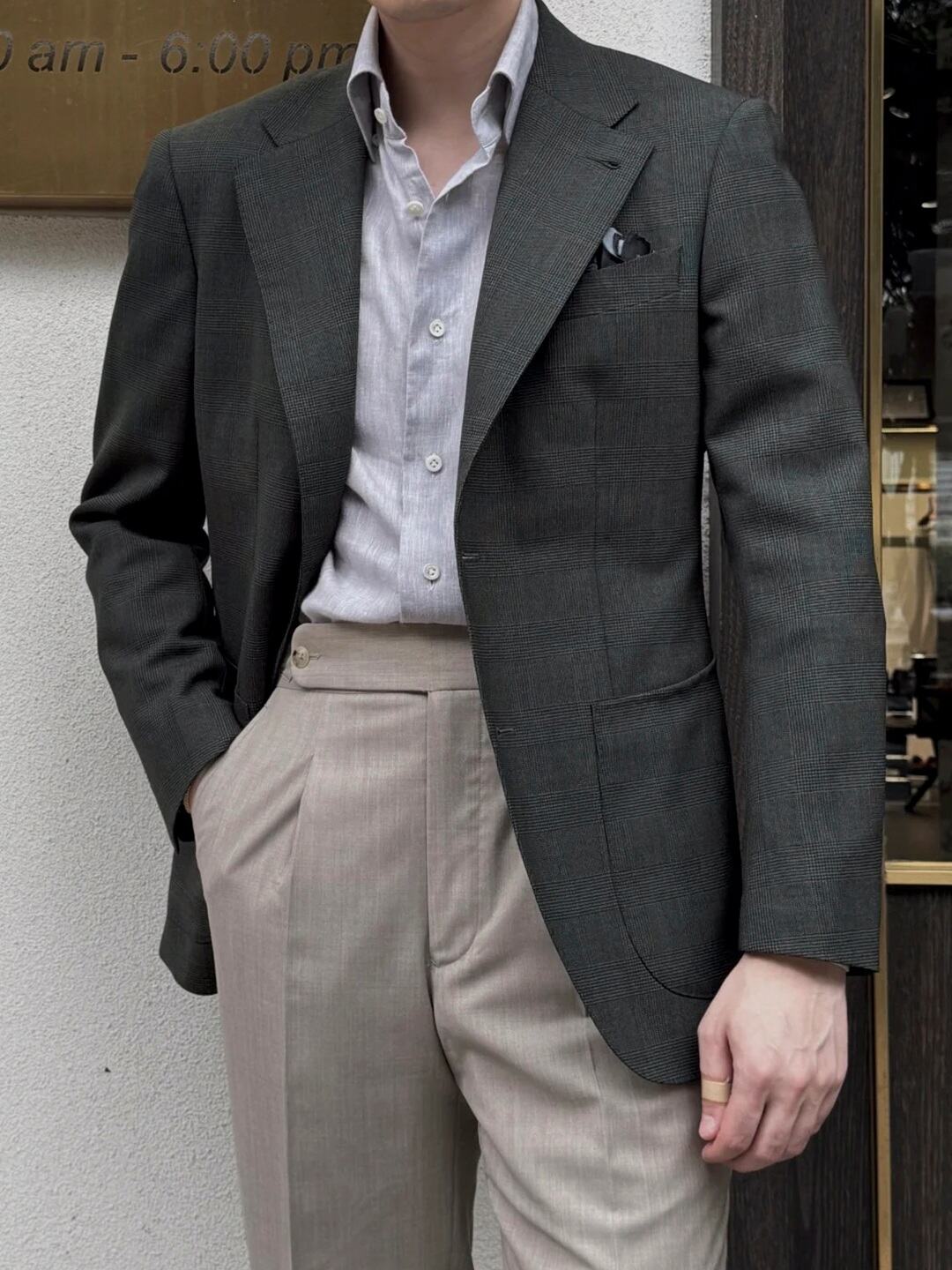
A well-structured formal suit serves as the cornerstone of professional attire, defining how business professionals present themselves in corporate environments. The art of selecting and wearing a formal suit extends beyond mere fashion choices, encompassing elements of craftsmanship, fit, and attention to detail that communicate competence and reliability. Understanding what constitutes a properly structured formal suit enables professionals to make informed decisions that enhance their professional image while ensuring comfort throughout demanding business days.
Essential Construction Elements of Professional Formal Wear
Canvas and Internal Structure Foundation
The internal structure of a formal suit determines its longevity and how it maintains shape over time. A properly constructed formal suit features a floating canvas that provides structure without restricting movement. This canvas construction allows the suit to conform to the wearer's body while maintaining crisp lines and professional appearance. Half-canvassed construction offers an excellent balance between quality and affordability, providing structure through the chest area where it matters most for silhouette maintenance.
Full canvas construction represents the pinnacle of formal suit craftsmanship, extending through the entire front panel of the jacket. This construction method allows the formal suit to develop character over time, molding to the wearer's body shape while maintaining structural integrity. The investment in properly constructed formal suits pays dividends through years of professional wear, as quality construction resists wrinkles and maintains appearance even after extensive use.
Fabric Selection and Quality Standards
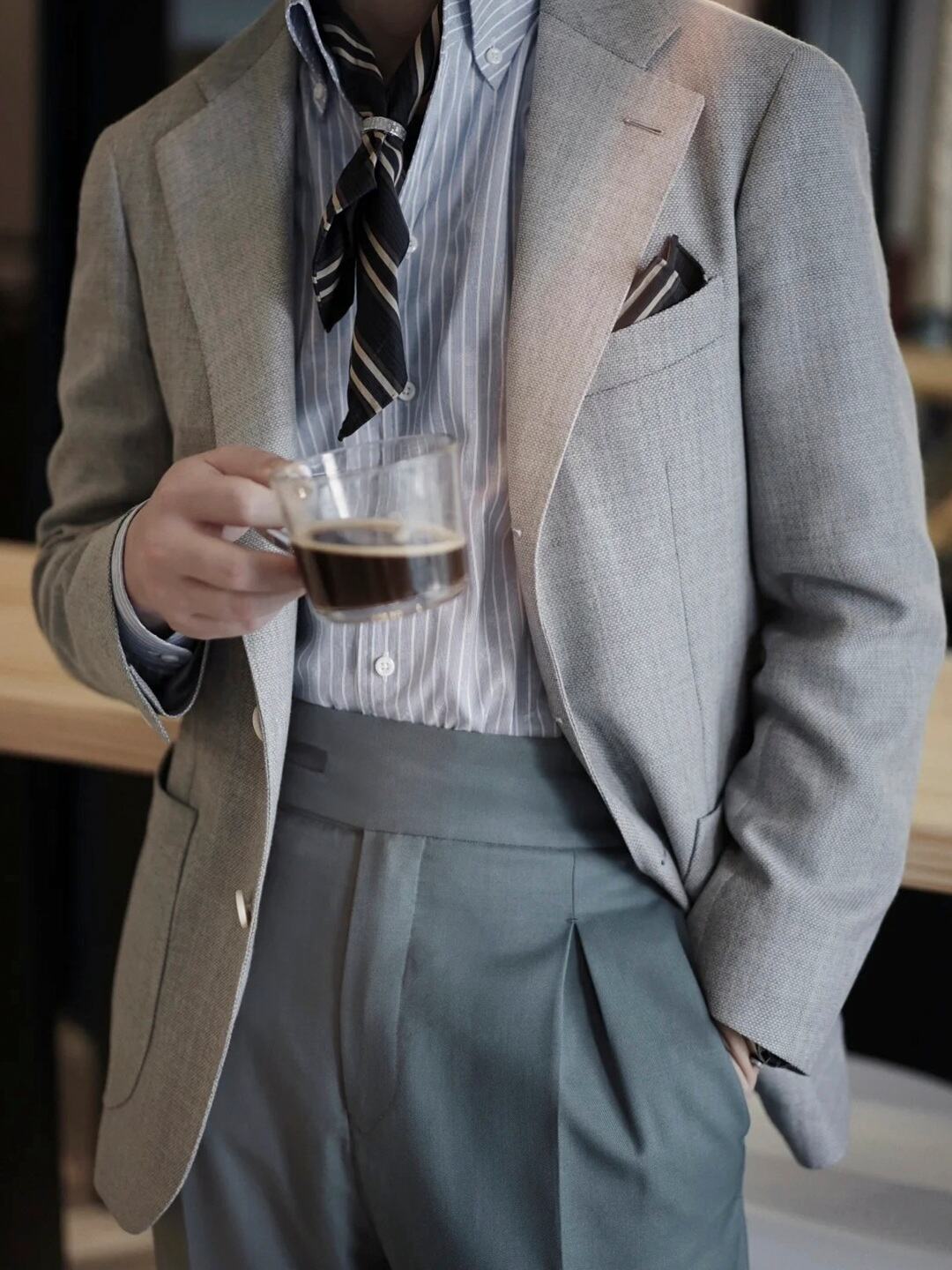
Premium fabrics form the foundation of exceptional formal suit construction, with wool serving as the gold standard for professional attire. Super 120s to Super 150s wool provides the ideal balance of durability, comfort, and appearance for business settings. These fabric grades offer sufficient weight to drape properly while maintaining breathability essential for all-day comfort. Natural fiber content in a formal suit ensures proper temperature regulation and moisture management during intensive business activities.
Seasonal considerations influence formal suit fabric selection, with heavier wool blends providing warmth during cooler months while lightweight fabrics offer comfort in warmer climates. Year-round fabrics in a formal suit collection ensure versatility across seasons without compromising professional appearance. The weave pattern, whether plain, twill, or herringbone, contributes to both visual interest and durability, making each formal suit suitable for specific professional contexts.
Fit and Tailoring Specifications
Jacket Proportions and Measurements
Precise measurements define the difference between an adequate and exceptional formal suit appearance. The jacket length should cover the seat while allowing approximately half an inch of shirt cuff to show beyond the sleeve. Shoulder width represents the most critical measurement, as improper shoulder fit cannot be adequately corrected through alterations. A well-fitted formal suit jacket allows comfortable arm movement without pulling or bunching across the back or chest areas.
Lapel width and button stance contribute significantly to the overall aesthetic of a formal suit. Classic lapel widths between 3.25 and 3.75 inches provide timeless appeal that transcends fashion trends. The button stance affects the jacket's visual proportions, with higher button placement creating a more contemporary appearance while lower placement offers traditional styling. These details collectively determine whether a formal suit projects authority and sophistication in professional settings.
Trouser Construction and Fit Standards
Properly fitted trousers complete the formal suit ensemble, with precise measurements ensuring comfort and professional appearance throughout the business day. The trouser waist should sit comfortably at the natural waistline, neither too tight nor loose enough to require constant adjustment. Proper rise measurements in a formal suit accommodate various body types while maintaining classic proportions that complement the jacket's styling.
Trouser length requires careful attention to achieve the correct break over the shoe. A slight break, where the trouser hem just touches the shoe, provides the most versatile and professional appearance for a formal suit. Hem width and taper contribute to the overall silhouette, with moderate tapering creating a streamlined appearance without appearing trendy or dated. Quality trouser construction includes proper lining and finishing details that enhance durability and comfort.
Color Coordination and Professional Standards
Classic Color Foundations
Navy blue and charcoal gray represent the most versatile colors for a formal suit wardrobe, providing appropriate options for virtually every business occasion. These colors offer the flexibility to pair with various shirt and tie combinations while maintaining professional appropriateness across industries. A navy formal suit particularly excels in versatility, transitioning seamlessly from boardroom meetings to evening business functions.
Black formal suits serve specific purposes within professional wardrobes, primarily for evening events and formal occasions rather than daily business wear. The formality level of black makes it less versatile than navy or charcoal options, though it remains essential for certain professional contexts. Understanding when each color is appropriate ensures proper formal suit selection for specific business requirements and industry expectations.
Pattern Integration and Professional Appeal
Subtle patterns in a formal suit can add visual interest without compromising professional appropriateness. Pinstripes create a classic and authoritative appearance, particularly effective for professionals in finance, law, and executive roles. The stripe width and spacing should remain conservative, with narrow stripes providing the most versatile and timeless appeal for formal suit applications.
Textural patterns like herringbone or subtle checks offer alternatives to solid colors while maintaining professional standards. These patterns work particularly well in formal suit construction using quality fabrics, as the texture becomes more apparent and sophisticated. Pattern selection should complement the wearer's professional environment and personal style preferences while ensuring appropriateness for business settings.
Accessories and Complementary Elements
Shirt Selection and Coordination
The foundation shirt worn beneath a formal suit significantly impacts the overall professional appearance. White and light blue dress shirts provide the most versatile options, offering clean backgrounds that allow the formal suit to remain the focal point. Collar styles should complement the formal suit's lapel proportions, with spread collars accommodating wider ties while point collars work well with narrower neckwear options.
Fabric quality in dress shirts matches the importance of formal suit construction, with premium cotton providing comfort, durability, and appropriate appearance. The shirt fit should complement the formal suit's tailoring, neither too tight nor loose enough to create bulk beneath the jacket. Proper sleeve length ensures the appropriate amount of cuff shows beyond the formal suit jacket, creating visual balance and attention to detail.
Footwear and Leather Goods Coordination
Quality leather shoes complete the formal suit ensemble, with classic styles like oxfords and cap-toes providing appropriate formality levels for business settings. Shoe color coordination with belt and other leather accessories creates visual coherence that enhances the overall formal suit presentation. Black shoes pair universally with formal suits, while brown options offer versatility with navy and gray suits in less formal business environments.
Leather quality and shoe construction should match the investment level of the formal suit, as inferior footwear can diminish the overall professional impact. Regular shoe maintenance ensures longevity and continued appropriate appearance, protecting the investment in both footwear and formal suit wardrobes. Quality leather goods including belts, briefcases, and watches should coordinate to create a cohesive professional image.
Care and Maintenance Standards
Proper Storage Techniques
Appropriate storage preserves the structure and appearance of a formal suit between wears, extending its professional lifespan significantly. Quality wooden hangers with proper shoulder support prevent distortion and maintain jacket shape. Cedar elements in storage areas provide moisture control and natural pest deterrence, protecting valuable formal suit investments from environmental damage.
Rotation between multiple formal suits prevents excessive wear on individual pieces while ensuring consistent professional appearance. Proper spacing in closet storage prevents wrinkles and allows air circulation around each formal suit. Garment bags provide additional protection during travel or long-term storage, maintaining the quality and appearance of formal suit investments.
Professional Cleaning and Maintenance
Regular professional cleaning maintains the appearance and longevity of a formal suit without causing excessive wear from over-cleaning. Quality dry cleaning services understand proper formal suit care techniques, including pressing methods that preserve construction details. Spot cleaning and minor repairs address issues promptly, preventing minor problems from becoming major formal suit maintenance concerns.
Seasonal maintenance routines ensure formal suits remain ready for professional use throughout the year. Professional pressing between seasons removes storage wrinkles and refreshes appearance. Minor alterations address fit changes over time, ensuring continued appropriate appearance and comfort in formal suit wear for business settings.
FAQ
How often should a formal suit be professionally cleaned
A formal suit should be professionally cleaned every 4-6 wears or when visible soil occurs, depending on wear conditions and environmental factors. Over-cleaning can damage fabric fibers and construction details, while under-cleaning allows odors and stains to set permanently. Quality formal suits benefit from professional cleaning that includes proper pressing techniques to maintain structure and appearance.
What distinguishes a well-constructed formal suit from mass-produced alternatives
Well-constructed formal suits feature internal canvas construction, premium fabrics, and detailed hand-finishing that mass-produced alternatives typically lack. The canvas provides structure and allows the formal suit to conform to the wearer's body over time. Superior construction techniques ensure durability, better fit, and professional appearance that justifies the investment in quality formal suit options.
Can formal suit alterations achieve proper fit from ready-to-wear options
Professional alterations can significantly improve formal suit fit from ready-to-wear options, though certain measurements like shoulder width have limited adjustment possibilities. Trouser length, jacket sleeves, and waist suppression can be modified effectively by skilled tailors. A properly altered formal suit from quality ready-to-wear can achieve excellent fit and professional appearance when alterations are performed by experienced professionals.
What seasonal considerations affect formal suit selection for business wear
Seasonal formal suit selection involves fabric weight, color appropriateness, and construction details suited to climate conditions. Lighter weight fabrics in formal suits provide comfort during warmer months while heavier constructions offer warmth in cooler weather. Year-round formal suit options in medium-weight fabrics provide versatility across seasons while maintaining professional appearance standards in various business environments.