
 EN
EN



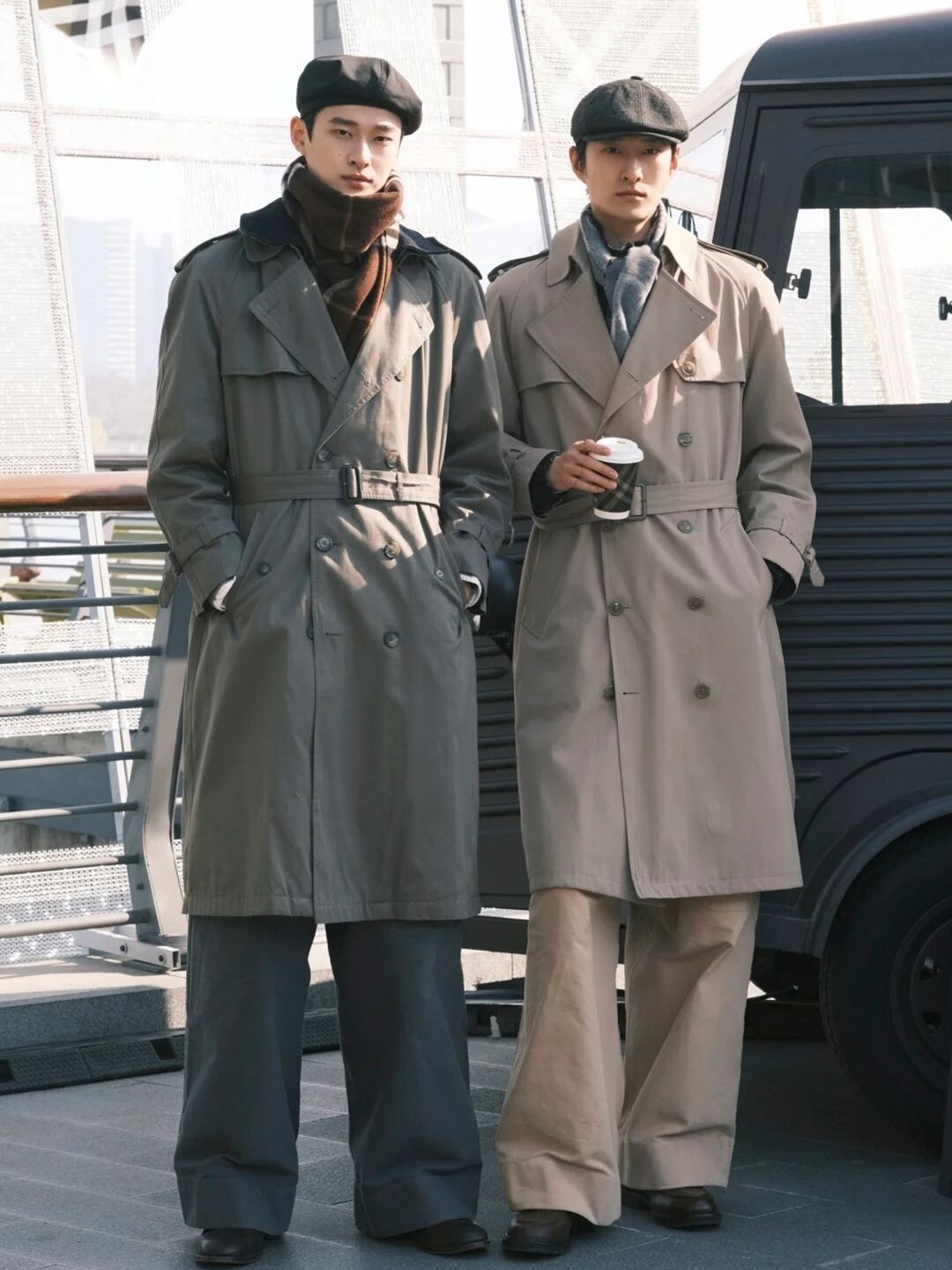
When the temperatures start to shift — not quite cold enough for a heavy overcoat, yet too brisk for just a light layer — trench coats become the essential transitional garment. These structured, versatile outerwear pieces have remained a staple in both professional and casual wardrobes for generations. But not all trench coats perform equally well in spring and autumn. The secret to a truly functional and stylish transitional coat often lies in one critical decision: fabric selection. The right material can mean the difference between a coat that breathes comfortably on a mild afternoon and one that leaves you feeling clammy or cold by sunset.
Understanding which fabrics work best for trench coats worn during spring and autumn requires a closer look at what these seasons actually demand from a garment. Both seasons are defined by temperature variability, occasional rain, wind, and shifting light levels throughout the day. A well-chosen fabric will accommodate layering, resist light moisture, maintain its shape, and offer a refined drape that suits both outdoor and indoor environments. This article breaks down the most suitable fabrics for transitional-season trench coats, explains how each material performs, and helps you make a more informed decision the next time you invest in a new coat.
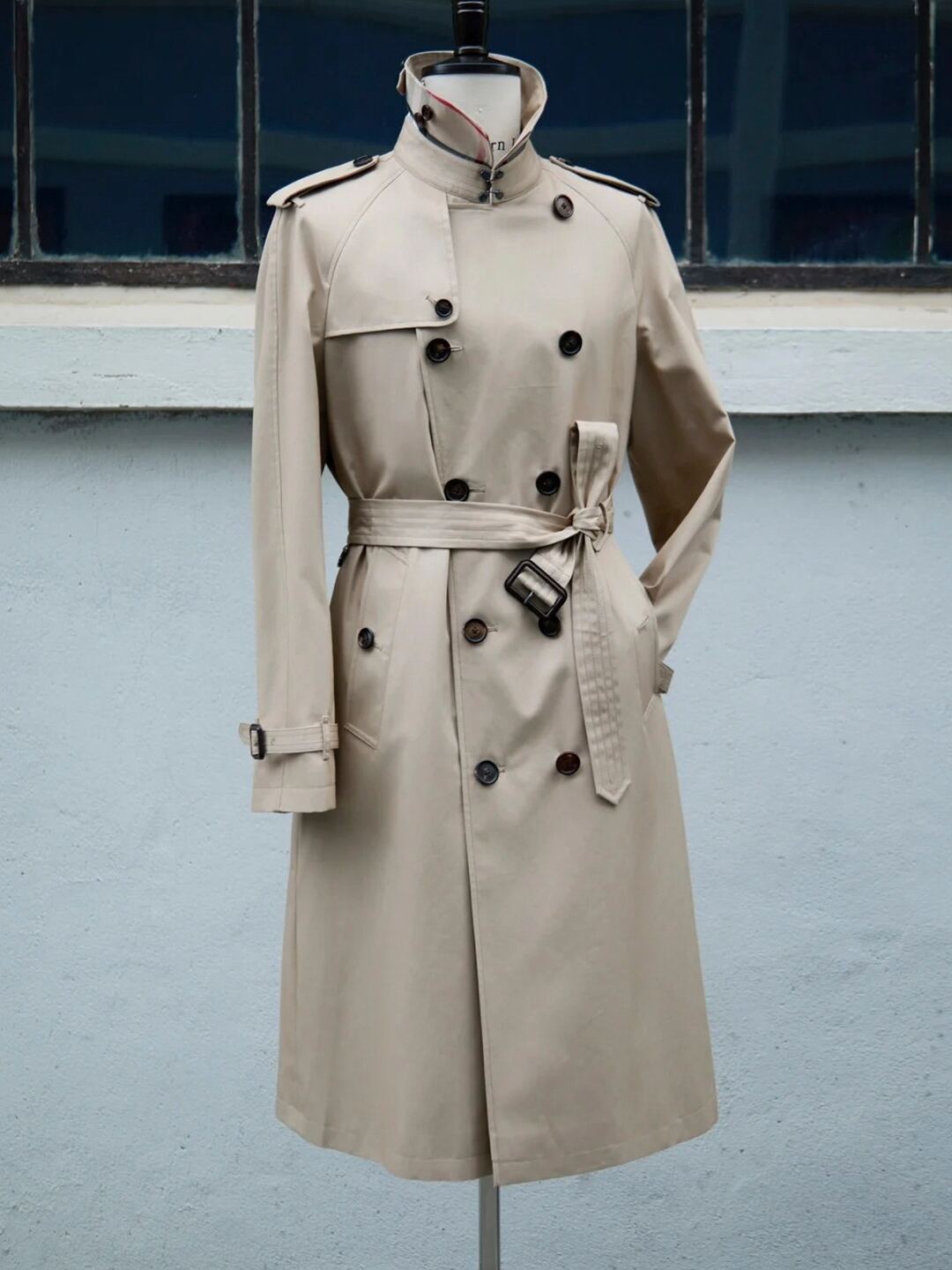
Why Fabric Choice Matters So Much for Transitional Season Trench Coats
The Unique Climate Demands of Spring and Autumn
Spring and autumn are the most unpredictable seasons in most climates. Mornings may be cool and damp, midday temperatures can rise noticeably, and evenings often drop again. This temperature swing within a single day places significant demands on outerwear. Trench coats designed for these seasons need to handle that variability without becoming a burden to carry or wear. Fabrics that are too heavy trap heat uncomfortably, while fabrics that are too light fail to provide meaningful insulation when the wind picks up.
In addition to temperature regulation, spring and autumn are both associated with elevated rainfall, particularly in temperate climates. A fabric's ability to resist light moisture — or at least dry quickly when wet — becomes a practical consideration, not merely an aesthetic one. The best fabrics for transitional-season trench coats balance breathability with a degree of weather resistance, without requiring heavy technical finishes that might compromise the coat's refined appearance.
How Fabric Affects Drape, Structure, and Longevity
Beyond climate performance, fabric selection directly shapes how a trench coat looks and moves on the body. The classic silhouette of trench coats — belted at the waist, structured at the shoulders, with clean lapels — depends heavily on a fabric that holds its form without being stiff. Fabrics that are too fluid lose the structured definition that gives a trench coat its authority. Fabrics that are too rigid restrict movement and create an unflattering silhouette.
Durability is another factor influenced by fabric choice. Spring and autumn wardrobes often see heavy rotation, with coats worn daily for weeks at a stretch. Fabrics with tight weave constructions or natural fiber blends tend to wear better over time, resisting pilling, deformation, and fading. Investing in a high-quality fabric from the outset means your trench coats will maintain their appearance season after season, justifying the upfront cost and reducing the frequency of replacement.
Cotton and Cotton Blends: The Classic Choice for Trench Coats
Why Traditional Cotton Gabardine Remains a Top Fabric
Cotton gabardine is arguably the most historically associated fabric with trench coats, and for very good reason. Gabardine is a tightly woven twill fabric that creates a smooth, diagonal rib surface. This tight weave gives the fabric a natural degree of water resistance, as the structure of the cloth itself slows moisture penetration. At the same time, gabardine breathes well enough to prevent overheating during mild spring afternoons, making it genuinely versatile.
The weight of cotton gabardine — typically medium-weight — is ideal for both spring and autumn. It provides enough body to maintain the clean lines of trench coats without adding bulk. The fabric also responds well to tailoring, which is why it has been a favored choice for structured outerwear for over a century. When maintained properly, a cotton gabardine trench coat retains its appearance through years of wear and multiple seasons of use.
Cotton-Polyester Blends for Enhanced Practicality
While pure cotton gabardine is excellent, cotton-polyester blends have become increasingly popular for modern trench coats. The addition of polyester fibers improves the fabric's dimensional stability — it holds its shape more reliably after washing, resists wrinkles more effectively, and dries faster after exposure to rain. For professionals who rely on their trench coat for daily commuting or business travel, these practical advantages are highly appealing.
The trade-off with cotton-polyester blends is a slight reduction in breathability compared to pure natural fibers. However, when the polyester content remains below 40%, breathability is generally preserved well enough for comfortable wear in spring and early autumn temperatures. The key is finding a blend that retains the natural feel and visual appeal of cotton while benefiting from the performance characteristics that polyester provides to trench coats.
Wool and Wool Blends: Premium Warmth for Cooler Transitional Days
Lightweight Wool for Autumn Trench Coats
As autumn temperatures begin to drop more noticeably, lightweight wool becomes an excellent fabric choice for trench coats. Wool's natural insulating properties trap a thin layer of warm air close to the body, providing meaningful warmth even in relatively thin constructions. Unlike synthetic insulation, wool achieves this warmth without requiring excessive bulk, which means a wool trench coat can retain the slim, structured silhouette that defines the style.
Merino wool, in particular, has become a preferred option for elevated trench coats intended for autumn wear. Merino fibers are finer than standard wool, producing a softer fabric that sits comfortably against the skin without any of the traditional itchiness associated with coarser wool types. The natural elasticity of merino also contributes to excellent shape retention, so the coat maintains its structure throughout the day even with repeated wear. For those seeking a premium, sophisticated autumn trench, merino wool is difficult to surpass.
Wool-Cashmere and Wool-Polyester Blends
Wool-cashmere blends represent the upper tier of fabric options for luxury trench coats intended for cooler transitional seasons. Cashmere introduces exceptional softness and a refined surface texture, while the wool base provides structure and durability. These blends are particularly well-suited to autumn, when temperatures can be genuinely cold and a coat needs to provide real warmth without the visual heaviness of a full overcoat.
Wool-polyester blends, on the other hand, offer a more accessible price point while still delivering strong performance. The polyester component in these fabrics improves crease resistance, reduces shrinkage, and adds durability to the surface of the cloth. For everyday-wear trench coats that will face regular use in variable autumn conditions, this blend strikes a practical balance between comfort, appearance, and resilience.
Velvet, Structured Crepe, and Specialty Fabrics for Distinctive Trench Coats
Velvet Details and Velvet-Trimmed Trench Coats
Full velvet is rarely used as the primary fabric for functional trench coats because of its vulnerability to moisture and its tendency to crush under everyday wear conditions. However, velvet used as an accent or trim element — most notably on collars — adds extraordinary visual richness to a coat. A wool or cotton trench coat with velvet collar detailing elevates the garment's aesthetic from functional outerwear to a genuinely distinguished piece of tailoring.
This design tradition draws directly from classic menswear, particularly the Chesterfield coat lineage, in which a velvet collar serves as the defining mark of refinement. Velvet's dense pile catches light differently from the body fabric, creating a contrast that is at once subtle and unmistakably luxurious. A trench coats design that incorporates velvet collar detailing on a structured wool or wool-blend body captures this heritage beautifully, offering both seasonal practicality and elevated style. The combination suits both late spring evenings and the early weeks of autumn when a degree of formality is called for.
Structured Crepe and Technical Fabrics
Structured crepe — a fabric with a slightly crinkled surface texture achieved through specific yarn twisting or weave techniques — has found a place in contemporary trench coats designed for spring. Crepe fabrics are typically lightweight, drape beautifully, and resist wrinkling naturally. For spring trench coats worn in warmer climates or during the milder weeks of the season, crepe offers a refined look without the heavier weight of traditional gabardine or wool.
Technical fabrics — such as tightly woven nylon blends or treated microfiber constructions — are increasingly present in modern trench coats positioned for outdoor or travel use. These fabrics prioritize water resistance, packability, and lightweight wear. While they may not always match the aesthetic refinement of natural fiber options, advances in fabric development have produced technical weaves that closely approximate the visual quality of traditional outerwear materials. For buyers who need a spring trench coat that can reliably handle unexpected rain, these fabrics offer compelling performance advantages.
How to Match Fabric to Your Specific Trench Coat Use Case
Fabric Selection Based on Lifestyle and Wearing Context
The best fabric for your trench coats depends significantly on how and where you plan to wear it. For urban professionals commuting daily in variable weather, a cotton-polyester gabardine offers the best combination of appearance, practicality, and ease of care. The fabric handles light rain without immediate saturation, dries reasonably quickly, and maintains a polished look through the rigors of daily commuting. These considerations make it a highly practical choice for spring and early autumn wear in city environments.
For those who prioritize elegance and wearing their coat to formal or semi-formal settings, a lightweight wool or wool blend — particularly one with velvet collar detailing — delivers far greater visual impact. The texture and drape of fine wool elevate trench coats from practical outerwear to a statement piece. This choice is especially compelling for autumn, when the richness of wool's appearance feels naturally aligned with the season's aesthetic sensibility.
Layering Compatibility and Silhouette Considerations
Both spring and autumn require layering, which means the interior dimensions and fabric flexibility of your trench coat must accommodate additional clothing underneath. Overly stiff fabrics can restrict movement when worn over a suit jacket or thick knitwear. Medium-weight fabrics with a degree of natural stretch or good drape — such as fine wool, cotton gabardine, or structured crepe — allow for comfortable layering without distorting the outer silhouette of the coat.
The lining fabric of trench coats also plays a role in seasonal comfort. A smooth satin or viscose lining reduces friction when sliding the coat on over layers, while a quilted or padded lining can add just enough warmth for cooler autumn days. Considering lining alongside outer fabric choice ensures that your trench coats perform at their best across the full range of spring and autumn conditions you are likely to encounter.
FAQ
What is the most practical fabric for a spring trench coat?
Cotton gabardine is widely considered the most practical fabric for spring trench coats. Its tight weave offers light water resistance, while its breathability keeps you comfortable on warmer days. Cotton-polyester blends also perform well, adding wrinkle resistance and faster drying times without sacrificing the refined appearance that defines classic trench coats.
Are wool trench coats suitable for spring, or only for autumn?
Lightweight wool trench coats — particularly those made from fine merino or thin wool blends — can be worn comfortably during the cooler days of late spring. However, heavier wool constructions are better suited to autumn and early winter. The key is to assess the fabric weight: a wool trench coat in the 200–280 grams per square meter range is generally appropriate for both transitional seasons in temperate climates.
Do velvet collar details affect the functionality of a trench coat?
Velvet collar details are primarily a design and aesthetic element rather than a functional feature. They do not significantly impact the coat's weather resistance or insulation properties. However, velvet trims require more careful maintenance — they should be kept away from prolonged moisture and brushed regularly to maintain the pile's appearance. For wearers who invest in a fine trench coat with velvet detailing, the visual refinement it adds is well worth the modest additional care required.
How do I care for transitional season trench coats made from natural fibers?
Natural fiber trench coats — whether cotton, wool, or blends — generally benefit from professional dry cleaning rather than machine washing, particularly for structured styles. Hanging the coat on a wide-shouldered hanger after each wear allows the fabric to breathe and recover its shape. Spot-cleaning minor marks promptly prevents them from setting, and seasonal storage in a breathable garment bag protects natural fibers from dust and moths between seasons. Proper care ensures that your trench coats maintain their structure and appearance across many years of use.
Table of Contents
- Why Fabric Choice Matters So Much for Transitional Season Trench Coats
- Cotton and Cotton Blends: The Classic Choice for Trench Coats
- Wool and Wool Blends: Premium Warmth for Cooler Transitional Days
- Velvet, Structured Crepe, and Specialty Fabrics for Distinctive Trench Coats
- How to Match Fabric to Your Specific Trench Coat Use Case
- FAQ