
 EN
EN



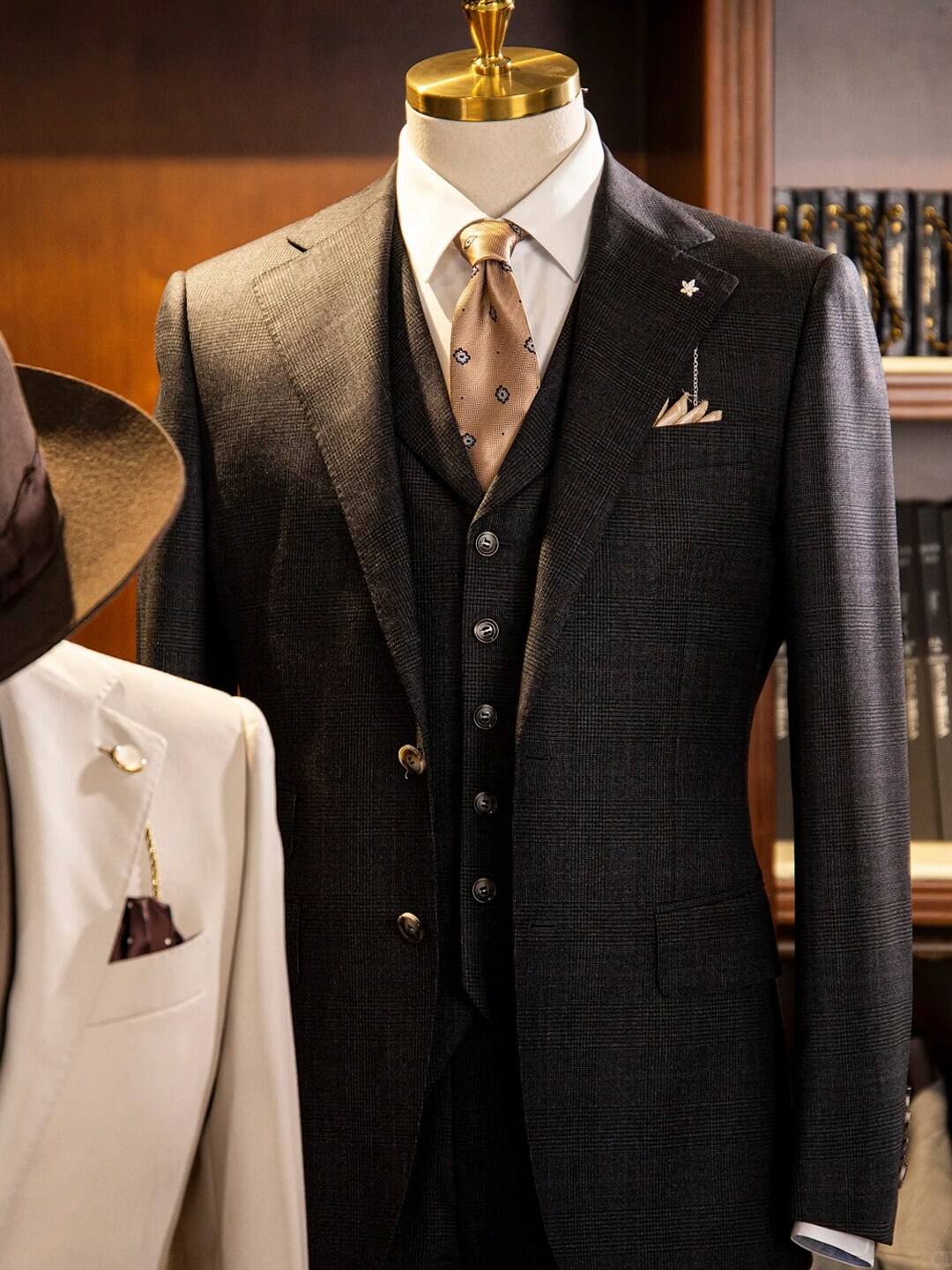
Κατά την επιλογή ενός επαγγελματικού σουίτ για καθημερινή χρήση, τα χαρακτηριστικά που δίνετε προτεραιότητα επηρεάζουν άμεσα την άνεσή σας, την εμφάνισή σας και τη μακροπρόθεσμη ικανοποίησή σας από την επένδυσή σας. Ένα καλά επιλεγμένο επαγγελματικό σουίτ αποτελεί το θεμέλιο των επαγγελματικών γκαρνταρόμπων, ενώ απαιτεί προσεκτική εξέταση της ποιότητας του υφάσματος, των μεθόδων κατασκευής, των χαρακτηριστικών της φιτάρισης και των στοιχείων σχεδιασμού που υποστηρίζουν τόσο την οπτική ελκυστικότητα όσο και την πρακτική λειτουργικότητα καθ’ όλη τη διάρκεια απαιτητικών εργάσιμων ημερών.
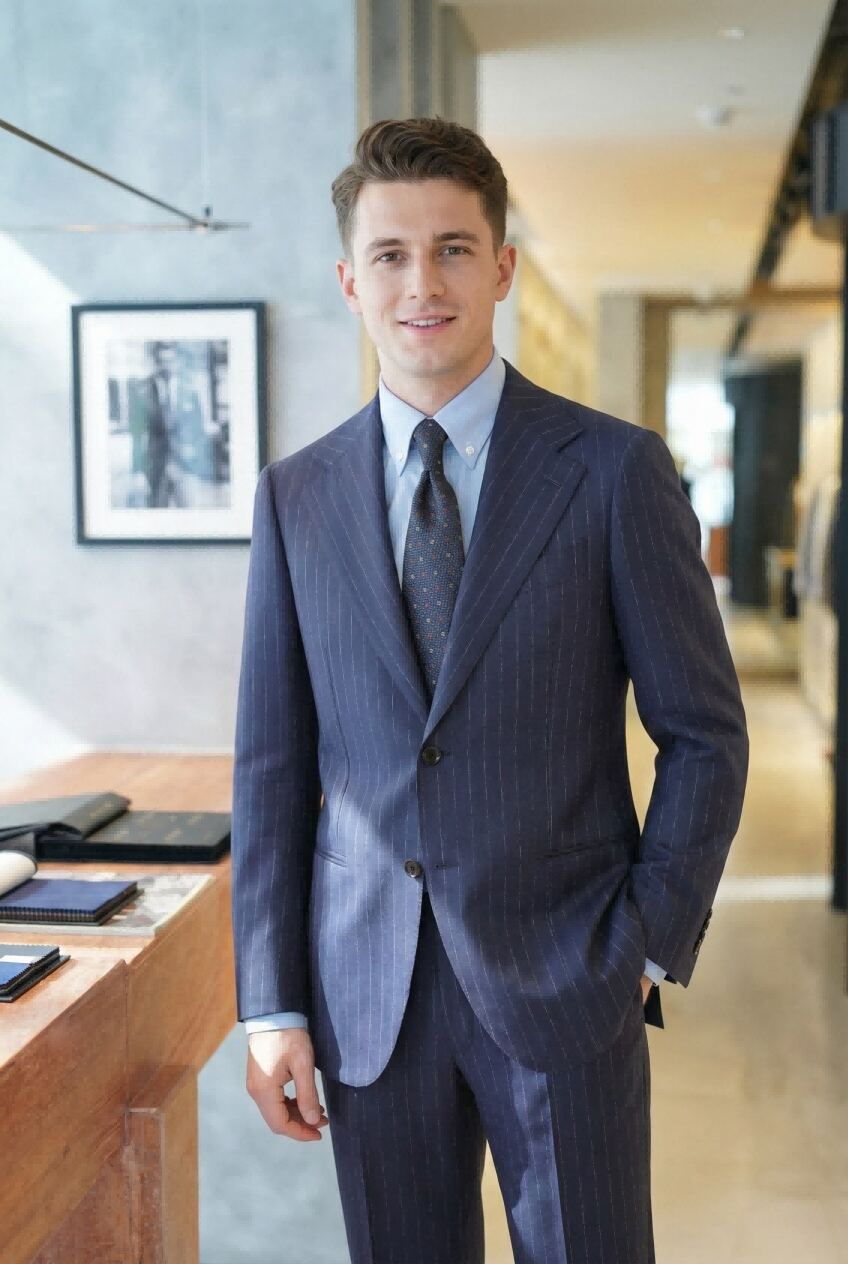
Οι πιο κρίσιμα σημαντικές λειτουργίες ενός επαγγελματικού κοστούμιου για καθημερινή χρήση αφορούν την ανθεκτικότητα, την άνεση, την πολυλειτουργικότητα και τα πρότυπα επαγγελματικής παρουσίασης. Σε αντίθεση με τα επίσημα ενδύματα που φοριούνται περιστασιακά, ένα επαγγελματικό κοστούμι που προορίζεται για συχνή χρήση πρέπει να αντέχει σε συχνή φόρεση, κύκλους καθαρισμού και διάφορες περιβαλλοντικές συνθήκες, διατηρώντας παράλληλα τη δομή και την εμφάνισή του. Η κατανόηση των συγκεκριμένων λειτουργιών που προσφέρουν τη μεγαλύτερη αξία για τις καθημερινές επαγγελματικές απαιτήσεις επιτρέπει ενημερωμένες αποφάσεις αγοράς, οι οποίες μεγιστοποιούν τόσο την άμεση ικανοποίηση όσο και τη μακροπρόθεσμη απόδοση του ρουχισμού.
Ποιότητα και σύνθεση του υφάσματος
Πλεονεκτήματα των φυσικών ινών στα επαγγελματικά κοστούμια για καθημερινή χρήση
Η σύνθεση του υφάσματος της επαγγελματικής σας σουίτας καθορίζει ουσιαστικά την απόδοσή της σε πολλά κριτήρια καθημερινής χρήσης. Οι επαγγελματικές σουίτες από καθαρό μαλλί προσφέρουν ανώτερη αναπνευστικότητα, φυσική αντίσταση στις ρυτίδες και ρύθμιση της θερμοκρασίας, τα οποία δυσκολεύεται να αντισταθμίσουν οι συνθετικές εναλλακτικές λύσεις. Τα υψηλής ποιότητας μαλλί έχουν φυσικά ιδιότητες απορρόφησης της υγρασίας από το σώμα, ενώ επιτρέπουν την κυκλοφορία του αέρα, προλαμβάνοντας έτσι τη δυσφορία και τα προβλήματα εμφάνισης που συνδέονται με τα συνθετικά υλικά κατά τη διάρκεια μακρών εργάσιμων ημερών.
Η φυσική ελαστικότητα του μαλλιού επιτρέπει στην επαγγελματική σουίτα να διατηρεί το σχήμα της καθ’ όλη τη διάρκεια εκτεταμένων περιόδων φόρεσης, ενώ ανακάμπτει αποτελεσματικότερα από τις πτυχώσεις σε σύγκριση με τα συνθετικά μείγματα. Η δομή των ινών προσφέρει επίσης φυσική αντίσταση στη δημιουργία οσμών, επιτρέποντας στη σουίτα να παραμένει φρέσκια μεταξύ των καθαρισμών. Για εφαρμογές καθημερινής χρήσης, τα μαλλιά βάρους 240–300 γραμμαρίων ανά μέτρο προσφέρουν τη βέλτιστη ισορροπία ανάμεσα σε ανθεκτικότητα και άνεση, καλύπτοντας τις εποχιακές μεταβολές.
Οι επαγγελματικές υφαντικές ύλες υψηλής ποιότητας συχνά περιλαμβάνουν συγκεκριμένες τεχνικές ύφανσης που βελτιώνουν την απόδοση κατά την καθημερινή χρήση. Οι ονομασίες μαλλιού «Super 120s» έως «Super 150s» υποδηλώνουν τη λεπτότητα των ινών, με τους υψηλότερους αριθμούς να προσφέρουν αυξημένη μαλακότητα και ποιότητα ροής. Ωστόσο, για τη συνηθισμένη επαγγελματική χρήση, το μαλλί «Super 120s» έως «Super 130s» προσφέρει την ιδανική ισορροπία μεταξύ πολυτελούς αισθήματος και πρακτικής αντοχής.
Παράγοντες που πρέπει να ληφθούν υπόψη κατά την ανάμειξη υφασμάτων για βελτιωμένη αντοχή
Η στρατηγική ανάμειξη υφασμάτων μπορεί να ενισχύσει συγκεκριμένα χαρακτηριστικά απόδοσης που είναι σημαντικά για την καθημερινή φόρεση επαγγελματικού σακακιού. Μικρά ποσοστά ελαστάνη ή λάικρα, συνήθως 2–5%, προσδίδουν ελαστικότητα και ανάκαμψη που διατηρούν την εφαρμογή καθ’ όλη τη διάρκεια ενεργητικών εργασιακών ημερών, εμποδίζοντας ταυτόχρονα τη μόνιμη παραμόρφωση σε σημεία υψηλής έντασης, όπως τα γόνατα και οι αγκώνες. Η ενσωμάτωση αυτής της ελαστικότητας αποδεικνύεται ιδιαίτερα χρήσιμη για επαγγελματίες που περνούν σημαντικό χρόνο καθιστοί, περπατώντας ή συμμετέχοντας σε διάφορες φυσικές δραστηριότητες.
Οι μείξεις μαλλιού-πολυεστέρα, όταν είναι κατάλληλα αναλογικές με το μαλλί να αποτελεί τουλάχιστον 70% της σύνθεσης, μπορούν να προσφέρουν βελτιωμένη αντοχή στις ρυτίδες και ευκολότερη φροντίδα. Ωστόσο, το ποσοστό πολυεστέρα πρέπει να παραμένει ελάχιστο, προκειμένου να διατηρηθεί η ανώτερη αεροδιαπερατότητα και ο φυσικός χαρακτήρας του μαλλιού, οι οποίοι καθορίζουν την απόδοση ενός ποιοτικού επαγγελματικού σακακιού.
Το μοτίβο ύφανσης επηρεάζει σημαντικά τη λειτουργικότητα για καθημερινή χρήση: οι απλές ύφανσεις προσφέρουν μέγιστη αντοχή για συχνή χρήση, ενώ οι ύφανσεις τουίλ προσδίδουν βελτιωμένη ροή (drape) και οπτικό ενδιαφέρον. Επίσης, οι εποχιακές εξετάσεις επηρεάζουν την ιδανική επιλογή υφάσματος, με ελαφρύτερα βάρη και πιο χαλαρές ύφανσεις να ενισχύουν την άνεση κατά τους θερμότερους μήνες.
Ποιότητα Κατασκευής και Δομικά Χαρακτηριστικά
Μέθοδοι Κατασκευής Κανβά
Η εσωτερική κατασκευή ενός επαγγελματικού σουίτ καθορίζει τη διάρκειά του, την ικανότητά του να διατηρεί το σχήμα του και τη συνολική εμπειρία φόρεσής του κατά την καθημερινή επαγγελματική χρήση. Η κατασκευή με πλήρες canvas αποτελεί το προνομιακό πρότυπο, χρησιμοποιώντας στρώματα canvas από τρίχες αλόγου και μαλλί μεταξύ του εξωτερικού υφάσματος και του εσωτερικού επενδύσματος για να δημιουργήσει δομή χωρίς σκληρότητα. Αυτή η μέθοδος κατασκευής επιτρέπει στο επαγγελματικό σουίτ να προσαρμόζεται στο σώμα σας με τον καιρό, διατηρώντας παράλληλα το επιθυμητό περίγραμμά του.
Η κατασκευή με ημι-canvas προσφέρει μια πρακτική συμβιβαστική λύση για επαγγελματικά σουίτ καθημερινής χρήσης, παρέχοντας δομημένες περιοχές στο στήθος και στις πέτσες, ενώ χρησιμοποιεί συγκολλημένες μεθόδους στις κατώτερες περιοχές. Αυτή η προσέγγιση προσφέρει πολλά από τα πλεονεκτήματα της κατασκευής με πλήρες canvas, διατηρώντας ταυτόχρονα πιο προσιτές τιμές για τις συνήθεις ανάγκες ενός επαγγελματικού γκαρνταρόμπ. Το canvas στο στήθος εμποδίζει τον σχηματισμό φυσαλίδων και την παραμόρφωση που συνήθως επηρεάζει τα σουίτ με συγκολλημένη κατασκευή μετά από επανειλημμένη φόρεση και κύκλους καθαρισμού.
Τα επιπλέοντα στοιχεία του στήθους, οι ποδιές με χειροποίητη επένδυση και οι κατάλληλες μέθοδοι σύνδεσης του καμβά διακρίνουν την ανώτερη κατασκευή επαγγελματικών κοστουμιών από τις μαζικά παραγόμενες εναλλακτικές λύσεις. Αυτά τα χαρακτηριστικά διασφαλίζουν ότι το κοστούμι διατηρεί την προβλεπόμενη εμφάνισή του και τις χαρακτηριστικές του άνεσης καθ’ όλη τη διάρκεια εκτεταμένης καθημερινής χρήσης, αποτρέποντας την κατάρρευση και την παραμόρφωση που επηρεάζουν αρνητικά την επαγγελματική εμφάνιση με την πάροδο του χρόνου.
Λεπτομέρειες ραφών και ενίσχυσης
Η ποιότητα της κατασκευής των ραφών επηρεάζει άμεσα την αντοχή του επαγγελματικού κοστουμιού υπό συνθήκες καθημερινής χρήσης. Οι ραφές με χειροποίητη επεξεργασία προσφέρουν ανώτερη αντοχή και ευελιξία σε σύγκριση με τις αποκλειστικά μηχανικές εναλλακτικές λύσεις, ιδιαίτερα σε περιοχές υψηλής τάσης, όπως οι μασχάλες, οι πλευρικές ραφές και τα σημεία τάσης των παντελονιών. Οι γαλλικές ραφές και άλλες ενισχυμένες μέθοδοι κατασκευής αποτρέπουν την αποφλοίωση και τον διαχωρισμό κατά τους κανονικούς κύκλους φόρτωσης.
Κατάλληλη εφαρμογή ενδοεπένδυσης σε όλο το επαγγελματικό σουίτ η δομή διασφαλίζει την ενιαία διατήρηση του σχήματος χωρίς να δημιουργούνται σκληρές περιοχές που περιορίζουν την κίνηση ή την άνεση. Η κατασκευή του γιακά, η ενίσχυση των κουμπιών και η ενσωμάτωση των τσέπων απαιτούν ειδικές τεχνικές που υποστηρίζουν την καθημερινή λειτουργικότητα, διατηρώντας παράλληλα τα πρότυπα οπτικής εμφάνισης που αναμένονται σε επαγγελματικά περιβάλλοντα.
Η ποιότητα της επιλογής του νήματος και η πυκνότητα του ραψίματος επηρεάζουν τη μακροπρόθεσμη απόδοση υπό συνθήκες συνεχούς τάσης. Τα επαγγελματικά ρούχα υψηλής ποιότητας χρησιμοποιούν προδιαγραφές νήματος που αντιστοιχούν στα χαρακτηριστικά του υφάσματος, παρέχοντας ταυτόχρονα επαρκή αντοχή για επαναλαμβανόμενη φόρεση, καθαρισμό και χειρισμό, όπως απαιτείται στην καθημερινή επαγγελματική χρήση.
Χαρακτηριστικά Κατασκευής και Διασφάλισης Άνεσης
Προσαρμοσμένες Αναλογίες για Καθημερινή Κίνηση
Η κατάλληλη φθορά αποτελεί το πιο κρίσιμο χαρακτηριστικό που επηρεάζει την ικανοποίηση από την καθημερινή χρήση ενός επαγγελματικού σουτς, καθώς ακόμη και υψηλής ποιότητας υλικά και κατασκευή δεν μπορούν να αντισταθμίσουν μια κακή αναλογική σχέση. Το μπλεζέ πρέπει να προσφέρει επαρκή χώρο στο στήθος για φυσιολογική αναπνοή και κίνηση των χεριών, διατηρώντας ταυτόχρονα μια καθαρή σιλουέτα που μεταδίδει επαγγελματική επάρκεια. Η φθορά στους ώμους αποδεικνύεται ιδιαίτερα κρίσιμη, καθώς αυτή η περιοχή δεν μπορεί να τροποποιηθεί σημαντικά μετά την αγορά.
Το μήκος των μανικιών, το μήκος του μπλεζ και οι αναλογίες των παντελονιών πρέπει να συντονίζονται για να δημιουργούν οπτική αρμονία, ενώ υποστηρίζουν την πρακτική λειτουργικότητα κατά τη διάρκεια διαφόρων καθημερινών δραστηριοτήτων. Το επαγγελματικό σουτς πρέπει να επιτρέπει τα φυσιολογικά εύρη κίνησης χωρίς να τραβιέται, να περιορίζει την κίνηση ή να δημιουργεί περιττό ύφασμα που θα επηρεάζει την εμφάνιση ή την άνεση κατά τη διάρκεια μακρόχρονης φόρεσης.
Η σύγχρονη κοπή επαγγελματικού σουίτ περιλαμβάνει ελαφρές προσαρμογές του σχήματος που βελτιώνουν την άνεση χωρίς να θυσιάζουν τα παραδοσιακά πρότυπα επαγγελματικής εμφάνισης. Αυτές οι τροποποιήσεις περιλαμβάνουν τη στρατηγική τοποθέτηση ελευθερίας κίνησης, ανθρωπομετρικά προσαρμοσμένες ραφές και προσαρμογές των αναλογιών, οι οποίες ανταποκρίνονται στις απαιτήσεις του σύγχρονου χώρου εργασίας, διατηρώντας παράλληλα την κλασική αισθητική του επαγγελματικού σουίτ.
Τεχνολογίες Ενίσχυσης Ευκολίας
Οι προηγμένες σχεδιαστικές λύσεις επαγγελματικού σουίτ ενσωματώνουν χαρακτηριστικά άνεσης που υποστηρίζουν τη φόρεσή τους καθ’ όλη τη διάρκεια της ημέρας, χωρίς να θυσιάζουν τα πρότυπα επαγγελματικής εμφάνισης. Η στρατηγική ενσωμάτωση ελαστικών πανέλ, βελτιωμένα συστήματα επένδυσης και ανθρωπομετρικά προσαρμοσμένες μέθοδοι κατασκευής ενισχύουν την ικανοποίηση κατά την καθημερινή χρήση, διατηρώντας παράλληλα την παραδοσιακή αισθητική και τις αναλογίες του σουίτ.
Υλικά εσωτερικής επένδυσης με ικανότητα απορρόφησης υγρασίας και χαρακτηριστικά εξαερισμού βοηθούν στη ρύθμιση της θερμοκρασίας του σώματος κατά τη διάρκεια απαιτητικών εργάσιμων ημερών, προλαμβάνοντας τη δυσφορία και προβλήματα εμφάνισης που σχετίζονται με τον ανεπαρκή έλεγχο του κλίματος. Αυτές οι τεχνικές βελτιώσεις αποδεικνύονται ιδιαίτερα χρήσιμες για επαγγελματίες που εκτίθενται σε διαφορετικές κλιματικές συνθήκες ή σε υψηλά επίπεδα φυσικής δραστηριότητας κατά την καθημερινή φόρεση του κοστούμιου.
Καινοτόμα σχέδια επαγγελματικών κοστουμιών μπορεί να περιλαμβάνουν κρυφές ζώνες ελαστικότητας, βελτιωμένη κατασκευή των μανικιών και άλλες τροποποιήσεις που επικεντρώνονται στην άνεση, ενισχύοντας την καθημερινή εμπειρία φόρεσης χωρίς ορατή θυσία της παραδοσιακής εμφάνισης του κοστούμιου. Αυτά τα χαρακτηριστικά υποστηρίζουν την εκτεταμένη φόρεση, διατηρώντας παράλληλα τα επαγγελματικά πρότυπα που απαιτούνται σε επιχειρηματικά περιβάλλοντα.
Πολυλειτουργικότητα και Χαρακτηριστικά Στιλ
Πολυλειτουργικότητα Χρωμάτων και Μοτίβων
Η επιλογή χρώματος του επαγγελματικού σας κοστουμιού για καθημερινή χρήση επηρεάζει σημαντικά την ευελιξία του σε διάφορες επαγγελματικές καταστάσεις και σύμφωνα με τις εποχιακές απαιτήσεις. Τα κοστούμια επαγγελματικής χρήσης σε ναυτικό μπλε προσφέρουν τη μέγιστη ευελιξία, συνδυάζοντας αποτελεσματικά με σχεδόν κάθε συνδυασμό πουκαμίσου και γραβάτας, ενώ διατηρούν το κατάλληλο επίπεδο επισημότητας για διάφορα επαγγελματικά πλαίσια. Αυτή η επιλογή χρώματος υποστηρίζει εκτεταμένες δυνατότητες ανάμειξης ενδυμάτων, ενώ προβάλλει συνεχώς επαγγελματική επάρκεια.
Το ανθρακογκριζο (charcoal gray) προσφέρει παρόμοια ευελιξία, με ελαφρώς διαφορετικά αισθητικά χαρακτηριστικά, προσφέροντας επίσης σοφιστικές επιλογές εμφάνισης που λειτουργούν αποτελεσματικά σε όλες τις εποχές και σε διάφορα επαγγελματικά περιβάλλοντα. Οι αποχρώσεις μεσαίου γκρι επεκτείνουν τις δυνατότητες στυλισμού, ενώ διατηρούν το κατάλληλο επίπεδο επισημότητας για επαγγελματική χρήση καθημερινά.
Οι εξετάσεις σχετικά με τα μοτίβα για καθημερινή φόρεση επαγγελματικού σουτ σκοπεύουν να προτιμούν απαλά σχέδια που ενισχύουν το οπτικό ενδιαφέρον χωρίς να υπερβαίνουν τα επαγγελματικά πρότυπα εμφάνισης. Λεπτές ρίγες, απαλοί τετραγωνικοί συνδυασμοί και μοτίβα με ελάχιστη υφή μπορούν να προσθέσουν σοφιστικέισιον, διατηρώντας παράλληλα ευρεία συμβατότητα με τα υπάρχοντα στοιχεία του γκαρνταρόμπ και με διάφορα επαγγελματικά πλαίσια.
Χαρακτηριστικά Εποχιακής Προσαρμοστικότητας
Η δυνατότητα φόρεσης καθ’ όλο το έτος αυξάνει την πρακτική αξία της επενδύσεως σε ένα καθημερινό επαγγελματικό σουτ, απαιτώντας προσεκτική εξέταση του βάρους του υφάσματος, του βάθους του χρώματος και των χαρακτηριστικών κατασκευής που λειτουργούν αποτελεσματικά σε όλες τις εποχιακές μεταβολές. Τα υφάσματα μεσαίου βάρους προσφέρουν το καλύτερο συμβιβασμό για εκτεταμένη εποχιακή χρήση, παρέχοντας άνεση κατά τους θερμότερους μήνες, ενώ διατηρούν επαρκή θερμότητα κατά τη διάρκεια των ψυχρότερων περιόδων.
Η συμβατότητα σε στρώματα επιτρέπει την προσαρμογή της επαγγελματικής κοστούμας σε διάφορες συνθήκες θερμοκρασίας μέσω στρατηγικής επιλογής πουκαμίσου, εσωτερικού πουκαμίσου και αξεσουάρ. Η κατασκευή της κοστούμας πρέπει να επιτρέπει τις συνήθεις απαιτήσεις στρωμάτωσης χωρίς να θιγεί η φορεσιμότητα ή οι οπτικές ιδιότητες που είναι απαραίτητες για τα πρότυπα επαγγελματικής παρουσίασης.
Η προσαρμοστικότητα του χρώματος κατά τις διάφορες εποχές επηρεάζει την καθημερινή χρησιμότητα της επαγγελματικής κοστούμας, καθώς οι βαθύτεροι τόνοι παρέχουν γενικά καλύτερη πολυετή ευελιξία σε σύγκριση με τους ελαφρύτερους εποχιακούς τόνους, οι οποίοι ενδέχεται να φαίνονται ακατάλληλοι κατά τη διάρκεια ορισμένων περιόδων. Η επιλεγμένη επαγγελματική κοστούμα πρέπει να διασφαλίζει συνεχή επαγγελματική εμφάνιση, ανεξάρτητα από τις εποχιακές προσαρμογές του γκαρνταρόμπ ή τις περιβαλλοντικές συνθήκες.
Χαρακτηριστικά φροντίδας και συντήρησης
Απαιτήσεις Καθαρισμού και Φροντίδας
Οι απαιτήσεις φροντίδας του επαγγελματικού σας κοστουμιού επηρεάζουν άμεσα την πρακτική του καταλληλότητα για καθημερινή επαγγελματική χρήση, επηρεάζοντας τόσο το κόστος συντήρησης όσο και τους παράγοντες ευκολίας που επηρεάζουν τα μοτίβα της τακτικής χρήσης. Τα επαγγελματικά κοστούμια υψηλής ποιότητας από μαλλί απαιτούν συνήθως επαγγελματικό στέγνωμα για να διατηρηθεί η εμφάνισή τους και η δομική τους ακεραιότητα, αν και η συχνότητα εξαρτάται από τον τρόπο φόρεσης και από περιβαλλοντικούς παράγοντες.
Οι χαρακτηριστικές ιδιότητες αντίστασης σε κηλίδες διαφέρουν σημαντικά μεταξύ διαφόρων επεξεργασιών υφασμάτων και συνθέσεων ινών, επηρεάζοντας την ικανότητα του κοστουμιού να διατηρεί επαγγελματική εμφάνιση μεταξύ των κύκλων καθαρισμού. Ορισμένα σύγχρονα υφάσματα επαγγελματικών κοστουμιών περιλαμβάνουν προστατευτικές επεξεργασίες που αντιστέκονται σε συνηθισμένες κηλίδες, διατηρώντας παράλληλα τις φυσικές ιδιότητες του υφάσματος, οι οποίες είναι απαραίτητες για την άνεση και την εμφάνιση.
Οι κατάλληλες πρακτικές αποθήκευσης και περιστροφής επεκτείνουν τη διάρκεια ζωής των επαγγελματικών σουτς, διατηρώντας παράλληλα την ετοιμότητά τους για καθημερινή χρήση. Τα ποιοτικά κρεμάστρα, η επαρκής εξαερισμός και οι κατάλληλες συνθήκες αποθήκευσης διατηρούν τα χαρακτηριστικά του υφάσματος και τη δομική ακεραιότητα μεταξύ των κύκλων φόρεσης, υποστηρίζοντας συνεπείς προδιαγραφές επαγγελματικής εμφάνισης.
Παράγοντες Αντοχής και Μακροζωίας
Τα χαρακτηριστικά μακροπρόθεσμης αντοχής δικαιολογούν το κόστος επένδυσης σε επαγγελματικά σούτς, ενώ διασφαλίζουν συνεπή επαγγελματική εμφάνιση κατά τη διάρκεια εκτεταμένων περιόδων φόρεσης. Οι μέθοδοι κατασκευής υψηλής ποιότητας, τα προνομιούχα υλικά και οι κατάλληλες πρακτικές φροντίδας συνδυάζονται για να παρέχουν χρόνια αξιόπιστης καθημερινής απόδοσης, διατηρώντας τις επαγγελματικές προδιαγραφές σε όλη τη διάρκεια ζωής του σούτς.
Η αντίσταση στη φθορά από χρήση σε περιοχές υψηλής καταπόνησης, όπως τα γόνατα των παντελονιών, οι αγκώνες των μπλεζέρ και οι περιοχές των κουμπιών, δείχνει ανώτερη ποιότητα κατασκευής που ανταποκρίνεται στις απαιτήσεις της καθημερινής χρήσης ενός επαγγελματικού σουτ, ενώ οι τεχνικές ενίσχυσης και η επιλογή υλικών σε αυτά τα κρίσιμα σημεία εμποδίζουν την πρόωρη αποτυχία, διατηρώντας παράλληλα τη συνολική ακεραιότητα του σουτ κατά τους κανονικούς κύκλους χρήσης.
Η ικανότητα ενός επαγγελματικού σουτ να διατηρεί τα αρχικά του χαρακτηριστικά εμφάνισης μετά από πολλαπλούς κύκλους καθαρισμού και φόρεμα αποδεικνύει μια ποιότητα κατασκευής που δικαιολογεί την επένδυση σε καθημερινή χρήση. Τα ανώτερης ποιότητας σουτ διατηρούν το σχήμα, το χρώμα και την υφή τους, διασφαλίζοντας τη διατήρηση των επαγγελματικών προτύπων εμφάνισης σε όλη τη διάρκεια της προβλεπόμενης χρήσης τους.
Συχνές Ερωτήσεις
Πόσο συχνά πρέπει να καθαρίζω στεγνά το επαγγελματικό μου σουτ για καθημερινή χρήση;
Για καθημερινή φόρεση επαγγελματικού σουίτ, η επαγγελματική στεγνή καθαριστική ανά 6–8 φορές διατηρεί τη βέλτιστη εμφάνιση και την υγεία του υφάσματος, παρόλο που αυτή η συχνότητα μπορεί να επεκταθεί σε 10–12 φορές με κατάλληλη εναλλαγή, αποθήκευση και εφαρμογή στοχευμένης καθαριστικής αντιμετώπισης. Η υπερβολική καθαριστική επεξεργασία μπορεί να ζημιώσει φυσικές ίνες, ενώ η υποκαθαριστική επεξεργασία επιτρέπει τη συσσώρευση λερωμάτων και οσμών, με αποτέλεσμα την υποβάθμιση της επαγγελματικής εμφάνισης.
Ποια είναι η διαφορά μεταξύ κατασκευής με ημι-κανβά και πλήρη κανβά για καθημερινή φόρεση;
Τα επαγγελματικά σουίτ με ημι-κανβά προσφέρουν δομημένες περιοχές στο στήθος και τις λαπέλ, με ενωμένα κατώτερα τμήματα, προσφέροντας εξαιρετική απόδοση για καθημερινή χρήση σε μεσαίες τιμές. Η κατασκευή με πλήρη κανβά προσφέρει ανώτερη διατήρηση του σχήματος και μεγαλύτερη διάρκεια ζωής, αλλά με υψηλότερο κόστος, καθιστώντας την κατασκευή με ημι-κανβά την πρακτική επιλογή για την πλειονότητα των καθημερινών επαγγελματικών σουίτ χωρίς σημαντική μείωση της απόδοσης.
Να επιλέξω διαδύματο ή τριμερές επαγγελματικό σουίτ για καθημερινή επαγγελματική φόρεση;
Τα δίρροπα επαγγελματικά σύνολα προσφέρουν μεγαλύτερη ευελιξία και άνεση για καθημερινή χρήση, επιτρέποντας τη χωριστή χρήση της μπλάζερ και των παντελονιών, ενώ πληρούν τις περισσότερες επαγγελματικές απαιτήσεις ενδυμασίας. Τα τρίρροπα σύνολα προσφέρουν επιπλέον επιλογές επίσημης εμφάνισης, αλλά απαιτούν περισσότερη συντονισμένη φροντίδα και ενδέχεται να είναι υπερβολικά για τυπικά καθημερινά επαγγελματικά περιβάλλοντα, καθιστώντας έτσι τα δίρροπα σύνολα πιο πρακτικά για τη συνήθη επαγγελματική χρήση.
Πόσα επαγγελματικά σύνολα χρειάζομαι για συνήθη επαγγελματική χρήση;
Ένα ελάχιστο από τρία υψηλής ποιότητας επαγγελματικά σύνολα επιτρέπει κατάλληλη εναλλαγή, προκειμένου να διατηρηθεί η διάρκεια ζωής των ενδυμάτων και να διασφαλίζεται συνεχώς επαγγελματική εμφάνιση. Αυτός ο αριθμός επιτρέπει να «ξεκουράζεται» ένα σύνολο μεταξύ των φορών, ενώ ένα άλλο καθαρίζεται, αποτρέποντας την υπερβολική χρήση που θα επηρέαζε την ακεραιότητα του υφάσματος και τα πρότυπα εμφάνισης, τα οποία είναι απαραίτητα σε καθημερινά επαγγελματικά περιβάλλοντα.
Περιεχόμενα
- Ποιότητα και σύνθεση του υφάσματος
- Ποιότητα Κατασκευής και Δομικά Χαρακτηριστικά
- Χαρακτηριστικά Κατασκευής και Διασφάλισης Άνεσης
- Πολυλειτουργικότητα και Χαρακτηριστικά Στιλ
- Χαρακτηριστικά φροντίδας και συντήρησης
-
Συχνές Ερωτήσεις
- Πόσο συχνά πρέπει να καθαρίζω στεγνά το επαγγελματικό μου σουτ για καθημερινή χρήση;
- Ποια είναι η διαφορά μεταξύ κατασκευής με ημι-κανβά και πλήρη κανβά για καθημερινή φόρεση;
- Να επιλέξω διαδύματο ή τριμερές επαγγελματικό σουίτ για καθημερινή επαγγελματική φόρεση;
- Πόσα επαγγελματικά σύνολα χρειάζομαι για συνήθη επαγγελματική χρήση;