
 EN
EN



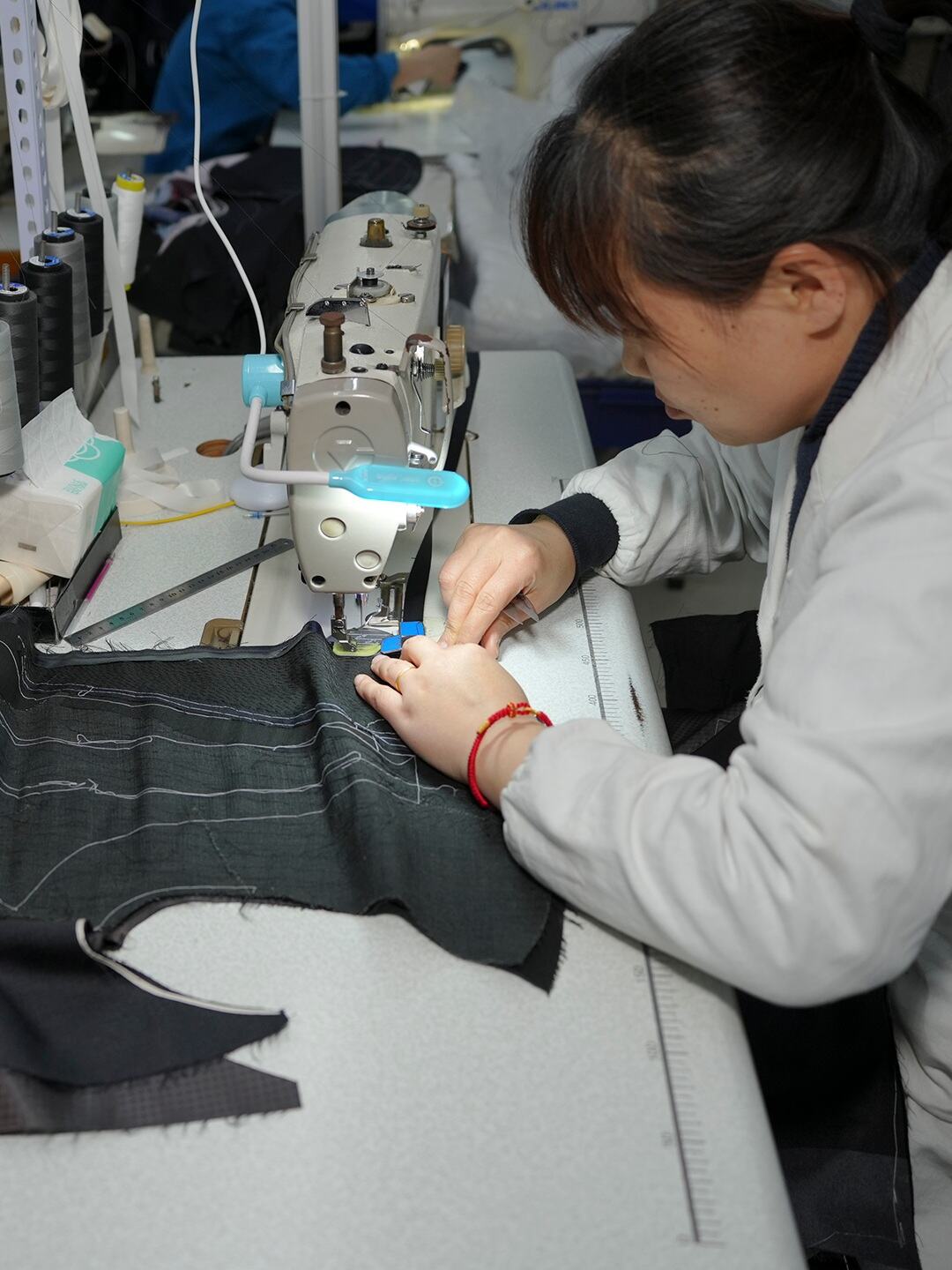
בחירת יצרן הبدלות המתאים מהווה אחת ההחלטות החשובות ביותר שעומדות בפני מותגי האופנה וקמעונאי האופנה בשוק הלבשה התחרותי של ימינו. בחירת שותף הייצור משפיעה ישירות על איכות המוצר, על המוניטין של המותג, על עלויות הייצור ועל הצלחת העסק בסופו של דבר. בין אם ניגשים לשבץ קו חדש לבגדי גברים או להרחיב מותג אופנה קיים, הבנת התחומים המרכזיים שעליהם יש להתמקד בעת חיפוש יצרן בדלות מבטיחה שהמותגים יעשו החלטות מושכלות אשר תואמות את סטנדרטי האיכות שלהם, את מגבלות התקציב שלהם ואת המטרות העסקיות האסטרטגיות שלהם.
נוף ייצור החליפות התפתח באופן משמעותי בעשור האחרון, כאשר מותגים יכולים כעת לגשת ליצרנים באזורי גאוגרפיה שונים, כל אחד מהם מציע יתרונות ואתגרים ייחודיים. מחנויות תפירה אירופיות מוכרות למתקני ייצור אסיאתיים חדשניים, בחירת יצרן החליפה משפיעה על הכל, מזמני הייצור ועד איכות הבנייה הסופית של הבגדים. מותגים חכמים מתקרבים להחלטה זו באופן שיטתי, בדיקת גורמים מרובים המשתתרעים מעבר להשוואות עלויות פשוטות לכלול יכולות טכניות, סטנדרטים אתיים, יעילות תקשורת, ופוטנציאל שותפות אסטרטגית.
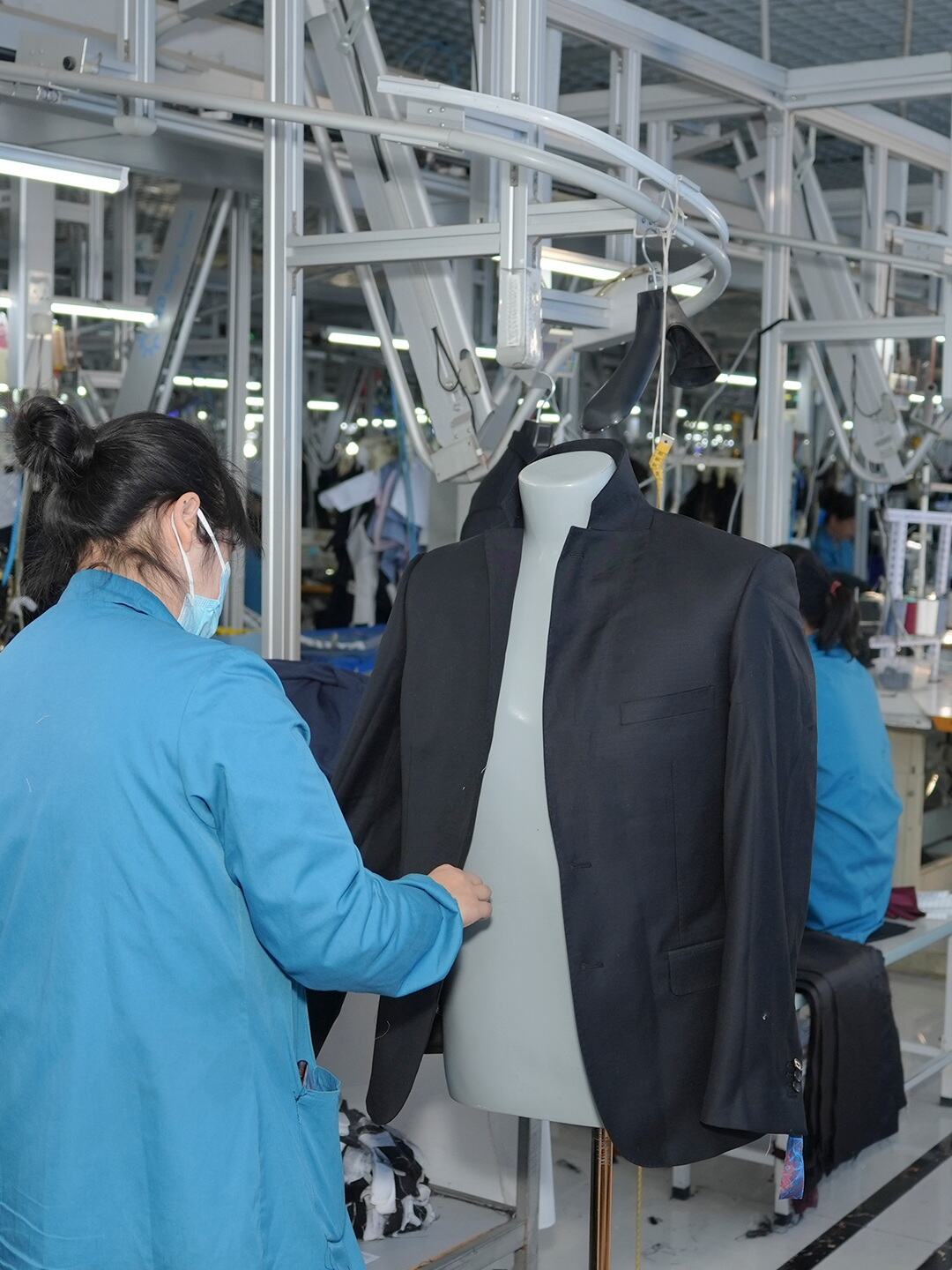
יכולות ייצור ומומחיות טכנית
הערכה של קיבולת ייצור ויכולת להקטין או להרחיב פ
בעת הערכת יצרן חליפות פוטנציאלי, המותגים חייבים תחילה לאמוד האם הפקליטה יכולה להתמודד עם נפח הייצור הנוכחי שלהם תוך התאמה לצמיחה עתידית. יצרן חליפות אמין צריך להפגין תהליכי תכנון קיבולת ברורים, ולהראות כיצד הוא מנהל תנודות עונתיות ועוסק בהזמנות דחופות ללא פגיעה בתקנים האיכותיים. קיבולת הייצור עוברת את המספרים הפשוטים של נפח, וכוללת גם את היכולת של היצרן להתמודד עם קווי מוצרים מגוונים – מהחליפות העסקיות הקלאסיות ועד לחולצות הספורט המודרניות.
היבטים של התרחבות זוכים לחשיבות מיוחדת עבור מותגים צומחים שעשויים להגדיל באופן משמעותי את כמויות ההזמנות שלהם לאורך זמן. יצרן החליפות האידיאלי שומר על מערכות ייצור גמישות שיכולות להתאים לעלייה בכמויות ההזמנות ללא צורך בהארכת זמני משלוח משמעותית או פגיעה באיכות. כולל זה הערכת יציבות הכוח אדם, תוכניות עדכון הציוד, והיכולת להרחיב את הפקליטה.
מותגים חכמים גם בוחנים כיצד שותפי ייצור פוטנציאליים מנהלים את הקצאת היכולת במהלך עונות השיא. יצרן סוויטרים מקצועי צריך לספק תקשורת שקולה לגבי לוחות הזמנים שלו להזמנות ולהפגין רישום מוכח של קיום התחייבותיו למשלוח גם במהלך תקופות ביקוש גבוה.
שיטות בנייה ותקנים איכותיים
שיטת הבנייה שהיצרן של הסוויטרים משתמש בה קובעת באופן ישיר את האיכות והעמידות של הבגד הסופי. המותגים צריכים להעריך האם היצרנים משתמשים בטכניקות תפירה ידנית מסורתיות, בשיטות בנייה מודרניות באמצעות מכונות או בגישות היברידיות המשלבות את שתי השיטות. לכל שיטת בנייה יש יתרונות שונים במונחים של יעילות עלות, מהירות ייצור ומאפייני המוצר הסופי.
מערכות בקרת האיכות מייצגות שיקול טכני חשוב נוסף בעת בחירת יצרן חליפות. יצרנים מקצועיים מנהלים תהליכי אחריות איכות מתועדים הכוללים פרוטוקולי בדיקת בד, נקודות ביקורת איכות בתהליך הייצור ופרוצדורות בדיקת המוצרים הסופיים. מערכות אלו צריכות להתאים את עצמן לדרישות האיכות של המותג וליעדי שביעות הרצון של הלקוחות.
המומחיות הטכנית בבניית תבניות ובגרידינג הופכת חיונית למותגים הדורשים התאמה עקבייה לאורך גודלים ועיצובים שונים. יצרן החליפות שנבחר חייב להפגין יכולות מתקדמות בבניית תבניות ולשמור על מערכות גרידינג מדויקות המבטיחות פרופורציות נכונות לאורך טווח הגודלים כולו.
ניהול שרשרת האספקה ומערכת אספקת החומרים
רכש בד ובקרת האיכות
יצרן חליפות מומחה צריך לשמור על קשרים קיימים עם ספקי בדים מהימנים ולהפגין מומחיות בבחירת הבדים וברכישתם. זה כולל הבנה של משקלים שונים של בדים, מבני ארגון ותאימות עונתית לסגנונות חליפות מגוונים. מותגים נהנים מיצרנים שיכולים להציע המלצות לבדים בהתאם לטווח המחירים היעדי, דרישות הביצועים וההעדפות האסתטיות.
הליכי בקרת האיכות של הבדים אצל יצרן החליפות משפיעים ישירות על ביצועי הבגד הסופי ועל שביעות רצון הלקוחות. יצרנים מקצועיים מיישמים פרוטוקולי בדיקה קפדניים של הבדים שמזהים פגמים פוטנציאליים לפני תחילת החיתוך, ובכך מנעיות עיכובים יקרים בייצור ובעיות באיכות. זה כולל בדיקות של עמידות לצבע, עמידות לכווץ ויציבות ממדית.
השקיפות במקור הבדים הופכת חשובה יותר ויותר כשבותות נאלצות להתמודד עם דרישות צרכנים מתגברות לחומרים ברת-קיימא ולמתוקשבים אתית. יצרן הדרש האידיאלי צריך לספק תיעוד ברור על מקורות הבדים, אישורים של ספקים ותקנים של התאמה לסביבה.
אספקת רכיבים וניהול ספקים
מעבר לרכישת הבדים, בניית הדרש דורשת מספר רכיבים מיוחדים, כולל שLAYINGS, חומרים פנימיים, כפתורים, רוכסים וחוטים. יצרן הדרש מהימן מתחזק קשרי אספקה enfocused באיכות לכל רכיבי הבגד ומביא לתוקף תקנים עקביים לאיכות בכל רשת אספקת הרכיבים שלו.
ניהול ספקים יעיל על ידי יצרן הדרש מבטיח זמינות עקבית ואיכות עקبية של הרכיבים, ומונע עיכובים בייצור הנובעים מחוסר חומרים או מגוון באיכות. זה כולל שמירה על קשרי ספקים חלופיים ותפעול הליכי בדיקת איכות של הרכיבים.
מותגים צריכים להעריך כיצד שותפי ייצור פוטנציאליים מתמודדים עם דרישות התאמה של רכיבים, כגון כפתורים ממותגים, ציפויים מותאמים או חומרה متخصصة. היכולת לספק פרטים אלו לעתים קרובות מבדילה בין יצרני חליפות איכותיים לייצרנים בסיסיים.
תהליכי ייצור ובטחון איכות
זרימת עבודה בייצור וכفاءה
ניהול זרימת עבודה יעיל בייצור מבדיל בין יצרני חליפות מקצועיים לבין מתקנים פחות מאורגנים. מותגים צריכים להעריך כיצד היצרנים מתכננים את סדרי הייצור, מנוהלים מלאי בתהליך ייצור (WIP) ומקשרים בין מחלקות ייצור שונות. יצרנים מאורגנים היטב שומרים על מערכות מעקב ברורות בייצור שמספקות תצוגה בזמן אמת של סטטוס ההזמנה ולוחות הזמנים למשלוח.
הגישה של יצרן המדים לעקרונות ייצור חכם יכולה להשפיע באופן משמעותי על יעילות הייצור ועל היעילות הכלכלית. יצרנים שמממשים אסטרטגיות לצמצום בזבוז ותהליכי שיפור מתמיד מספקים בדרך כלל הצעות ערך טובות יותר לשותפים שלהם במותגים, תוך שמירה על סטנדרטי איכות עקביים.
גמישות בתכנון הייצור מהווה שיקול חשוב נוסף, במיוחד למותגים עם קולקציות עונתיות או דרישות מודרניות בתחום האופנה. יצרן המדים האידיאלי צריך להפגין יכולת להתאים שינויים בעיצוב, להתאים עדיפויות בייצור ולנהל מספר קווי מוצרים בו זמנית, מבלי לפגוע בהתחייבויות המסירה.
מערכות בקרת איכות וסטנדרטים
מערכות בקרת איכות מקיפות מהוות את היסוד של שותפויות ייצור מוצלחות של חליפות. המותגים צריכים להעריך האם יצרנים פוטנציאליים מיישמים נקודות ביקורת איכות סטנדרטיות לאורך תהליך הייצור, החל מביקורת הבד הראשונית ועד ללחיצה הסופית של הבד ואריזתו. מערכות אלו צריכות לכלול הליכים מתועדים לטיפול בסטיות באיכות ולמימוש פעולות תקן.
הגישה של יצרן החליפות לביקורת איכות הופכת קריטית למותגים הדורשים אפשרות לעקוב אחר התהליך ועקביות בין רצפים מרובים של ייצור. יצרנים מקצועיים שומרים על רשומות איכות מפורטות שמאפשרות זיהוי הזדמנויות לשיפור ומבטאות תוצאות עקביות לאורך זמן.
יכולות בדיקה ותעודות אמינות מספקות אחריות איכות נוספת למותגים שמקבלים ספקי חליפות. כולל ציוד לבדיקת בד, הליכי בדיקת התאמה, והתאמה לסטנדרטים תעסוקתיים רלוונטיים או לדרישות ייחודיות של הלקוח.
תקשורת ודינמיקת שותפות
היבטים לשוניים ותרבותיים
תקשורת יעילה מהווה את עמוד השדרה של קשרים מוצלחים עם כל יצרן חליפות, במיוחד כאשר עובדים בשעות זמן שונות והקשרים התרבותיים השונים. המותגים צריכים להעריך האם שותפי הייצור הפוטנציאליים מחזקים קבוצות שירות לקוחות דוברות אנגלית ומדגימים הבנה של דרישות שוק האופנה המערבי ומנהגי העסקים שלו.
ההתאמה התרבותית בין המותגים לייצרני הבגדים שבחרו יכולה להשפיע באופן משמעותי על יעילות שיתוף הפעולה ועל יעילות פתרון הבעיות. יצרנים המבינים את השוק היעד של המותג, את ציפיות הלקוחות ואת סטנדרטי האיכות שלו מספקים לרוב תוצאות טובות יותר בהשוואה לאלו הדורשים הנחיה ומערכת ניטור מרחוק.
שקולות אזור הזמן הופכות לגורמים מעשיים המשפיעים על יעילות התקשורת היומית. מותגים העובדים עם יצרני בגדים באזורים גאוגרפיים שונים צריכים לקבוע פרוטוקולי תקשורת ברורים וציפיות לגבי זמני התגובה כדי להבטיח קואורדינציה חלקה של הפרויקטים.
אינטגרציה טכנולוגית ותקשורת דיגיטלית
יצרני חליפות מודרניים משתמשים יותר ויותר בפלטפורמות תקשורת דיגיטליות ומערכות ניהול ייצור שמשפרות את יעילות השיתוף פעולה ואת שקיפות הפרויקטים. המותגים נהנים משותפים לייצור שמכילים תשתיות טכנולוגיה מעודכנות התומכות בתקשורת בזמן אמת, בשיתוף קבצים דיגיטליים ובמערכת מעקב אחר סטטוס הייצור.
היכולות הדיגיטליות של יצרן החליפות עוברות את גבול התקשורת הבסיסית וכוללות מערכות לעזרת עיצוב ממוחשבת (CAD), פיתוח דפוסים דיגיטליים וטכנולוגיות לדוגמיות וירטואליות. יכולות אלו יכולות לקצר משמעותית את זמני הפיתוח ולשפר את דיוק העיצוב תוך הקטנת הדרישה לדגומים פיזיים.
יכולות האינטגרציה למערכות וההליכים הקיימים של המותג מהווים שיקול טכנולוגי נוסף. האידיאלי יצרן חליפות אילו יפגין גמישות בהתאמתו למערכות התקשורת והדוחות שלו כדי להתאים את דרישות הפעולה של המותג ואת העדפותיו בניהול המידע.
מבנה עלויות והיבטים פיננסיים
מודלי תמחור ושקיפות עלות
הבנת מבנה העלות המלא שהמציע יצרן חליפות דורשת הערכה מעבר למחיר ליחידה בלבד, וכוללת התחשבות בהוצאות הקמה, דרישות מינימום להזמנה, תנאיה של התשלום והעמלות הנוספות על שירותים. יצרנים שעובדים בשקיפות מספקים פירוט מפורט של העלויות שמאפשר למותגים לקבל החלטות פיננסיות מושכלות ול lập תקציב בצורה מדויקת לצורך הייצור.
יצרני חליפות שונים משתמשים בדרכי תעריפון שונות, החל ממחירים קבועים ליחידה ועד לתעריפון מדורג המבוסס על נפחי ההזמנות או על התחייבויות עונתיות. המותגים צריכים להעריך איזו גישה לתעריפון מתאימה ביותר ליכולות החיזוי שלהם בנוגע למכירות ולדרישות ניהול זרימת המזומנים, תוך הבטחת צפיות עלויות מדויקות לצורך תכנון עסקי.
עלויות נסתרות יכולות להשפיע באופן משמעותי על העלות הכוללת של העבודה עם יצרן חליפות, כולל עמלות לשינויים בעיצוב, הזמנות דחופות, בדיקות איכות או דרישות אריזה. יצרנים מקצועיים שומרים על מדיניות תעריפית שקולה שמפרטת בבירור את כל העמלות האפשריות ומספקת הערכות עלות לסטיות נפוצות או בקשות מיוחדות.
יציבות פיננסית והמשך פעילות העסק
הערכה של היציבות הכספית של יצרן חליפות פוטנציאלי הופכת קריטית למותגים שמתכננים שותפויות ארוכות טווח ומחויבות לייצור עונתי. יצרנים בעלי יציבות כספית מפגינים פעילות עסקית עקבייה, שומרים על ציוד מעודכן ומשקיעים בהתפתחות כוח העבודה ושיפור המתקנים.
תכנון רציפות עסקית על ידי יצרני חליפות משפיע על ניהול סיכונים בשרשרת האספקה של המותג. יצרנים שמתעדים תוכניות חירום לתקלות ציוד, אסונות טבע או הפרעות בשרשרת האספקה מספקים בטחון רב יותר למותגים התלויים בלוחות זמנים יציבים לייצור.
תנאי התשלום והגמישות הכספית שהיצרנים של חליפות מציעים יכולים להשפיע באופן משמעותי על ניהול זרימת המזומנים של המותג, במיוחד בחברות קטנות או בעסקים עונתיים. יצרנים שמגישים תנאים סבירים לתשלום ומבינים את הקשיים הכספיים של מותגי אופנה צעירים לעתים קרובות מפתחים יחסים שותפיים חזקים יותר.
שאלה נפוצה
באילו כמויות הזמנה מינימליות יש לצפות המותגים מיצרני חליפות?
כמויות ההזמנה המינימלית משתנות במידה רבה בין יצרני חליפות, ובסך הכל נעות בין 50 ל-500 פריטים לכל דגם, בהתאם למודל העסקי של היצרן ולשוק היעד שלו. יצרנים קטנים וממוקדים יותר קולטים לעתים קרובות כמויות מינימליות נמוכות יותר, אך עלולים לתאם מחירים גבוהים יותר, בעוד שמכוני ייצור גדולים דורשים כמויות גבוהות יותר, אך מציעים מחיר טוב יותר ליחידה. מותגים צריכים להעריך את תחזיות המכירות והיכולת לאחסן מלאי שלהם בעת בחירת יצרנים עם דרישות מינימום הוזמנות מתאימות.
כמה זמן בדרך כלל נדרש כדי לבנות קשר עם יצרן חליפות חדש?
הקמת קשר יעיל עם יצרן חליפות דורשת בדרך כלל 3–6 חודשים, כולל דיונים ראשוניים, פיתוח דוגמאות, בדיקות איכות ורצפי ייצור ראשונים. לוח הזמנים הזה כולל זמן שנותר לייצרן כדי להבין את דרישות האיכות של המותג, העדפות ההתאמה והדרישות הפעולתיות שלו. התעצלות בתהליך זה של בניית הקשר מובילה לעתים קרובות לבעיות באיכות ולבעיות תקשורת שעשויות להיות יקרות מאוד לתיקון בשלב מאוחר יותר.
אילו אישורים על המותגים לחפש בעת הערכת יצרני חליפות?
אישורים חשובים לייצרני חליפות כוללים את תקן ISO 9001 למערכות ניהול איכות, WRAP או BSCI לתאימות חברתית, ותקנים של OEKO-TEX לבטיחות טקסטיל. אישורים סביבתיים כגון GOTS או Cradle to Cradle הופכים לחשוב יותר ויותר למותגים הממקדיפם את העמידות. בנוסף, לייצרנים יש לשמור על אישורי בטיחות רלוונטיים ולהתאים את עצמם לתקנות במדינה שבה הם פועלים ובשווקי היעד של המותג.
איך מותגים יכולים לאשר את יכולות האיכות של יצרן חליפות פוטנציאלי לפני שמזמינו כמויות גדולות?
מותגים צריכים לבקש דוגמיות מפורטות שמדגימות את טכניקות היצור של היצרן, את תשומת הלב לפרט והעקבותיות בין סגנונות וגדלים שונים. ביקורי מפעלים, אם אפשריים, מספקים תובנות חשובות באשר לאיכות הציוד, כישורי העובדים והארגון הפעלי. בדיקות הפניות אצל לקוחות קיימים ובידוקי איכות צד ג' מספקים אימות נוסף של יכולות המפעל לייצור חליפות והשם הטוב שלו בתעשייה.