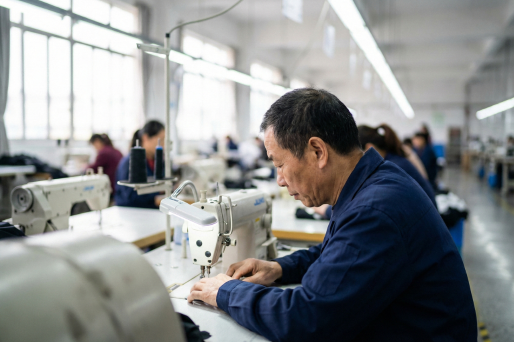
Small Batch Cut and Sew Manufacturers: Custom Apparel Production Solutions

Get a Free Quote

Our representative will contact you soon.
Email
Name
Company Name
Message
0/1000

small batch cut and sew manufacturers

Small batch cut and sew manufacturers represent specialized production facilities that focus on creating limited quantities of custom garments and textile products. These manufacturers bridge the gap between large-scale industrial production and individual craftsmanship, offering tailored solutions for brands, designers, and businesses seeking high-quality, customized apparel without minimum order requirements typical of mass production facilities. The core functionality of small batch cut and sew manufacturers revolves around pattern making, fabric cutting, garment construction, and finishing services, all executed with precision and attention to detail that larger manufacturers often cannot provide. These facilities utilize advanced cutting technologies including computer-controlled cutting systems, laser cutting equipment, and precision pattern-making software to ensure accuracy and consistency across small production runs. The technological infrastructure of small batch cut and sew manufacturers typically includes programmable sewing machines, sergers, embroidery equipment, and quality control systems that maintain professional standards while accommodating smaller quantities. Their applications span diverse industries including fashion startups, established clothing brands seeking limited edition releases, corporate apparel programs, promotional merchandise, specialized workwear, and custom uniform production. Small batch cut and sew manufacturers serve emerging designers who need professional-grade production without substantial financial investment, established brands testing new designs before full-scale production, and businesses requiring specialized garments for specific purposes. The flexibility inherent in small batch manufacturing allows for rapid prototyping, design modifications during production, and personalized attention to each project. These manufacturers often maintain relationships with fabric suppliers, trim vendors, and finishing specialists, creating comprehensive production networks that support complete garment development from concept to finished product. The emphasis on smaller quantities enables manufacturers to implement sustainable practices, reduce waste, and provide more environmentally conscious production alternatives compared to traditional mass manufacturing approaches.

New Product Recommendations

The primary advantages of small batch cut and sew manufacturers center on flexibility, cost-effectiveness, and quality control that traditional large-scale manufacturers cannot match. These specialized facilities eliminate prohibitive minimum order quantities that often prevent small businesses and startups from accessing professional manufacturing services. Entrepreneurs and designers can launch product lines with quantities as low as fifty pieces, significantly reducing initial investment risks while testing market demand. The personalized service provided by small batch cut and sew manufacturers ensures direct communication between clients and production teams, resulting in better understanding of project requirements and faster resolution of potential issues. Quality control becomes more manageable with smaller production runs, allowing manufacturers to inspect each garment thoroughly and maintain consistent standards throughout the entire batch. This attention to detail produces superior finished products that meet exact specifications and brand requirements. Speed to market represents another significant advantage, as small batch cut and sew manufacturers can complete projects in weeks rather than months required by larger facilities. This rapid turnaround enables brands to respond quickly to fashion trends, seasonal demands, and market opportunities without lengthy production delays. The collaborative approach fostered by small batch manufacturers encourages design optimization and problem-solving during production, often resulting in improved products and innovative solutions. Cost transparency becomes clearer with smaller batches, as manufacturers can provide detailed breakdowns of material costs, labor expenses, and production timelines without hidden fees common in large-scale manufacturing. Small batch cut and sew manufacturers also offer greater customization options, accommodating special requests for unique fabrics, custom hardware, specialized construction techniques, and personalized labeling that mass producers typically refuse. The environmental benefits include reduced overproduction, minimized waste, and more sustainable manufacturing practices that align with growing consumer demand for responsible production methods. Local and regional small batch manufacturers provide additional advantages including reduced shipping costs, easier facility visits for quality inspections, and support for local economies while maintaining better supply chain control.

Practical Tips

Beyond the Label: Why Super 110s-120s Are the ROI Kings for Made-to-Measure Business

07

Jan

Beyond the Label: Why Super 110s-120s Are the ROI Kings for Made-to-Measure Business

View More
Two Cities, One Vision: How Kris Bridged Heritage with Horizon

03

Feb

Two Cities, One Vision: How Kris Bridged Heritage with Horizon

View More
Building Bonds Beyond the Factory Floor: Highlights from Our 2026 Gala & Family Retreat

23

Jan

Building Bonds Beyond the Factory Floor: Highlights from Our 2026 Gala & Family Retreat

View More
Inside the Factory: How We Ensure Quality in Every Stitch

23

Jan

Inside the Factory: How We Ensure Quality in Every Stitch

View More

Get a Free Quote

Our representative will contact you soon.
Email
Name
Company Name
Message
0/1000

small batch cut and sew manufacturers

Flexible Production Capabilities and Customization Options

Flexible Production Capabilities and Customization Options

Small batch cut and sew manufacturers excel in providing unprecedented flexibility that transforms how brands approach garment production and customization. Unlike traditional manufacturers bound by rigid processes and high minimum orders, these specialized facilities adapt their operations to accommodate unique project requirements, custom specifications, and evolving design needs throughout the production cycle. The flexibility extends beyond simple quantity adjustments to encompass comprehensive customization options including fabric selection, construction methods, hardware choices, labeling systems, and finishing techniques tailored to specific brand identities. This adaptability proves invaluable for fashion designers experimenting with new concepts, established brands launching limited collections, and businesses requiring specialized workwear or uniforms with specific performance characteristics. Small batch cut and sew manufacturers maintain diverse equipment capabilities that support various fabric types, from delicate silks and technical performance materials to heavy-duty canvas and specialized synthetic blends, ensuring optimal construction methods for each material category. The customization process typically begins with detailed consultations where manufacturers assess design requirements, recommend appropriate materials and construction techniques, and provide samples or prototypes before full production commences. This collaborative approach enables real-time adjustments, design refinements, and quality improvements that result in superior finished products exceeding client expectations. The technological infrastructure supporting these flexible operations includes programmable sewing equipment, adjustable cutting systems, and modular production lines that can be reconfigured for different project types without significant downtime or setup costs. Small batch manufacturers often maintain relationships with specialized suppliers providing unique materials, custom hardware, and finishing services that expand available options beyond standard offerings. The flexibility also extends to production scheduling, allowing manufacturers to accommodate urgent projects, seasonal deadlines, and market-driven timeline changes that larger facilities cannot manage effectively. Quality control processes remain consistent regardless of customization complexity, ensuring that specialized requirements do not compromise structural integrity or aesthetic standards. This comprehensive flexibility empowers brands to differentiate themselves through unique products while maintaining professional manufacturing standards and cost-effectiveness previously available only through mass production channels.
Cost-Effective Solutions for Emerging Brands and Startups

Cost-Effective Solutions for Emerging Brands and Startups

Small batch cut and sew manufacturers provide financially accessible pathways for emerging brands and startups to achieve professional-grade manufacturing without the substantial capital investment traditionally required for garment production. The elimination of high minimum order quantities removes significant barriers that prevent new businesses from entering competitive apparel markets, allowing entrepreneurs to launch product lines with manageable financial risk and realistic inventory levels aligned with initial market demand. This cost-effectiveness stems from streamlined operations designed specifically for smaller production runs, where overhead costs are distributed efficiently across manageable batch sizes rather than requiring massive volume commitments to achieve reasonable per-unit pricing. The transparent pricing structures employed by small batch cut and sew manufacturers enable accurate budgeting and financial planning, with detailed cost breakdowns covering materials, labor, overhead, and additional services without hidden fees or unexpected charges common in larger manufacturing relationships. Startups benefit from reduced working capital requirements, as smaller batch sizes require less upfront investment in materials and inventory while providing faster inventory turnover and cash flow generation. The ability to test market demand with smaller quantities prevents overproduction risks that could devastate new businesses with limited financial resources, allowing gradual scaling based on actual sales performance rather than speculative projections. Small batch manufacturers often provide comprehensive services including pattern development, sample creation, material sourcing, and production planning that eliminate the need for expensive external consultants or specialized staff during startup phases. The cost advantages extend to logistics and warehousing, as smaller production quantities require less storage space and reduce inventory carrying costs while providing greater flexibility in distribution strategies. Many small batch cut and sew manufacturers offer volume-based pricing tiers that reward growth while maintaining accessibility for smaller orders, creating sustainable partnerships that evolve with business expansion. The reduced lead times associated with small batch production also provide cost benefits through improved cash flow management, faster market entry, and reduced opportunity costs compared to lengthy mass production cycles. Geographic proximity options available through regional small batch manufacturers further reduce costs through lower shipping expenses, reduced travel costs for quality inspections, and simplified supply chain management that keeps overall project costs predictable and manageable.
Superior Quality Control and Attention to Detail

Superior Quality Control and Attention to Detail

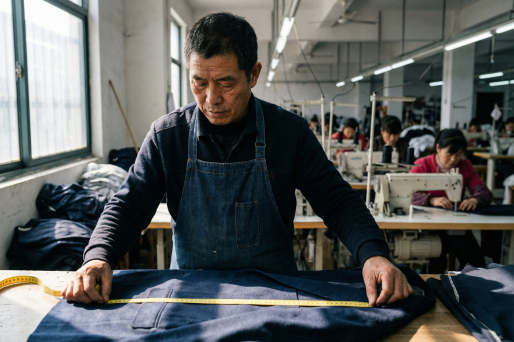
Small batch cut and sew manufacturers distinguish themselves through exceptional quality control processes and meticulous attention to detail that large-scale production facilities simply cannot match due to volume constraints and operational priorities. The manageable production quantities enable comprehensive inspection procedures where quality control specialists can examine each garment individually, identifying and correcting potential issues before they affect multiple units or compromise batch integrity. This intensive quality focus results in superior finished products that meet exact specifications while maintaining consistent standards throughout entire production runs, regardless of complexity or customization requirements. The quality control process typically begins during material inspection, where small batch manufacturers verify fabric quality, color consistency, and performance characteristics before cutting commences, preventing defective materials from entering the production stream and causing downstream quality issues. Cutting precision receives particular attention, with experienced technicians using advanced equipment to ensure accurate pattern placement, optimal fabric utilization, and consistent piece dimensions that facilitate smooth assembly processes and professional finished appearance. During construction phases, skilled seamstresses and tailors monitor stitch quality, seam alignment, and construction details with frequency impossible in high-volume production environments, catching and correcting minor variations that could accumulate into significant quality problems. The collaborative nature of small batch manufacturing enables real-time quality discussions between production teams and clients, facilitating immediate adjustments when specifications require modification or improvement opportunities are identified during assembly. Small batch cut and sew manufacturers often employ experienced craftspeople whose expertise in garment construction exceeds typical factory workers, bringing traditional tailoring skills and attention to detail that elevate overall product quality beyond mass-produced alternatives. Quality documentation processes track individual garments through production stages, creating accountability and traceability that supports continuous improvement efforts while providing clients with confidence in manufacturing consistency. The final inspection procedures employed by small batch manufacturers include comprehensive fit testing, appearance evaluation, functional assessments, and packaging verification that ensure products meet brand standards and customer expectations before shipment. This thorough quality approach extends to specialty requirements such as performance testing for activewear, durability assessments for workwear, and aesthetic evaluations for fashion garments, providing specialized expertise appropriate to specific product categories and end-use applications.

Get a Free Quote

Our representative will contact you soon.
Email
Name
Company Name
Message
0/1000