
 EN
EN



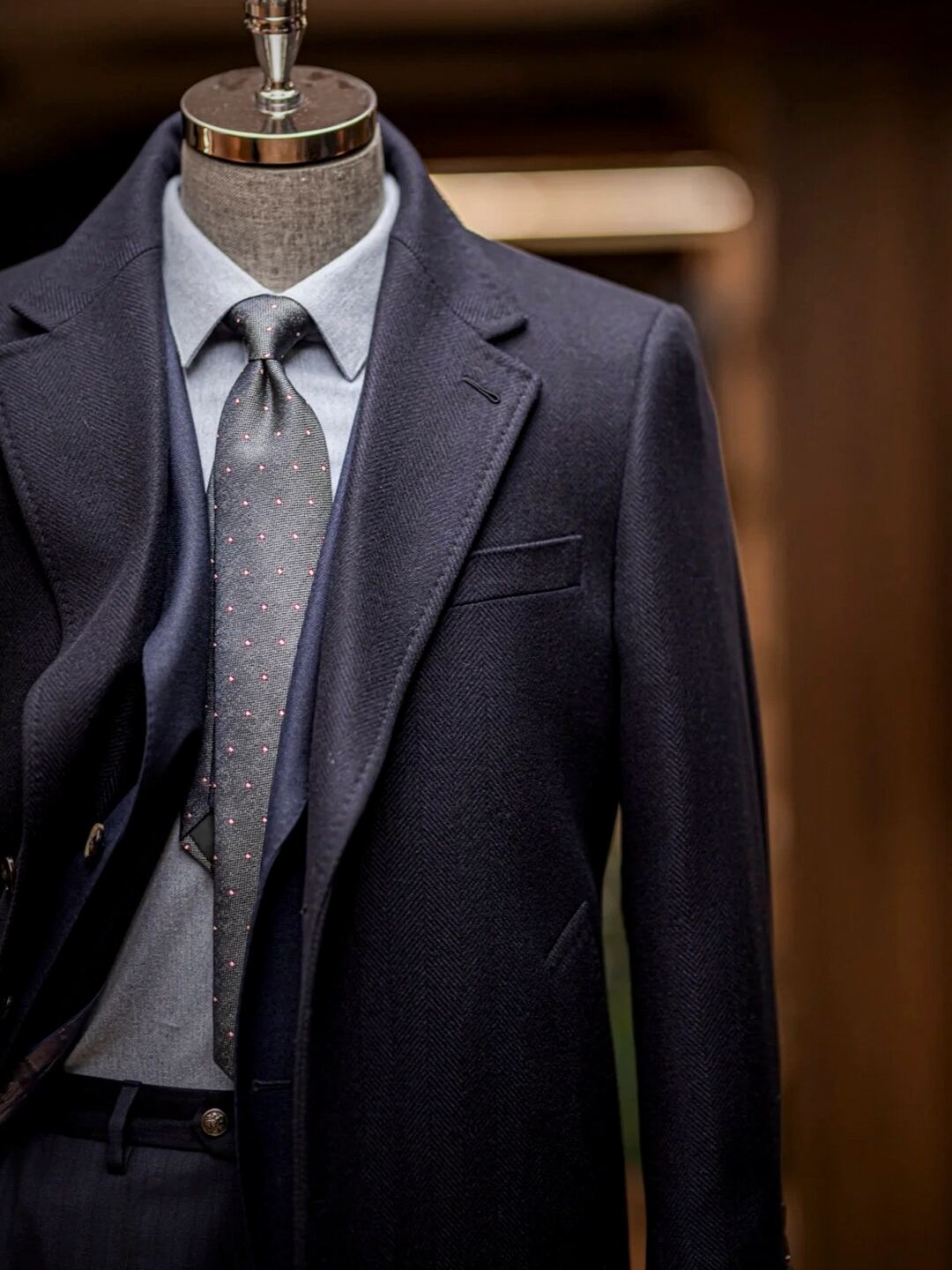
Gerai suprojektuota dėvėjimo marškinėlių programa yra pagrindinė strategija vyrams skirtų drabužių prekių ženklams, siekiantiems ilgalaikio augimo dėl pagerintos klientų išlaikymo ir didesnio pakartotinio pirkimo dažnumo. Skirtingai nuo tradicinių vienkartinio pardavimo metodų, išsami dėvėjimo marškinėlių programa sukuria sistemingus kontaktus su klientais, tuo pat metu užtikrindama nuolatinę vertę, kuri skatina ilgalaikį lojalumą. Šis strateginis rėmas keičia atsitiktinius pirkėjus į įsipareigojusius prekių ženklo šalininkus, kurie vėl ir vėl grįžta į šį prekių ženklą savo profesinės drabužių reikmėms.
Veiksmingos marškinėlių programos įdiegimas tiesiogiai sprendžia pagrindinę šiuolaikinių vyrams skirtų drabužių prekybos įmonių problemą: vienkartinius pavedimus paversti numatomais pajamų srautais. Nustatydamos struktūruotus pasiūlymus, kurie atitinka profesinio vyro nuolatinės drabužių reikmės poreikius, prekių žymės gali sukurti įtikinamus motyvus, dėl kurių klientai grįš į parduotuvę nuolatos, o ne ieškos konkuruojančių alternatyvų. Šis požiūris užtikrina matomą kliento gyvenimo ciklo vertės padidėjimą ir sumažina naujų klientų įsigijimo sąnaudas dėl pagerėjusios klientų išlaikymo našumo.

Supratimas, kodėl profesiniai vyrai dažnai perką tą patį drabužių tipą
Profesinio vyro drabužių priežiūros ciklas
Profesionalūs vyrams dažnai laikosi numatytų modelių prieš prižiūrėdami darbo drabužių rinką, todėl kruopščiai suprojektuotas marškinėlių programos pasiūlymas natūraliai sukuria galimybes pakartotiniam bendradarbiavimui. Verslo specialistai paprastai keičia marškinėlius kas 12–18 mėnesių dėl dėvėjimo pėdsakų, stiliaus evoliucijos ir sezoninių reikalavimų. Šis keitimo ciklas suteikia vyrams skirtų drabužių prekių ženklams pakartotines pardavimų galimybes, jei jis tinkamai numatomas ir įvertinamas programiniais pasiūlymais.
Pagrindinė įžvalga, lemianti sėkmingą dėvėtinos palaidinės programos įdiegimą, yra supratimas, kad profesiniai vyrams savo drabužių pasirinkime vertina nuoseklumą ir patikimumą. Vietoj to, kad nuolat ieškotų naujų variantų, užsiėmę vadovai mieliau užmezga santykius su prekių ženklais, kurie supranta jų dydžius, stiliaus pageidavimus ir kokybės lūkesčius. Gerai įgyvendinta dėvėtinos palaidinės programa pasinaudoja šiuo pageidavimu, sukurdama beproblemį pakartotinio užsakymo procesą, kuris sutaupo laiko ir tuo pat metu užtikrina pažįstamą patenkintį.
Prekių ženklo lojalumo formavimas dėl nuoseklios kokybės
Produkto kokybės nuoseklumas yra pasitikėjimo, kuris vėliau virsta pakartotinėmis užsakymų, pagrindas bet kurio marškinėlių su rankovėmis programos kontekste. Kai klientai kelis kartus patiria patikimą atitinkamumą, audinio naudingumą ir siuvimo kokybę, jie įsitikina, kad prekės ženklas geba atitikti jų profesinio išvaizdos reikalavimus. Šis pasitikėjimas tiesiogiai susijęs su didesne norėjimu ateityje pirkti be išsamių tyrimų ar palyginamųjų pirkimų.
Kokybės nuoseklumas marškinėlių programoje išeina už fizinės produkcijos savybių ribų ir apima paslaugų teikimą, pakuotės vizualinį vaizdavimą bei ryšio standartus. Klientai, kurie visuose sąveikos taškuose gauna nuolat teigiamas patirtis, sukuria emocines ryšius su prekių ženklu, kurie viršija grynuosius sandorius. Šie emociniai ryšiai natūraliai kelia kliūtis keičiantis konkuruojančioms prekėms, tuo pat metu skatinant žodžiu perduodamus rekomendacijų pokalbius, kurie organiškai plečia klientų bazę.
Strateginis marškinėlių programos įdiegimo rėmas
Klientų segmentavimas ir personalizavimo strategijos
Veiksmingos dėvimosios palaidinės programos kūrimas prasideda išsamia klientų segmentacija, kuri nustato skirtingus pirkimo elgesius, stiliaus pasirinkimus ir profesines reikalavimus tikslinei auditorijai. Korporaciniai vadovai gali teikti pirmenybę konservatyviam stiliui ir aukštos kokybės audiniams, tuo tarpu kūrybiniai specialistai gali ieškoti labiau madingų pasirinkimų su unikaliais detaliais. Šių segmentų supratimas leidžia prekių ženklams pritaikyti savo dėvimosios palaidinės programa paslaugas konkrečiems klientų poreikiams, o ne taikyti vieno dydžio visiems požiūrį.
Asmeninimas marškinėlių programų struktūrose sukuria įtikinamas priežastis klientams išlaikyti prekių ženklo ryšius, o ne ieškoti alternatyvų. Surinkdami išsamią pageidavimų informaciją – įskaitant apykaklių stilius, rankogalių pageidavimus, pritaikymo pataisas ir spalvų pasirinkimus – prekių ženklai gali kiekvienoje sąveikoje siūlyti vis labiau asmenintas patirtis. Šis asmeninimas sumažina suvokiamą riziką, bandant naujus prekių ženklus, tuo pat metu padidindamas patogumo veiksnį, kurį labai vertina užsiėmę specialistai.
Prenumeratos ir papildomos tiekimo schemos
Šiuolaikinės dėvėjamosios marškinėlių programos sėkmė dažnai priklauso nuo prenumeratos modelių, kurie automatizuoja papildomų prekių pristatymą užsiėmusiems specialistams, kuriems patinka numatyti darbo drabužių priežiūros grafikas. Šios programos paprastai siunčia prekes kas ketvirtį arba kas pusmetį, remdamasi atskiro asmens dėvėjimo įpročiais ir reikiamais pakeitimais. Prenumeratos metodas pašalina sprendimų priėmimo nuovargį, susijusį su kartotiniu pirkinimu, tuo pat metu užtikrindamas, kad klientai visada turėtų pakankamai profesinės drabužių atsargos be stresingo paskutinės minutės pirkinimo.
Finansiniai naudingumo pranašumai, susiję su prenumeratos pagrindu veikiančiomis marškinėlių programomis, išeina už gerintos klientų išlaikymo ribų ir apima pagerintą grynųjų pinigų srautų prognozavimo tikslumą bei tikslų atsargų planavimą. Kai prekės ženklai gali numatyti klientų paklausą remdamiesi prenumeratos įsipareigojimais, jie gali optimizuoti gamybos grafikus, sumažinti atsargų laikymo sąnaudas ir dėl tūrio prognozavimo tikslumo derėtis geriausias tiekėjų sąlygas. Šios operacinės efektyvumo nauda dažnai verčiama konkurencingais kainodaros pranašumais, kurie dar labiau skatina klientų lojalumą.
Vertės pasiūlymų kūrimas, kuris skatina pakartotinį įsitraukimą
Išsklitančios nario naudos ir apdovanojimai
Išsamus marškinėlių programa dažnai apima išsklitančius privalumus, kurie skatina klientų lojalumą ir sukuria papildomų paskatinimų tęsti bendradarbiavimą. Šie privalumai gali apimti ankstyvą naujų kolekcijų peržiūrą, tik nariams skirtas kainas, nemokamus marškinėlių pritaikymus arba pirmenybės aptarnavimą. Tokiais išsklitančiais privalumais sukuriama suvokiama vertė, kuri išeina už pagrindinio produkto pasiūlymo ribų, o klientai jaučia, kad jų nuolatinis bendradarbiavimas yra vertinamas.
Dėl marškinėlių programų įvertinimo struktūros reikėtų orientuotis į klientų elgsenos modelius ir pageidavimus, o ne į bendrus taškų sistemų principus. Profesionalūs vyrams dažniausiai svarbesni laiko taupantys paslaugos, kokybės patobulinimai ar išsklitančios galimybės nei nuolaidos. Siūlydami nemokamas profesionalias stiliaus konsultacijas, greitesnes pristatymo paslaugas ar galimybę įsigyti riboto leidimo dizainus, galima sukurti reikšmingesnius vertės pasiūlymus, kurie skatintų dalyvauti programoje ir užsakyti pakartotinai.
Švietiminis turinys ir stiliaus nurodymai
Švietiminis turinys yra galingas įrankis, padedantis palaikyti klientų įsitraukimą tarp pirkimų bet kurio dėvėjamojo marškinėlių programos struktūroje. Reguliarios žinutės su stiliaus patarimais, audinių priežiūros instrukcijomis, profesinio vilkėjimo rekomendacijomis ir sezoninių tendencijų naujienomis padeda išlaikyti prekės ženklo atmintyje, tuo pačiu suteikdamos tikrąją vertę klientams. Toks turinio požiūris padeda pozicionuoti prekės ženklą kaip patikimo konsultanto, o ne tik kaip produkto tiekėjo, ilgalaikiškai stiprindamas klientų ryšius.
Stilius ir rekomendacijos, pateikiamos marškinėlių programos komunikacijoje, turėtų atsižvelgti į tikruosius iššūkius, su kuriais susiduria profesiniai vyrams palaikydami tinkamą verslo aprangą. Tokios temos kaip marškinėlių derinimas su kostiumų spalvomis, tinkamų apykaklės stilių parinkimas pagal veido formą arba audinių eksploatavimo savybių supratimas suteikia praktinę vertę, kurią klientai vertina. Šis švietiminis požiūris parodo prekės ženklo ekspertizą ir padeda klientams priimti tikresnius sprendimus perkant marškinėlius per programą.
Technologijų integracija siekiant pagerinti klientų patirtį
Skaitmeninės platformos ir mobiliųjų įrenginių optimizavimas
Šiuolaikinės dėvėjamosios marškinėlių programos sėkmei reikia sudėtingos skaitmeninės infrastruktūros, kuri padaro pakartotinį užsakymą paprastą ir intuityvų laiko trūkumo jaustiems profesinio lygio klientams. Mobiliosioms įrenginiams pritaikytos platformos leidžia greitai pakartotinai užsakyti kelionės metu ar verslo komandiruotėse, o išsaugoti pageidavimų profiliai pašalina būtinybę vėl įvesti dydžių ir stiliaus informacijos. Šios technologinės patogumos pašalina trukdžius pakartotinio pirkimo procese ir tuo pat metu atitinka šiuolaikinių vartotojų mobiliosios įrangos pirmenybės poreikį.
Dėvėjamosios marškinėlių programų platformų ir klientų ryšių valdymo sistemų integravimo galimybės leidžia tiksliai stebėti pirkimų modelius, pageidavimų evoliuciją ir tenkinamumo rodiklius. Ši duomenų rinkimo veikla palengvina vis tikslesnių produktų rekomendacijų formavimą ir pakartotinio užsakymo pranešimų siuntimo laiko prognozavimą. Pažangios platformos gali automatiškai siūlyti papildomus prekių elementus, remdamasi ankstesniais pirkimais, arba pranešti klientams, kai artėja jų įprastas pakartotinio užsakymo laikotarpis.
Dirbtinis intelektas ir prognozuojamoji analizė
Dirbtinio intelekto taikymas marškinėlių programų valdyme gali žymiai pagerinti klientų pasitenkinimą ir išlikimo rodiklius naudojant prognozinę analizę ir personalizuotus rekomendavimus. Mašininio mokymosi algoritmai analizuoja atskirų klientų pirkimo istorijas, grąžinimo modelius ir sąveikos elgesį, kad būtų optimizuojamas komunikacijos laikas ir produktų rekomendacijos. Šios technologijos leidžia prekių ženklams tiksliau numatyti klientų poreikius ir tuo pačiu sumažinti rankinio darbo apimtis, reikalingas palaikyti personalizuoto aptarnavimo lygį.
Prognozinės analizės galimybės padeda marškinėlių programų valdytojams nustatyti klientus, kurie gali nutraukti bendradarbiavimą, dar prieš jiems iš tikrųjų išeinant, leisdamos imtis aktyvių išlikimo priemonių. Analizuojant sąveikos su klientais modelius, pirkimų dažnumo pokyčius ir sąveikas su klientų aptarnavimo tarnyba, prekių ženklai gali įdiegti tikslines intervencijas, pvz., ekskliuzinius pasiūlymus, asmenines konsultacijas ar produktų pritaikymą santykiams palaikyti. Šis aktyvus požiūris yra veiksmingesnis ir mažiau išlaidų reikalaujantis nei reaktyvūs naujų klientų įsigijimo pastangos.
Programos veiklos matavimas ir optimizavimas
Pagrindiniai našumo rodikliai sėkmės stebėjimui
Sėkmingos dėvėtinos palaidinės programos valdymas reikalauja nuolatinio konkrečių rodiklių stebėjimo, kurie rodo klientų pasitenkinimą ir verslo veiklos rezultatus. Kliento gyvenimo ciklo vertė, pakartotinės pirkimo normos, vidutinė užsakymo vertė ir prenumeratos išlaikymo normos suteikia kiekybinius programos veiksmingumo matavimus. Šiuos rodiklius reikia stebėti įvairiose klientų grupėse, kad būtų galima nustatyti, kurie požiūriai veikia geriausiai tam tikroms auditorijos rūšims visoje programos struktūroje.
Kokybinės atsiliepimų rinkimo priemonės – apklausos, atsiliepimai ir sąveika su klientų aptarnavimo tarnyba – suteikia būtinų įžvalgų dėvėtinos palaidinės programos optimizavimui. Supratimas, kodėl klientai nusprendžia tęsti ar nutraukti programos dalyvavimą, padeda nustatyti patobulinimo galimybes bei sėkmingus elementus, kuriuos verta plėtoti. Reguliarus atsiliepimų analizavimas užtikrina, kad programa tobulėtų atitinkamai keičiantis klientų lūkesčiams ir rinkos sąlygoms.
Nuolatinio tobulėjimo ir pritaikymo strategijos
Veiksmingas kasdieniškų marškinėlių programos valdymas reikalauja nuolatinės pritaikymo veiklos, grindžiamos našumo duomenimis, klientų atsiliepimais ir rinkos tendencijomis. Reguliarios programos peržiūros turėtų apimti visus elementus – nuo prekių pasirinkimo ir kainodaros iki komunikacijos dažnumo ir paslaugų siūlymo. Šis sistemingas vertinimo požiūris užtikrina, kad programos liktų konkurencingos ir aktualios, kai keičiasi klientų poreikiai ir rinkos sąlygos.
Inovacijos kasdieniškų marškinėlių programų pasiūloje turėtų derinti klientų pažįstamumą su naujomis įtraukimo galimybėmis. Naujų audinių variantų, sezoninių kolekcijų ar papildomų produktų įvedimas padeda išlaikyti programų patrauklumą, vienu metu išsaugant nuoseklumą, kurį klientai vertina. Sėkmingos inovacijos remiasi jau įsitvirtinusiais programos stiprybės aspektais, o ne visiškai pakeičia įrodytus požiūrius, kuriuos klientai jau įprato vertinti.
Dažniausiai užduodami klausimai
Koks yra tipiškas laikotarpis, per kurį iš kasdieniškų marškinėlių programos galima pastebėti pagerėjusius pakartotinių užsakymų rodiklius?
Dauguma vyrams skirtų drabužių prekių ženklų pradeda pastebėti matuojamus pakartotinių užsakymų rodiklių pagerėjimus per 3–6 mėnesius nuo visapusiško kasdienių marškinių programos įdiegimo. Pradiniai rezultatai dažniausiai rodo padidėjusį klientų įsitraukimą ir išlikimą, o reikšmingesni pajamų pokyčiai tampa akivaizdūs po 6–12 mėnesių, kai klientai užbaigia savo natūralius pakartotinių užsakymų ciklus. Terminas priklauso nuo tokių veiksnių kaip programos sukūrimo kokybė, klientų informavimo efektyvumas ir pradinės klientų bazės charakteristikos.
Kaip vyrams skirtų drabužių prekių ženklai turėtų kainuoti savo kasdienių marškinių programos pasiūlymus palyginus su įprastomis prekybos kainomis?
Veiksmingos dėvėtinos palaidinės programos kainodara dažniausiai apima nedidelius nuolaidų dydžius arba pridėtinės vertės paslaugas, o ne reikšmingus kainų sumažinimus, kurie gali sumažinti prekės ženklo vertę. Dauguma sėkmingų programų siūlo 10–15 % taupymą per programos narystę arba lygiavertę vertę nemokamomis paslaugomis, pvz., drabužių pritaikymu ar greitintu pristatymu. Dėmesys turėtų būti sutelktas į suvokiamos vertės kūrimą dėl patogumo ir paslaugų, o ne į kainų konkuruojimą kaip pagrindinį veiksnį, nes tai gali pritraukti mažiau ištikimų klientų.
Kurios klaidos dažniausiai būna daromos pradedant dėvėtinos palaidinės programas?
Dažniausios klaidos apima programas paleidžiant be pakankamos klientų segmentacijos, siūlant bendrus privalumus, kurie neatitinka profesinio vyrams būdingų pageidavimų, ir nepalaikant nuolatinės komunikacijos su programos nariais. Daugelis prekių ženklų taip pat netinkamai įvertina technologinę infrastruktūrą, reikalingą sklandžiam pakartotinio užsakymo patyrimui, arba bandančios valdyti programas rankiniu būdu be tinkamų sistemų. Be to, skubant paleisti programas be išsamios bandomosios eksploatacijos dažnai kyla operacinės problemos, kurios žaloja klientų santykius.
Kaip maži vyrams skirtų drabužių prekių ženklai gali konkuruoti su didesniais prekybos centrais, siūlydami marškinėlių programas?
Mažesnės prekių ženklo įmonės gali pasinaudoti savo lankstumu ir asmeninės aptarnavimo galimybėmis, kad sukurtų artimesnius marškinėlių programos patyrimus, kuriuos didesnės prekybos įmonės negali lengvai pakartoti. Dėmesį reikia skirti išskilusiam klientų aptarnavimui, personalizuotoms stiliaus patarimams ir lankstiems pritaikymo variantams, kuriuos dažnai sunku efektyviai siūlyti didesnėms įmonėms. Tvirtų ryšių su programos nariais statymas tiesioginės komunikacijos ir operatyvaus aptarnavimo pagalba gali sukurti lojalumo pranašumus, kurie kompensuoja didesnių konkurentų masto pranašumus.
Turinys
- Supratimas, kodėl profesiniai vyrai dažnai perką tą patį drabužių tipą
- Strateginis marškinėlių programos įdiegimo rėmas
- Vertės pasiūlymų kūrimas, kuris skatina pakartotinį įsitraukimą
- Technologijų integracija siekiant pagerinti klientų patirtį
- Programos veiklos matavimas ir optimizavimas
-
Dažniausiai užduodami klausimai
- Koks yra tipiškas laikotarpis, per kurį iš kasdieniškų marškinėlių programos galima pastebėti pagerėjusius pakartotinių užsakymų rodiklius?
- Kaip vyrams skirtų drabužių prekių ženklai turėtų kainuoti savo kasdienių marškinių programos pasiūlymus palyginus su įprastomis prekybos kainomis?
- Kurios klaidos dažniausiai būna daromos pradedant dėvėtinos palaidinės programas?
- Kaip maži vyrams skirtų drabužių prekių ženklai gali konkuruoti su didesniais prekybos centrais, siūlydami marškinėlių programas?