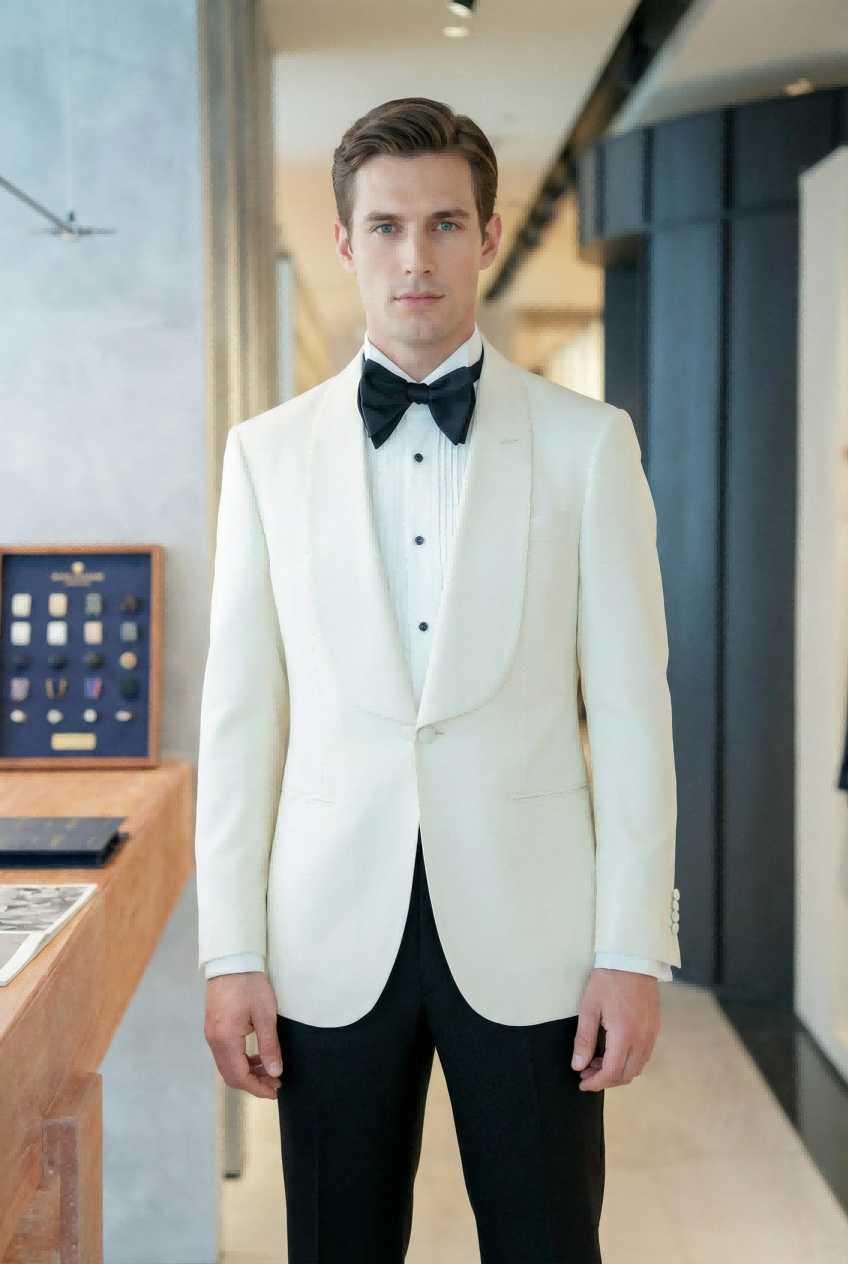
Professional Formal Suit Factory - Advanced Manufacturing & Custom Tailoring Solutions

Get a Free Quote

Our representative will contact you soon.
Email
Name
Company Name
Message
0/1000

formal suit factory

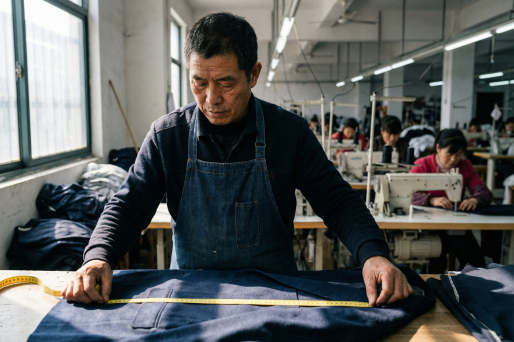
A formal suit factory represents the cornerstone of professional menswear manufacturing, serving as a comprehensive production facility dedicated to creating high-quality business attire. This specialized manufacturing environment combines traditional tailoring expertise with modern industrial processes to produce suits that meet the demanding standards of today's professional marketplace. The formal suit factory operates through multiple integrated departments, each focusing on specific aspects of garment creation, from initial design conceptualization to final quality inspection and packaging. The main functions of a formal suit factory encompass pattern development, fabric cutting, stitching operations, pressing procedures, and quality control measures. These facilities typically house advanced cutting tables equipped with computerized systems that ensure precision in fabric utilization while minimizing waste. The technological features of modern formal suit factory operations include automated spreading machines that lay fabric layers with consistent tension, computer-aided design software for pattern optimization, and sophisticated pressing equipment that creates professional finishes. Many formal suit factory locations incorporate lean manufacturing principles to streamline production workflows and reduce lead times. The applications of formal suit factory output extend across various market segments, including corporate uniforms, retail menswear, custom tailoring services, and international export markets. These manufacturing centers often specialize in specific suit styles, ranging from classic business cuts to contemporary slim-fit designs. The formal suit factory environment maintains strict temperature and humidity controls to preserve fabric integrity throughout the production process. Quality assurance protocols within each formal suit factory ensure that every garment meets predetermined specifications for construction, fit, and appearance before reaching consumers.

New Product Releases

The formal suit factory approach offers numerous compelling advantages that directly benefit customers seeking professional attire solutions. Cost efficiency stands as the primary benefit, as large-scale production capabilities allow formal suit factory operations to achieve economies of scale that translate into competitive pricing for end consumers. This manufacturing model reduces per-unit costs through bulk material purchasing, optimized labor allocation, and streamlined production processes. Quality consistency represents another significant advantage of the formal suit factory system, where standardized procedures ensure that each garment meets identical construction standards. Unlike individual tailoring operations that may vary in quality based on craftsman skill levels, the formal suit factory maintains uniform quality through systematic training programs and detailed production protocols. The formal suit factory environment enables rapid production turnaround times that benefit both retailers and consumers. Advanced planning systems allow these facilities to manage large order volumes efficiently while maintaining delivery schedules that meet market demands. Customization capabilities within formal suit factory settings have evolved significantly, allowing for personalized sizing options and style variations without compromising production efficiency. Modern formal suit factory operations utilize flexible manufacturing systems that can accommodate special orders alongside standard production runs. Innovation integration represents a substantial advantage, as formal suit factory investments in new technologies continuously improve product quality and manufacturing efficiency. These facilities often pioneer new construction techniques and materials that enhance garment durability and comfort. The formal suit factory model supports sustainable manufacturing practices through waste reduction programs, energy-efficient equipment, and responsible sourcing policies. Environmental consciousness has become increasingly important, and formal suit factory operations often implement recycling programs for fabric scraps and minimize water usage in production processes. Supply chain reliability benefits customers through consistent availability of popular styles and sizes. The formal suit factory network typically maintains strategic inventory levels that ensure prompt order fulfillment even during peak demand periods. Professional expertise within formal suit factory teams provides valuable consultation services to retailers and corporate clients seeking specialized uniform solutions. This knowledge base extends beyond manufacturing to include trend analysis, market insights, and technical recommendations that help customers make informed purchasing decisions.

Tips And Tricks

Beyond the Label: Why Super 110s-120s Are the ROI Kings for Made-to-Measure Business

07

Jan

Beyond the Label: Why Super 110s-120s Are the ROI Kings for Made-to-Measure Business

View More
Two Cities, One Vision: How Kris Bridged Heritage with Horizon

03

Feb

Two Cities, One Vision: How Kris Bridged Heritage with Horizon

View More
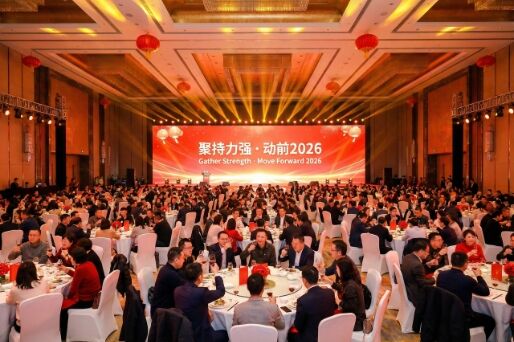
Building Bonds Beyond the Factory Floor: Highlights from Our 2026 Gala & Family Retreat

23

Jan

Building Bonds Beyond the Factory Floor: Highlights from Our 2026 Gala & Family Retreat

View More
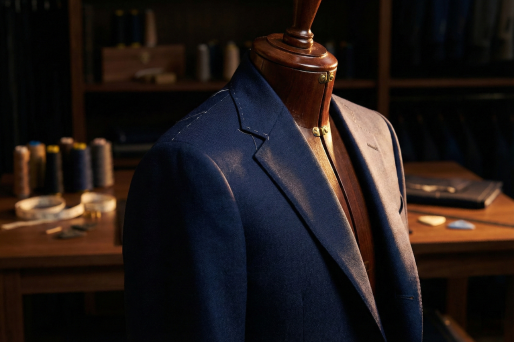
The Anatomy of the Perfect Roll: Why Our Half-Canvas MTM Suit is the B2B Best-Seller

23

Jan

The Anatomy of the Perfect Roll: Why Our Half-Canvas MTM Suit is the B2B Best-Seller

View More

Get a Free Quote

Our representative will contact you soon.
Email
Name
Company Name
Message
0/1000

formal suit factory

Advanced Manufacturing Technology Integration

Advanced Manufacturing Technology Integration

The modern formal suit factory leverages cutting-edge technology to revolutionize traditional garment manufacturing processes, delivering superior products with unprecedented precision and efficiency. Computer-aided design systems within each formal suit factory enable pattern makers to create highly accurate templates that optimize fabric utilization while ensuring consistent fit across different size ranges. These sophisticated CAD programs allow designers to modify patterns instantly, test various style combinations, and visualize the final product before cutting any fabric. The formal suit factory environment incorporates automated cutting systems that use laser or blade technology to slice through multiple fabric layers simultaneously with millimeter precision. This technology eliminates human error in cutting operations while significantly reducing production time and material waste. Digital pattern projection systems guide operators through complex cutting procedures, ensuring that each piece maintains exact specifications required for professional-grade suits. The formal suit factory setting benefits from computerized sewing machines that automatically adjust stitch parameters based on fabric type and seam requirements. These intelligent machines maintain consistent tension and stitch quality throughout long production runs, eliminating the variations that can occur with manual operation. Quality monitoring sensors integrated into formal suit factory equipment detect potential issues before they affect finished products, triggering immediate corrections that maintain production standards. Automated pressing systems within the formal suit factory utilize programmable steam and heat settings that create professional finishes without risk of fabric damage. These systems can store specific pressing profiles for different fabric types and garment components, ensuring optimal results for every piece processed. The formal suit factory environment also incorporates inventory management systems that track materials, work-in-progress, and finished goods in real-time, enabling precise production planning and resource allocation. This technological integration extends to environmental controls that maintain ideal temperature and humidity levels throughout the formal suit factory, preserving fabric quality and optimizing working conditions for maximum productivity.
Comprehensive Quality Control Systems

Comprehensive Quality Control Systems

The formal suit factory implements rigorous quality control systems that guarantee every garment meets exacting standards for construction, fit, and appearance, providing customers with reliable products that reflect professional excellence. Multi-stage inspection processes within each formal suit factory begin with incoming material verification, where fabric quality, color consistency, and dimensional stability undergo thorough evaluation before entering production workflows. These initial quality gates prevent defective materials from compromising finished products while ensuring that only premium inputs contribute to formal suit factory output. Specialized inspection stations throughout the formal suit factory monitor critical construction points, including seam integrity, button attachment strength, and zipper functionality. Trained quality control personnel utilize standardized checklists and measurement tools to verify that each garment component meets predetermined specifications. The formal suit factory quality system includes fit testing procedures where sample garments undergo evaluation on dress forms and live models to confirm proper proportions and comfort characteristics. Statistical process control methods employed within formal suit factory operations track quality metrics over time, identifying trends that might indicate equipment adjustments or training needs. These data-driven approaches enable continuous improvement initiatives that enhance overall product quality while reducing defect rates. Final inspection protocols at each formal suit factory encompass comprehensive visual examinations, measurements verification, and functional testing of all garment features. Quality control teams check pressing quality, thread trimming, label placement, and packaging presentation to ensure that customers receive products meeting professional standards. The formal suit factory quality system extends beyond individual garment inspection to include periodic audits of production processes, equipment calibration verification, and supplier performance evaluations. Corrective action procedures within formal suit factory operations ensure rapid response to quality issues, with root cause analysis preventing recurrence of problems. Customer feedback integration allows formal suit factory quality teams to continuously refine standards based on real-world performance data and satisfaction surveys. This comprehensive approach to quality management positions the formal suit factory as a reliable source for professional attire that consistently meets customer expectations while building long-term brand reputation and market trust.
Flexible Production and Customization Capabilities

Flexible Production and Customization Capabilities

The formal suit factory excels in providing flexible production solutions that accommodate diverse customer requirements while maintaining efficient manufacturing operations, enabling both standardized production runs and customized orders within the same facility framework. Modular production systems within each formal suit factory allow rapid reconfiguration of assembly lines to handle different suit styles, fabrics, and specifications without extensive downtime or retooling costs. This flexibility enables formal suit factory operations to respond quickly to changing market demands while maximizing equipment utilization across various product categories. Advanced planning software coordinates formal suit factory production schedules to optimize resource allocation between standard inventory replenishment and special order fulfillment. These systems consider fabric availability, labor capacity, and delivery requirements to create efficient production sequences that minimize lead times while maintaining quality standards. The formal suit factory environment supports made-to-measure services through dedicated cutting and assembly areas equipped with specialized tools for handling individual customer specifications. Pattern modification capabilities allow formal suit factory teams to adjust standard templates for unique sizing requirements or style preferences without disrupting regular production workflows. Fabric variety management within formal suit factory operations encompasses extensive inventory systems that maintain diverse material options for different customer segments and seasonal requirements. Strategic partnerships with textile suppliers enable formal suit factory buyers to source specialty fabrics quickly for custom orders while securing competitive pricing on high-volume standard materials. Color matching services provided by formal suit factory teams ensure consistency across multiple garments or replacement orders through sophisticated color management systems and standardized dyeing procedures. The formal suit factory production model accommodates rapid prototype development for new designs or customer-specific requirements, utilizing dedicated sample rooms and expedited approval processes. Small batch production capabilities within formal suit factory settings enable economical manufacturing of limited edition styles or corporate uniform orders without minimum quantity restrictions that might limit customer options. Technology integration allows formal suit factory operations to maintain detailed customer preference databases that streamline repeat order processing while suggesting complementary products based on purchase history. This comprehensive flexibility positions the formal suit factory as an ideal partner for retailers, corporate clients, and individual customers seeking reliable sources for both standard and customized professional attire solutions.

Get a Free Quote

Our representative will contact you soon.
Email
Name
Company Name
Message
0/1000