
 EN
EN



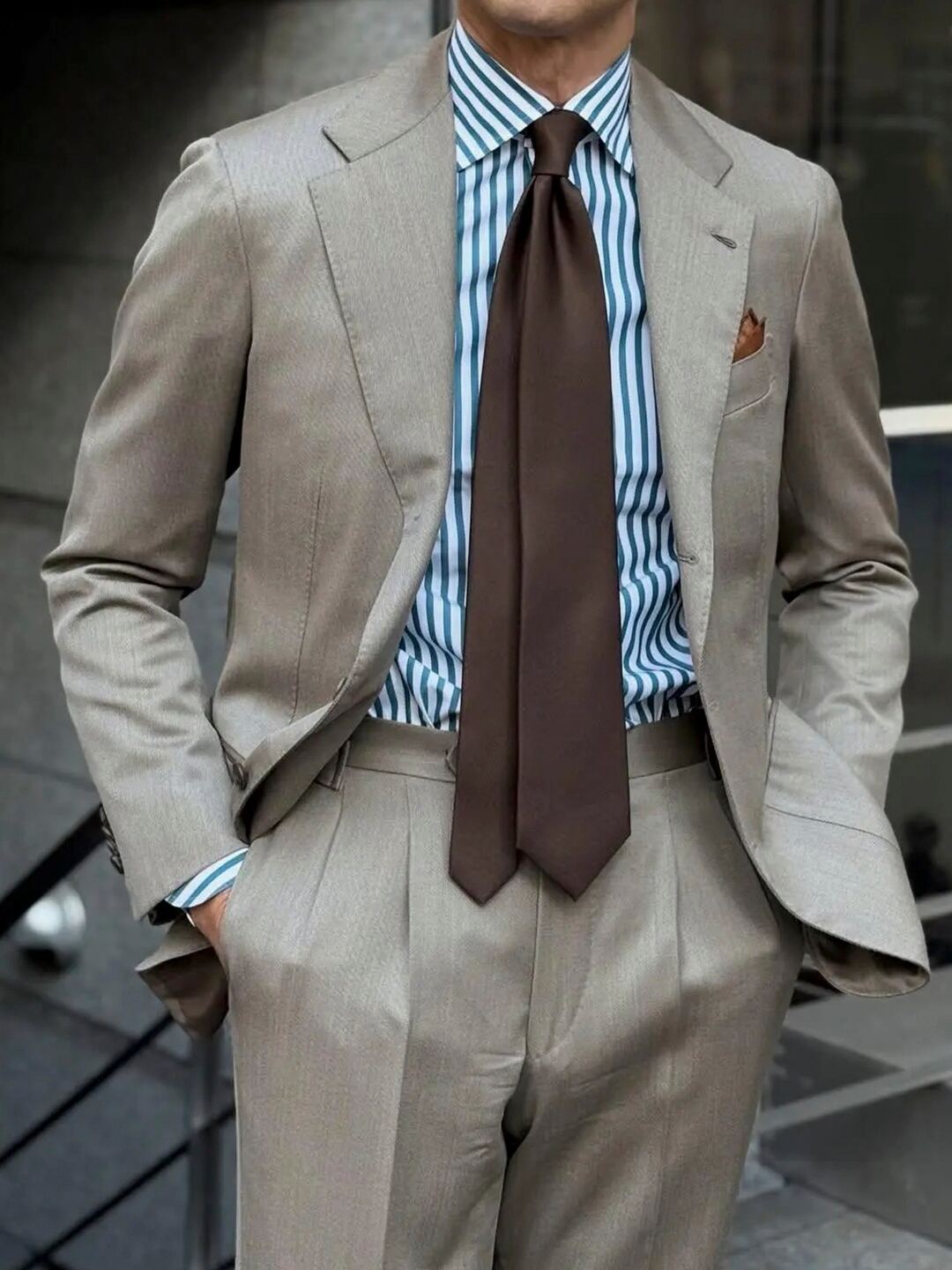
In the competitive landscape of modern business, the impact of professional attire cannot be overstated. A formal suit serves as more than just clothing; it functions as a powerful tool that shapes perceptions, builds credibility, and establishes authority in professional environments. Research consistently demonstrates that individuals wearing well-tailored formal business attire are perceived as more competent, trustworthy, and successful by colleagues, clients, and business partners alike.
The psychological impact of wearing a formal suit extends beyond external perceptions to influence the wearer's own confidence and performance. This phenomenon, known as enclothed cognition, suggests that formal business attire can enhance cognitive functions, decision-making abilities, and overall professional demeanor. Understanding how a formal suit influences professional image becomes crucial for career advancement and business success.
The Psychology Behind Professional Attire
First Impressions and Cognitive Biases
Within the first seven seconds of meeting someone, observers form lasting impressions based primarily on visual cues. A formal suit significantly influences these initial judgments by triggering positive cognitive biases associated with professionalism and competence. Studies in social psychology reveal that individuals wearing formal business attire are automatically perceived as having higher status, greater intelligence, and stronger leadership capabilities.
The halo effect, a cognitive bias where positive impressions in one area influence opinions in other areas, plays a crucial role in professional settings. When someone wears a well-fitted formal suit, observers often attribute other positive qualities such as reliability, attention to detail, and business acumen. This psychological phenomenon creates significant advantages in networking, negotiations, and career advancement opportunities.
The Confidence Factor
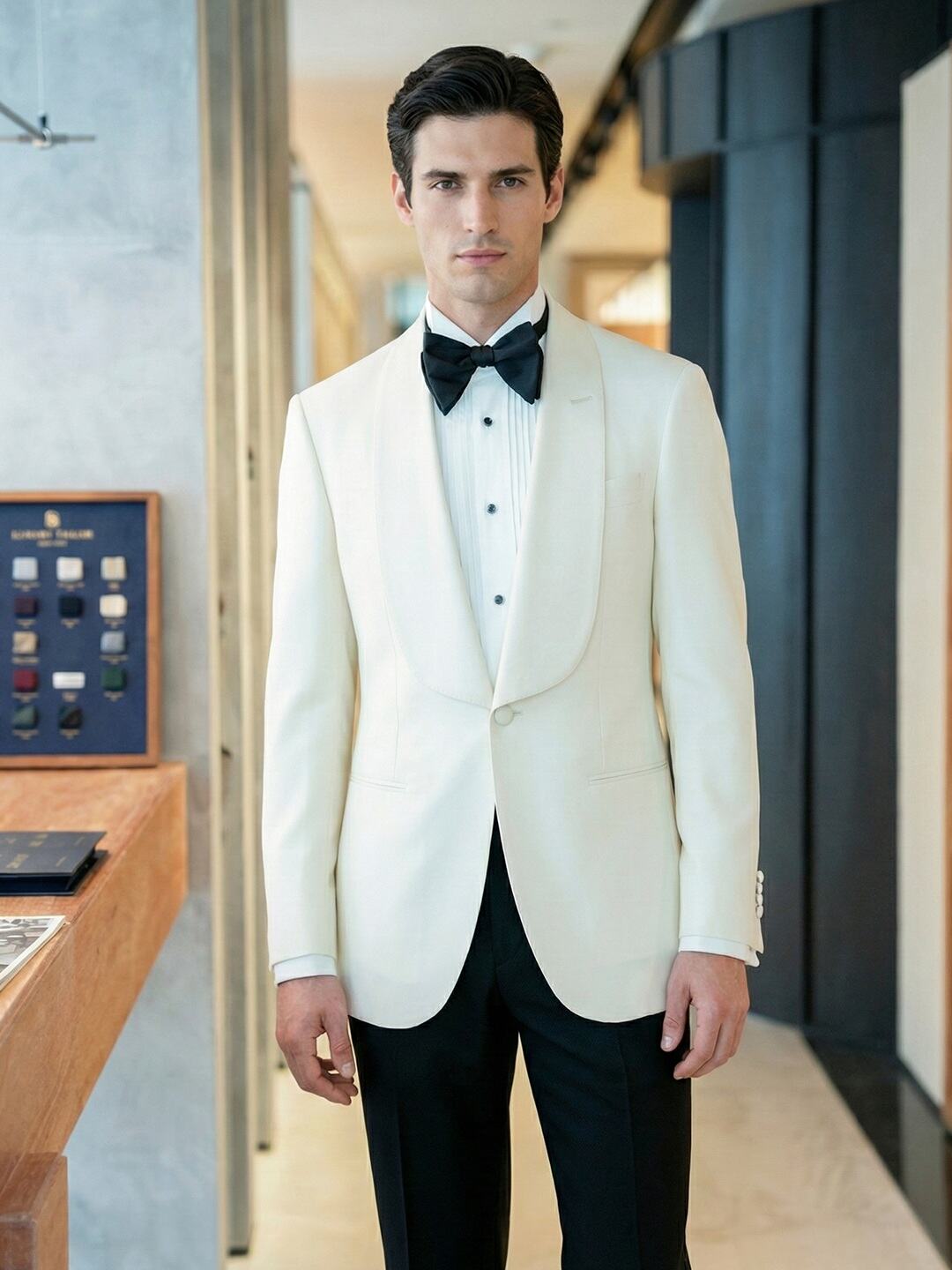
Wearing a formal suit fundamentally alters the wearer's self-perception and confidence levels. The act of dressing professionally triggers a psychological shift that enhances posture, speech patterns, and overall demeanor. This transformation occurs because formal business attire serves as a symbolic representation of success and authority, which the wearer internalizes and projects outward.
Research indicates that individuals wearing formal suits demonstrate increased assertiveness in negotiations, improved performance in presentations, and enhanced leadership behaviors. The structured nature of formal business attire provides a psychological framework that supports professional identity and reinforces confident behavior patterns in challenging business situations.
Industry Standards and Expectations
Corporate Culture Alignment
Different industries maintain varying standards for professional dress codes, with many traditional sectors requiring formal suits as standard business attire. Financial services, legal firms, consulting companies, and executive-level positions across industries typically expect formal business dress as a demonstration of professionalism and respect for organizational culture. Understanding these expectations becomes essential for career success within these environments.
A formal suit communicates cultural awareness and adaptability, showing that individuals understand and respect established business norms. This alignment with corporate expectations often influences promotion decisions, client assignments, and leadership opportunities. Organizations frequently view adherence to dress codes as an indicator of broader professional competencies and cultural fit.
Client Relationship Dynamics
In client-facing roles, a formal suit serves as a critical component of relationship building and trust establishment. Clients often associate professional appearance with service quality, expertise, and reliability. The visual impact of formal business attire creates an immediate sense of credibility that facilitates smoother business relationships and enhanced client confidence.
International business dealings particularly benefit from formal suit presentation, as many cultures place significant emphasis on professional appearance as a sign of respect and seriousness. The universal recognition of formal suit standards across global business environments makes it an essential tool for international professional success.
Components of Professional Image Enhancement
Quality and Fit Considerations
The effectiveness of a formal suit in enhancing professional image depends heavily on quality construction and proper fit. High-quality fabrics, precise tailoring, and attention to detail create a polished appearance that communicates success and attention to excellence. Poorly fitting or low-quality formal business attire can have the opposite effect, potentially undermining professional credibility.
Investment in well-constructed formal suits demonstrates long-term thinking and professional commitment. Quality formal business attire maintains its appearance over time, ensuring consistent professional presentation across multiple occasions. The durability and timeless appeal of quality formal suits make them cost-effective investments in professional image development.
Color and Style Impact
Color selection in formal suit choices significantly influences professional perception and appropriateness for different business contexts. Navy, charcoal, and dark gray formal suits provide versatility and authority appropriate for most professional situations. These colors convey trustworthiness, competence, and sophisticated judgment while remaining appropriate across diverse business environments.
Style elements such as lapel width, button stance, and silhouette contribute to the overall impression created by formal business attire. Contemporary formal suit styles balance traditional professionalism with modern sophistication, ensuring relevance in current business environments. Understanding style nuances helps professionals select formal suits that enhance their individual professional image while maintaining appropriate business standards.
Career Advancement Benefits
Leadership Perception
Organizations consistently associate formal suit presentation with leadership potential and executive presence. The authoritative appearance created by well-chosen formal business attire influences promotion decisions and leadership role assignments. Executives and senior managers typically maintain formal dress standards as part of their professional brand and organizational representation.
The visual consistency of formal suit presentation creates a professional brand that colleagues and superiors recognize and respect. This brand recognition often translates into increased visibility for high-profile projects, speaking opportunities, and strategic initiatives. The professional image established through formal business attire becomes a career asset that supports long-term advancement goals.
Networking Advantages
Professional networking events and business functions heavily favor formal suit presentation as the standard for serious business professionals. The immediate credibility established by appropriate formal business attire facilitates meaningful connections and business relationship development. First impressions created by professional appearance often determine the quality and depth of subsequent business relationships.
Formal suit presentation signals membership in professional business communities and demonstrates commitment to established business protocols. This visual alignment with professional standards opens doors to exclusive networking opportunities, industry events, and high-level business discussions that might otherwise remain inaccessible.
Modern Professional Standards
Adapting to Changing Workplace Dynamics
While workplace dress codes have evolved toward more casual approaches in many industries, the formal suit remains the gold standard for important business occasions, presentations, and client meetings. Understanding when to leverage formal business attire for maximum professional impact requires sophisticated judgment about context and audience expectations.
The strategic use of formal suits in modern business environments demonstrates professional versatility and situational awareness. Professionals who understand when formal business attire provides competitive advantages can leverage these opportunities for enhanced credibility and influence. The formal suit serves as a professional tool that can be deployed strategically for maximum impact.
Digital Age Considerations
Video conferences and digital presentations have created new contexts where formal suit presentation influences professional image through technology platforms. The visual impact of formal business attire translates effectively through digital media, maintaining professional standards in virtual business environments. Quality formal suits photograph well and create positive impressions in digital professional contexts.
Social media and professional platforms increasingly showcase formal business attire as indicators of professional seriousness and career success. The photogenic qualities of well-tailored formal suits support personal branding efforts across digital professional platforms. Maintaining formal suit standards in digital presentations reinforces professional image consistency across all business channels.
FAQ
How often should professionals wear a formal suit in modern business environments?
The frequency of formal suit wear depends on industry standards, role requirements, and specific business contexts. Client-facing professionals, executives, and those in traditional industries may wear formal business attire daily, while others might reserve formal suits for important meetings, presentations, or special business occasions. Understanding your organization's culture and client expectations helps determine appropriate formal suit frequency.
What makes a formal suit more effective for professional image enhancement?
Effectiveness stems from proper fit, quality construction, appropriate color selection, and attention to styling details. A well-tailored formal suit that fits the wearer's body type and professional context creates the most positive impact. Quality fabrics and construction ensure the formal business attire maintains its appearance and professional impact over time.
Can wearing a formal suit actually improve job performance and career prospects?
Research supports the connection between formal business attire and improved performance through increased confidence, enhanced perception by others, and alignment with professional expectations. While a formal suit alone doesn't guarantee success, it creates advantages in first impressions, networking opportunities, and professional credibility that support career advancement efforts.
How should professionals balance formal suit investment with budget considerations?
Building a professional wardrobe should focus on quality over quantity, starting with versatile formal suit colors like navy or charcoal that work across multiple business contexts. Investing in fewer, higher-quality formal suits typically provides better long-term value than purchasing multiple lower-quality options. Professional tailoring of moderately priced formal business attire often creates better results than expensive suits with poor fit.
Table of Contents
- The Psychology Behind Professional Attire
- Industry Standards and Expectations
- Components of Professional Image Enhancement
- Career Advancement Benefits
- Modern Professional Standards
-
FAQ
- How often should professionals wear a formal suit in modern business environments?
- What makes a formal suit more effective for professional image enhancement?
- Can wearing a formal suit actually improve job performance and career prospects?
- How should professionals balance formal suit investment with budget considerations?