
 EN
EN



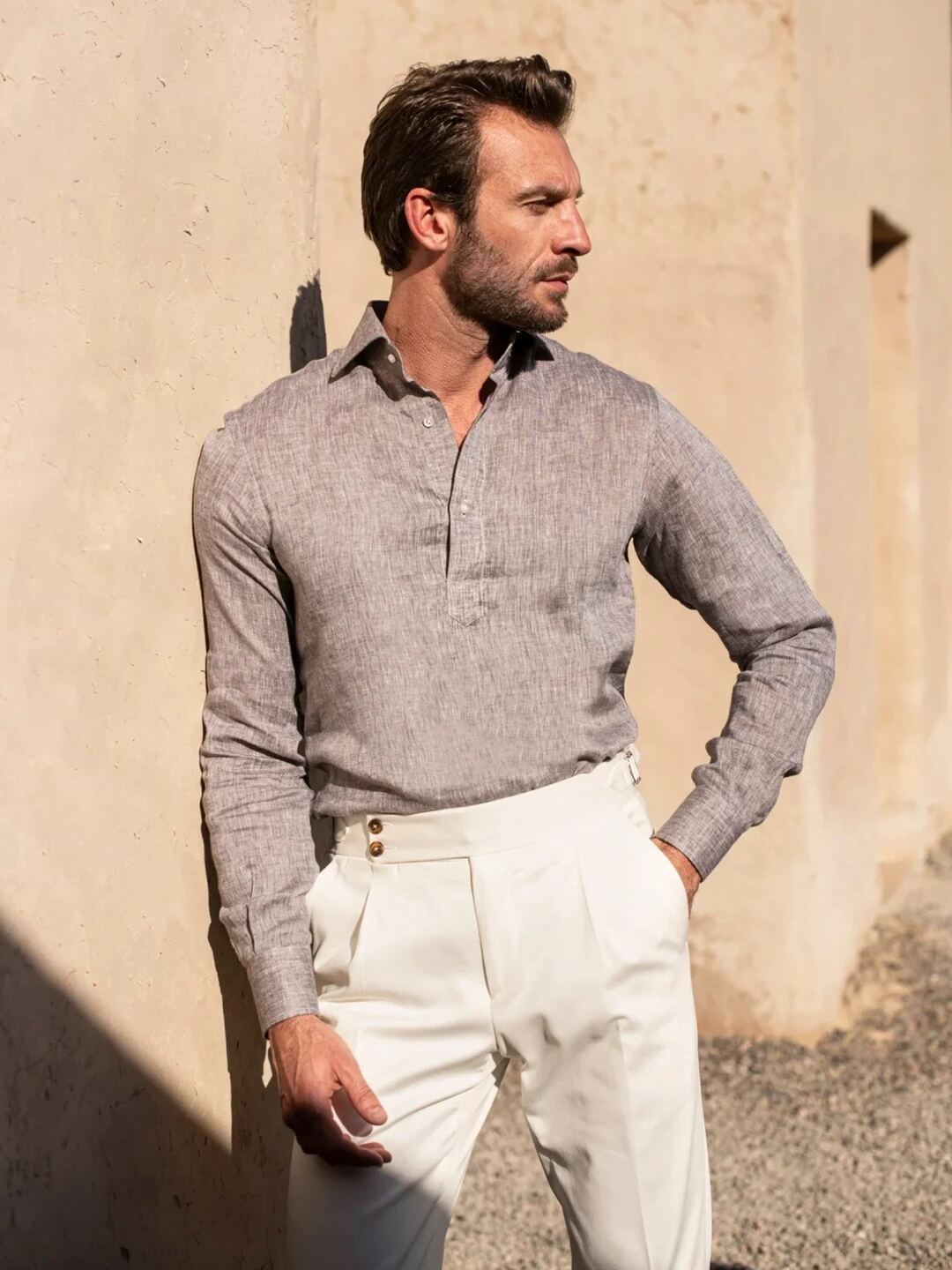
The foundation of any sophisticated menswear wardrobe lies in the careful selection of versatile, high-quality pieces that transcend seasonal trends and serve multiple purposes. Among these essential garments, the dress shirt stands as perhaps the most crucial investment a man can make for his professional and social wardrobe. This timeless piece bridges the gap between formal business attire and refined casual wear, offering unmatched versatility that makes it indispensable for the modern gentleman.
A well-crafted dress shirt serves as the cornerstone of countless outfit combinations, adapting seamlessly from boardroom presentations to evening social events. Its clean lines, structured fit, and refined details create an instant foundation for professional polish, while its adaptability allows for creative styling in more relaxed settings. The dress shirt represents more than mere clothing; it embodies a commitment to personal presentation and attention to detail that speaks volumes about the wearer's character and professional standards.
Historical Significance and Evolution of the Dress Shirt
Origins of Formal Shirting
The dress shirt traces its lineage back to the undergarments worn by European aristocracy in the 16th and 17th centuries. Originally conceived as an undergarment to protect expensive outer garments from perspiration and skin oils, the shirt gradually evolved into a visible element of fashionable dress. By the 19th century, the dress shirt had emerged as a symbol of social status and refinement, with crisp white cotton becoming the hallmark of gentlemanly attire.
The Industrial Revolution brought significant changes to shirt manufacturing, enabling mass production while maintaining quality standards. This democratization of formal wear made the dress shirt accessible to the growing middle class, establishing it as an essential component of professional attire. The standardization of sizing and construction techniques during this period laid the groundwork for the modern dress shirt industry.
Modern Design Innovation
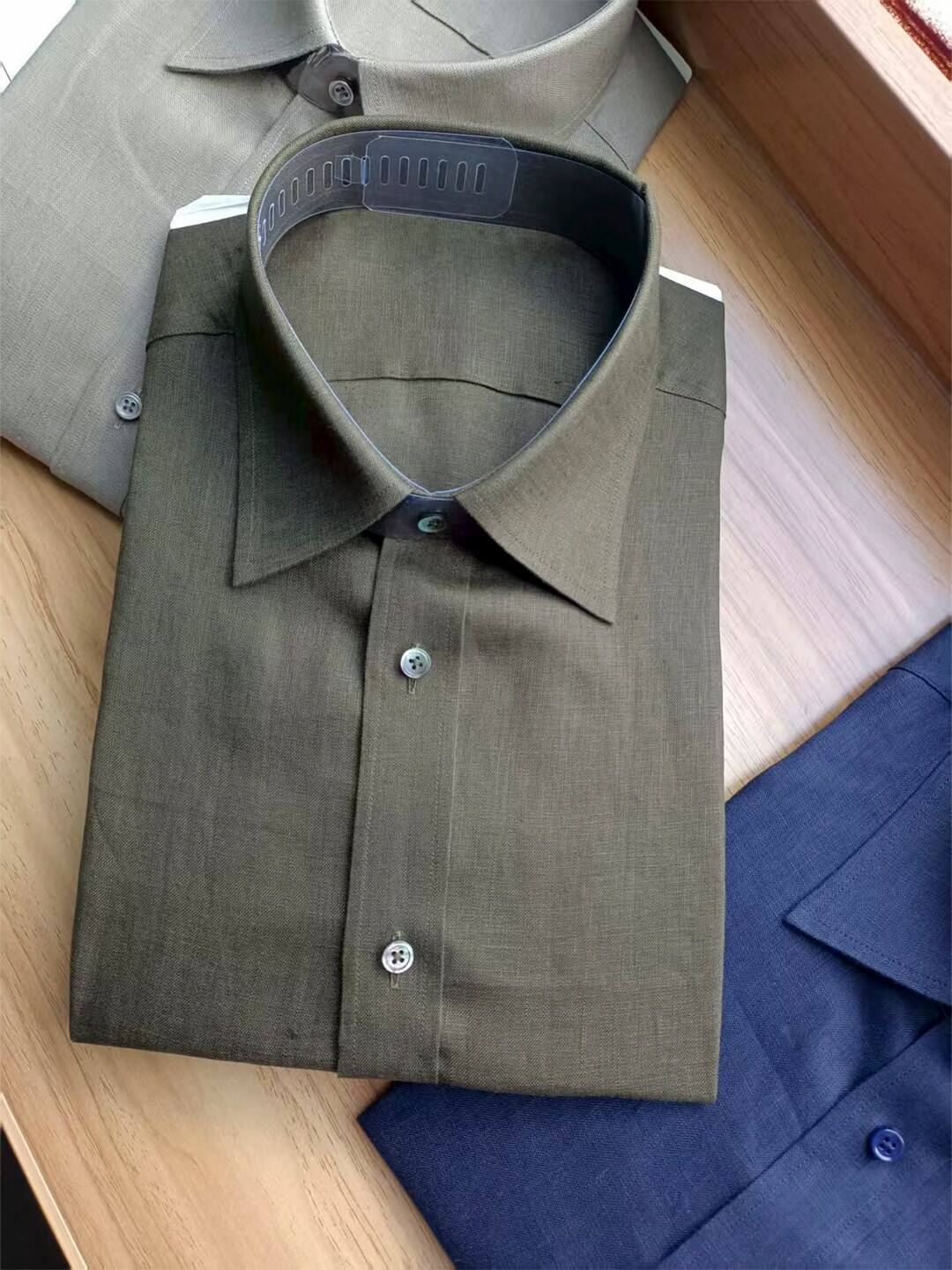
Contemporary dress shirt design incorporates advanced fabric technologies and tailoring techniques that enhance both comfort and durability. Modern manufacturers utilize performance fabrics that offer moisture-wicking properties, wrinkle resistance, and improved stretch capabilities without compromising the traditional appearance that defines a quality dress shirt. These innovations ensure that today's dress shirts meet the demands of active professional lifestyles while maintaining their sophisticated aesthetic.
The evolution of fit profiles has also expanded the appeal of the dress shirt to diverse body types and style preferences. From slim-fit options that create a streamlined silhouette to classic cuts that prioritize comfort and movement, modern dress shirt construction accommodates individual preferences while preserving the garment's inherent elegance and professionalism.
Essential Role in Professional Wardrobes
Business Formal Requirements
In corporate environments where first impressions carry significant weight, the dress shirt functions as a non-negotiable element of professional presentation. Its role extends beyond mere compliance with dress codes to actively contributing to perceptions of competence, attention to detail, and respect for professional standards. A properly fitted dress shirt creates clean lines that enhance the wearer's silhouette while projecting confidence and authority.
The versatility of the dress shirt allows professionals to adapt their appearance to various business contexts throughout the day. When paired with a suit and tie for formal meetings, the dress shirt provides the foundation for executive presence. During less formal interactions, the same shirt can be worn open-collar with rolled sleeves, maintaining professionalism while appearing more approachable and relaxed.
Investment Value and Longevity
Quality dress shirts represent exceptional value in a professional wardrobe due to their durability and timeless styling. Unlike trendy fashion pieces that quickly become outdated, a well-made dress shirt remains relevant for years when properly cared for. The cost per wear of a quality dress shirt often proves more economical than cheaper alternatives that require frequent replacement due to poor construction or fabric deterioration.
The construction quality of premium dress shirts includes reinforced stress points, quality button attachment, and precise stitching that withstand the rigors of regular wear and laundering. These details contribute to the garment's longevity while maintaining its professional appearance through countless wear cycles, making the dress shirt a wise long-term investment for any serious professional.
Versatility Across Different Occasions
Formal Event Adaptability
The dress shirt's adaptability extends far beyond office environments, making it an essential component for formal social events and special occasions. Whether attending weddings, galas, or cultural events, the dress shirt provides an appropriate foundation that can be styled to match the event's dress code requirements. Its neutral palette and classic styling complement various accessories and outerwear options.
For black-tie events, the dress shirt serves as the canvas for formal accessories such as bow ties, cufflinks, and studs. Its structured collar and precise fit ensure that these formal elements are properly displayed and maintained throughout the event. The dress shirt's role in formal wear demonstrates its importance beyond daily professional wear, establishing it as a wardrobe essential for life's significant moments.
Smart Casual Integration
Modern lifestyle demands often blur the lines between formal and casual attire, and the dress shirt excels in these transitional contexts. When styled appropriately, a dress shirt can anchor smart casual outfits that are suitable for client dinners, networking events, or weekend social gatherings. This versatility reduces the need for multiple specialized garments, streamlining wardrobe management while maintaining appropriate styling options.
The ability to dress down a formal dress shirt through strategic styling choices demonstrates its exceptional versatility. Rolling sleeves, leaving the top button undone, or pairing with less formal trousers creates looks that maintain sophistication while appearing more relaxed and approachable. This adaptability makes the dress shirt an incredibly efficient wardrobe component for men with varied social and professional commitments.
Quality Fabric and Construction Standards
Premium Material Selection
The foundation of any exceptional dress shirt lies in the quality of its fabric construction and material selection. Premium cotton varieties such as Egyptian and Pima cotton offer superior fiber length, resulting in stronger, smoother fabrics that improve with age rather than deteriorating. These high-quality materials provide the breathability and comfort necessary for all-day wear while maintaining the crisp appearance that defines a professional dress shirt.
Fabric weave patterns also play a crucial role in the dress shirt's performance and appearance. Oxford weaves offer durability and texture, while poplin provides smooth, crisp surfaces ideal for formal settings. Twill weaves create diagonal patterns that add visual interest while maintaining professional appropriateness. Understanding these fabric characteristics helps in selecting dress shirts that meet specific performance and aesthetic requirements.
Construction Details and Craftsmanship
Superior dress shirt construction involves numerous technical details that distinguish quality garments from mass-market alternatives. Precision in collar construction ensures proper shape retention and professional appearance throughout the day. Quality dress shirts feature interfaced collars with removable stays that maintain structure while allowing for easy laundering and customization.
Button selection and attachment methods reflect the overall quality of dress shirt construction. Mother-of-pearl buttons not only provide aesthetic appeal but also offer superior durability compared to plastic alternatives. Reinforced buttonholes and stress points ensure that the dress shirt maintains its structural integrity through regular use, contributing to the garment's long-term value and performance.
Fit and Sizing Considerations
Achieving Proper Proportions
The transformative power of a dress shirt depends heavily on achieving proper fit across multiple dimensions of the garment. Shoulder width serves as the foundation for overall fit, as this measurement cannot be effectively altered after purchase. The shoulder seam should rest at the natural shoulder point, creating clean lines that enhance the wearer's silhouette without creating tension or excess fabric.
Sleeve length requires careful attention to ensure proper proportion and professional appearance. The dress shirt sleeve should extend approximately one-quarter to one-half inch beyond the suit jacket sleeve when worn together, creating a subtle layered effect that demonstrates attention to detail. This precise measurement contributes to the overall polish of formal attire combinations.
Body Fit and Comfort
The torso fit of a dress shirt must balance professional appearance with comfort and mobility. Contemporary fit profiles offer various options to accommodate different body types and style preferences while maintaining the structured appearance characteristic of quality dress shirts. A properly fitted dress shirt should allow comfortable movement without creating excess fabric that compromises the clean lines essential to professional presentation.
Collar sizing represents one of the most critical aspects of dress shirt fit, as an improperly sized collar creates discomfort and unprofessional appearance. The collar should allow comfortable movement while maintaining contact with the neck, providing space for one finger between the collar and neck when buttoned. This precise fit ensures comfort throughout long workdays while maintaining the structured appearance that defines a quality dress shirt.
Styling and Coordination Principles
Color Palette Coordination
Effective dress shirt styling begins with understanding color coordination principles that create harmonious, professional appearances. Classic white dress shirts provide the most versatile foundation, complementing virtually any suit color or pattern while maintaining timeless appeal. Light blue dress shirts offer subtle variation while retaining professional appropriateness and excellent coordination potential with navy, charcoal, and brown suits.
Pattern integration requires careful consideration to avoid visual conflicts while adding interest to professional attire. Subtle patterns such as fine stripes or small checks can enhance the dress shirt's visual appeal without overwhelming the overall outfit composition. Understanding the scale relationships between shirt patterns and suit textures ensures sophisticated coordination that demonstrates refined taste and attention to detail.
Accessory Integration
The dress shirt serves as the foundation for integrating various accessories that enhance professional presentation. Tie selection should complement the dress shirt's color and pattern while creating appropriate contrast for visual definition. The dress shirt's collar style influences tie knot selection and overall proportions, requiring coordination between these elements for optimal appearance.
Cufflink compatibility requires dress shirts with French cuffs or convertible cuff designs that accommodate these formal accessories. The dress shirt's role in showcasing quality cufflinks demonstrates its importance in creating elevated formal presentations that distinguish the wearer in professional and social contexts. These styling details contribute to the dress shirt's value as a wardrobe investment piece.
Care and Maintenance Best Practices
Laundering Techniques
Proper care and maintenance significantly extend the lifespan and appearance of quality dress shirts while preserving their professional presentation capabilities. Professional laundering services often provide superior results for dress shirts, utilizing specialized techniques and equipment that maintain fabric integrity and structural elements such as collar stays and button reinforcement.
Home care requires attention to water temperature, detergent selection, and drying methods that preserve the dress shirt's appearance and performance characteristics. Cold water washing helps prevent color fading and fabric shrinkage, while air drying minimizes stress on fabric fibers and construction details. These careful practices ensure that dress shirts maintain their professional appearance through numerous wear cycles.
Storage and Organization
Proper storage techniques protect dress shirts from wrinkles, fabric stress, and environmental damage that can compromise their professional appearance. Quality hangers that support the dress shirt's shoulders prevent stretching and maintain proper shape between wears. Cedar accessories help protect against insects while providing pleasant fragrance that enhances the wearing experience.
Rotation practices help extend the lifespan of dress shirt collections by allowing fabrics to rest between wears, preventing excessive stress on individual garments. This approach also ensures that dress shirts maintain their shape and appearance longer, maximizing the return on investment while maintaining consistent professional presentation standards.
FAQ
How many dress shirts should a professional wardrobe include
A well-rounded professional wardrobe should include a minimum of five to seven high-quality dress shirts to ensure adequate rotation while maintaining consistent professional presentation. This quantity allows for regular laundering cycles while providing variety in colors and patterns suitable for different professional contexts. Quality over quantity remains important, as fewer premium dress shirts often provide better long-term value than numerous lower-quality alternatives.
What collar styles work best for different face shapes
Collar selection should complement facial structure to create balanced, flattering proportions. Spread collars work well for men with narrow faces, as the wider collar opening creates visual width. Point collars suit broader face shapes by creating vertical lines that elongate the appearance. Button-down collars offer versatility for most face shapes while providing a slightly more casual aesthetic suitable for varied professional environments.
How can you identify quality construction in a dress shirt
Quality dress shirt construction is evident in several key details including reinforced stress points, precise stitching, and quality button attachment. Single-needle stitching creates stronger seams compared to chain-stitched construction. Quality dress shirts feature properly interfaced collars, reinforced buttonholes, and split-yoke construction that enhances fit and durability. These construction details indicate superior craftsmanship and contribute to the garment's long-term performance and value.
What is the difference between dress shirts and casual shirts
Dress shirts feature structured construction with interfaced collars, longer tails for tucking, and formal details such as barrel or French cuffs. The fabrics typically used in dress shirts are finer and more tightly woven compared to casual shirts, creating smoother surfaces appropriate for professional settings. Dress shirts also maintain consistent sizing standards and formal proportions that distinguish them from the more relaxed styling characteristic of casual shirt designs.