
 EN
EN


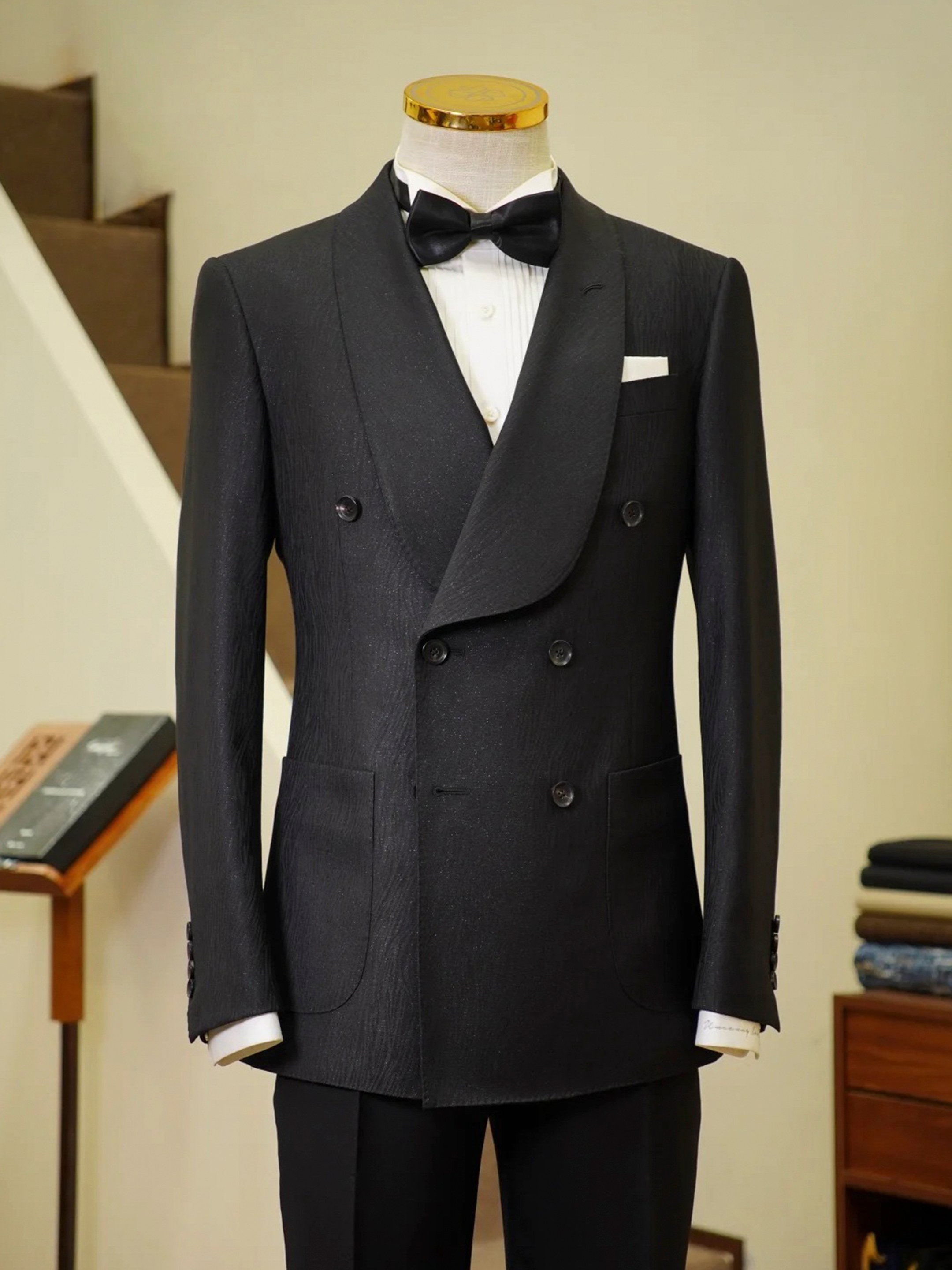
A formal suit is far more than a dress code requirement. In the world of B2B commerce, corporate identity, and executive leadership, the way a professional presents themselves in a formal suit communicates a precise set of values before a single word is spoken. Brand positioning — the deliberate effort to occupy a specific place in the minds of clients, partners, and stakeholders — is influenced by visual signals at every touchpoint, and personal dress sits at the very center of that impression management strategy.
Understanding how a formal suit reflects brand positioning requires examining the relationship between garment choices and the psychological cues they send to an audience. Whether a company projects authority, innovation, tradition, or approachability, the formal suit worn by its representatives becomes a living extension of that brand narrative. For businesses and individuals who take brand equity seriously, the formal suit is not a neutral uniform — it is a calculated statement.
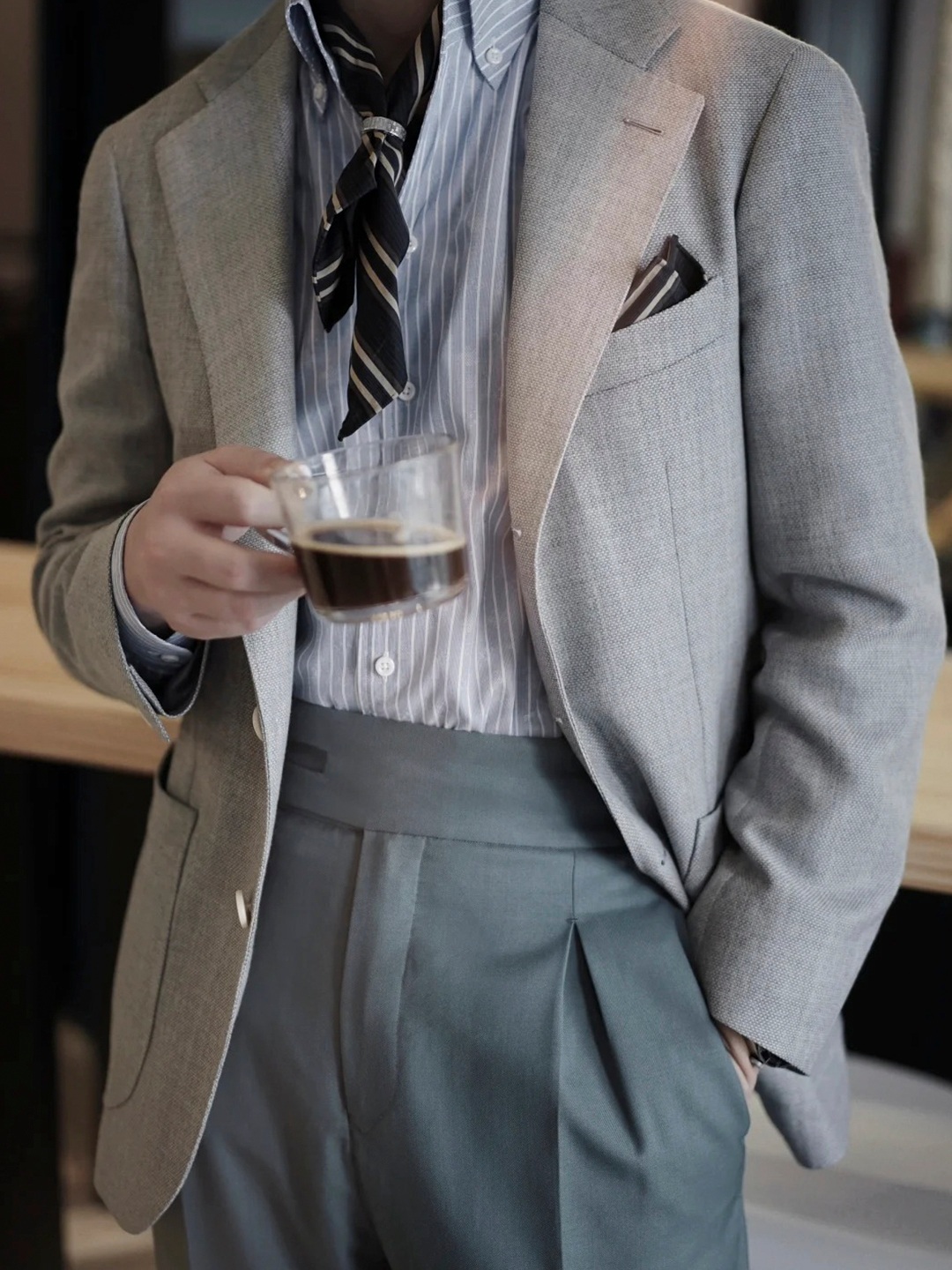
The Psychology Behind Formal Suit Choices and Brand Perception
First Impressions Are Brand Impressions
Research in social cognition consistently demonstrates that visual judgments are made within seconds of a first encounter. In a professional context, a formal suit is one of the most powerful tools available for shaping those initial perceptions. When a sales director, executive, or brand ambassador walks into a boardroom, the cut, color, and quality of their formal suit send immediate signals about the organization they represent.
A poorly fitted or dated formal suit can inadvertently suggest a company lacks attention to detail, while a precisely tailored, high-quality formal suit communicates precision and investment in excellence. These are not superficial observations — they align directly with the brand values a company works hard to build through marketing, service delivery, and communication strategy.
Brand positioning depends on consistency, and the formal suit is one of the most visible consistency checkpoints in face-to-face business interactions. Every time a representative steps in front of a client wearing a well-chosen formal suit, the brand's promise is either reinforced or undermined.
Color Psychology in the Formal Suit Context
Color is among the most studied aspects of visual communication in branding, and the formal suit offers a direct canvas for applying those principles. Navy blue, for example, projects reliability, depth, and trustworthiness — qualities highly desirable for financial services, consulting, or legal sectors where brand positioning hinges on credibility. A navy formal suit with a structured pinstripe pattern elevates those associations by adding a sense of precision and heritage.
Charcoal grey communicates balance, professionalism, and versatility — making it a preferred formal suit choice for executives who need to communicate authority without the perceived rigidity sometimes associated with black. These color choices are rarely accidental in well-managed organizations. They reflect a deliberate extension of brand color strategy into wearable form.
When companies develop dress codes or provide uniforms for client-facing teams, the formal suit color palette is typically selected in alignment with brand guidelines. This level of intentionality demonstrates how deeply the formal suit connects to brand positioning strategy rather than mere etiquette.
How Formal Suit Design Elements Signal Market Position
Fit, Tailoring, and the Premium Brand Signal
One of the most powerful differentiators in formal suit communication is fit. A bespoke or made-to-measure formal suit signals premium positioning immediately. In markets where luxury, precision, and exclusivity are core brand pillars, a flawlessly tailored formal suit acts as a physical manifestation of those promises. The jacket lapels, shoulder structure, trouser break, and overall silhouette all contribute to a message about how seriously the wearer — and by extension, their organization — approaches quality.
For brands targeting enterprise clients, high-net-worth individuals, or international partners, the formal suit must meet an elevated standard. A formal suit with impeccable construction communicates that the organization it represents does not cut corners. This is especially relevant in industries such as wealth management, luxury real estate, and high-level legal practice, where the brand must radiate an unwavering commitment to quality at every interaction.
Even in non-luxury segments, fit remains a powerful marker of professionalism. A well-fitted formal suit in a mid-market context signals competence, self-awareness, and respect for the client — three qualities that consistently underpin positive brand perception regardless of price tier.
Pattern, Texture, and Brand Personality
Beyond fit, the design details of a formal suit speak to brand personality. Pinstripes, for instance, carry centuries of association with banking, finance, and institutional authority. Wearing a pinstripe formal suit in a client meeting instantly references an entire tradition of commercial gravitas. For brands that wish to position themselves as established, reliable, and knowledgeable, the pinstripe formal suit is a remarkably efficient shorthand.
Solid-colored formal suits with subtle texture, such as a wool-blend with a faint houndstooth weave, project a different message: sophisticated, refined, and quietly confident. These choices suit brands positioning themselves as understated specialists rather than loud market disruptors. The formal suit pattern choice thus becomes a micro-element of brand communication strategy that, when done correctly, reinforces the macro-level brand story.
Contemporary brands seeking to project innovation while maintaining credibility may choose a formal suit with modern slim cuts and minimalist detailing. This communicates that they understand tradition but operate with a forward-looking mindset — a valuable positioning for technology firms, forward-thinking consulting practices, or creative agencies that work within regulated industries.
Consistency of the Formal Suit Across Teams and Brand Touchpoints
Team Dress Alignment as a Brand Strategy
Individual formal suit choices matter, but organizational consistency amplifies those signals significantly. When an entire team presents in coordinated or complementary formal suits, the effect on brand perception is multiplicative. Clients and prospects see an organization that thinks holistically, maintains standards, and respects the encounter enough to present cohesively.
This is why many firms invest in formal suit guidelines as part of their brand standards documentation. From sales teams attending trade shows to executive panels participating in industry conferences, the collective appearance in formal suits becomes a brand asset. A cohesive formal suit aesthetic across a team signals internal culture — disciplined, aligned, and professionally oriented.
Brand inconsistency in dress, by contrast, can send unintended signals. When some team members arrive in sharp formal suits while others dress casually, the impression of a fragmented or unmanaged culture can emerge — directly contradicting the unified, capable brand positioning the company has invested resources to build.
The Formal Suit in Cross-Cultural Brand Communication
In global business, the formal suit carries relatively consistent positive associations across markets. While cultural nuances exist in accessories, color preferences, and style formality levels, the fundamental formal suit remains broadly recognized as a symbol of professional seriousness and institutional respect. For internationally active brands, this makes the formal suit a reliable cross-cultural communication tool.
When entering a new market or meeting international counterparts, the formal suit signals that the wearer and their organization understand and respect professional norms. This is a subtle but meaningful act of cultural intelligence, and it contributes to brand positioning as a competent, globally aware entity.
Companies that operate across multiple regions often develop formal suit standards that allow for local adaptation while maintaining core brand values — such as always using the brand's signature color family or consistently opting for structured, high-quality fabrics. This flexibility-within-consistency model mirrors the broader brand localization strategies employed in marketing and communications.
Practical Guidance for Aligning the Formal Suit with Brand Positioning
Mapping the Formal Suit to Brand Archetype
Every strong brand operates around an archetype — the Ruler, the Sage, the Creator, the Caregiver, and so on. The formal suit chosen by a brand's representatives should align with that archetype intuitively. A Ruler-archetype brand, common in finance, law, and premium B2B services, benefits from commanding formal suits: structured silhouettes, authoritative colors like navy and charcoal, and classic patterns such as pinstripes.
A Sage-archetype brand, often found in consulting or research-driven industries, may prefer a formal suit that combines understated sophistication with detail — suggesting depth, thought, and expertise rather than dominance. Understanding the relationship between brand archetype and formal suit selection allows organizations to make intentional, strategic wardrobe choices rather than arbitrary ones.
This mapping exercise is valuable for senior leaders, brand managers, and HR professionals who are developing or refreshing professional standards for client-facing teams. When the formal suit is chosen with brand archetype clarity, every meeting becomes a brand activation moment rather than a neutral professional interaction.
Investing in Formal Suit Quality as a Brand Decision
It is tempting to frame formal suit investment as a personal expenditure, but in a brand positioning context, it is better understood as a brand investment. The quality of the formal suit worn by a company's representatives directly affects how those representatives — and their organization — are perceived by high-value prospects and clients.
For executive-level professionals, investing in a formal suit with superior construction, premium fabric, and precise tailoring returns value in credibility, confidence, and brand coherence. A formal suit that communicates quality tells prospective clients that the company behind the person understands value, craftsmanship, and the details that matter.
Organizations serious about brand positioning should treat the formal suit as they would any other brand collateral — investing in it proportionally to the importance of the client relationships and market perceptions they are seeking to build. A premium formal suit on the right person in the right meeting can be worth far more to a brand than a glossy brochure left behind on a conference table.
FAQ
Why does the formal suit matter for brand positioning in B2B industries?
In B2B industries, trust and credibility are primary purchase drivers. The formal suit worn by a company's representatives functions as a visual proof point for those qualities. Before any proposal is read or product demonstrated, the formal suit has already communicated the organization's standards, seriousness, and self-image to the client — making it a meaningful element of brand positioning strategy.
How should a company align its formal suit standards with its brand identity?
A company should start by identifying its core brand values and archetype, then translate those into formal suit guidelines that address color palette, fit standards, and acceptable patterns. For example, a brand built on heritage and authority may mandate structured navy or charcoal formal suits with classic details, while a brand emphasizing innovation may allow for modern slim cuts in contemporary color palettes. Consistency across the team is more important than perfection in any individual choice.
Can the formal suit choice signal different brand positions in different industries?
Yes, the same formal suit can carry different meanings depending on the industry context. A slim-cut navy formal suit may signal forward-thinking professionalism in a technology firm while communicating traditional authority in a law firm. This context-sensitivity means brands should consider industry norms and client expectations when developing formal suit standards, ensuring the chosen style reinforces rather than contradicts the brand's positioning within its specific market.
Is the formal suit still relevant in an era of remote work and casual business culture?
Absolutely. While remote and hybrid work have reduced the daily frequency of formal suit usage in some sectors, high-stakes meetings, conferences, client presentations, and public-facing executive appearances still demand the formal suit's unique communicative power. If anything, the relative rarity of formal dress in casual environments makes the formal suit even more impactful when worn — its presence signals that the wearer and their organization regard the encounter with the highest degree of professional seriousness.
Table of Contents
- The Psychology Behind Formal Suit Choices and Brand Perception
- How Formal Suit Design Elements Signal Market Position
- Consistency of the Formal Suit Across Teams and Brand Touchpoints
- Practical Guidance for Aligning the Formal Suit with Brand Positioning
-
FAQ
- Why does the formal suit matter for brand positioning in B2B industries?
- How should a company align its formal suit standards with its brand identity?
- Can the formal suit choice signal different brand positions in different industries?
- Is the formal suit still relevant in an era of remote work and casual business culture?