
 EN
EN


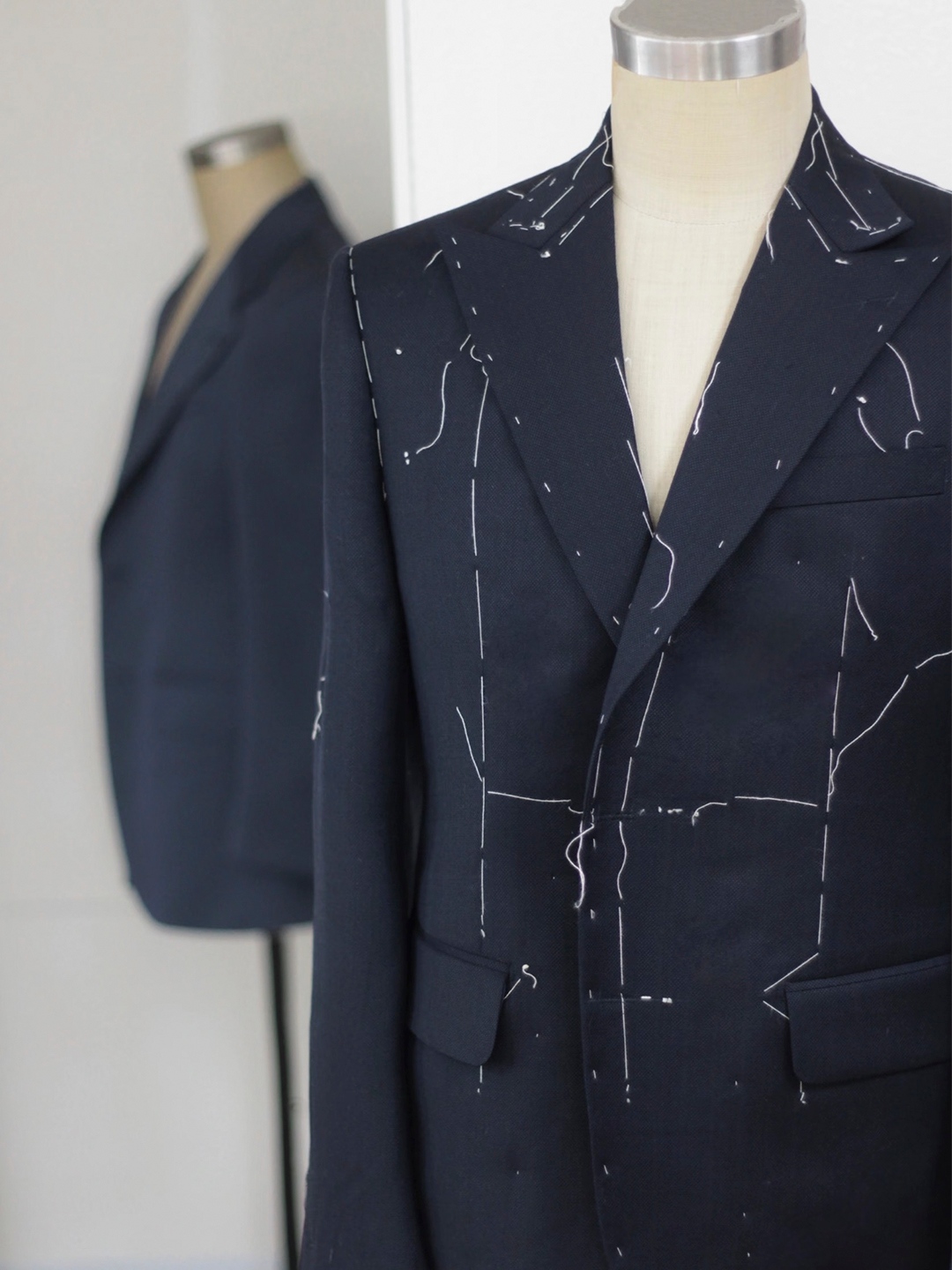
Selecting the right custom suits supplier requires understanding far more than just fabric quality and tailoring skill. A truly capable custom suits supplier must demonstrate robust export capabilities that extend across compliance, logistics, quality assurance, and customer support. In today's interconnected global market, businesses sourcing bespoke suiting need partners who can seamlessly navigate international regulations, manage complex shipping requirements, and maintain consistency across multiple markets. The distinction between a local tailor and a professional custom suits supplier with genuine export infrastructure lies in their ability to handle the multifaceted demands of cross-border commerce.
The export landscape for premium tailored clothing has evolved significantly, driven by increased corporate demand for customized menswear and the rise of direct-to-consumer international operations. A proficient custom suits supplier operates within a framework that balances regulatory compliance, production efficiency, and customer expectations across different jurisdictions. Understanding which capabilities matter most helps procurement teams make informed decisions and establish partnerships that truly support their business growth.
Documentation and Regulatory Compliance
Export Documentation Standards
Every reputable custom suits supplier must maintain comprehensive documentation systems that meet international trade requirements. This includes commercial invoices, packing lists, certificates of origin, and detailed product descriptions that accurately reflect material composition, manufacturing origin, and quality specifications. A custom suits supplier operating across multiple export markets must understand how tariff classifications vary by destination and ensure that all paperwork reflects these nuances. Failure in this area delays shipments, triggers customs holds, and damages customer relationships. Leading suppliers invest in customs brokers, compliance software, and training to ensure their documentation remains consistently accurate and current with evolving regulations.
Material and Labor Certification
Discerning buyers increasingly require proof that their custom suits supplier adheres to ethical labor standards and sources materials responsibly. A qualified custom suits supplier should maintain certifications demonstrating compliance with international labor conventions, environmental standards, and material traceability requirements. Many corporate clients demand documentation proving that fabrics meet European Union safety standards, that manufacturing facilities maintain safe working conditions, and that supply chains are transparent. Your custom suits supplier partner should provide certificates for materials tested for harmful substances and maintain audit trails that customers can verify. This capability separates premium suppliers from those offering only basic tailoring services.
Logistics and Shipping Infrastructure
Multi-Modal Transportation Options
A competent custom suits supplier maintains relationships with established freight forwarders and shipping providers offering air, sea, and express delivery options. Different customer scenarios require different solutions: premium rush orders need air freight capability, while bulk orders to retail partners may optimize through ocean shipping. Your custom suits supplier should transparently communicate lead times, shipping costs, and delivery guarantees for each mode. The best suppliers maintain negotiated rates reflecting their shipping volume, allowing them to offer competitive pricing while maintaining healthy margins. Additionally, a professional custom suits supplier provides real-time tracking, insurance options, and contingency protocols for shipments facing delays or complications.
Packaging and Quality Protection
International shipment of luxury tailored garments demands specialized packaging capabilities that a reliable custom suits supplier must provide as standard. Suits traveling across oceans and through multiple handling stages require protective measures including moisture barriers, protective hangers, wooden frames, and secondary protective cases. A custom suits supplier with genuine export experience understands that damaged merchandise upon arrival undermines the premium positioning of custom suiting and damages business relationships irreparably. Leading suppliers invest in packaging materials that protect against humidity, temperature fluctuation, and physical impact while maintaining the suit's shape and fabric integrity. They also provide detailed unpacking instructions and quality verification guides so customers can immediately assess condition upon receipt.
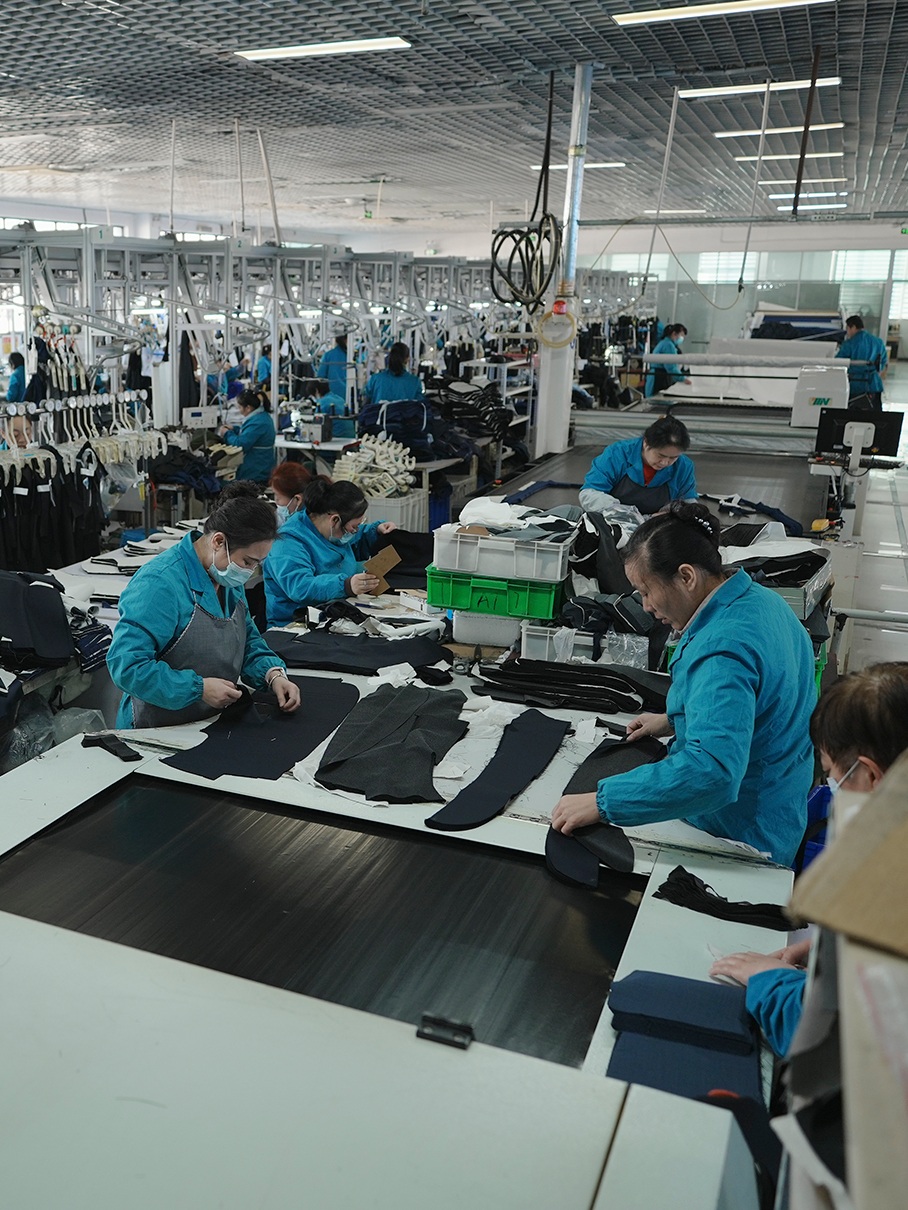
Quality Control and After-Sales Support
Consistency Across Production Runs
When a custom suits supplier manufactures multiple orders destined for different countries, maintaining consistent quality becomes exponentially more challenging. Fabric dye lots vary, measurement precision fluctuates, and tailoring techniques require constant calibration. A professional custom suits supplier implements statistical process controls, multiple quality checkpoints, and photographic documentation of each garment during production. Every suit departing from their facility should meet identical standards regardless of destination market or order size. Customers expect that a custom suits supplier has invested in measurement verification technology, thread tension monitoring, and final inspection protocols that catch defects before shipment. This commitment to consistency transforms a custom suits supplier from a transactional vendor into a trusted strategic partner.
Returns, Adjustments, and Warranty Management
International transactions create distance and complexity that a capable custom suits supplier must address through clear policies and responsive support systems. A credible custom suits supplier should offer straightforward procedures for returns due to manufacturing defects, clear timelines for alterations when customer measurements prove inaccurate, and warranty coverage that applies regardless of customer location. This typically includes prepaid return shipping, rapid re-measurement protocols, and expedited re-delivery of corrected garments. Leading suppliers maintain regional warehouses or partnerships allowing local final alterations, which significantly improves customer satisfaction for international clients. A custom suits supplier that treats post-sale support as a critical capability rather than an afterthought builds lasting customer loyalty and repeat business.
FAQ
What specific compliance certifications should a custom suits supplier have?
A reputable custom suits supplier should possess certifications including ISO 9001 quality management, SEDEX or similar labor compliance verification, and material testing certifications proving compliance with REACH regulations for chemical safety. Many suppliers also maintain certifications from industry-specific bodies that verify ethical manufacturing practices, environmental responsibility, and supply chain transparency. Request these documents directly when evaluating potential partners.
How should a custom suits supplier handle quality disputes across international borders?
A professional custom suits supplier establishes dispute resolution procedures that include photographic documentation during production, clearly defined quality standards in written contracts, and commitment to fair resolution regardless of customer location. Transparent communication, willingness to reimburse or rework garments without excessive bureaucracy, and documented timelines for resolution all indicate a supplier committed to customer satisfaction and international commerce best practices.
Can a custom suits supplier provide competitive pricing while maintaining full export infrastructure?
Yes, experienced custom suits suppliers achieve competitive pricing through production efficiency, volume negotiations with material suppliers and freight providers, and investment in systems that reduce overhead. However, pricing that seems unusually low compared to competitors may indicate corners cut in quality control, documentation accuracy, or packaging standards. Evaluate pricing within the context of the supplier's complete capability profile rather than in isolation.