
 EN
EN


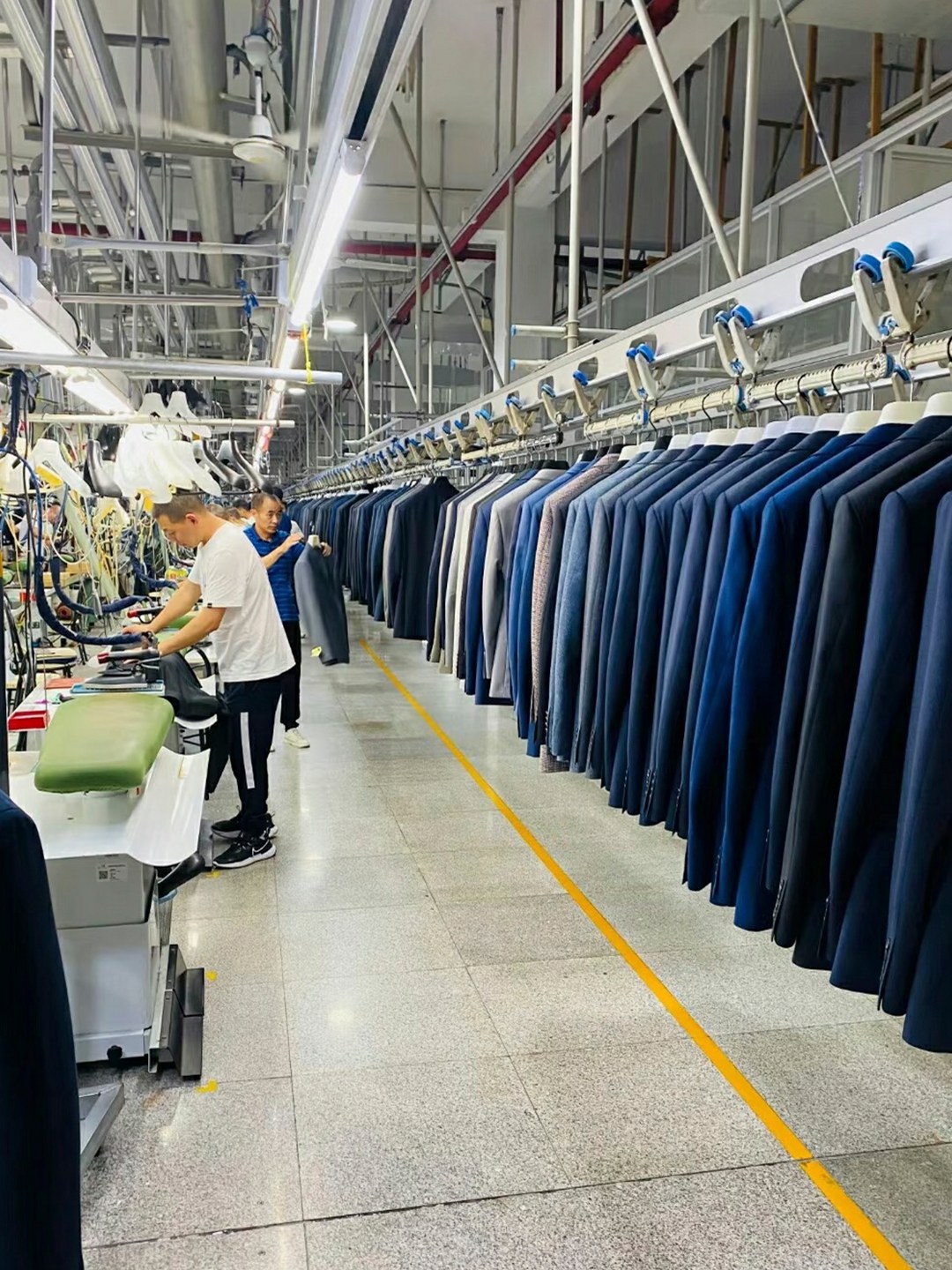
In the world of high-end tailoring and luxury garment manufacturing, the ability to maintain consistent stitch precision represents a defining characteristic that separates bespoke production lines from mass-market alternatives. A bespoke production line stitch precision system operates through a sophisticated combination of mechanical engineering, digital controls, and human expertise that ensures every seam meets exacting standards. The pursuit of flawless stitching in bespoke production line stitch precision has become an art form, where traditional craftsmanship meets cutting-edge technology to deliver garments that exemplify quality and attention to detail.
The mechanics of a bespoke production line stitch precision operation involve interconnected systems that work harmoniously to control tension, thread feed, needle positioning, and fabric movement. Modern bespoke production line stitch precision technology integrates computer numerical control (CNC) systems with real-time feedback mechanisms, allowing operators to detect and correct variations before they compromise the final product. Understanding how bespoke production line stitch precision is maintained reveals the complexity behind seemingly simple stitches that elevate luxury garments to their premium status.
Mechanical and Digital Control Systems in Bespoke Production Line Stitch Precision
Tension Management and Thread Control
A bespoke production line stitch precision system begins with absolute control over thread tension, which directly affects stitch formation and consistency. Electronic tension regulators within bespoke production line stitch precision equipment monitor and adjust tension thousands of times per minute, compensating for variations in thread diameter, fabric weight, and environmental conditions. The tension mechanisms in bespoke production line stitch precision machines measure resistance in real time, using load cells and servo motors to maintain precisely calibrated pressure on thread paths. Operators programming bespoke production line stitch precision systems input specific tension parameters for different fabric types and thread weights, creating a controlled environment where every stitch emerges identical to the last.
Needle Positioning and Timing Synchronization
In bespoke production line stitch precision applications, needle positioning accuracy is measured in fractions of a millimeter, requiring synchronized movement between needle bar, thread take-up lever, and feed dog mechanisms. Advanced bespoke production line stitch precision machinery uses servo-driven needle positioning systems that adjust insertion points based on programmed coordinates, ensuring stitches land exactly where designers specified. The timing within bespoke production line stitch precision equipment must be microsecond-precise; even minimal delays between needle entry and thread release create visible defects. Industrial cameras integrated into bespoke production line stitch precision systems continuously verify needle placement against baseline specifications, triggering automatic corrections when deviations exceed tolerance thresholds.
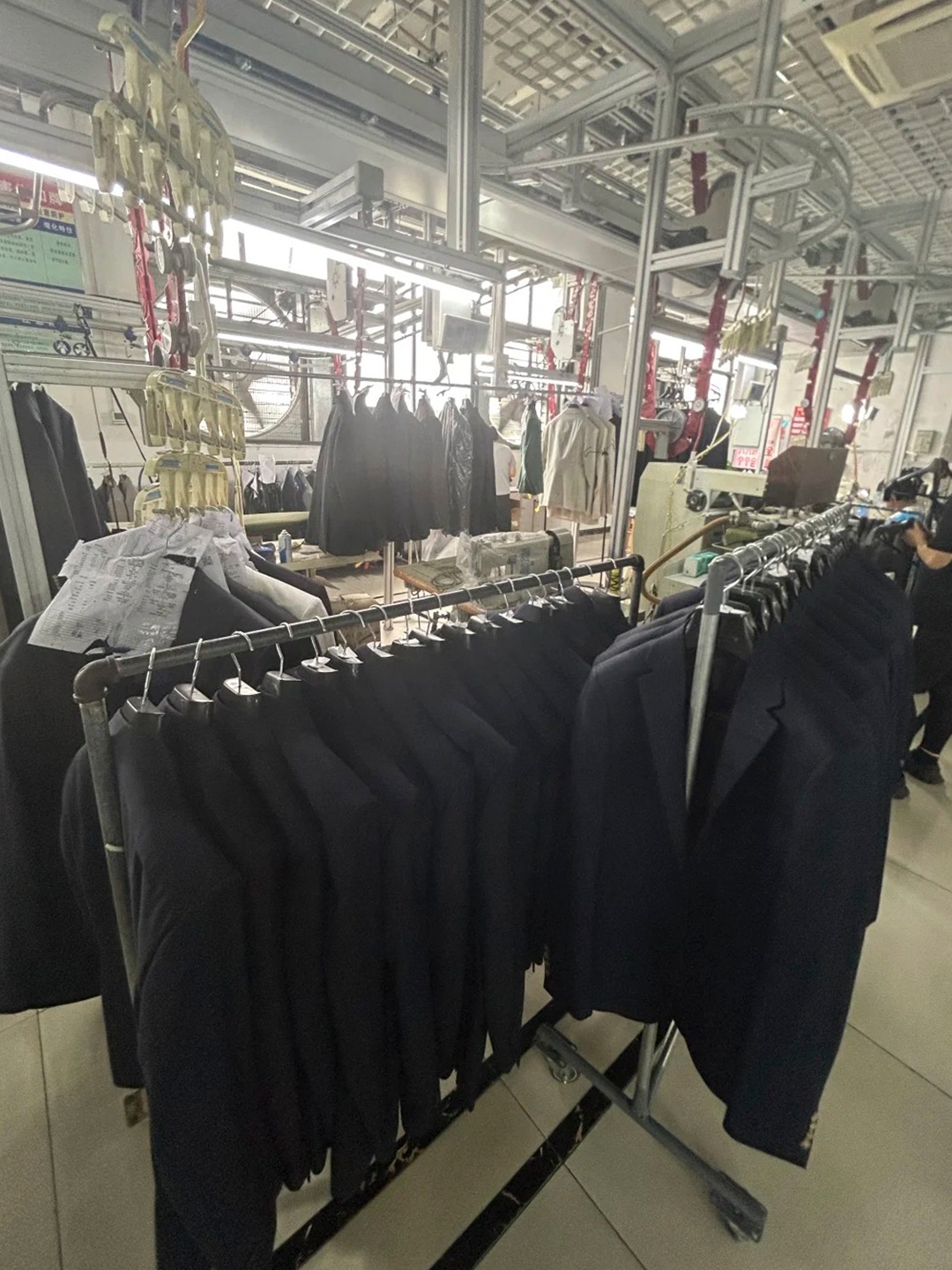
Material Quality and Fabric Interaction in Bespoke Production Line Stitch Precision
Premium Thread Selection and Consistency
Bespoke production line stitch precision depends fundamentally on thread quality, as variations in thread strength, elasticity, or twist can compromise stitch formation regardless of machine precision. Luxury manufacturers source bespoke production line stitch precision threads from specialized suppliers who maintain certifications for thread uniformity, color consistency, and strength specifications. The threads used in bespoke production line stitch precision applications typically undergo rigorous testing to verify tensile strength, elongation characteristics, and dye stability. Bespoke production line stitch precision operations store threads in climate-controlled environments, preventing humidity fluctuations that would otherwise affect thread properties and introduce variables into the stitching process.
Fabric Preparation and Feed Mechanism Calibration
Before any bespoke production line stitch precision stitching begins, fabrics must be prepared through stabilization processes that remove sizing variability and ensure uniform surface properties. Feed dogs in bespoke production line stitch precision systems are precision-ground components that advance fabric with exact increments, typically controlled to within 0.1 millimeters per stitch. Pressure feet in bespoke production line stitch precision equipment adjust automatically based on fabric thickness sensors, maintaining consistent contact without damaging delicate materials or creating puckering. Bespoke production line stitch precision operators test each new fabric batch on sample pieces, calibrating feed rates and pressure settings to achieve optimal stitch formation before full production begins.
Human Expertise and Quality Monitoring in Bespoke Production Line Stitch Precision
Operator Training and Real-Time Inspection
Bespoke production line stitch precision outcomes depend heavily on skilled operators who understand fabric behavior, machine calibration, and quality standards that define bespoke craftsmanship. Training programs for bespoke production line stitch precision specialists typically span months, combining classroom instruction in machine mechanics with hands-on experience evaluating stitch quality under magnification. Operators managing bespoke production line stitch precision systems perform inspections at regular intervals, examining stitches under standardized lighting and magnification to verify tension uniformity, loop formation, and alignment consistency. The relationship between operator expertise and bespoke production line stitch precision quality represents a critical factor that machines alone cannot replicate, as experienced operators detect subtle drift patterns before automated systems recognize them.
Continuous Monitoring and Preventive Adjustment
Modern bespoke production line stitch precision operations integrate automated vision systems that photograph and analyze stitches in real time, comparing each stitch against reference images stored in quality databases. These inspection systems flag anomalies in stitch length, width, tension, or alignment, alerting operators to make preventive adjustments before defects propagate through production runs. Bespoke production line stitch precision equipment logs all parameter settings and sensor readings throughout each production session, creating digital records that enable root cause analysis when quality issues emerge. Predictive maintenance schedules for bespoke production line stitch precision machinery ensure needle sharpness, calibration accuracy, and component wear are addressed proactively, preventing degradation that would compromise stitch quality.
FAQ
What specific measurements define acceptable stitch precision in bespoke production?
Bespoke production line stitch precision standards typically specify stitch length tolerance within ±0.2 millimeters, tension variation not exceeding ±5%, and needle penetration accuracy within ±0.1 millimeters. These demanding specifications ensure stitches appear visually identical, with no visible irregularities that would detract from luxury garment appearance. Bespoke production line stitch precision quality benchmarks vary by garment type and application, with structural seams requiring tighter tolerances than decorative topstitching, though even decorative elements in bespoke production line stitch precision work demand exceptional consistency.
How do environmental factors affect bespoke production line stitch precision?
Temperature and humidity variations significantly influence bespoke production line stitch precision performance, as changes in these conditions affect thread elasticity, fabric moisture content, and component calibration. Bespoke production line stitch precision facilities maintain strictly controlled environments, typically between 65-75 degrees Fahrenheit and 45-55% relative humidity, to eliminate variables that would compromise stitch formation. Thread storage conditions, fabric preparation areas, and production floor climate all contribute to maintaining bespoke production line stitch precision standards that distinguish luxury manufacturing from standard production.
Can bespoke production line stitch precision be achieved with standard industrial machines?
Achieving true bespoke production line stitch precision requires specialized equipment designed specifically for high-precision applications, including servo-controlled needle positioning, electronic tension regulation, and integrated quality monitoring systems. Standard industrial sewing machines lack the precision components and real-time feedback mechanisms essential for bespoke production line stitch precision standards. Manufacturers committed to bespoke production line stitch precision invest in premium machinery because the incremental cost is justified by the superior quality that justifies premium garment pricing and customer satisfaction.