
 EN
EN


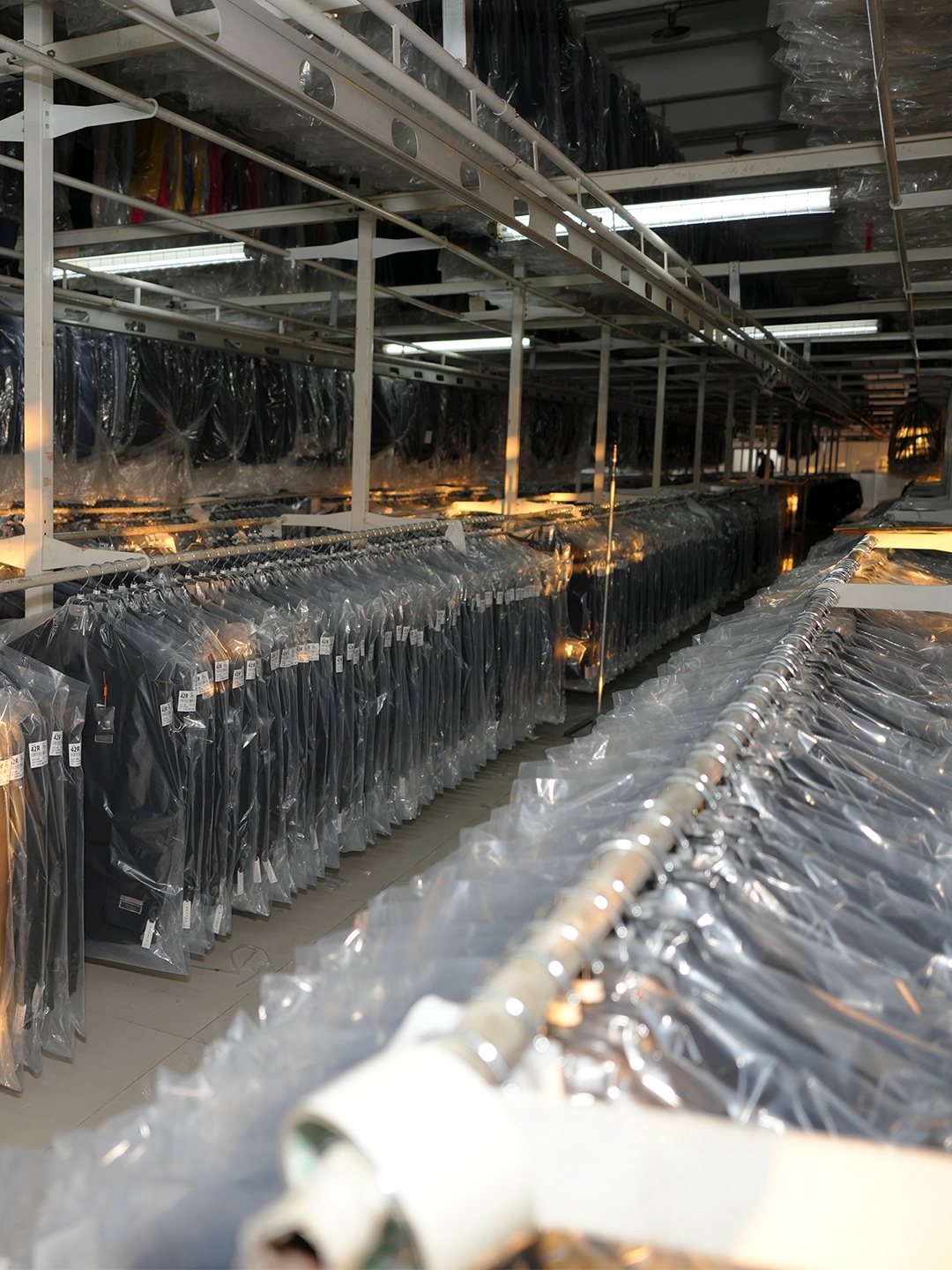
Achieving fit consistency suit manufacturer standards across every order is a critical differentiator in the custom tailoring industry. When clients invest in bespoke or semi-bespoke garments, they expect not just quality fabric and craftsmanship, but reliable, repeatable fit that matches their body specifications and previous orders. The challenge for any fit consistency suit manufacturer lies in translating individual measurements and preferences into a production workflow that yields identical results across multiple garments, seasons, and pattern variations. This article explores the precise production steps that ensure fit consistency suit manufacturer operations maintain excellence and customer loyalty.
A fit consistency suit manufacturer understands that production precision begins long before fabric is cut. Every step, from initial measurement verification through final pressing, must follow standardized protocols that minimize variables and human error. Without systematic fit consistency suit manufacturer procedures, even skilled tailors will produce inconsistent results. The most successful fit consistency suit manufacturer operations combine manual expertise with documented processes, quality checkpoints, and continuous feedback loops that catch deviations early and correct them before garments reach customers.
Measurement Capture and Database Management
Standardized Measurement Protocols
The foundation of fit consistency suit manufacturer success is accurate, standardized measurement capture. A fit consistency suit manufacturer must establish a consistent measurement methodology that accounts for posture, breathing, and natural body variations. Measurements must be recorded using the same reference points, tape tension, and body positions every time. This ensures that when a fit consistency suit manufacturer references a customer's file months or years later, the measurements remain valid and reproducible. Documentation must include not just dimensions but also fit notes—areas of previous satisfaction, alterations requested, and personal preferences about fabric drape and silhouette.
Database Integrity and Version Control
A fit consistency suit manufacturer must maintain a secure, version-controlled database of all customer measurements and fit history. Each time a customer is remeasured or alterations are recorded, the fit consistency suit manufacturer should timestamp the entry and flag any significant changes. This historical record allows a fit consistency suit manufacturer to identify trends, spot measurement errors, and understand how a customer's fit requirements evolve. Digital systems that integrate measurement data with order history empower a fit consistency suit manufacturer to prevent costly mistakes, such as applying outdated measurements to a new order or missing fit preferences that were important in previous garments.
Pattern Grading and Production File Management
Custom Pattern Development
A fit consistency suit manufacturer develops custom or semi-custom patterns tailored to each client's body type and fit preferences. Rather than relying on generic grading, a fit consistency suit manufacturer creates pattern blocks that reflect individual proportions—shoulder slope, chest depth, arm length relative to torso, and other personal factors. This step is where fit consistency suit manufacturer operations diverge from mass production. The pattern becomes the blueprint for fit consistency suit manufacturer, so its accuracy directly determines the output. Patterns must be archived with clear labeling that links them to specific measurement sets, ensuring that a fit consistency suit manufacturer can reproduce the exact same pattern when a repeat order arrives.
Size Grading and Tolerance Standards
When a fit consistency suit manufacturer produces multiple sizes or variations from a single customer pattern, consistent grading rules are essential. A fit consistency suit manufacturer establishes grading scales—how much width and length are added or subtracted per size—and documents these rules to ensure consistency across all future orders. Tolerances must also be defined; a fit consistency suit manufacturer should specify acceptable variation ranges for seam lengths, armhole depths, and other critical dimensions. By making grading rules explicit and auditable, a fit consistency suit manufacturer prevents drift where successive orders gradually deviate from the original fit specifications.
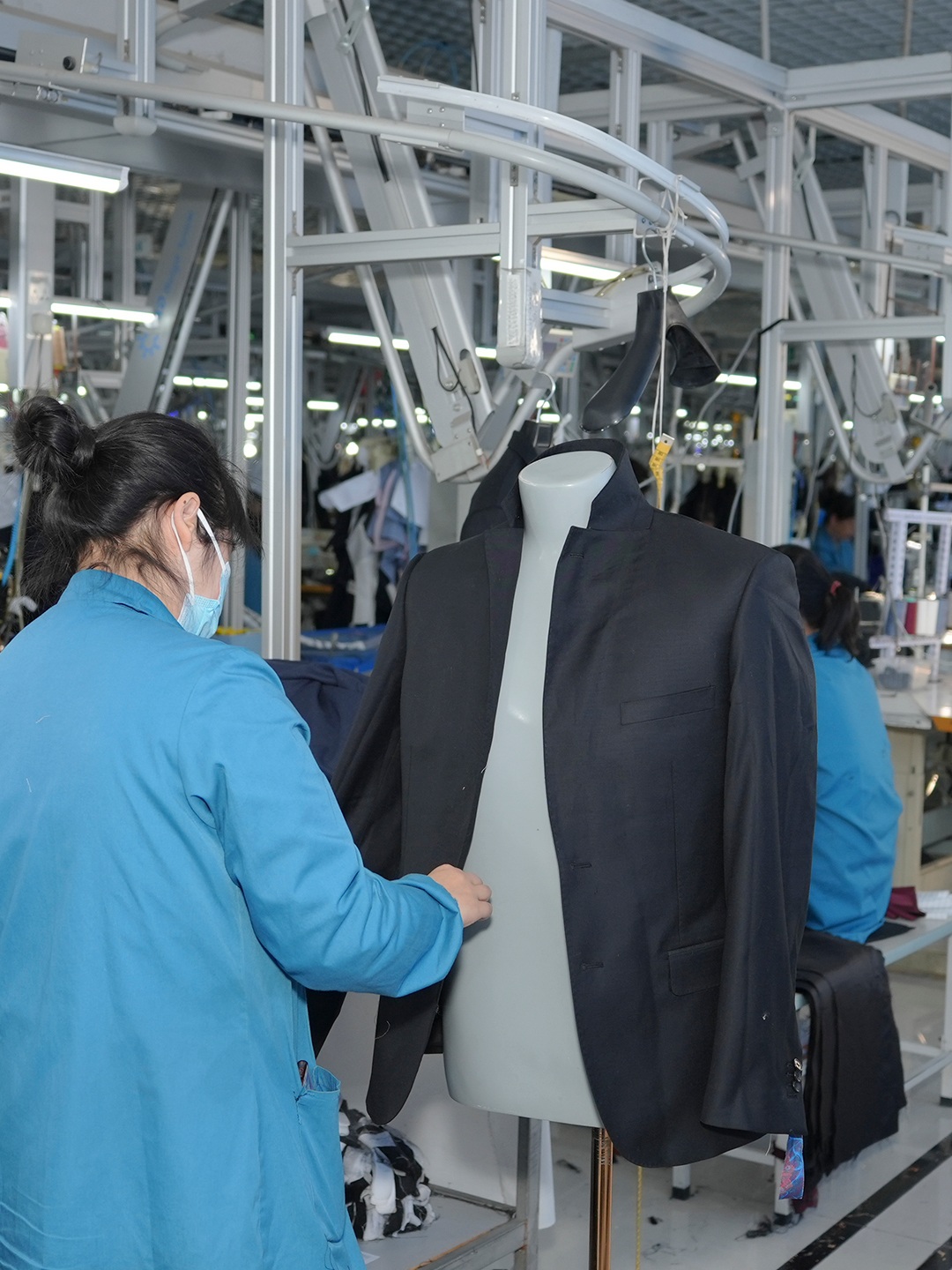
Production Workflow and Quality Checkpoints
Fabric Cutting and Marker Planning
A fit consistency suit manufacturer begins physical production with precision cutting guided by detailed, customer-specific patterns. The fit consistency suit manufacturer must account for fabric grain, nap direction, and shrinkage characteristics to ensure that pieces cut from different fabric bolts still assemble correctly. Marker planning—the layout of pattern pieces on fabric—must be consistent and documented. A fit consistency suit manufacturer should establish whether pieces are always cut in the same orientation, whether certain pieces come from preshrunk or specially treated fabric, and what quality checks occur before pieces enter the sewing stage. This discipline ensures that a fit consistency suit manufacturer achieves fit consistency suit manufacturer standards despite using different fabric suppliers or production batches.
Assembly and In-Process Inspection
During assembly, a fit consistency suit manufacturer implements multiple checkpoints where garment dimensions are verified against the customer's specifications. After major seams are sewn, a fit consistency suit manufacturer should measure key points—chest circumference, shoulder width, sleeve length, jacket length—and compare them to target dimensions. Any deviation triggers a fit consistency suit manufacturer review and correction before the next production step. This is where fit consistency suit manufacturer operations depend on skilled tailors who understand not just how to sew but how to interpret measurements and fit feedback. A fit consistency suit manufacturer also maintains records of which tailor completed each major step, allowing traceability if a fit consistency suit manufacturer quality issue emerges later.
Final Fitting and Adjustment Protocol
Even with perfect production steps, a fit consistency suit manufacturer conducts a final fitting before shipping. This fitting allows the customer to verify that the suit meets their expectations and gives the fit consistency suit manufacturer a chance to make any final adjustments. A fit consistency suit manufacturer should document what adjustments were made, so if the customer later orders the same suit style, the fit consistency suit manufacturer can incorporate those tweaks into the pattern or production notes. This feedback loop transforms each order into a data point that refines the fit consistency suit manufacturer's understanding of that customer's true preferences, making subsequent orders even more reliable.
Documentation and Continuous Improvement
Order Tracking and Traceability
A fit consistency suit manufacturer maintains detailed order records that document every step of the production process. Each order should include the measurement date, pattern used, tailor assigned, inspection results, and any adjustments made. This traceability is invaluable when a fit consistency suit manufacturer receives repeat business or when a customer reports a fit issue. By reviewing the order record, a fit consistency suit manufacturer can quickly identify what changed between orders or whether the current order followed established protocols. A fit consistency suit manufacturer that treats documentation as a competitive advantage creates an institutional memory that prevents repeating mistakes and accelerates problem-solving.
Performance Metrics and Feedback Integration
A fit consistency suit manufacturer should measure fit consistency by tracking customer satisfaction, return rates, and alteration requests. If a fit consistency suit manufacturer notices that certain customers frequently request the same adjustments, this signals that the pattern or production process for that fit profile needs refinement. A fit consistency suit manufacturer that actively collects and analyzes this feedback can systematically improve fit consistency suit manufacturer standards over time. Regular reviews of order outcomes help a fit consistency suit manufacturer identify whether new tailors are maintaining quality, whether measurement protocols are being followed consistently, and whether customer preferences have shifted.
FAQ
What is the most critical step for ensuring fit consistency in a suit manufacturer's operation?
Accurate, standardized measurement capture is the most critical step. A fit consistency suit manufacturer cannot achieve consistent fit if measurements are imprecise or recorded inconsistently. Everything downstream—patterns, cutting, assembly, and final fitting—depends on reliable measurement data. A fit consistency suit manufacturer that invests in proper measurement training and documentation systems establishes the foundation for all subsequent quality efforts.
How does a fit consistency suit manufacturer handle repeat orders for the same customer?
A fit consistency suit manufacturer maintains a complete order history and measurement archive for each customer. When a repeat order arrives, the fit consistency suit manufacturer retrieves the original pattern, measurement notes, and any fit adjustments from previous garments. If the customer's body or preferences have changed, a fit consistency suit manufacturer conducts a quick remeasurement to verify that previous specifications still apply. This systematic approach allows a fit consistency suit manufacturer to reproduce fit consistency suit manufacturer results reliably across multiple orders spanning years.
Can a fit consistency suit manufacturer maintain quality while scaling production volume?
Yes, but only through rigorous process discipline and investment in training. A fit consistency suit manufacturer that scales volume must document every procedure, establish clear quality standards, and hire and train new staff carefully. A fit consistency suit manufacturer cannot rely on individual tailor skill or informal practices when production increases. By making fit consistency suit manufacturer procedures explicit and auditable, scaling becomes possible without sacrificing the fit consistency that customers expect.