
 EN
EN



Fabric inspection represents one of the most critical stages in mens suits manufacturing, determining whether materials meet strict quality standards before cutting and sewing begins. A professional clothing factory for mens suits cannot afford to skip rigorous fabric inspection procedures, as defects caught early prevent costly rework, customer returns, and reputational damage. This comprehensive process examines incoming materials across multiple dimensions, checking for weaving flaws, color consistency, dimension accuracy, and structural integrity. Understanding how fabric inspection works in a modern clothing factory for mens suits reveals the precision engineering behind premium garments.
The fabric inspection process within a clothing factory for mens suits follows standardized protocols aligned with international quality benchmarks. Factory teams work systematically to validate fabric properties, dimensions, and visual appearance before materials advance to production stages. Each inspection checkpoint targets specific defect categories, enabling factories to identify problems precisely and trace root causes back to suppliers or production equipment. This systematic approach to fabric inspection ensures that only materials meeting exact specifications reach the cutting and tailoring departments.
Visual Surface Examination During Fabric Inspection
Identifying Weaving and Surface Defects
Surface-level fabric inspection begins with trained inspectors examining each bolt under controlled lighting conditions. The clothing factory for mens suits employs light tables and specialized inspection stations that reveal weaving irregularities, knots, slubs, and foreign material contamination. Inspectors run their hands across fabric samples to detect rough patches or inconsistent texture that might not be immediately visible. These tactile observations, combined with visual scrutiny, ensure that fabric inspection catches problems that could affect the final garment's drape, appearance, or wearing comfort.
Color Matching and Shade Consistency
Color uniformity directly impacts the aesthetic quality of mens suits, making color verification a fundamental component of fabric inspection. The clothing factory for mens suits uses standardized lighting conditions and color reference samples to evaluate shade consistency across the entire bolt. Inspectors compare incoming fabric against approved color standards, documenting any variations that might affect suit matching or customer expectations. This aspect of fabric inspection prevents the common problem of suits featuring panels with slightly different colorations, which would be immediately noticeable in finished garments.
Dimensional and Physical Property Testing
Width, Length, and Shrinkage Assessment
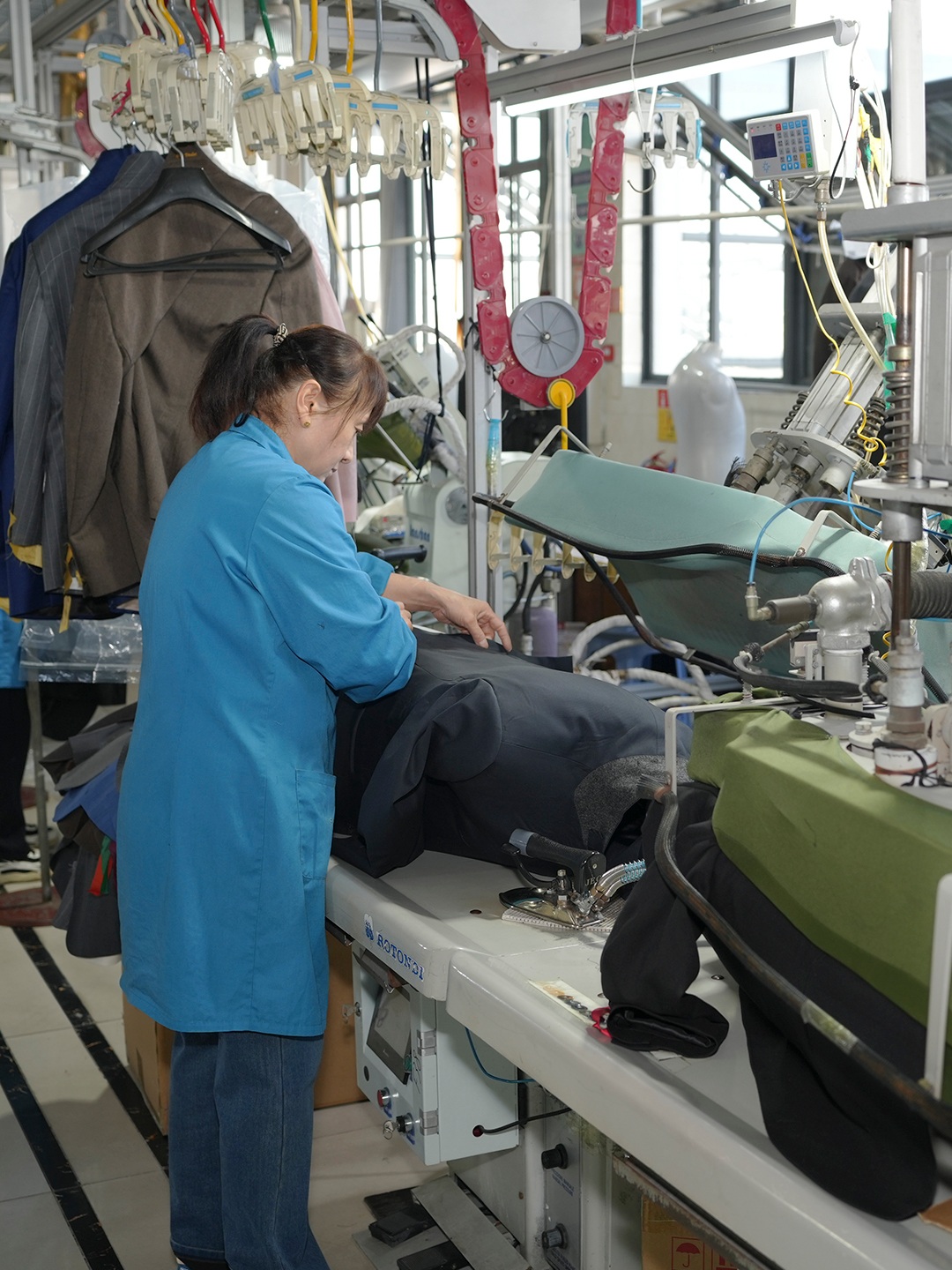
Accurate dimensions are essential in mens suits production, as fabric width determines cutting efficiency and final garment fit. Fabric inspection protocols require factory technicians to measure bolt width at multiple points, confirming consistency throughout the length. The clothing factory for mens suits also conducts shrinkage testing on sample swatches, simulating washing and dry cleaning processes to predict how fabric will behave after customer purchase. This proactive fabric inspection step prevents situations where suits would shrink excessively or lose dimensional stability after first cleaning, which represents a major customer complaint.
Weight and Weave Density Verification
Fabric weight significantly influences the suit's durability, drape, and seasonal appropriateness, making weight verification a key element of fabric inspection. The clothing factory for mens suits uses calibrated scales to measure sample pieces, ensuring weight consistency matches purchase specifications. Weave density examination confirms that yarns are properly interlocked, providing the structural integrity necessary for suits to maintain shape through regular wear. This comprehensive fabric inspection ensures that finished mens suits will have the expected performance characteristics and longevity that premium customers demand.
Fiber Content and Performance Testing
Composition Verification and Strength Assessment
Modern clothing factories employ fabric inspection techniques that verify fiber composition matches purchase specifications and labels. Factory laboratories conduct tensile strength testing, measuring how much force fabric can withstand before tearing, which predicts suit durability in real-world conditions. The fabric inspection process also includes pilling resistance tests, particularly important for wool-blend materials used in mens suits, as pilling degrades appearance and customer satisfaction. These performance metrics are documented during fabric inspection to create quality records that protect the factory and support customer confidence.
Colorfastness and Chemical Resistance
Colorfastness testing during fabric inspection determines whether suit colors will fade or bleed during washing, dry cleaning, or perspiration exposure. The clothing factory for mens suits conducts this fabric inspection through standardized rubbing and immersion tests that simulate real-world stressing conditions. Resistance to common dry cleaning chemicals prevents suits from becoming discolored or damaged during professional cleaning. This detailed fabric inspection protects customer investment and prevents expensive replacement claims that would undermine factory reputation.
Documentation and Traceability Systems
Inspection Records and Batch Tracking
Every fabric inspection action within a clothing factory for mens suits is documented in traceability systems that connect materials to finished garments. Factory records capture inspection dates, inspector identification, specific defects found, and remedial actions taken. This comprehensive fabric inspection documentation enables rapid response if customer quality issues emerge, allowing factories to identify which production batches were affected. Traceability systems also help factories negotiate with suppliers when fabric inspection identifies systematic problems, supporting continuous improvement relationships.
Non-Conformance Resolution and Approval Gates
When fabric inspection discovers defects, the clothing factory for mens suits follows defined protocols determining whether materials can still be used, require rework, or must be rejected. Minor defects identified during fabric inspection might be routed to secondary cutting patterns that avoid compromised areas. Significant defects trigger rejection procedures, ensuring defective fabric never reaches cutting or sewing stations where problems become exponentially more expensive. This controlled fabric inspection approach minimizes waste while maintaining quality standards that protect brand reputation and customer satisfaction.
FAQ
What are the most common defects found during fabric inspection in mens suits production?
The most frequent issues detected in fabric inspection include slubs (thick spots in yarn), broken picks or ends in weaving, color inconsistencies, knots, and contamination from foreign materials. Pilling, insufficient weave density, and dimensional variation also appear regularly in fabric inspection results. These defects range from cosmetic issues visible in finished suits to structural problems affecting durability. Identifying these common problems during fabric inspection prevents them from reaching customers and protects factory reputation.
How does fabric inspection impact the cost and timeline of mens suit production?
Comprehensive fabric inspection adds time to the production schedule but prevents far greater costs from defective garments reaching customers. Early identification of fabric problems through fabric inspection allows factories to source replacement materials before cutting begins, minimizing production delays. Without rigorous fabric inspection, factories face increased rework costs, customer returns, replacement shipping, and potential legal liability. The upfront investment in fabric inspection typically reduces total production costs while ensuring consistent quality that justifies premium pricing for mens suits.
What testing methods and equipment are essential for professional fabric inspection?
Professional fabric inspection requires light tables for visual assessment, calibrated measuring devices for dimensions and weight, tensile strength testing machines, colorfastness testing equipment, and shrinkage testing facilities. Digital inspection systems and automated defect detection cameras increasingly support manual fabric inspection processes in modern clothing factories. Reference standards and color matching samples provide comparison benchmarks for consistent fabric inspection decisions. The clothing factory for mens suits invests in these tools to maintain consistent quality standards and meet customer expectations for premium garments.