
 EN
EN


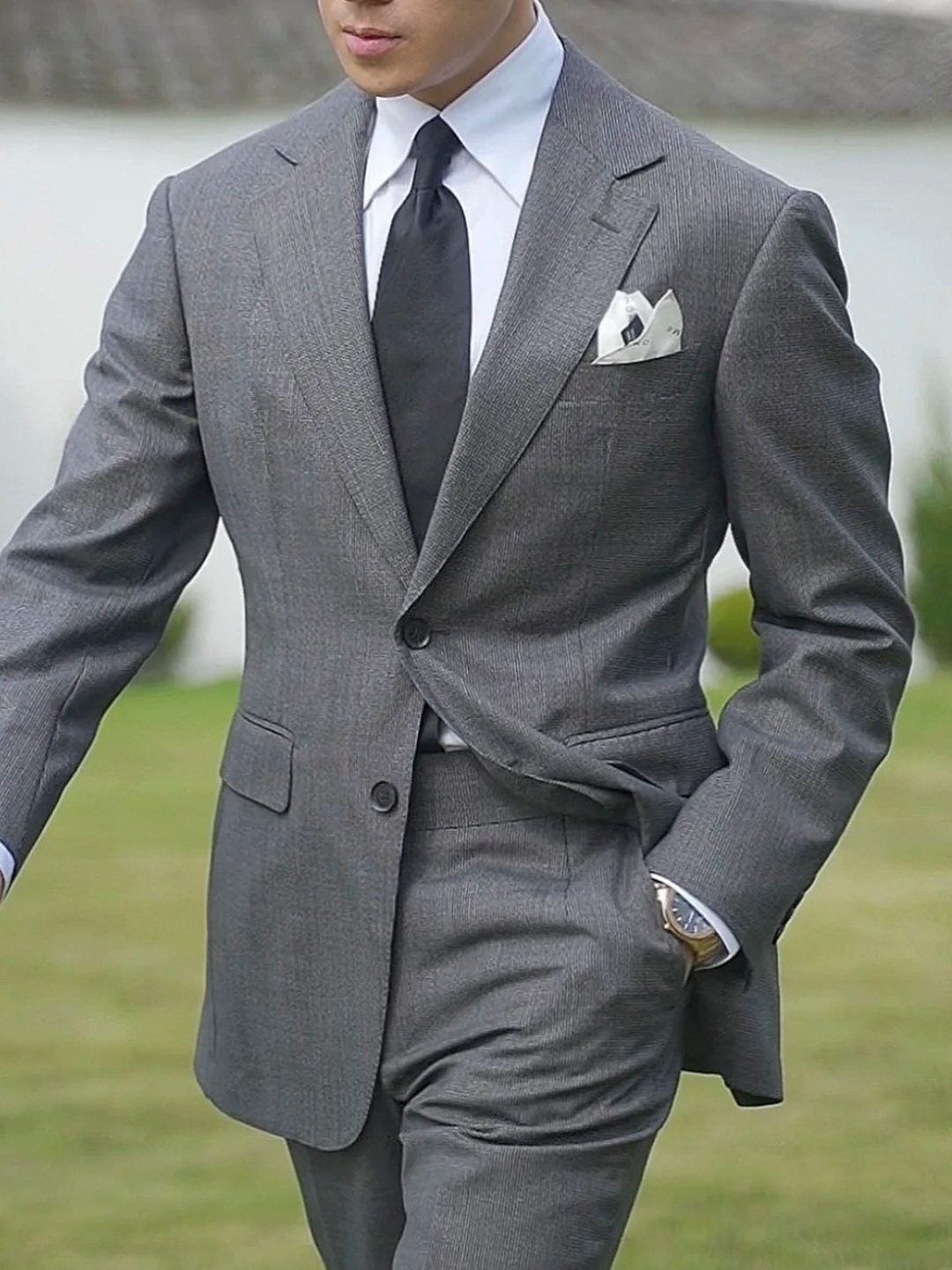
Customizing a business suit doesn't mean abandoning the timeless elegance that makes professional clothing work in formal settings. Many professionals assume that personalization requires dramatic changes that compromise the classic appeal of a business suit. In reality, strategic customization enhances a business suit while preserving its inherent sophistication and versatility. The key is understanding which modifications strengthen the business suit aesthetic and which ones risk undermining its professional foundation.

The process of personalizing a business suit involves careful decisions about fit, details, and fabric choices. A well-executed business suit customization elevates your professional presence without introducing trends that date quickly. This approach ensures your investment in a quality business suit remains relevant and valuable across multiple years and career stages. Understanding the principles of subtle enhancement helps any professional navigate customization decisions with confidence.
Tailoring Your Business Suit for Perfect Fit
Jacket Construction and Length
The foundation of a customized business suit begins with proper jacket tailoring. Most business suit jackets benefit from adjustments to sleeve length, shoulder seams, and jacket length to match individual proportions. A business suit jacket should break just below the hip, with sleeves ending at the wrist bone when arms hang naturally. Professional tailors understand how to modify a business suit jacket while maintaining its structured silhouette and balance. These fundamental alterations transform how a business suit drapes on your specific frame without introducing design elements that compromise its classic character.
Trouser Proportions and Details
Trousers form the second critical component of a customized business suit. Tailoring trousers in a business suit involves adjusting waist, inseam, and thigh width to create a clean, proportionate line. Many professionals choose slight modifications to a business suit trouser that enhance fit without changing the essential silhouette. The break of a business suit trouser at the top of the shoe, the taper through the leg, and the rise all influence how polished the overall business suit appears. Subtle tapering maintains a business suit's professional look while improving comfort and contemporary proportionality.
Selecting Fabrics That Enhance Professional Appeal
Natural Fiber Choices for Business Suit Durability
Fabric selection significantly impacts both the character and longevity of a business suit. High-quality natural fibers—wool, cotton blends, and linen combinations—form the foundation of enduring business suit choices. When customizing a business suit, selecting premium fabric ensures the garment maintains its appearance through multiple seasons and business settings. A business suit constructed from fine wool resists wrinkles, holds structure, and develops a refined patina over time. These material properties allow customization of a business suit without sacrificing the timeless quality that defines professional dressing.
Color and Pattern Considerations
Color and pattern represent subtle yet powerful customization opportunities within the classic business suit framework. Navy, charcoal, and medium gray business suit options offer maximum versatility and timeless appeal across industries and career levels. For professionals seeking personalization within tradition, a business suit featuring subtle patterns like pinstripes or small checks adds character while maintaining formal credibility. When customizing a business suit through color or pattern choice, prioritizing understated elegance ensures the business suit serves your professional needs across decades rather than seasons.
Details That Personalize Without Compromising Elegance
Button Selection and Lapel Styling
Strategic modifications to a business suit's details allow meaningful personalization while preserving classic aesthetics. Button choice—whether horn, mother-of-pearl, or high-quality resin—subtly distinguishes a business suit while maintaining formality. Lapel width in a business suit typically ranges between two and three inches on the business suit front, and selecting proportions appropriate to your frame enhances the business suit's overall harmony. A business suit featuring notch lapels remains the most versatile choice across industries, though peak lapels in a business suit offer a slightly more distinguished alternative for senior professionals.
Pocket Placement and Lining Options
Customizing a business suit through lining choices offers personal expression invisible in formal settings. The interior lining of a business suit can feature subtle patterns, contrasting colors, or premium silk without affecting the external appearance of a business suit. Patch pockets versus jetted pockets in a business suit represent another subtle distinction that experienced professionals leverage for personalization. These hidden or understated details transform a business suit into a uniquely yours garment while maintaining the composed, professional exterior that formal environments demand. The customized business suit thus becomes distinctly personal without broadcasting novelty or trend-consciousness.
Coordinating Accessories With Your Customized Business Suit
Shirt and Tie Pairing Strategy
Accessory selection amplifies the impact of a customized business suit without requiring modifications to the business suit itself. Quality dress shirts in white, light blue, and subtle stripes complement a business suit while maintaining professional standards. Tie selection allows significant personal expression that enhances rather than challenges a business suit's classic foundation. A business suit paired with quality silk ties in solid colors, subtle patterns, or conservative designs demonstrates respect for formal conventions while reflecting individual taste. This approach to accessorizing a business suit extends the versatility and personality of your investment across multiple professional contexts.
Outerwear and Finishing Elements
Layering a business suit with coordinating outerwear creates visual interest and seasonal flexibility. A navy or charcoal overcoat worn over a business suit maintains the formal silhouette while adapting to weather conditions. Accessories like quality leather shoes, belts, and watches integrate with a customized business suit to create a cohesive professional presence. These finishing elements allow you to personalize how a business suit functions in your specific professional environment. Well-chosen accessories ensure a business suit remains current, versatile, and personally meaningful throughout its useful lifespan.
FAQ
Can I customize a business suit with bold colors or patterns without losing professionalism?
Customizing a business suit with bold colors risks undermining its timeless appeal and professional versatility. However, introducing subtle personalization through conservative patterns, premium fabrics, or refined details maintains a business suit's formal character. The most successful approach to customizing a business suit balances personal expression with the conservative expectations of formal business environments. Consider reserving bold choices for accessories rather than the business suit itself, allowing a business suit to remain a reliable professional foundation across career stages.
How much tailoring should I do when customizing a business suit?
Tailoring a business suit focuses on fit optimization rather than style transformation. When customizing a business suit, prioritize adjustments that enhance proportionality and comfort—sleeve length, jacket length, trouser break, and thigh taper represent essential modifications. Avoid altering the fundamental design of a business suit by changing lapel width significantly, eliminating button positions, or radically reshaping the jacket silhouette. A well-tailored business suit follows your specific measurements while preserving the structured sophistication that defines professional dressing. This balanced approach ensures your customized business suit looks intentionally refined rather than altered or trend-driven.
What fabric weight works best when customizing a business suit for year-round wear?
When customizing a business suit for multiple seasons, fabric weight significantly influences versatility and longevity. A business suit constructed from 100 to 130 ounce wool provides year-round functionality across most climates and office environments. Customizing a business suit with seasonally appropriate fabrics—lighter weights for summer and heavier weights for winter—requires maintaining multiple business suit options. A business suit in medium weight wool resists wrinkling, maintains structure, and adapts to temperature variations better than lighter alternatives. This practical consideration ensures your customized business suit delivers reliable professional performance without requiring constant replacement.