
 EN
EN


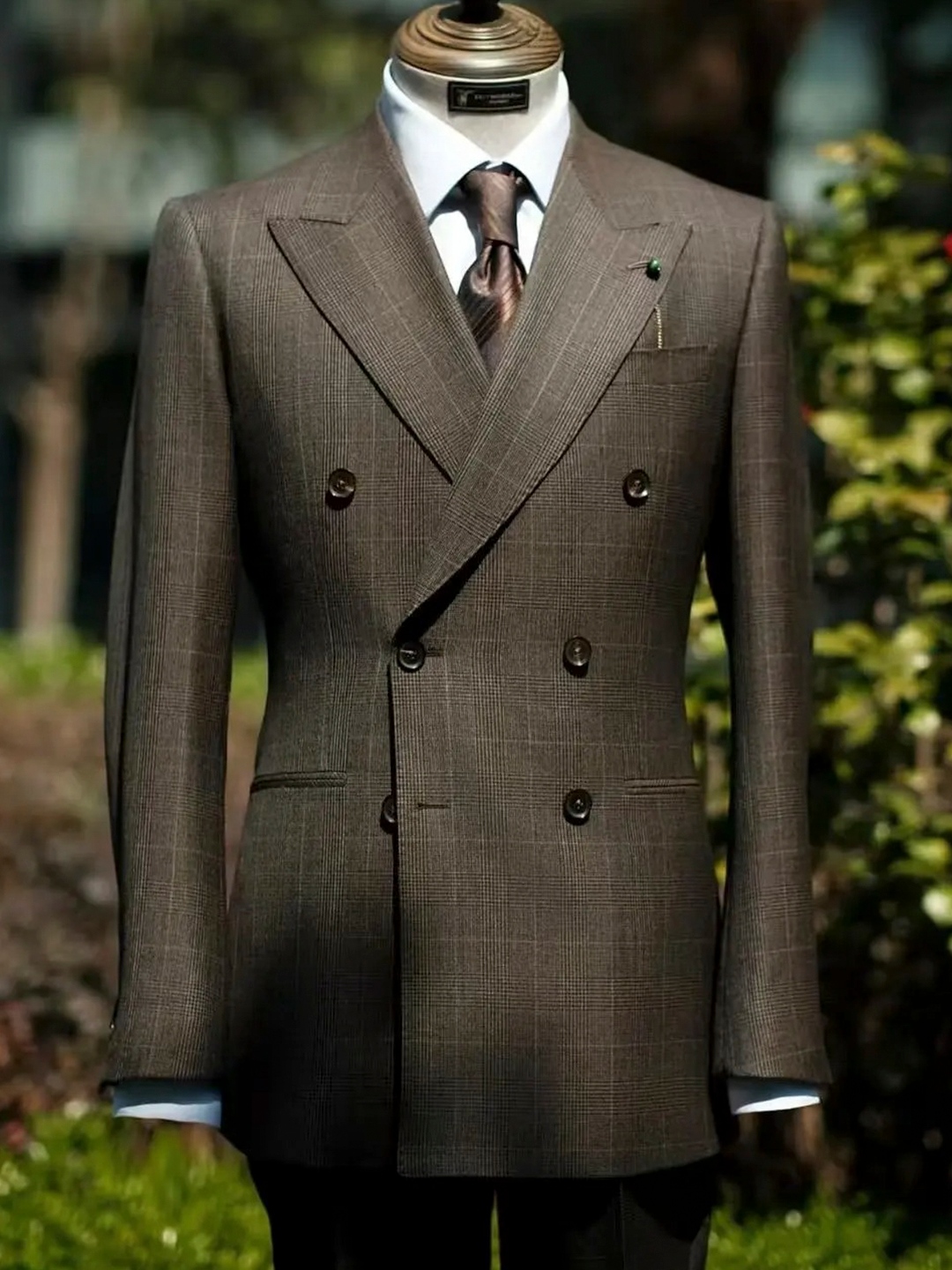
Selecting the right wool grade is fundamental to manufacturing premium wool suits that command market respect and customer loyalty. The distinction between ordinary and exceptional suiting depends entirely on understanding wool classification systems, fiber characteristics, and how these translate into garment performance. Premium wool suits represent a significant investment for consumers, and manufacturers who source superior grades position themselves to deliver products that justify premium pricing and build lasting brand reputation.
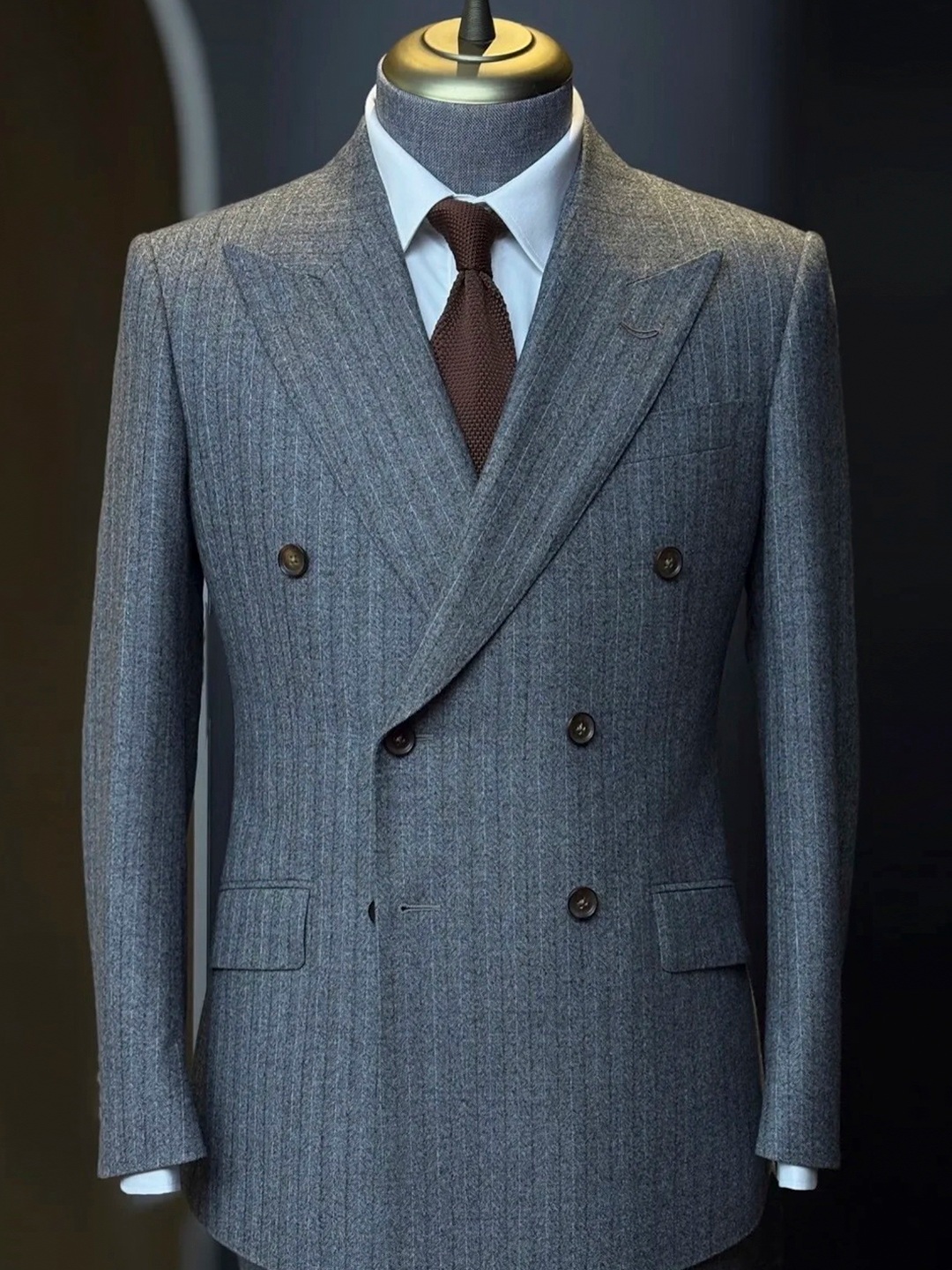
Premium wool suits demand fiber sources that meet strict micron count thresholds, color consistency standards, and purity specifications. Manufacturers producing premium wool suits must navigate multiple grading systems and understand how wool fiber fineness, length, and strength interact to determine finished fabric properties. The journey from fleece to tailored suit involves critical decisions about which wool grades deliver the aesthetic refinement, durability, and tactile excellence that define the premium segment.
Understanding Wool Micron Ratings and Fiber Fineness
The Role of Micron Count in Premium Wool Suits
Micron count measures fiber diameter in micrometers and serves as the primary quality indicator for premium wool suits. Finer fibers produce softer, smoother fabric with superior drape and comfort, while coarser fibers create stiffer, more textured materials. For premium wool suits, manufacturers typically target fibers measuring between 18 and 22 microns, with elite productions sometimes sourcing even finer material below 18 microns. This precision in fiber selection directly impacts the finished suit's hand feel, appearance, and wearer experience.
Merino and Superfine Classifications for Premium Wool Suits
Merino wool represents one of the most prestigious sources for premium wool suits, originating primarily from Australia, New Zealand, and South Africa. Superfine merino grades, typically ranging from 18 to 20 microns, establish the baseline for luxury suiting production. Premium wool suits manufactured from these grades offer exceptional softness and aesthetic refinement that justify premium retail positioning. The natural crimp structure of merino fiber also contributes to superior elasticity and wrinkle recovery, essential properties for formal tailoring.
Quality Standards and Purity Requirements for Premium Wool Suits
Vegetable Matter Content and Fiber Contamination
Premium wool suits depend on scoured, cleaned fiber that exceeds strict purity thresholds established by international standards bodies. Vegetable matter contamination, including seeds and plant fragments, must remain below 0.5 percent in premium wool suits production, requiring specialized cleaning processes. Color consistency also demands attention, as premium wool suits typically utilize bright white or light cream base fibers that showcase dyes uniformly across finished garments. Raw wool containing excessive contaminants or discoloration cannot meet the exacting specifications demanded by premium wool suits manufacturers.
Lanolin Content and Moisture Regulation in Premium Wool Suits
Natural lanolin in premium wool suits fiber provides inherent water resistance and helps regulate moisture absorption, contributing to garment comfort and longevity. However, premium wool suits require lanolin levels within specific ranges to ensure consistent dye uptake and fabric hand. Over-lanolinated fibers resist moisture penetration and dye diffusion, while under-lanolinated materials may absorb excess moisture, leading to dimensional instability. Premium wool suits producers must specify optimal lanolin profiles during sourcing to maintain both performance and aesthetic consistency.
Grade Selection Strategies for Premium Wool Suits Manufacturing
Matching Grades to Construction Techniques in Premium Wool Suits
Different construction methods for premium wool suits require corresponding wool grade specifications. Half-lined or fully lined premium wool suits can accommodate slightly coarser fibers because the lining protects the wearer from direct contact, whereas unlined premium wool suits demand the finest available micron counts. Worsted versus woolen spinning also influences grade selection, with worsted constructions ideal for premium wool suits targeting formal occasions and requiring sharper creases and refined appearance. Premium wool suits destined for business casual applications may utilize broader grade ranges, though quality expectations remain consistently high.
Weight and Season Considerations for Premium Wool Suits
Premium wool suits designed for year-round wear typically specify lighter weights between 9 and 12 ounces per yard, requiring finer fibers to achieve appropriate drape and comfort. Summer premium wool suits often employ super-lightweight constructions at 8 ounces or less, necessitating premium wool suits grades of 16 to 19 microns to maintain structural integrity without excessive bulk. Winter premium wool suits can accommodate slightly heavier weights and coarser fibers while maintaining premium positioning, provided other quality indicators remain exceptional. Seasonal applications thus drive distinct wool grade specifications within premium wool suits production planning.
International Standards and Certification Systems for Premium Wool Suits
The Australian Wool Exchange and Micron Testing
The Australian Wool Exchange establishes globally recognized standards for wool classification, with micron testing providing objective measurements that guide premium wool suits sourcing. Authorized testing facilities measure average fiber diameter across representative samples, generating certificates that accompany wool shipments through international trade. Premium wool suits manufacturers rely on these certifications to verify grade authenticity and maintain consistency across production batches. The AWX classification system also evaluates fiber length, color, and medullation percentage, all factors influencing premium wool suits quality outcomes.
European Standards and Premium Wool Suits Certification
European wool standards complement international systems and address specific requirements for premium wool suits manufactured within the EU market. Organizations including the International Wool Textile Organization provide detailed specifications for wool suitings, including minimum fiber fineness, color brightness, and contamination thresholds. Premium wool suits produced for European distribution often carry IWTO certification, assuring retailers and consumers of compliance with rigorous quality protocols. These standards facilitate transparent communication across supply chains and enable premium wool suits manufacturers to differentiate quality positioning through verified credentials.
FAQ
What micron count defines premium wool suits?
Premium wool suits typically utilize fibers measuring between 18 and 22 microns, with luxury productions often sourcing material below 18 microns. This micron range delivers the softness, drape, and refined appearance essential to premium positioning. Fibers finer than 18 microns command significantly higher prices but provide exceptional comfort and aesthetic excellence that justifies premium wool suits pricing strategies in luxury markets.
Why does wool grade matter in premium wool suits manufacturing?
Wool grade determines fiber characteristics including softness, durability, drape, and color vibrancy, directly influencing premium wool suits performance and wearer satisfaction. Superior grades produce garments that retain shape longer, resist pilling, and maintain aesthetic appearance through extended wear and cleaning cycles. The quality expectations for premium wool suits demand consistent excellence across these properties, making grade selection the foundational step in successful product development.
How do premium wool suits manufacturers verify wool quality?
Manufacturers verify wool quality through certified testing at authorized laboratories, examining micron count, fiber length, color measurements, and contamination levels. Premium wool suits sourcing specifications reference these test results and certification documents accompanying wool shipments. Third-party auditing and traceability systems provide additional assurance, particularly for premium wool suits targeting markets with stringent quality documentation requirements and consumer transparency expectations.