
 EN


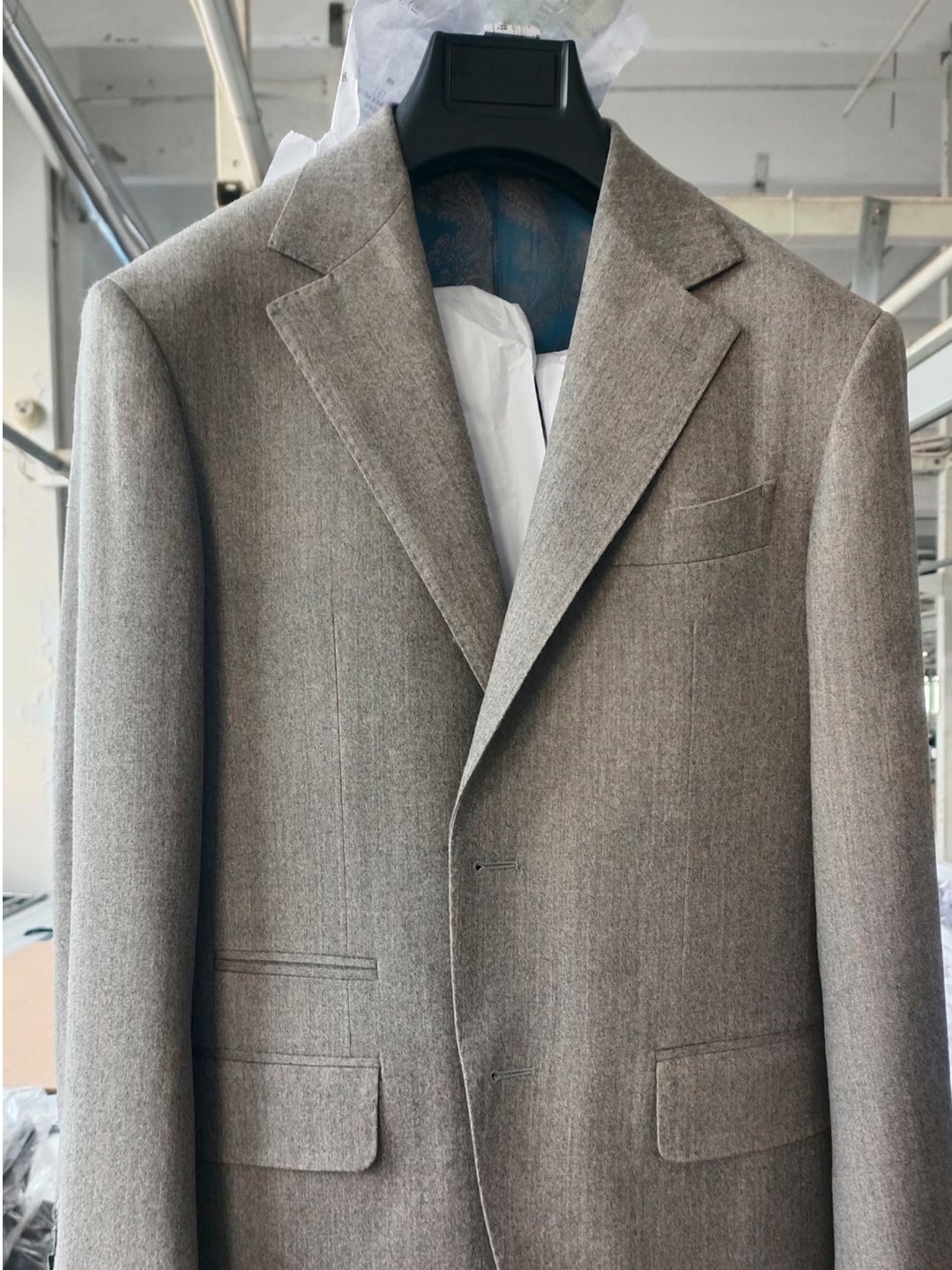
A high-end bespoke production line represents the pinnacle of manufacturing excellence, where traditional craftsmanship meets cutting-edge technology to create products of unparalleled quality. Unlike mass-production environments, a high-end bespoke production line operates on principles of precision, customization, and meticulous attention to detail. Every step in the workflow is carefully orchestrated to accommodate client specifications while maintaining the highest standards of quality control. Understanding how a high-end bespoke production line functions reveals why luxury brands command premium market positions and why discerning clients are willing to invest in truly personalized products.

The operational framework of a high-end bespoke production line differs fundamentally from conventional manufacturing. Rather than churning out identical units on automated conveyor systems, a high-end bespoke production line integrates human expertise with selective automation, creating a hybrid model that prioritizes uniqueness and excellence. Each product moves through stages of design consultation, material selection, artisan craftsmanship, and rigorous inspection before delivery. This article explores the operational mechanisms, workflow design, quality assurance protocols, and strategic advantages that define how a high-end bespoke production line delivers luxury goods that meet the exacting standards of the most demanding clientele.
Core Operational Architecture of a High-End Bespoke Production Line
Design and Specification Phase
The foundation of any high-end bespoke production line begins with detailed client consultation and design specification. Unlike standard manufacturing, a high-end bespoke production line requires comprehensive communication between design specialists and clients to capture exact preferences, functional requirements, and aesthetic vision. Skilled designers translate these requirements into technical specifications, material sourcing plans, and production roadmaps. This phase is deliberately extended and thorough because errors at this stage cascade through the entire production cycle. A high-end bespoke production line cannot afford rework or material waste, so precision in specification prevents costly corrections downstream.
Material Selection and Quality Verification
Materials form the foundation of any luxury product, and a high-end bespoke production line maintains stringent sourcing and verification protocols. Personnel responsible for a high-end bespoke production line work directly with verified suppliers to obtain premium-grade inputs that meet exacting standards. Each material batch undergoes inspection before entering the production system. A high-end bespoke production line cannot compromise on material quality because the final product's reputation depends entirely on component integrity. Inspectors verify fabric weight, color accuracy, chemical composition, and dimensional consistency, rejecting any shipment that falls short of specification.
Artisan Integration and Hands-On Craftsmanship
Skilled Labor and Technical Expertise
The heart of a high-end bespoke production line lies in its artisan workforce. A high-end bespoke production line employs master craftspeople with decades of experience, whose intuitive understanding of material behavior and technique cannot be replicated by automation alone. These specialists perform tasks requiring tactile feedback, real-time judgment, and adaptive problem-solving. Operating a high-end bespoke production line means investing significantly in workforce development, training, and retention because the quality of final output directly correlates with craftsperson skill and commitment. Many operations dedicate years to training new artisans, ensuring that standards remain consistent across generations of production.
Workstation Organization and Workflow Efficiency
Organization within a high-end bespoke production line follows a hybrid model that balances flexibility with efficiency. Unlike rigid assembly lines, a high-end bespoke production line organizes workstations by function—cutting, assembly, finishing, quality control—but allows flexibility in sequencing based on product specifications. Each station in a high-end bespoke production line is equipped with specialized tools, reference materials, and documentation specific to the project. Staff rotate between stations to develop multi-disciplinary skills, preventing monotony and reducing dependency on single individuals. This organizational design ensures that a high-end bespoke production line can accommodate varying product types without sacrificing quality or introducing bottlenecks.
Quality Control and Inspection Protocols
Multi-Stage Verification Systems
Quality assurance in a high-end bespoke production line operates through layered inspection checkpoints rather than single end-stage verification. A high-end bespoke production line implements checks at material receipt, after each major processing step, and before final shipping. Inspectors verify dimensional accuracy, material integrity, finish quality, and aesthetic consistency against original client specifications. Operating a high-end bespoke production line requires maintaining detailed quality records for every product, creating traceability and accountability. If defects are discovered, a high-end bespoke production line protocols mandate immediate investigation and corrective action, ensuring that the final product meets or exceeds expectations.
Technology Integration and Testing
Modern high-end bespoke production line operations integrate measurement technology, imaging systems, and diagnostic tools to enhance precision without replacing human judgment. Advanced systems may include digital measurement devices that verify product dimensions, spectral analysis for color matching, and imaging that documents each production stage. A high-end bespoke production line balances technological capability with artisan expertise, using machines to eliminate human error while preserving the human judgment required for subjective quality assessments. This integration allows a high-end bespoke production line to achieve consistency while maintaining the distinctive character that luxury clients seek.
Customization Flexibility and Client Communication
Adaptive Production Scheduling
A high-end bespoke production line must accommodate variation without becoming chaotic or inefficient. Production scheduling for a high-end bespoke production line accounts for different product types, varying complexity levels, and custom specifications by assigning estimated timeframes and sequencing work based on material availability and artisan capacity. Managers operating a high-end bespoke production line continuously balance incoming orders, ensuring that work progresses smoothly without creating backlogs. Communication tools track each order through the high-end bespoke production line, allowing clients and staff to monitor progress and anticipate completion dates.
Modification Protocols and Change Management
Client requests sometimes evolve after initial production begins, and a high-end bespoke production line maintains formal protocols for accommodating changes. Managers evaluate modification requests against current production stage, material availability, and timeline impact. Implementing changes in a high-end bespoke production line requires documentation, cost assessment, and client approval, preventing misunderstandings and unexpected delays. Because a high-end bespoke production line operates with limited batch sizes, accommodating reasonable modifications is feasible, and management systems ensure that changes are implemented correctly without compromising quality or disrupting overall production flow.
FAQ
What distinguishes a high-end bespoke production line from mass manufacturing?
A high-end bespoke production line prioritizes customization, quality, and artisan craftsmanship over volume and cost minimization. Mass manufacturing optimizes for speed and consistency across identical units, while a high-end bespoke production line accommodates client specifications, employs skilled craftspeople, implements extensive quality checks, and invests heavily in material quality. The high-end bespoke production line operates at lower volumes but commands premium pricing, and each product represents a unique expression of client preferences and artisan capability.
How does a high-end bespoke production line maintain consistent quality across varied products?
A high-end bespoke production line maintains quality through detailed specification documentation, artisan expertise, multi-stage inspections, and comprehensive record-keeping. Rather than standardizing products, a high-end bespoke production line standardizes processes—ensuring that quality protocols remain consistent regardless of product variation. Skilled staff understand material behavior deeply, allowing them to adapt techniques appropriately. A high-end bespoke production line invests continuously in training and quality systems, ensuring that every product meets the same exacting standards even when specifications differ.
What role does technology play in operating a high-end bespoke production line?
Technology in a high-end bespoke production line serves as a precision tool and documentation system rather than a replacement for human skill. Measurement devices, imaging systems, and diagnostic tools enhance accuracy and create quality records within a high-end bespoke production line. Modern operations use software to schedule production, track orders, and manage specifications, allowing a high-end bespoke production line to handle complexity without introducing errors. Technology enables efficiency and traceability, but artisan judgment and craftsmanship remain the core value drivers of a high-end bespoke production line.