
 EN


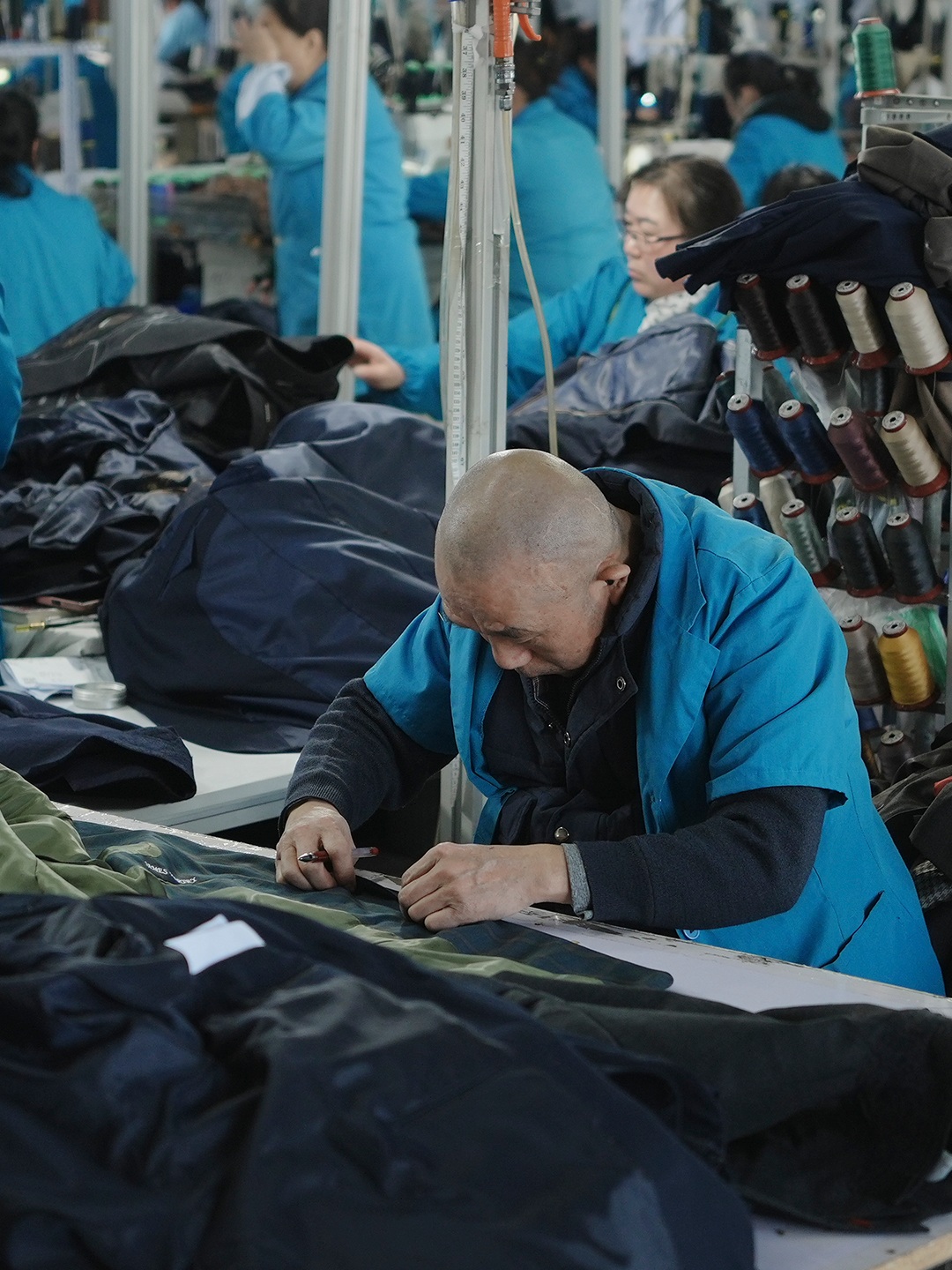
Luxury brands exist in a unique market segment where mass production directly contradicts brand promise and customer expectations. A high-end bespoke production line represents far more than a manufacturing capability; it embodies the philosophical commitment to exclusivity, craftsmanship, and personalized excellence that defines the luxury sector. When a customer invests significantly in a luxury product, they are not simply purchasing an item but acquiring a reflection of their status, taste, and individuality. This fundamental reality makes a high-end bespoke production line absolutely critical for any brand serious about maintaining its position in the premium market.
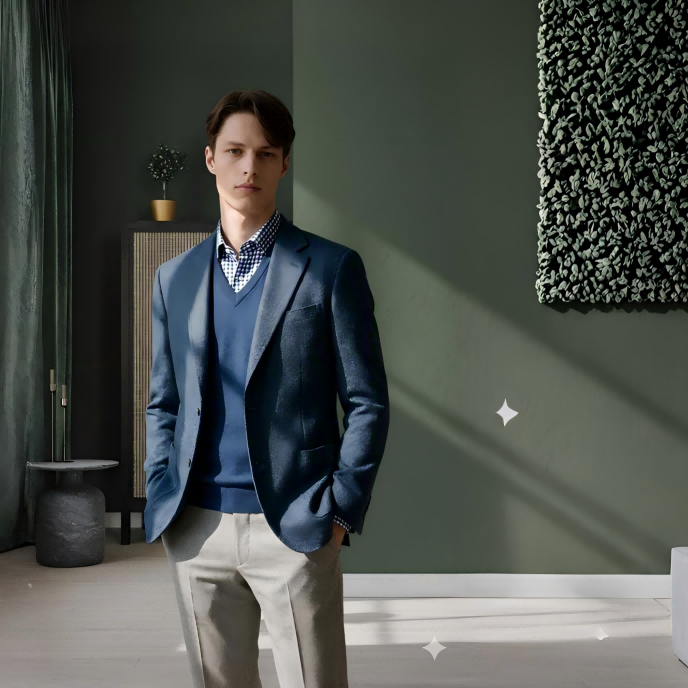
The luxury consumer has fundamentally different expectations than mass-market buyers. These customers demand bespoke capabilities, customization options, and production methods that reflect their individual preferences and specifications. A high-end bespoke production line enables luxury brands to deliver on this promise consistently, ensuring that every product meets exacting standards while honoring the unique requirements of each client. Without this capability, luxury brands risk becoming indistinguishable from mid-market competitors, ultimately eroding brand value and customer loyalty.
The Role of Customization in Brand Differentiation
Meeting Individual Client Specifications
Luxury consumers do not accept standardized solutions. They expect a high-end bespoke production line to accommodate their precise specifications, whether in materials, finishes, dimensions, or functional features. This level of personalization requires flexible manufacturing systems that can pivot between different orders without compromising quality or timeline predictability. Brands that master this capability gain tremendous competitive advantage because they transform each transaction into a personalized experience that reinforces brand prestige and customer identity.
A high-end bespoke production line enables craftspeople and production teams to work with precision tolerances while maintaining the artisanal quality that distinguishes luxury goods. When a client selects specific leather grades, hand-finishing techniques, or custom embroidery patterns, the production environment must support these choices seamlessly. This requires investment in training, equipment flexibility, and quality assurance protocols that only premium brands can justify. The result is a product that feels genuinely made for the individual rather than selected from a pre-made inventory.
Creating Perceived Exclusivity
Exclusivity drives luxury pricing power. A high-end bespoke production line communicates to the market that products are made in limited quantities and customized for specific clients rather than mass-produced for general distribution. This perception justifies premium pricing and strengthens brand positioning. When luxury brands can credibly claim that every item is produced to individual specifications on a dedicated high-end bespoke production line, they reinforce the narrative of scarcity and personal attention that luxury consumers crave.
The exclusivity created by a high-end bespoke production line extends beyond the physical product to the entire customer experience. From initial consultation through final delivery, clients feel prioritized and valued because the production process is organized around their needs rather than batch efficiency. This emotional connection becomes a powerful differentiator that transcends product features and justifies premium price points.
Quality Control and Craftsmanship Excellence
Maintaining Consistent Premium Standards
Luxury brands cannot compromise on quality without destroying their market position. A high-end bespoke production line incorporates rigorous quality control measures and inspection protocols that ensure every product meets exacting specifications before reaching the customer. Unlike mass production environments where statistical quality sampling is acceptable, a high-end bespoke production line requires individual scrutiny of every item because each product is unique and represents the brand's complete commitment to excellence.
The craftspeople working on a high-end bespoke production line typically possess specialized training and decades of experience. This human expertise, combined with precision equipment and detailed checklists, creates production environments where defects are virtually eliminated and rework is minimized. The financial investment required to establish such an environment is significant, but it becomes necessary for brands that cannot tolerate product failures in the marketplace.
Preserving Artisanal Heritage
Many luxury brands build their narratives around artisanal heritage and time-honored production techniques. A high-end bespoke production line honors this heritage by preserving hand-finishing methods, specialized processes, and traditional craftsmanship that distinguish luxury products from industrial alternatives. This is not about rejecting modern technology but rather integrating advanced equipment and systems to support rather than replace human skill and artistic judgment.
When luxury brands communicate that their products are created on a high-end bespoke production line, they implicitly promise that superior materials, skilled labor, and careful attention are being invested in the creation process. This narrative resonates with customers who understand that exceptional quality requires time, expertise, and human judgment that cannot be fully automated or expedited without degradation.
Market Position and Competitive Advantage
Defending Against Mass-Market Encroachment
The luxury market faces continuous pressure from aspiration-driven consumers who seek premium positioning at lower price points and from mass manufacturers who invest heavily in brand building and distribution. A high-end bespoke production line serves as a powerful defensive moat because it creates capabilities that competitors cannot easily replicate without substantial capital investment and years of expertise development. Brands that operate dedicated high-end bespoke production lines can credibly claim that their products are genuinely different in both creation process and final quality.
This differentiation becomes increasingly important as luxury markets mature and new competitors emerge. Brands without authentic high-end bespoke production line capabilities are vulnerable to competitors who can demonstrate superior customization, faster delivery, or comparable quality at lower prices. Conversely, brands that invest in dedicated bespoke production infrastructure build durable competitive advantages that protect profitability and brand positioning for decades.
Enabling Premium Pricing Justification
Customers resist premium pricing unless they perceive genuine value differentiation. A high-end bespoke production line provides the tangible basis for premium pricing because it enables capabilities that mass-produced alternatives cannot offer. When brands can explain that products are individually customized, hand-finished by master craftspeople, and produced in limited volumes on specialized equipment, they justify price premiums that would otherwise seem unreasonable.
Furthermore, a high-end bespoke production line allows brands to implement sustainable pricing strategies that survive market downturns and competitive pressure. Premium pricing based on authentic bespoke capabilities is more defensible than pricing based solely on brand reputation or marketing investment because the value proposition is embedded in the product creation process itself rather than in promotional messaging.
FAQ
What distinguishes a high-end bespoke production line from standard luxury manufacturing?
A high-end bespoke production line is specifically organized to accommodate individual client specifications, customization requests, and one-of-a-kind production runs. Standard luxury manufacturing may use premium materials and employ skilled workers but operates according to pre-designed product specifications and batch production logic. A high-end bespoke production line requires flexible workflows, cross-trained artisans, rapid changeover capabilities, and personalized client communication channels. This operational model enables genuine customization rather than selection from predefined options.
How does a high-end bespoke production line impact production timelines and costs?
A high-end bespoke production line typically results in longer production timelines and higher per-unit costs compared to mass production because the system prioritizes quality and customization over speed and volume efficiency. However, these extended timelines and elevated costs are precisely what justify premium pricing and reinforce brand positioning in luxury markets. Customers expect waits of weeks or months for truly bespoke products and view extended production timelines as evidence of quality craftsmanship rather than inefficiency. A high-end bespoke production line transforms what would be operational disadvantages in mass markets into competitive advantages in luxury segments.
Can smaller luxury brands successfully operate high-end bespoke production lines?
Yes, but smaller luxury brands must be strategic about their approach to high-end bespoke production line operations. They can succeed by specializing in narrow product categories, leveraging highly specialized artisanal expertise, and maintaining direct relationships with individual clients. Some successful luxury brands operate high-end bespoke production lines with relatively small teams but with exceptionally high per-unit prices and significant client waiting lists. The key is that a high-end bespoke production line must be genuinely aligned with brand positioning and customer expectations rather than treated as an optional capability.