
 EN


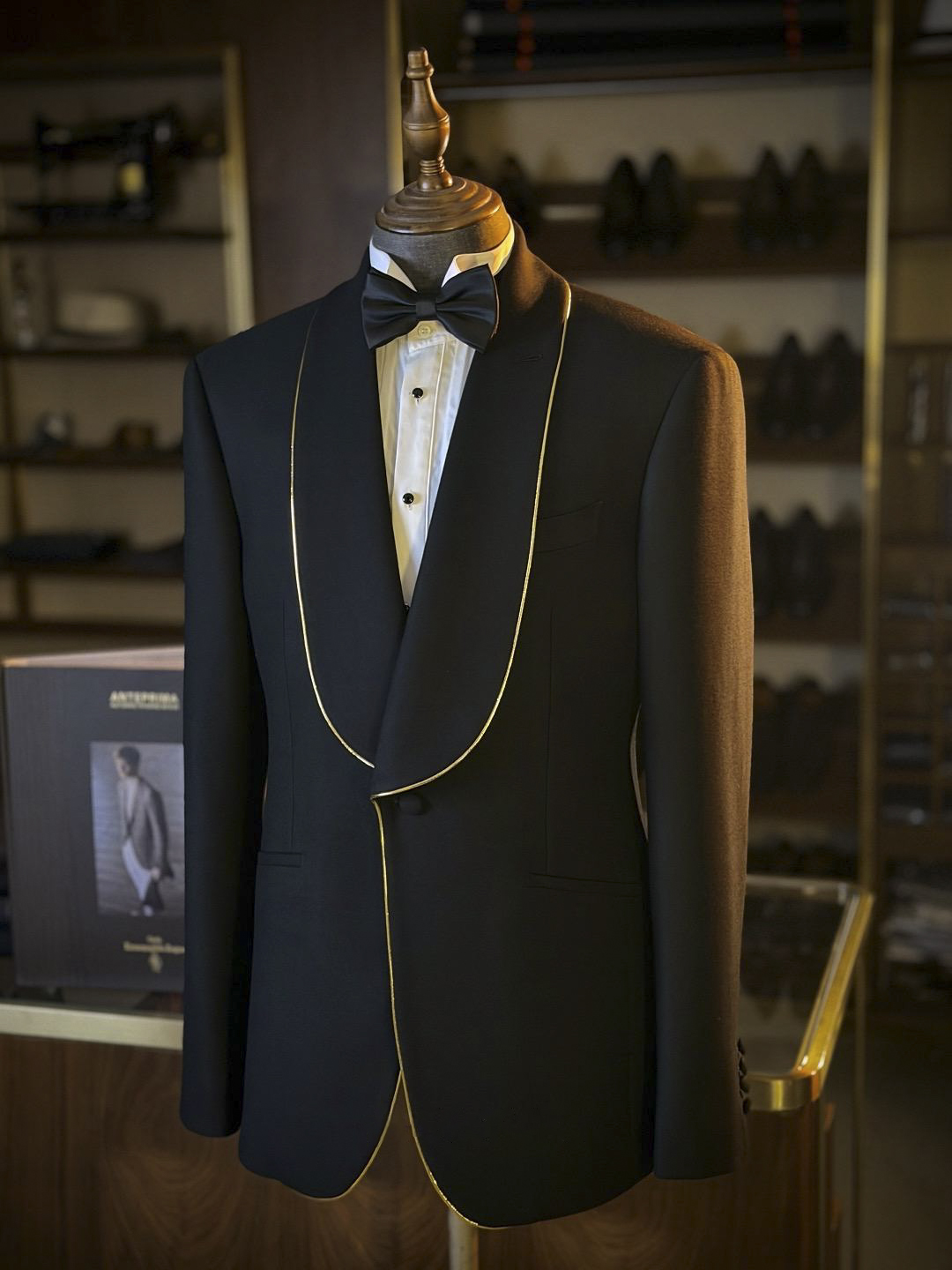
Handmade bespoke suits represent far more than clothing—they embody a philosophy of personal expression, uncompromising quality, and timeless elegance that has defined luxury menswear for centuries. In today's fast-fashion era, the demand for handmade bespoke suits continues to rise among discerning professionals, executives, and style-conscious individuals who recognize that off-the-rack garments cannot match the precision, fit, and character of truly bespoke tailoring. Understanding why handmade bespoke suits command such reverence in high-end markets requires exploring the intersection of craftsmanship, personalization, exclusivity, and enduring value that distinguishes them from mass-produced alternatives.
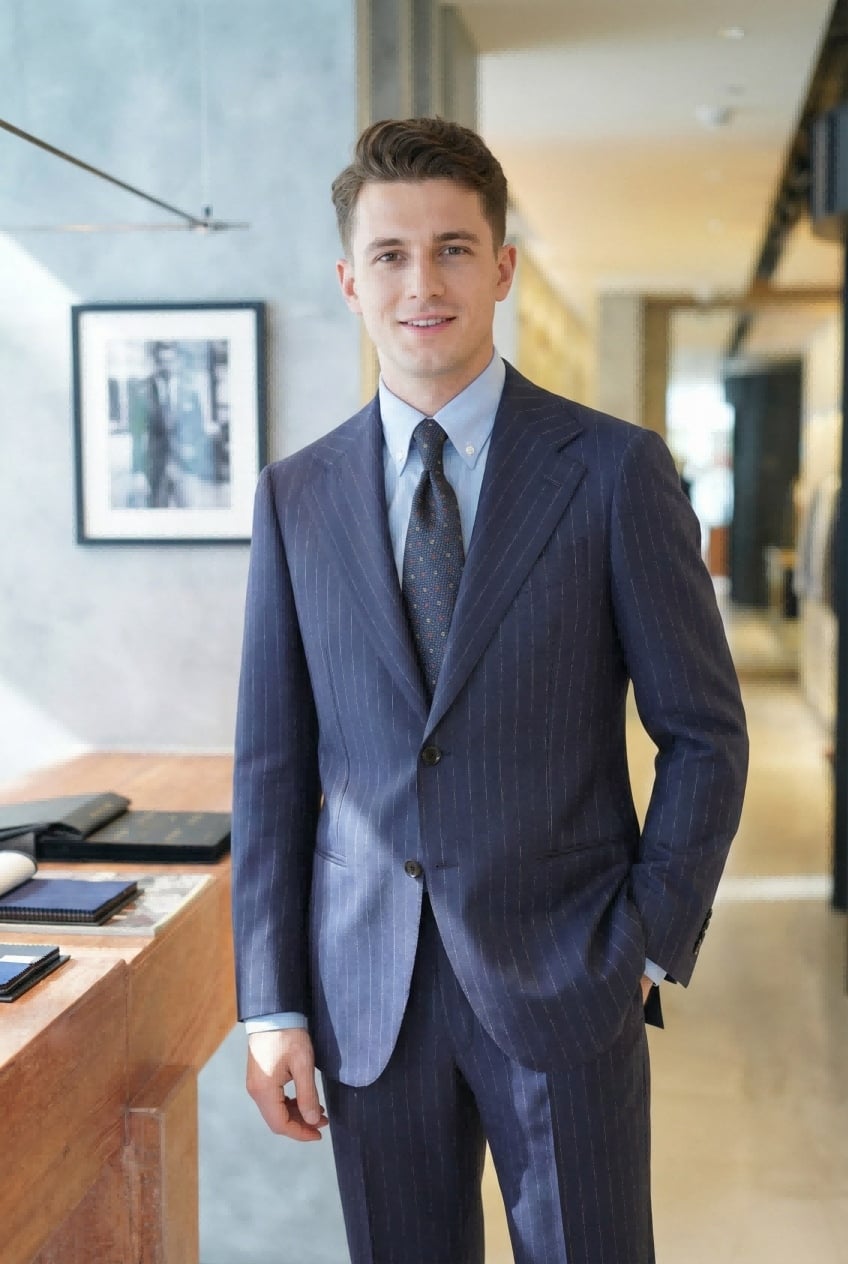
The foundation of luxury markets rests on the principle that exceptional quality justifies premium pricing. Handmade bespoke suits exemplify this principle through every stitch, seam, and fabric choice. When clients invest in handmade bespoke suits, they are purchasing not just a garment but the entire expertise, attention, and artistic vision of master tailors who have dedicated decades to perfecting their craft. This article explores the multifaceted reasons why handmade bespoke suits remain the gold standard in luxury menswear, examining the craftsmanship involved, the personalization benefits, the investment value, and the cultural significance that drives their continued demand among elite clientele worldwide.
The Unmatched Craftsmanship Behind Handmade Bespoke Suits
Hand-Stitching and Precision Tailoring
Handmade bespoke suits are constructed through techniques refined over generations, where each component receives individual attention that machines simply cannot replicate. The creation of handmade bespoke suits begins with hand-cutting patterns based on precise client measurements, ensuring that every dimension accounts for the wearer's unique proportions, posture, and movement patterns. Master tailors working on handmade bespoke suits employ hand-stitching methods that create flexibility and durability superior to machine work, allowing seams to move naturally with the body rather than restricting motion. The lapels, buttonholes, and internal construction of handmade bespoke suits showcase the tailor's signature techniques—details that reveal expertise to other connoisseurs and demonstrate why such garments command respect within luxury circles.
Material Selection and Premium Fabrics
The fabrics used in handmade bespoke suits represent a significant component of their value proposition. Tailors specializing in handmade bespoke suits curate relationships with heritage mills and exclusive fabric suppliers, sourcing materials that possess superior weight, drape, and longevity. Handmade bespoke suits are often constructed from pure wool, cashmere blends, silk linings, and rare natural fibers selected specifically for their performance characteristics and aesthetic qualities. The fabric in handmade bespoke suits continues to improve with age and wear, developing a subtle patina and unique character that distinguishes them from suits made from synthetic blends. This attention to material excellence ensures that handmade bespoke suits remain visually stunning and structurally sound for decades, justifying their elevated market positioning and premium costs.
Personalization and Perfect Fit as Luxury Differentiators
Custom Tailoring to Individual Specifications
One of the primary reasons why handmade bespoke suits command higher prices is their absolute customization to individual client needs and preferences. The creation of handmade bespoke suits begins with an extensive consultation process where tailors assess body shape, posture, lifestyle, color preferences, and style vision. Each suit in the handmade bespoke suits category is constructed from scratch according to the client's measurements, ensuring perfect proportions across the shoulders, chest, waist, sleeve length, and jacket length. Handmade bespoke suits accommodate physical asymmetries, movement patterns, and personal comfort requirements that factory-made suits ignore. This level of personalization means that handmade bespoke suits deliver a fit so precise and comfortable that clients often report feeling transformed when wearing them—a psychological and functional benefit that justifies premium investment.
Lifestyle Integration and Wearability
Beyond measurements, tailors crafting handmade bespoke suits consider how the garment will function within the client's daily life. Whether the wearer needs mobility for frequent travel, comfort for long office hours, or visual impact for formal occasions, handmade bespoke suits are engineered around these lifestyle factors. The tailor may adjust pocket placements, internal functionality, weight distribution, and seam positioning to align with how the suit will actually be worn. Handmade bespoke suits that accommodate real-world usage patterns deliver superior comfort and confidence compared to rigid, standardized cuts. This practical wisdom integrated into handmade bespoke suits reflects the tailor's experience and ensures that clients receive garments optimized for their specific context, reinforcing why they represent exceptional value despite their premium pricing.
Investment Value and Market Prestige of Handmade Bespoke Suits
Longevity and Cost Per Wear Analysis
Analyzing handmade bespoke suits through traditional cost-per-wear metrics reveals their genuine economic efficiency within luxury markets. Handmade bespoke suits constructed with superior materials and techniques typically remain wearable and elegant for fifteen to twenty-five years or more, whereas mass-produced alternatives deteriorate within five to eight years. The longevity of handmade bespoke suits means that initial investment costs amortize across decades of regular wear, often resulting in lower cost-per-wear than purchasing multiple disposable suits. Furthermore, handmade bespoke suits maintain their aesthetic appeal through wear, developing character and patina that enhance their visual presence rather than diminish it. High-net-worth individuals recognize this economic reality, understanding that handmade bespoke suits represent superior long-term value compared to cheaper alternatives that require frequent replacement, thereby solidifying their premium market position.
Exclusivity and Social Signaling
Within luxury markets, exclusivity functions as a critical value driver, and handmade bespoke suits deliver this through inherent scarcity and personalization. Each suit created in the handmade bespoke suits category is unique to its wearer, impossible to replicate exactly, and unavailable through retail channels—a level of exclusivity that resonates powerfully with affluent clientele. Wearing handmade bespoke suits signals to peers and business associates that the wearer possesses the discernment, resources, and patience required to commission custom garments from master craftspeople. This social signaling element elevates handmade bespoke suits beyond functional clothing into the realm of status symbols and cultural markers. The prestige associated with handmade bespoke suits extends to the tailors themselves, who become celebrated artisans and trusted advisors rather than anonymous manufacturing employees, further enhancing the perceived value and desirability of their creations.
FAQ
What makes handmade bespoke suits different from made-to-measure suits?
Handmade bespoke suits are constructed entirely by hand from patterns created specifically for the individual client, while made-to-measure suits are adjusted versions of existing patterns using partially automated production. Handmade bespoke suits involve multiple consultations, pattern development, and hand-stitching throughout construction, whereas made-to-measure garments rely on digital templates and machine assembly. The handmade bespoke suits experience allows tailors to incorporate artistic vision and adapt details during construction, creating truly unique garments versus standardized customization processes used for made-to-measure alternatives.
How long does the handmade bespoke suits creation process typically require?
Creating handmade bespoke suits is an extended process that typically requires six to twelve weeks from initial consultation to final delivery, depending on the tailor's schedule and the suit's complexity. The timeline for handmade bespoke suits includes consultation, pattern development, initial fitting, construction phases, and final adjustments—each step essential for achieving perfect fit and finish. Rushing the process would compromise the quality that distinguishes handmade bespoke suits in luxury markets, which is why clients understand and accept the extended timeframe as part of the investment experience.
Can handmade bespoke suits be altered or adjusted after delivery?
Master tailors who create handmade bespoke suits typically provide ongoing alteration and adjustment services as part of their client relationship, recognizing that bodies change and preferences evolve over time. Handmade bespoke suits can be adjusted through minor modifications to fit or significant reconstructions depending on the extent of changes needed. This post-purchase relationship with the tailor is one reason why clients develop deep loyalty to their handmade bespoke suits creators, viewing them as long-term partners in maintaining their wardrobe rather than transactional vendors.