
 EN


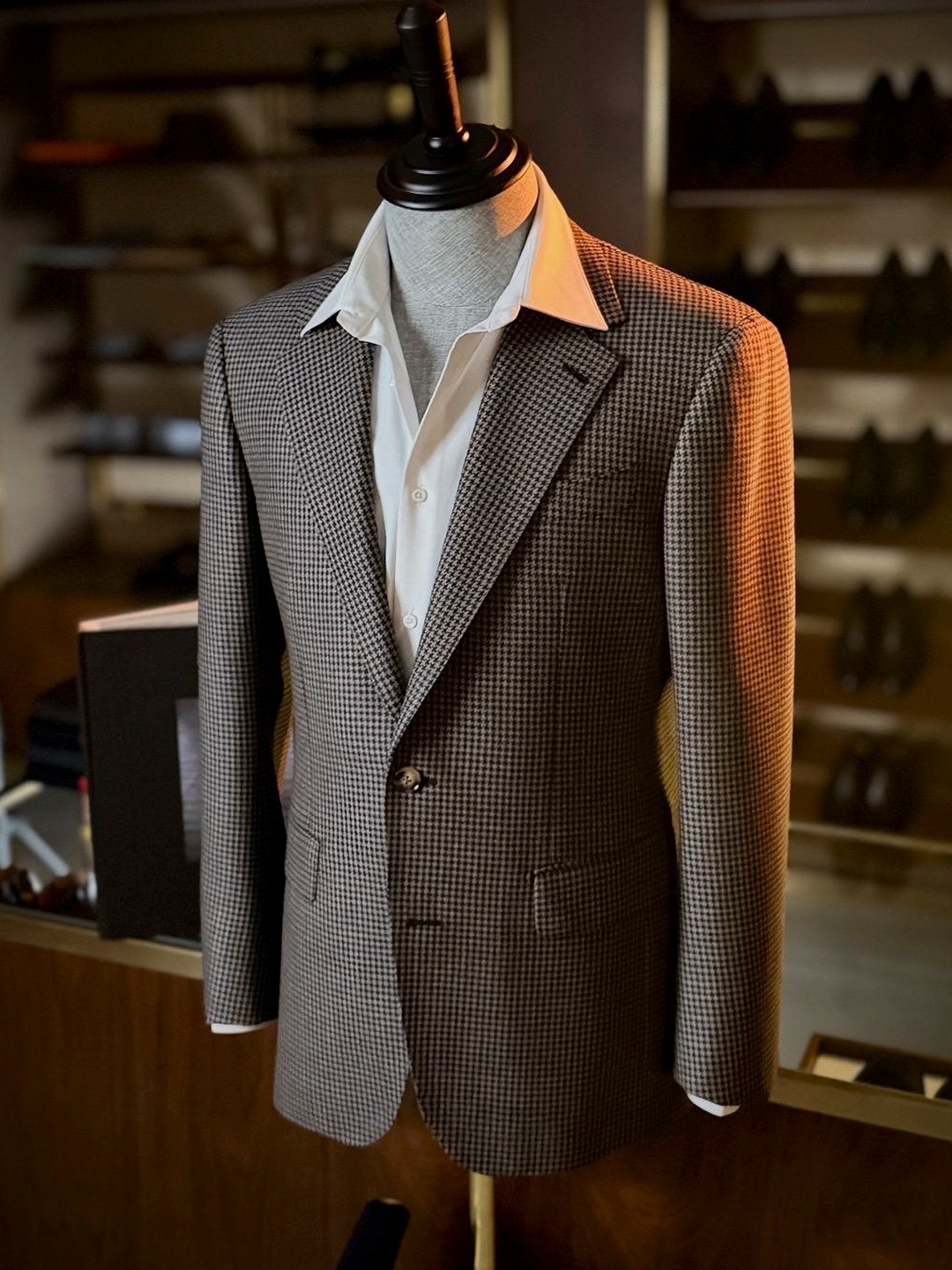
Handmade bespoke suits represent the pinnacle of tailoring excellence, embodying centuries of craftsmanship and meticulous attention to detail. Unlike mass-produced garments, handmade bespoke suits are constructed through a series of specialized techniques that require extensive skill, precision, and intimate client collaboration. These suits are not simply garments; they are wearable expressions of personal style, built to fit the unique contours of an individual body while reflecting their professional identity. The distinction between handmade bespoke suits and ready-to-wear alternatives lies fundamentally in the methodology, materials, and human expertise invested in every stitch.
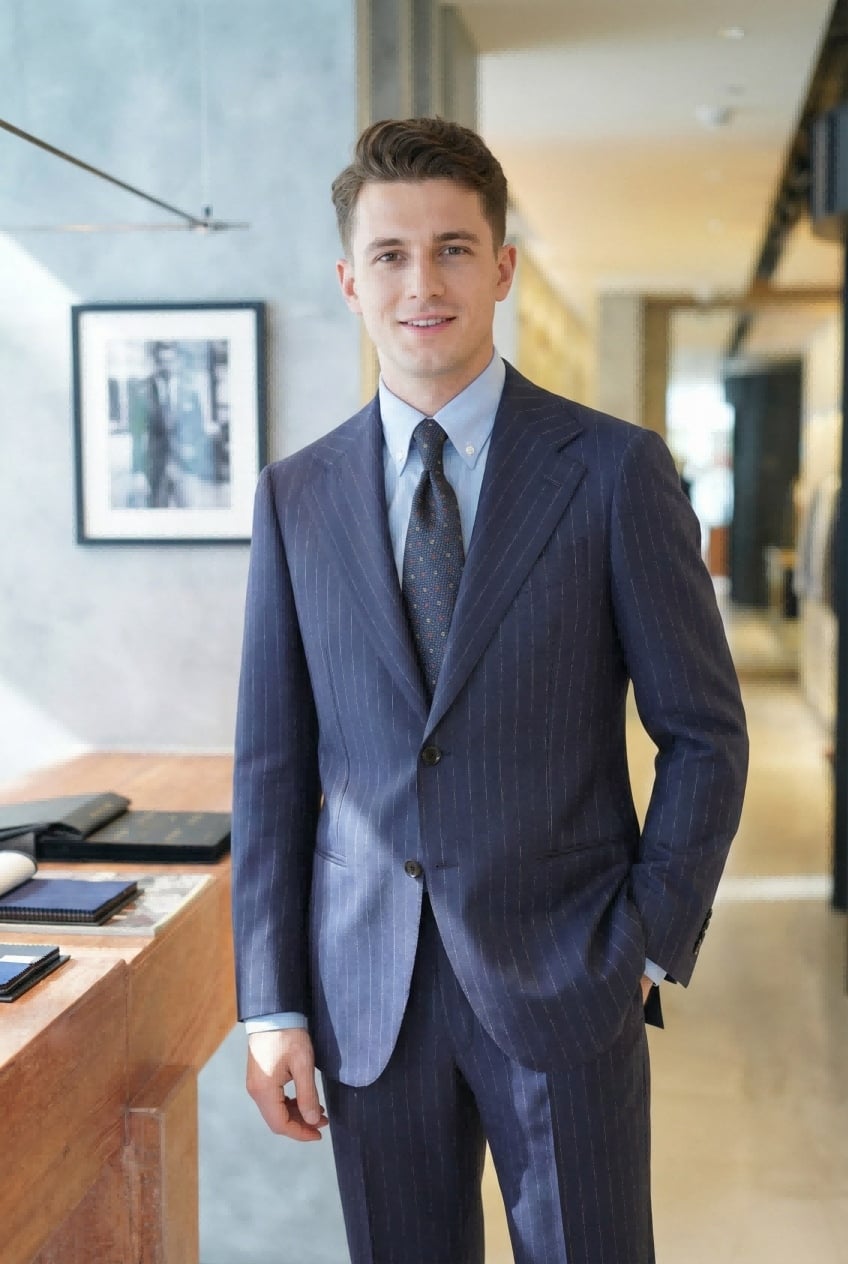
The creation of handmade bespoke suits demands a comprehensive understanding of pattern drafting, fabric properties, garment architecture, and finishing methods that separate true artisans from conventional tailors. Each stage of production—from initial measurement through final pressing—contributes to the overall quality and longevity of the suit. Understanding these craft techniques provides insight into why handmade bespoke suits command premium pricing and enduring value in professional wardrobes across industries.
The Measurement and Pattern Foundation
Precision Body Mapping
Creating handmade bespoke suits begins with exhaustive body measurement. Master tailors conduct 20 to 40 individual measurements, capturing not just standard dimensions but also postural nuances, shoulder slope, arm length variation, and torso angles that influence garment drape. This measurement process transforms a generic pattern into a personalized template specific to the wearer's anatomy. Handmade bespoke suits require this level of precision because even minor deviations compound across multiple pattern pieces, affecting the entire garment's balance and comfort.
Custom Pattern Development
Once measurements are recorded, master tailors develop a bespoke block pattern—a custom template that becomes the foundation for handmade bespoke suits. This pattern is not imported from a software database; it is drafted by hand or digitally modified from the tailor's personal block, reflecting their distinctive approach to garment construction. The pattern accounts for the client's specific build, posture, and movement preferences. Handmade bespoke suits derived from truly custom patterns exhibit superior fit because the garment is literally designed around the individual wearer rather than forced onto standardized sizing conventions.
Cutting and Fabric Selection
Selective Fabric Sourcing
Handmade bespoke suits begin with fabric selection that goes far beyond convenience. Master tailors maintain relationships with premium mills across Italy, Scotland, England, and Germany, understanding the specific weight, weave, and finish characteristics of different cloth sources. Handmade bespoke suits crafted from these carefully selected fabrics exhibit superior longevity, aesthetic depth, and functional properties compared to suits using commodity textiles. The tailor educates clients on fabric behavior, seasonal appropriateness, and maintenance requirements, ensuring the investment aligns with the client's professional environment and climate.
Hand-Cutting Precision
While industrial manufacturers use computerized cutting systems optimized for material efficiency, handmade bespoke suits are cut by master craftsmen using hand-operated scissors and specialized cutting knives. This methodology allows tailors to assess fabric grain, nap direction, and natural drape characteristics in real-time, adjusting the cut to enhance the cloth's inherent qualities. Handmade bespoke suits cut by hand often require less pressing and blocking because the cutting technique itself respects the fabric's natural properties. The tailor's expertise in this phase directly influences the suit's eventual silhouette and movement quality.
Construction Methodology and Hand Stitching
Canvas Integration and Chest Build
The construction of handmade bespoke suits relies heavily on internal structural elements that are systematically built into the garment rather than merely fused. Master tailors pad the chest area with linen canvas, creating layers that provide structure, resilience, and shape retention. This canvas is hand-stitched using a technique called pad stitching, where millions of tiny stitches anchor the canvas to the outer fabric in diagonal or crosshatch patterns. Handmade bespoke suits benefit from this meticulous approach because the pad stitching is responsive—the tailor adjusts stitch density and direction based on the fabric's weight and desired aesthetic outcome. Mass-produced garments typically fuse canvas with adhesive, creating inflexible, plastic-like results that deteriorate rapidly when dry cleaned.
Hand Assembly and Seam Construction
Assembling handmade bespoke suits involves hand-stitching many critical seams rather than relying exclusively on industrial sewing machines. The side seams, shoulder seams, and sleeve head are often sewn by hand using a backstitch technique that creates exceptionally strong, flexible seams capable of withstanding years of wear and repeated tailoring adjustments. Handmade bespoke suits incorporate hand-felled seams in the jacket body, where fabric edges are folded and stitched flat to eliminate internal bulk while maintaining superior strength. These seams demand significant time investment but reward the wearer with durability and the capacity for future alterations that would be impossible in machine-stitched garments with sealed, fused construction.
Sleeve Setting and Armhole Precision
The sleeve attachment represents one of the most technically demanding phases of handmade bespoke suits construction. Master tailors set sleeves by hand, carefully balancing the circumference relationship between the armhole and sleeve cap to ensure natural hang and minimal bunching. Handmade bespoke suits feature sleeves that move with the body rather than constraining motion, a result of the tailor's ability to manipulate fabric during the setting process to distribute ease intelligently. Machine-set sleeves in conventional suits often exhibit excessive fabric at the sleeve cap or wrinkles in the underarm, whereas handmade bespoke suits reflect the tailor's real-time adjustment and aesthetic sensitivity.
Finishing Details and Longevity Features
Buttonhole Craftsmanship
Handmade bespoke suits showcase buttonholes that are hand-sewn using a technique called bound buttonholes or worked buttonholes, where thread is looped around the buttonhole perimeter creating a finished edge that resists fraying. This process is extraordinarily time-consuming but produces buttonholes that maintain their integrity through decades of fastening and unfastening. Mass-produced garments employ machine-cut buttonholes, which deteriorate rapidly and cannot be reliably repaired. Handmade bespoke suits gain significant value longevity through this seemingly minor detail because functional buttonholes remain secure across multiple alterations and reweaves.
Lining Installation and Pocket Construction
The lining of handmade bespoke suits is hand-stitched into the jacket body using a slip stitch technique that creates an invisible seam line and allows the lining to move independently of the outer fabric during wear. Handmade bespoke suits feature reinforced pocket construction with hand-stitched pocket flaps and linings that prevent tearing and ensure smooth operation over years of use. The interior construction of handmade bespoke suits is executed with the same care as the exterior, reflecting the tailor's commitment to quality even in hidden areas.
Pressing and Final Blocking
The final stage of creating handmade bespoke suits involves extensive pressing and blocking, where the garment is steamed, shaped, and allowed to set into its final silhouette. Master tailors use hand pressing with specialized equipment, applying precise heat and moisture to set creases, shape the lapels, and establish the jacket's overall lines. Handmade bespoke suits emerge from this process with a distinctive hand-pressed quality that reflects skillful craftsmanship rather than industrial uniformity.
FAQ
What makes handmade bespoke suits worth the investment?
Handmade bespoke suits represent a long-term investment because they are constructed to last decades with proper maintenance and periodic alterations. The superior construction methods, premium materials, and custom fit mean these suits remain relevant, comfortable, and structurally sound long after conventional suits deteriorate. The initial investment pays dividends through reduced replacement frequency and the ability to have suits reweaved, re-lined, or re-pressed as needed, extending their lifespan substantially beyond ready-to-wear alternatives.
How long does the creation process for handmade bespoke suits typically take?
Handmade bespoke suits generally require 8 to 12 weeks from initial consultation to final delivery, though traditional makers may require 16 to 20 weeks. This timeline reflects the sequential nature of the craft—pattern development, cutting, canvas work, hand stitching, multiple fittings, and final pressing cannot be accelerated without compromising quality. Rushed handmade bespoke suits sacrifice the fitting refinement and construction precision that justify the premium price and longevity expectations.
Can handmade bespoke suits be altered after purchase?
Yes, one significant advantage of handmade bespoke suits is their capacity for extensive alteration and repair. Because these suits are hand-constructed with strong seams and quality linings, master tailors can adjust the jacket body, modify sleeve length, alter the waistband, and even reweave damaged fabric sections. Handmade bespoke suits improve with age and maintenance, often gaining character and fit refinement through skilled alterations that would be impossible or inadvisable on mass-produced garments with fused constructions.