
 EN


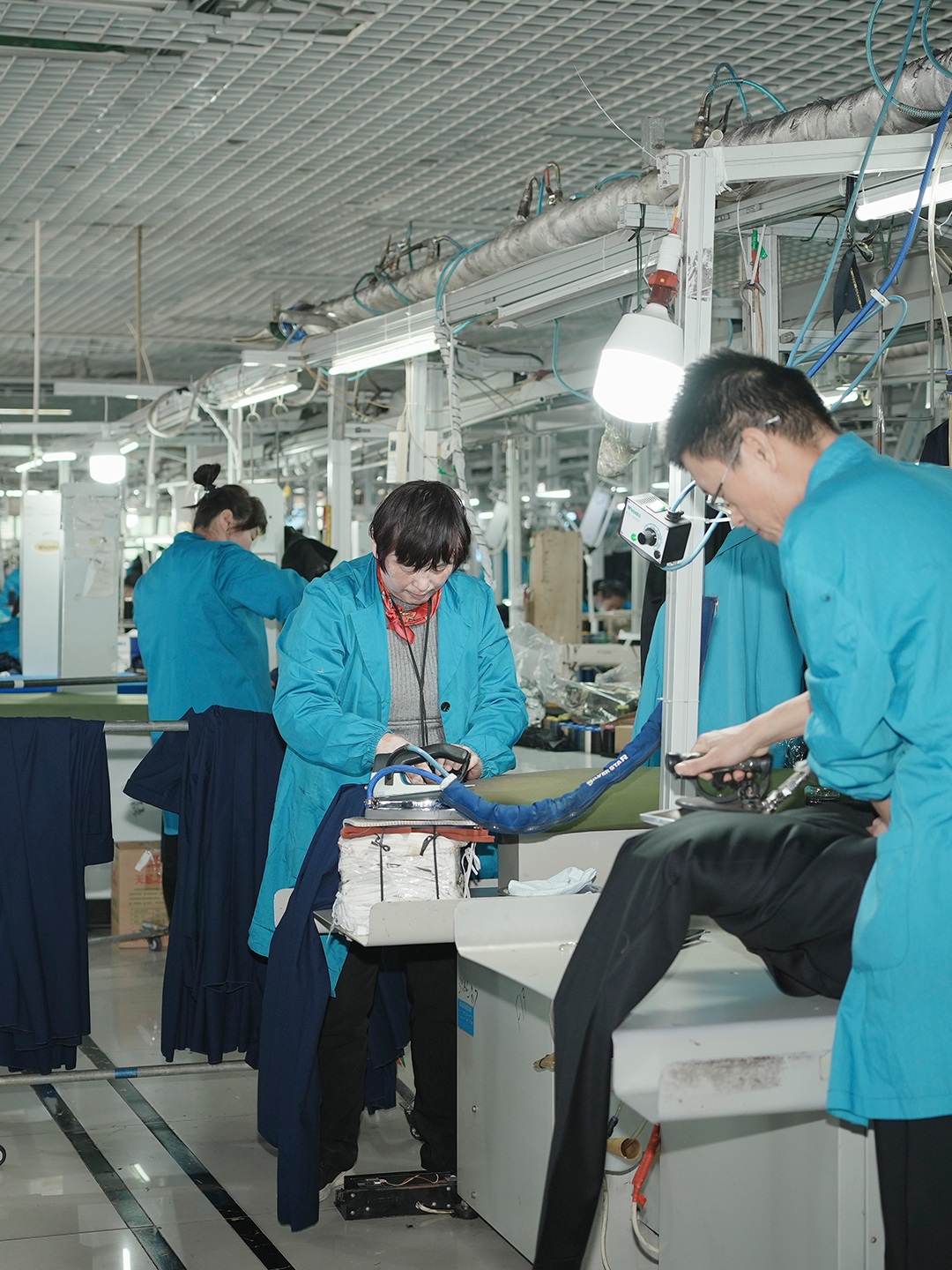
Managing quality across a clothing factory for mens suits requires systematic processes, trained personnel, and rigorous inspection protocols at every production stage. As production volumes increase, maintaining consistent excellence becomes exponentially more challenging, yet essential for brand reputation and customer satisfaction. A clothing factory for mens suits must balance speed with precision, ensuring that each garment meets exact specifications while scaling output efficiently.

Quality control at a clothing factory for mens suits is not a single checkpoint but an integrated framework spanning fabric selection, cutting precision, sewing accuracy, finishing touches, and final inspection. The textile industry has evolved to demand traceability, consistency, and measurable compliance standards. Understanding how a clothing factory for mens suits operates its quality systems reveals the expertise and infrastructure required to deliver premium menswear to discerning customers worldwide.
Establishing Quality Standards and Specifications
Setting Baseline Specifications
A clothing factory for mens suits begins quality control by establishing detailed specifications for every garment component. These specifications define fabric weight, thread count, seam strength, button attachment tolerance, and hemline precision. Every pattern piece, buttonhole dimension, and pocket placement is documented to create a uniform standard that guides production teams. A clothing factory for mens suits uses these specifications as the reference point against which every produced garment is measured, ensuring that scaling production does not compromise uniformity.
Material Selection and Testing
The foundation of quality in a clothing factory for mens suits begins with raw materials. Incoming fabrics are tested for shrinkage, color consistency, tensile strength, and weave integrity. A clothing factory for mens suits typically partners with certified textile suppliers who provide test reports confirming that fibers meet international standards. This material validation prevents defects before production begins, reducing rework costs and ensuring that finished suits display uniform appearance and durability across entire production runs.
In-Process Quality Monitoring and Control
Cutting and Pattern Accuracy
Precision at the cutting stage directly impacts fit and appearance, making it critical within a clothing factory for mens suits. Cutting tables use calibrated measurement systems, often computerized, to ensure pattern pieces are cut to exact dimensions. Workers at a clothing factory for mens suits are trained to inspect each piece before it moves to sewing stations. Variations of even 2–3 millimeters can affect sleeve length or shoulder alignment, so a clothing factory for mens suits implements frequent spot-checks and regular calibration of cutting equipment to maintain dimensional accuracy at scale.
Sewing and Assembly Inspection
Sewing quality requires both equipment maintenance and worker skill at a clothing factory for mens suits. Machines are serviced regularly and tension is monitored daily to prevent stitch irregularities, thread breaks, or puckering. A clothing factory for mens suits assigns quality inspectors to observe high-risk seams such as armholes, lapels, and jacket closures. Seams must be straight, consistent in stitch length, and properly reinforced at stress points. Training programs at a clothing factory for mens suits teach seamstresses to recognize defects in real time and halt production to correct issues before they compound across multiple garments.
Finishing and Detail Work
Finishing operations including buttonhole stitching, button attachment, hem pressing, and pocket construction receive dedicated quality oversight at a clothing factory for mens suits. Buttons must be secured with precise thread tension; buttonholes must be properly finished without fraying or misalignment. A clothing factory for mens suits implements standardized procedures for all finishing tasks, with quality auditors checking samples from each production lot. This layer of control ensures that small details that define premium menswear are executed flawlessly even when production volumes are high.
Final Inspection and Advanced Quality Systems
Comprehensive Final Inspection Protocols
Before any suit leaves a clothing factory for mens suits, it undergoes rigorous final inspection covering fit, appearance, and construction quality. Inspectors at a clothing factory for mens suits evaluate seam alignment, collar lay, pocket symmetry, button placement, and overall proportions against the master specification. Garments are measured using standardized templates to confirm sleeve length, jacket length, chest width, and other critical dimensions. A clothing factory for mens suits typically inspects 100% of production or uses statistical sampling protocols for high-volume orders, depending on customer agreements and defect history.
Technology Integration and Data Tracking
Modern clothing factory for mens suits operations integrate digital systems to track defects, identify trends, and prevent recurring issues. Barcode systems at a clothing factory for mens suits link each garment to its batch, allowing traceability if defects are discovered. Quality management software collects data on defect types, locations, and frequencies, enabling the clothing factory for mens suits to address root causes rather than merely rejecting finished products. This data-driven approach helps a clothing factory for mens suits reduce defect rates over time, lower rework costs, and build confidence with customers regarding consistency and reliability.
Standards Compliance and Certifications
A clothing factory for mens suits typically maintains certifications such as ISO 9001 for quality management or industry-specific standards that verify adherence to international benchmarks. These certifications demonstrate that a clothing factory for mens suits has documented processes, trained staff, and regular audits in place. Customers sourcing from a clothing factory for mens suits often require proof of compliance with labor standards, environmental regulations, and product safety requirements. By maintaining these certifications, a clothing factory for mens suits signals credibility and demonstrates commitment to sustainable, ethical manufacturing practices alongside product excellence.
FAQ
How often should a clothing factory for mens suits calibrate measurement equipment?
A clothing factory for mens suits should calibrate cutting machines, sewing equipment tension gauges, and measurement tools daily or at minimum weekly, depending on production volume. Regular calibration prevents drift that accumulates throughout a shift, ensuring that a clothing factory for mens suits maintains dimensional accuracy across thousands of garments. Some clothing factory for mens suits operations use certified external calibration services quarterly to verify that internal instruments remain within acceptable tolerance ranges.
What percentage of production does a clothing factory for mens suits typically inspect?
Most clothing factory for mens suits operations inspect 100% of critical quality points or conduct statistical sampling of 5–10% of finished garments depending on the order size and customer specifications. A clothing factory for mens suits with zero-defect contracts may inspect every single suit, while large volume orders may use advanced statistical process control. Either approach, when properly implemented, ensures that a clothing factory for mens suits catches defects before shipment and maintains customer confidence.
Can a clothing factory for mens suits use automation to improve quality at scale?
Yes, a clothing factory for mens suits increasingly uses automated cutting systems, computerized sewing machines with tension control, and vision inspection systems to enhance quality consistency. Automation reduces human variability in repetitive tasks, and a clothing factory for mens suits can then redirect skilled inspectors to complex quality decisions. However, premium menswear still requires significant handwork, so a clothing factory for mens suits combines automation with trained craftspeople to balance efficiency and craftsmanship.