
 EN


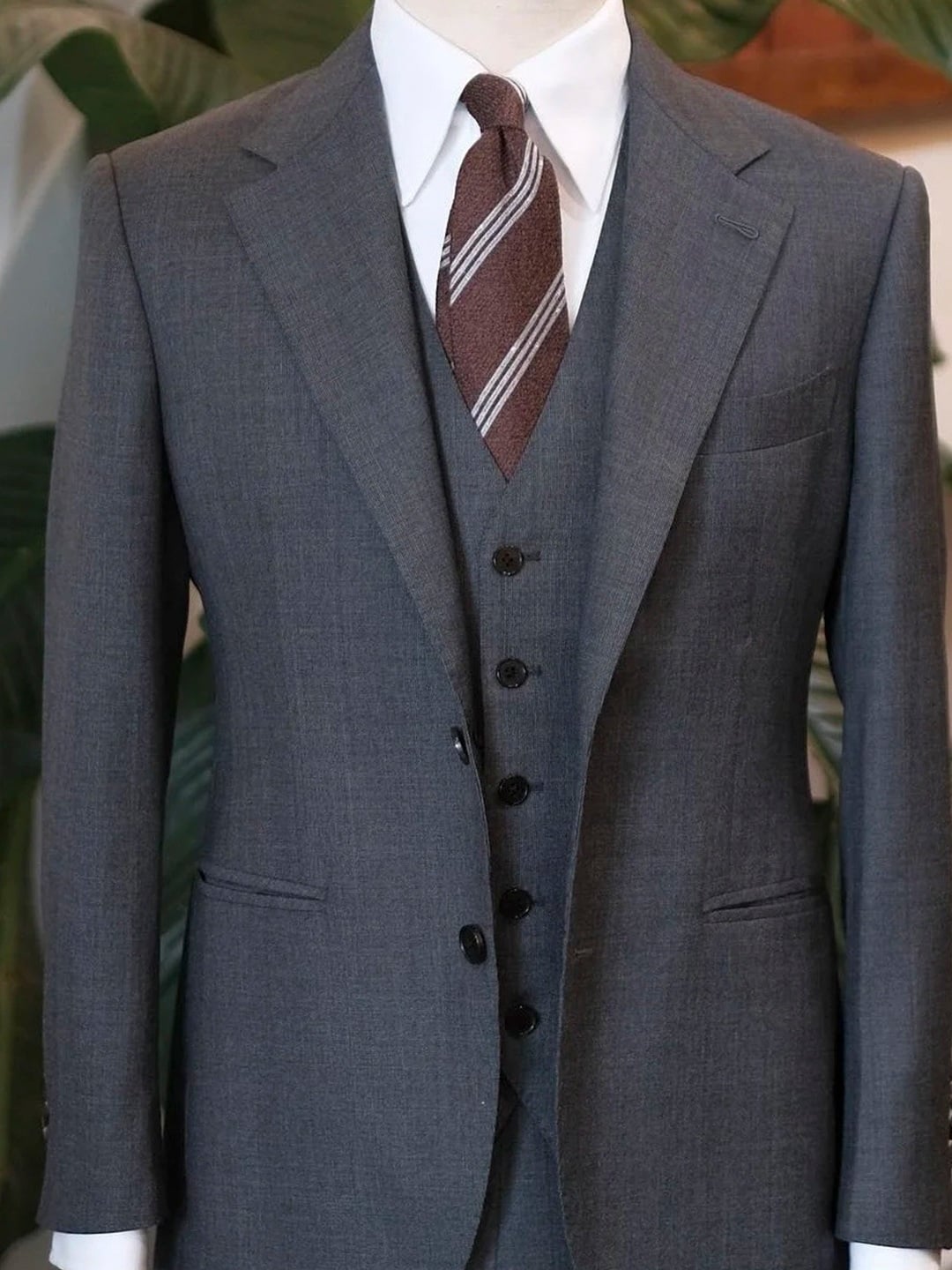
The quality of premium wool suits begins long before tailoring takes place. Fabric selection stands as the foundational decision that determines how well a suit will perform across years of professional wear. When investing in premium wool suits, understanding the relationship between fabric characteristics and real-world performance becomes essential for making informed purchasing decisions. The fiber quality, weight, weave pattern, and finish applied to premium wool suits directly influence comfort, durability, appearance retention, and the overall value of your investment.
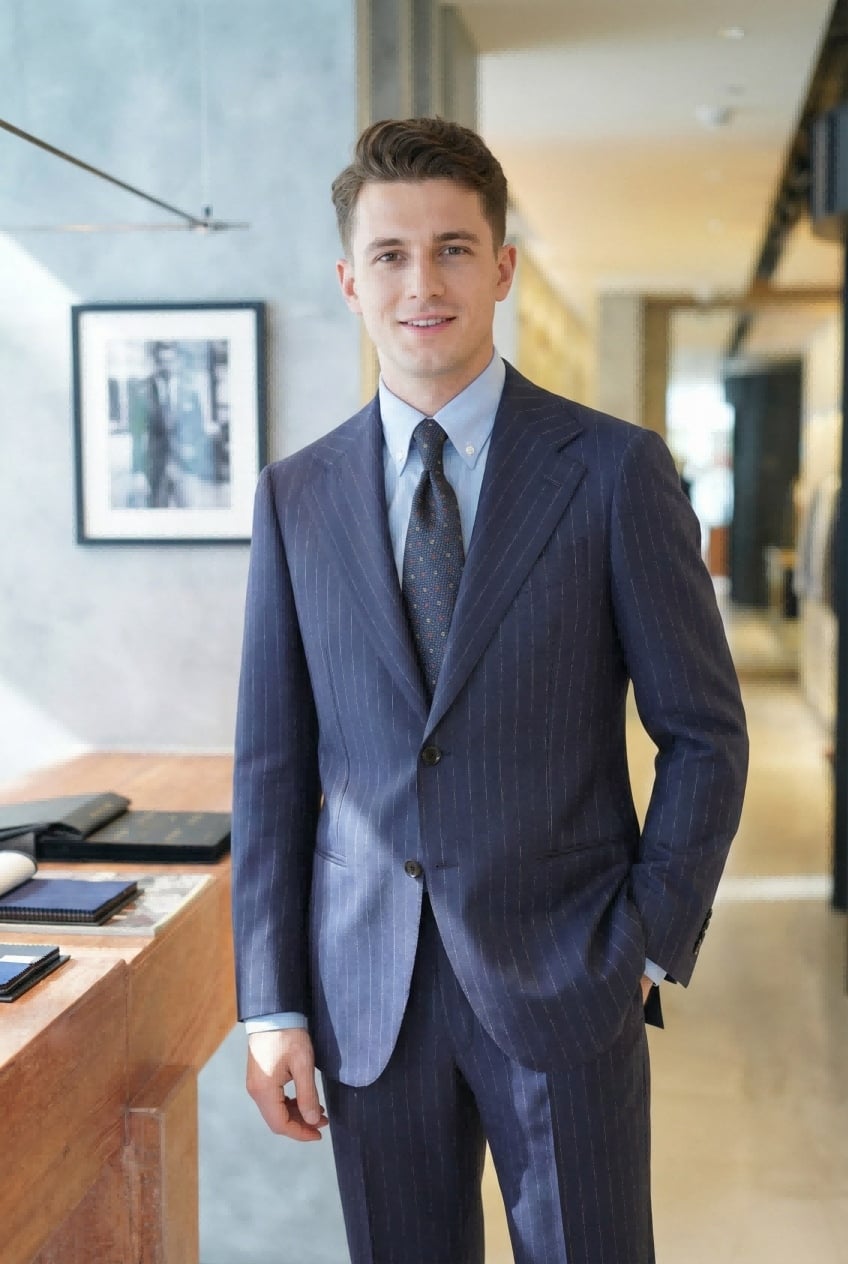
Premium wool suits demand careful consideration of multiple fabric variables. The source of wool fiber, the micron count, ply structure, and finishing treatments all work together to create suits that perform differently in various conditions. Understanding these factors enables professionals to select premium wool suits that align with their specific climate, usage frequency, and professional environment.
Fiber Quality and Micron Count in Premium Wool Suits
Understanding Micron Measurement
Micron count measures the diameter of individual wool fibers and serves as a primary indicator of fabric quality in premium wool suits. Finer fibers, measured below 19 microns, create softer, more comfortable premium wool suits that feel luxurious against the skin. Coarser fibers, above 25 microns, may offer greater durability but sacrifice the tactile comfort expected from premium wool suits. The finest merino wool used in premium wool suits often ranges between 16 and 19 microns, delivering both softness and performance. This measurement directly correlates with wearing comfort and how premium wool suits feel throughout an eight-hour workday.
Fiber Origin and Sourcing
The geographic origin of wool dramatically affects the characteristics of premium wool suits. Australian and New Zealand wool, processed to the highest standards, forms the foundation of many premium wool suits available today. Premium wool suits made from these sources benefit from strict quality control and consistent fiber characteristics. The climate where sheep graze influences the wool properties, with cooler regions producing finer fiber suitable for premium wool suits. When selecting premium wool suits, knowing the fiber origin provides confidence in the fabric's predetermined quality baseline and performance expectations.
Weave Pattern and Weight Considerations for Premium Wool Suits
Common Weave Structures
The weave structure fundamentally affects how premium wool suits drape, move, and wear over time. A plain weave creates smooth, refined premium wool suits ideal for executive environments, while twill weaves add subtle texture and enhanced durability to premium wool suits. Herringbone patterns introduce visual interest while maintaining the professional appearance essential for premium wool suits in corporate settings. The weave density determines breathability and weight distribution across premium wool suits. Tightly woven premium wool suits resist wrinkles more effectively but may feel slightly less breathable than looser weaves. Understanding these structural differences helps professionals choose premium wool suits that match their specific wear patterns and environmental conditions.
Weight and Seasonal Adaptation
Premium wool suits typically range from 200 to 400 grams per square meter, with weight directly influencing seasonal appropriateness. Lightweight premium wool suits, around 200 to 250 grams, perform optimally in temperate or warm climates while maintaining professional appearance. Medium-weight premium wool suits, between 260 and 320 grams, offer versatility across multiple seasons and suit most professional environments. Heavier premium wool suits, exceeding 350 grams, provide superior insulation for cold-weather wear but become impractical in warmer months. Selecting the right weight ensures that premium wool suits deliver consistent comfort and performance throughout the year, reducing the need for multiple suit purchases.
Finishing Treatments and Performance Enhancement in Premium Wool Suits
Shrinkage Control and Stability
Modern finishing processes applied to premium wool suits prevent unwanted shrinkage and dimensional instability that plagued traditional wool clothing. The superwash treatment, commonly applied to premium wool suits, removes the outer scale layer of fibers, allowing machine washing without damage. Premium wool suits treated with permanent-press finishes maintain their crease and shape with minimal maintenance, extending the practical lifespan significantly. Chlorine treatments applied during finishing of premium wool suits reduce felting tendency and improve care flexibility. These enhancements directly impact how long premium wool suits maintain their original fit and appearance through hundreds of wear cycles and cleaning sessions.
Wrinkle Resistance and Appearance Retention
Wrinkle resistance treatments substantially affect the professional appearance premium wool suits present throughout a workday. Resin-based finishes applied to premium wool suits create molecular bonds that help fibers return to their original position after bending and movement. Premium wool suits treated with advanced anti-wrinkle technologies maintain crisp appearance despite sitting in vehicles, conference rooms, and office chairs. The natural resilience of wool fiber combines with chemical treatments to produce premium wool suits that resist creasing better than most natural fibers. For executives traveling frequently, selecting premium wool suits with superior wrinkle resistance prevents the disheveled appearance that undermines professional credibility.
Performance Impact and Long-Term Value of Premium Wool Suits
Durability and Longevity Factors
The cumulative effect of fabric selection directly determines how many years premium wool suits remain wearable at professional standards. Higher quality wool from premium wool suits experiences less pilling, maintains color vibrancy longer, and resists the gradual wear that degrades lesser fabrics. Premium wool suits constructed from tightly woven, high-density fabric show dramatically slower deterioration under regular professional wear. The fiber characteristics present in premium wool suits resist breakdown from friction, moisture exposure, and temperature fluctuations common in business environments. Investing premium capital into premium wool suits with superior fabric selection guarantees a garment that serves reliably through multiple years of weekly professional wear.
Environmental Control and Biological Performance
Wool fiber possesses inherent biological properties that make premium wool suits exceptionally functional across varying climate conditions. The protein structure of wool allows premium wool suits to regulate moisture absorption and release, maintaining comfortable microclimate against skin even during temperature fluctuations. Premium wool suits naturally resist bacterial growth and odor development, enabling extended wear between cleaning sessions compared to synthetic alternatives. The crimped structure of wool fibers in premium wool suits creates tiny air pockets that provide insulation while maintaining breathability. These natural advantages mean premium wool suits perform optimally whether worn in heated office buildings, cold conference rooms, or outdoor professional events.
Selecting Premium Wool Suits Based on Fabric Characteristics
Matching Fabric to Professional Environment
Different professional environments demand different fabric characteristics from premium wool suits. High-client-contact roles benefit from premium wool suits with lustrous finishes and fine fiber that project refined appearance. Premium wool suits for frequent travelers should emphasize wrinkle resistance and lightweight construction to facilitate packing and maintain appearance across time zones. Corporate environments with formal dress codes benefit from premium wool suits featuring subtle textures like herringbone or twill that add visual sophistication while remaining appropriately conservative. Understanding the specific conditions where premium wool suits will be worn guides selection toward fabrics optimized for those situations.
Care Requirements and Maintenance Planning
Fabric selection in premium wool suits directly determines the care requirements and maintenance burden throughout ownership. Premium wool suits with superwash finishes offer machine-washing capabilities, reducing dry-cleaning frequency and associated costs. Premium wool suits featuring advanced finishes may resist stains more effectively, simplifying spot-cleaning protocols. The fiber quality present in premium wool suits influences how well the garment withstands repeated cleaning without degradation. Selecting premium wool suits appropriate to anticipated care level prevents frustration and ensures the investment maintains value through proper maintenance aligned with the fabric's capabilities.
FAQ
What fiber micron count makes the best premium wool suits?
Premium wool suits typically achieve optimal balance between softness and durability when constructed from wool measuring between 16 and 19 microns. This range provides the luxurious feel expected from premium wool suits while maintaining sufficient durability for professional wear. Anything below 16 microns may sacrifice durability, while fiber above 19 microns becomes noticeably coarser. The finest premium wool suits feature merino wool in this ideal micron range, delivering both performance and comfort.
How does weave pattern affect wrinkle resistance in premium wool suits?
Tightly woven patterns in premium wool suits, such as twill or herringbone, naturally resist wrinkles better than plain weaves due to increased fiber density and interlocking. Premium wool suits with tight weaves distribute stress across more fibers, reducing visible creasing from sitting or movement. Plain-weave premium wool suits offer smoother appearance but require more frequent pressing or superior finishing treatments to maintain wrinkle resistance. Combining tight weave structure with chemical finishes creates premium wool suits with maximum wrinkle resistance for demanding professional environments.
Do premium wool suits require special washing or dry-cleaning?
Premium wool suits with superwash finishes often tolerate machine washing in cold water using gentle cycles, while traditional premium wool suits require professional dry-cleaning to maintain shape and appearance. The finishing treatment applied during manufacturing determines care requirements for premium wool suits. Always check manufacturer recommendations for your specific premium wool suits to ensure proper care. Most premium wool suits maintain appearance best through professional cleaning every 3-4 wearings, with spot-cleaning between professional services to extend intervals between full cleaning.
Table of Contents
- Fiber Quality and Micron Count in Premium Wool Suits
- Weave Pattern and Weight Considerations for Premium Wool Suits
- Finishing Treatments and Performance Enhancement in Premium Wool Suits
- Performance Impact and Long-Term Value of Premium Wool Suits
- Selecting Premium Wool Suits Based on Fabric Characteristics
- FAQ