
 EN
EN



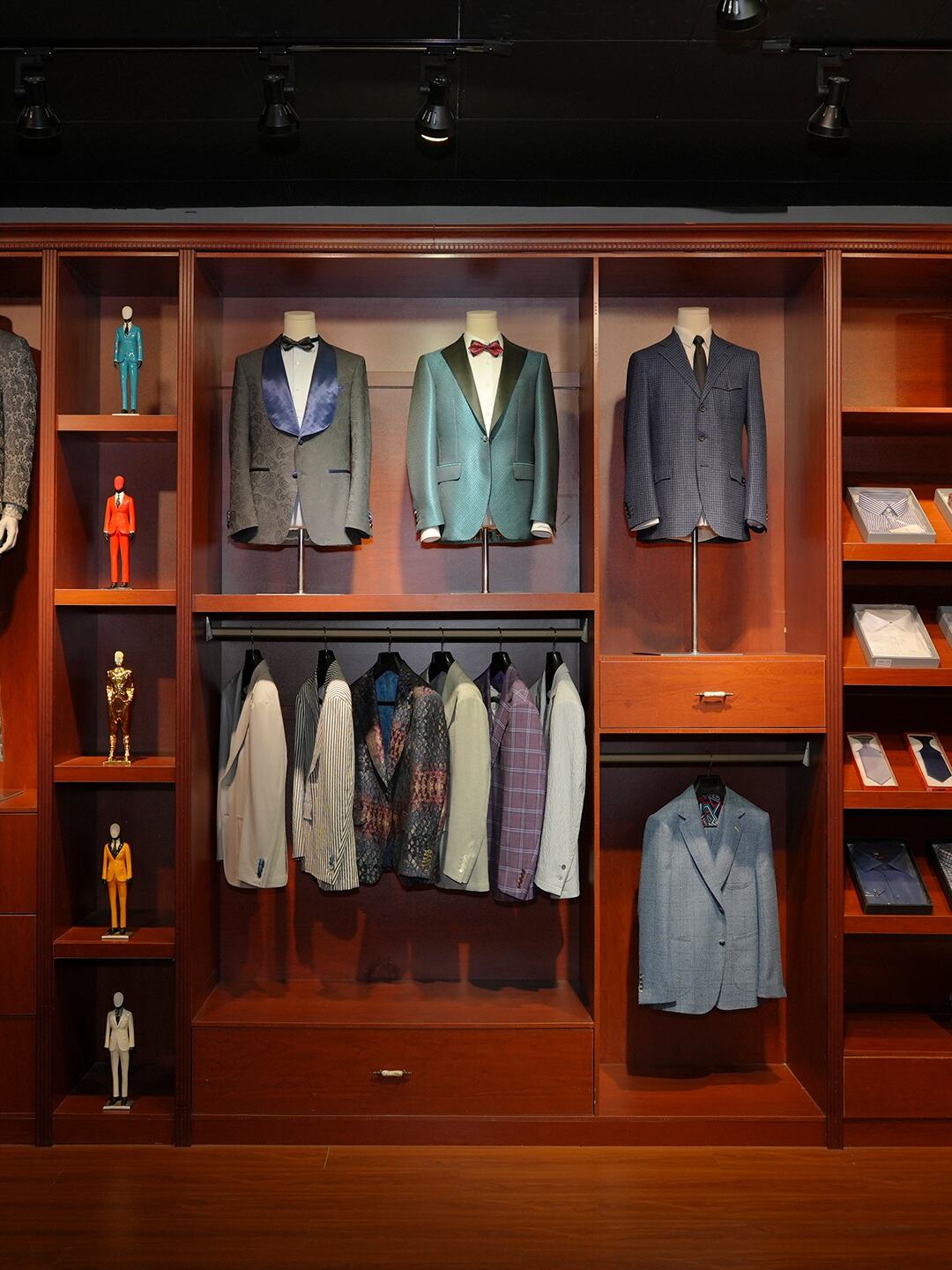
For retailers, boutiques, and emerging fashion brands, the ability to place small-batch custom orders with a reliable suit manufacturer is no longer a luxury — it is a competitive necessity. The days of being forced into massive minimum order quantities are giving way to a more flexible, agile production model that empowers smaller buyers to bring precise visions to life without overextending their inventory budgets. Understanding exactly how a suit manufacturer organizes, plans, and executes these smaller runs reveals a great deal about their operational sophistication and long-term reliability as a partner.
Managing small-batch custom orders is a fundamentally different challenge compared to high-volume production runs. A skilled suit manufacturer must balance the economics of limited quantities against the craft demands of tailored garments, all while maintaining on-time delivery and consistent quality. This article explores the specific processes, systems, and operational decisions that define how a professional suit manufacturer handles these orders from the initial inquiry through to final delivery.
Understanding the Small-Batch Production Model
Defining Small-Batch in the Context of Tailored Suits
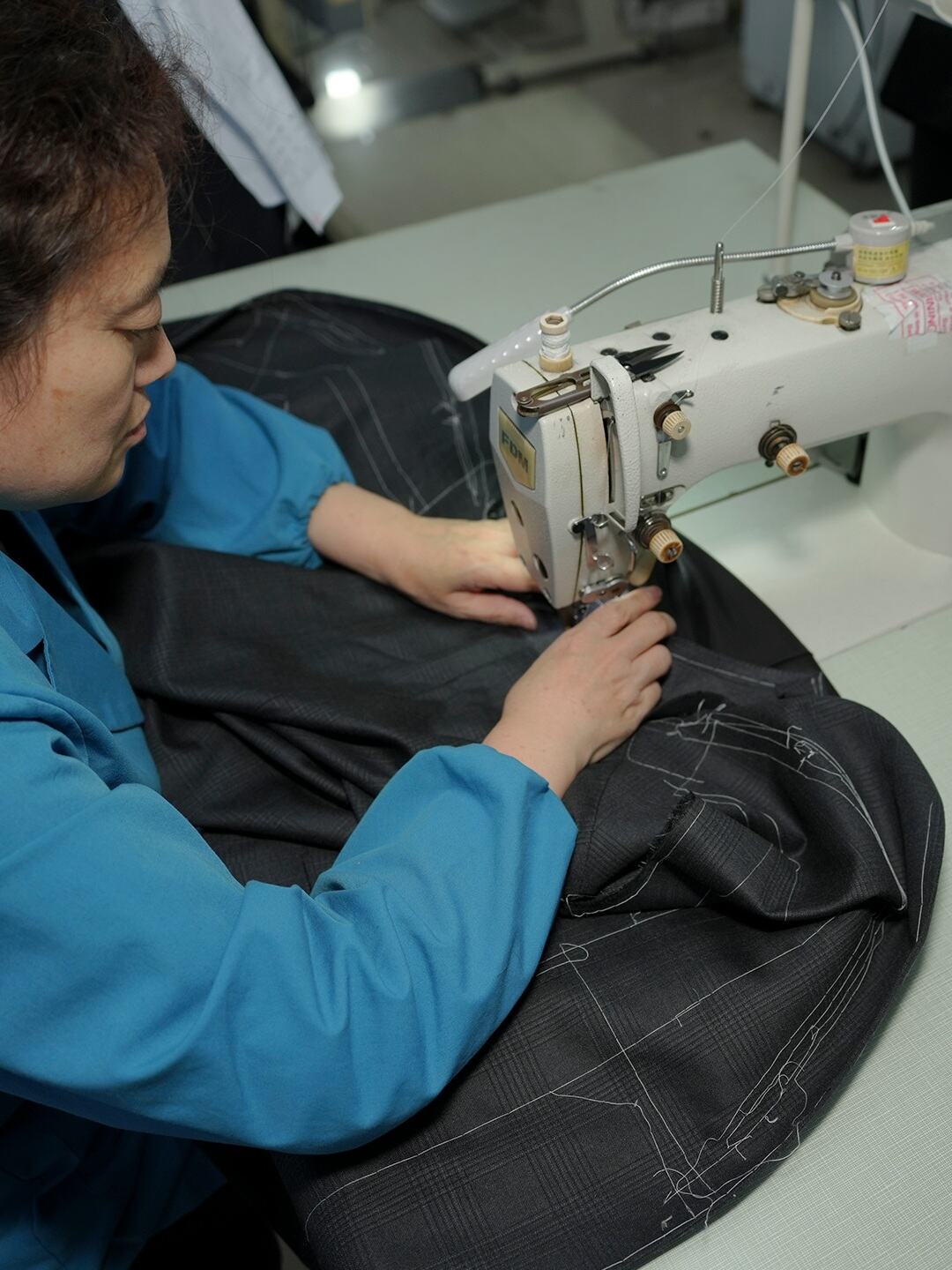
In the apparel industry, 'small-batch' typically refers to orders ranging from as few as ten units to a few hundred pieces, depending on the manufacturer's capabilities and infrastructure. For a suit manufacturer, this definition carries additional weight because suits are among the most construction-intensive garments in menswear and womenswear alike. Each piece involves multiple fabric components, precise interfacing, hand-stitched or fused canvas, and detailed finishing that cannot be rushed without visible consequence.
A seasoned suit manufacturer understands that small-batch orders are not simply scaled-down versions of bulk production. They require dedicated planning cells, smaller but highly skilled sewing teams, and more attentive quality control at each stage. Without this structural awareness, even a well-intentioned manufacturer can produce inconsistent results when output volume drops below the thresholds their main production line was designed to handle.
The key operational distinction is that small-batch orders demand flexibility without sacrificing craftsmanship. A suit manufacturer built for this model tends to operate with modular workstations and cross-trained workers rather than rigidly segmented assembly lines designed only for mass output.
Why Brands and Retailers Choose Small-Batch Custom Orders
Smaller orders give buyers the ability to test designs, colorways, or seasonal collections without committing to inventory that may not sell through. For an emerging brand, this translates directly into reduced financial risk while still allowing access to professionally produced, custom-specification garments. A responsive suit manufacturer enables this by setting realistic minimums that align with modern retail realities rather than legacy factory economics.
Custom suits ordered in small quantities also serve corporate gifting programs, event-specific uniform needs, luxury retail exclusives, and private label launches. In each case, the buyer needs a suit manufacturer with the capacity to understand detailed specifications and reproduce them faithfully across a modest run — not just across thousands of identical pieces.
The Intake and Specification Process
How a Suit Manufacturer Captures Custom Requirements
The process begins long before any fabric is cut. A professional suit manufacturer typically starts with a detailed intake form or specification sheet that covers fabric selection, construction style, lining choices, button materials, pocket configurations, lapel type, and sizing standards. For small-batch custom orders, every detail in this document carries amplified importance because there is no large production run to average out minor inconsistencies.
Many experienced manufacturers assign a dedicated account manager or technical coordinator to each small-batch client. This person acts as the communication bridge between the buyer's design intent and the production floor. Their role is to translate creative or brand-specific instructions into technical production language that every worker on the line can interpret consistently. This direct accountability structure is one of the hallmarks of a suit manufacturer genuinely equipped to handle custom work.
Digital tools have also transformed this stage. Modern suit manufacturers often use tech pack software or shared cloud-based specification documents that allow buyers to review and approve technical drawings, grading charts, and fabric strike-offs before production begins. This reduces costly revision cycles that would otherwise erode the thin margins associated with small orders.
Sampling and Pre-Production Approval
Before committing to the full small-batch run, a reputable suit manufacturer will produce one or more pre-production samples. These samples serve as the physical reference standard against which all units in the order are compared. For custom suits, this stage is particularly critical because small differences in canvas construction, shoulder shaping, or trouser break can dramatically alter the final appearance of the garment.
The sampling stage also allows the buyer to assess fabric behavior in the actual construction — how a pinstripe aligns at the seams, how the lining drapes against the shell, or whether the interfacing creates the intended chest structure. A suit manufacturer that prioritizes this step demonstrates both technical competence and a commitment to protecting the buyer's brand reputation.
Once the sample is approved, the manufacturer locks the specification and uses it as the production benchmark. Any deviation from the approved sample during the batch run is treated as a defect requiring correction before shipment. This discipline separates a professional suit manufacturer from one that treats small orders as low-priority work.
Production Planning and Scheduling for Small Runs
Allocating Resources Without Disrupting Main Production Lines
One of the most operationally complex challenges a suit manufacturer faces with small-batch custom orders is scheduling. Large manufacturers running continuous high-volume output must carve out dedicated windows for smaller jobs without creating costly interruptions to their primary production flow. This requires sophisticated capacity planning and a scheduling system that treats small-batch orders as first-class production commitments rather than overflow work.
Some manufacturers address this by establishing a dedicated small-batch production cell — a semi-autonomous team equipped to handle lower volumes with the level of attention those orders require. This team operates with its own quality checkpoints and reporting structures while drawing on the broader factory's fabric inventory and finishing capabilities. The result is a suit manufacturer that can serve boutique buyers and large-volume clients simultaneously without sacrificing quality at either end.
Lead times for small-batch custom suits are typically longer per unit than for bulk orders, reflecting the additional setup, sampling, and quality oversight involved. A transparent suit manufacturer will communicate these timelines clearly upfront, allowing buyers to plan their purchasing calendars accordingly. Unrealistic turnaround promises are a common warning sign that a manufacturer lacks genuine small-batch expertise.
Fabric Procurement and Inventory Management
Sourcing fabric for a small-batch custom order is considerably more complex than pulling from a pre-committed bulk roll. A suit manufacturer handling custom work must manage relationships with fabric mills that are willing to supply shorter lengths, often at a premium per meter. This requires strong mill partnerships built over time — relationships that allow the manufacturer to source distinctive fabrics such as fine wool, stretch blends, or specialty linings in quantities appropriate for a small order.
Fabric wastage is also a significant concern at low volumes. A skilled suit manufacturer uses precise marker-making techniques — often computer-aided — to minimize fabric loss during cutting. Every centimeter of premium fabric that is wasted represents a direct cost impact that is far more visible at small-batch scale than it would be across a thousand-unit run.
Some manufacturers maintain a curated in-house fabric library specifically for custom clients, offering a range of pre-sourced options with confirmed availability. This approach shortens the intake timeline and reduces the risk of fabric delays derailing a small-batch schedule. For buyers, this is an indicator that the suit manufacturer has invested deliberately in small-batch service capability rather than offering it as an afterthought.
Quality Control in Small-Batch Suit Production
Elevated Inspection Standards for Custom Work
Quality control in a small-batch environment must be proportionally more intensive than in bulk production. When only thirty or fifty suits are being made, a single defective unit represents a meaningfully larger percentage of the total order — and potentially a visible failure in the eyes of the end customer. A responsible suit manufacturer applies inline inspection at multiple stages: after cutting, after key seam construction, after pressing, and during final finishing.
For custom suits in particular, symmetry checks are essential. Lapels must match in roll and width, sleeve pitch must be consistent across sizes, and trouser pleats or flat fronts must align perfectly with the intended silhouette. A suit manufacturer with robust quality systems will document these checks at every stage using written or digital checklists rather than relying solely on experienced workers to catch problems by eye.
End-of-line audit procedures typically involve a final garment inspection against the approved pre-production sample. Measurements are verified, visual aesthetics are assessed under standardized lighting, and thread, button, and lining integrity are confirmed before packaging. This disciplined final audit is what allows a suit manufacturer to ship small-batch orders with the same confidence as a large production run.
Managing Revisions and Client Feedback
Even with the best intake and sampling processes, small-batch custom orders occasionally require revisions after the buyer receives the finished goods. A professional suit manufacturer establishes clear revision policies upfront — specifying what constitutes a production defect versus a change in specification — and maintains production records that allow rapid identification of root causes.
Responsive after-delivery communication is a strong differentiator among manufacturers serving custom clients. The ability to quickly assess whether a reported issue stems from a workmanship error or a specification misunderstanding — and then resolve it efficiently — builds the trust that leads to repeat orders. For small-batch buyers, this reliability often matters more than price.
Building a Long-Term Partnership with Your Suit Manufacturer
The Value of Consistency Over Individual Orders
Small-batch custom production works best as an ongoing relationship rather than a series of isolated transactions. When a buyer consistently works with the same suit manufacturer, that manufacturer accumulates institutional knowledge about the buyer's standards, preferences, and end customer expectations. This knowledge reduces sample revision cycles, shortens communication time, and ultimately produces better garments at more predictable costs.
A suit manufacturer that values long-term partnerships will often offer benefits such as stored pattern blocks, fabric reserve commitments, or priority scheduling to returning clients. These are practical signals that the manufacturer views the relationship as mutually valuable — an important consideration when evaluating whether a new supplier is truly suited to handle your brand's evolving needs.
Evaluating a Suit Manufacturer's Small-Batch Capability
Not every suit manufacturer is equally equipped to handle small-batch custom work, even if they market themselves as capable of doing so. Buyers should ask specific questions about minimum order quantities, sample lead times, dedicated account management, fabric sourcing options, and quality audit documentation. Requesting references from other small-batch clients or reviewing production samples before committing to an order are practical due-diligence steps that protect the buyer's investment.
A manufacturer's willingness to be transparent about their production capabilities, limitations, and pricing structure is itself a meaningful quality signal. The suit manufacturer that explains its process with confidence and invites scrutiny is almost always a safer partner than one that promises everything without detail.
FAQ
What is the typical minimum order quantity for a small-batch custom suit order?
Minimum order quantities vary by suit manufacturer, but many factories that specialize in custom work accept orders starting from as few as ten to thirty units. Some manufacturers offering premium or luxury custom services may work with even smaller quantities, though the per-unit cost increases at very low volumes due to setup and sampling overhead. It is always worth discussing your exact volume requirement directly with the manufacturer before assuming their minimums are fixed.
How long does it take a suit manufacturer to complete a small-batch custom order?
Lead times for small-batch custom orders typically range from four to twelve weeks depending on fabric sourcing complexity, the number of sample revision rounds, and the manufacturer's current production schedule. Custom orders inherently take longer per unit than bulk production because of the additional setup, sampling, and inspection involved. Buyers should request a specific timeline commitment in writing before production begins.
Can a suit manufacturer match an existing garment or specific design reference?
Yes, most experienced suit manufacturers can work from an existing garment, a tech pack, flat sketches, or detailed written specifications. The closer and more complete the reference material, the more accurately the manufacturer can replicate the intended design. Providing a physical garment as a sample reference alongside written specs is generally the most reliable approach when exact replication is the priority.
How does pricing work for small-batch custom orders compared to bulk production?
Per-unit pricing for small-batch custom orders is typically higher than for large-volume production runs because fixed costs such as sampling, pattern making, and production setup are spread across fewer units. However, a well-organized suit manufacturer can offer competitive pricing at small volumes by efficiently managing fabric procurement, minimizing wastage, and streamlining the workflow. Buyers should request an itemized quote to understand exactly what is included in the per-unit price.
Table of Contents
- Understanding the Small-Batch Production Model
- The Intake and Specification Process
- Production Planning and Scheduling for Small Runs
- Quality Control in Small-Batch Suit Production
- Building a Long-Term Partnership with Your Suit Manufacturer
-
FAQ
- What is the typical minimum order quantity for a small-batch custom suit order?
- How long does it take a suit manufacturer to complete a small-batch custom order?
- Can a suit manufacturer match an existing garment or specific design reference?
- How does pricing work for small-batch custom orders compared to bulk production?