
 EN
EN


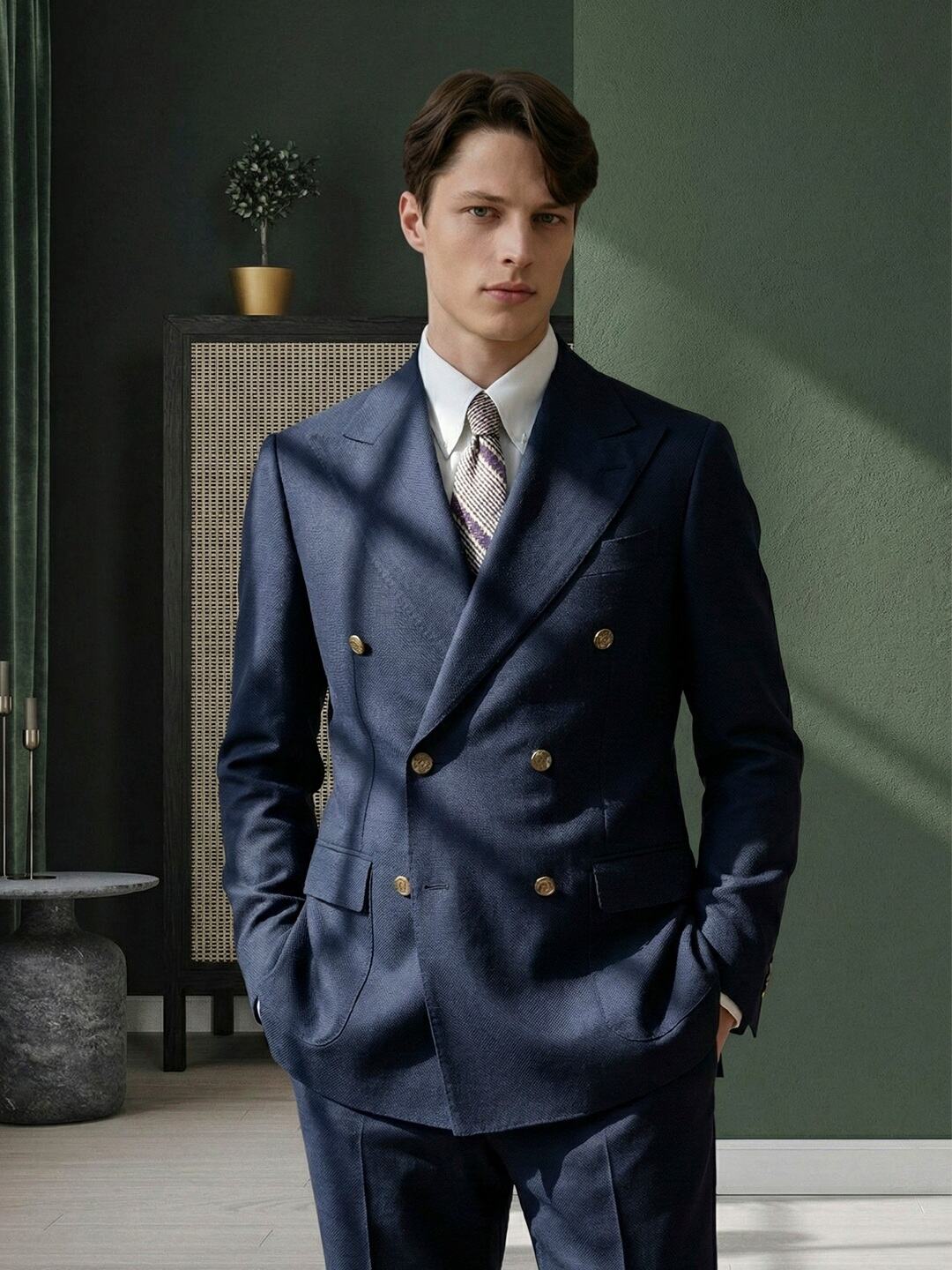
When a brand decides to partner with a menswear manufacturer, the stakes are high. Every detail — from pattern grading to final stitching — reflects directly on the brand's reputation in the market. OEM, or Original Equipment Manufacturing, is the production model where a manufacturer produces garments according to a client's designs, specifications, and branding requirements. For businesses operating in the competitive menswear segment, choosing a manufacturing partner with deep OEM experience is not merely a logistical preference; it is a strategic business decision that can determine the long-term success of a clothing line.
A seasoned menswear manufacturer with proven OEM expertise brings far more to the table than production capacity. It brings institutional knowledge of how to interpret technical specifications, handle complex construction requirements, manage tolerances in structured tailoring, and meet quality benchmarks consistently across large or varied production runs. Understanding why this experience matters helps brands make better sourcing decisions and avoid the costly mistakes that often come from partnering with manufacturers who lack the necessary OEM track record in the menswear category specifically.
What OEM Experience Actually Means in Menswear Production
Beyond Basic Cut-and-Sew Capabilities
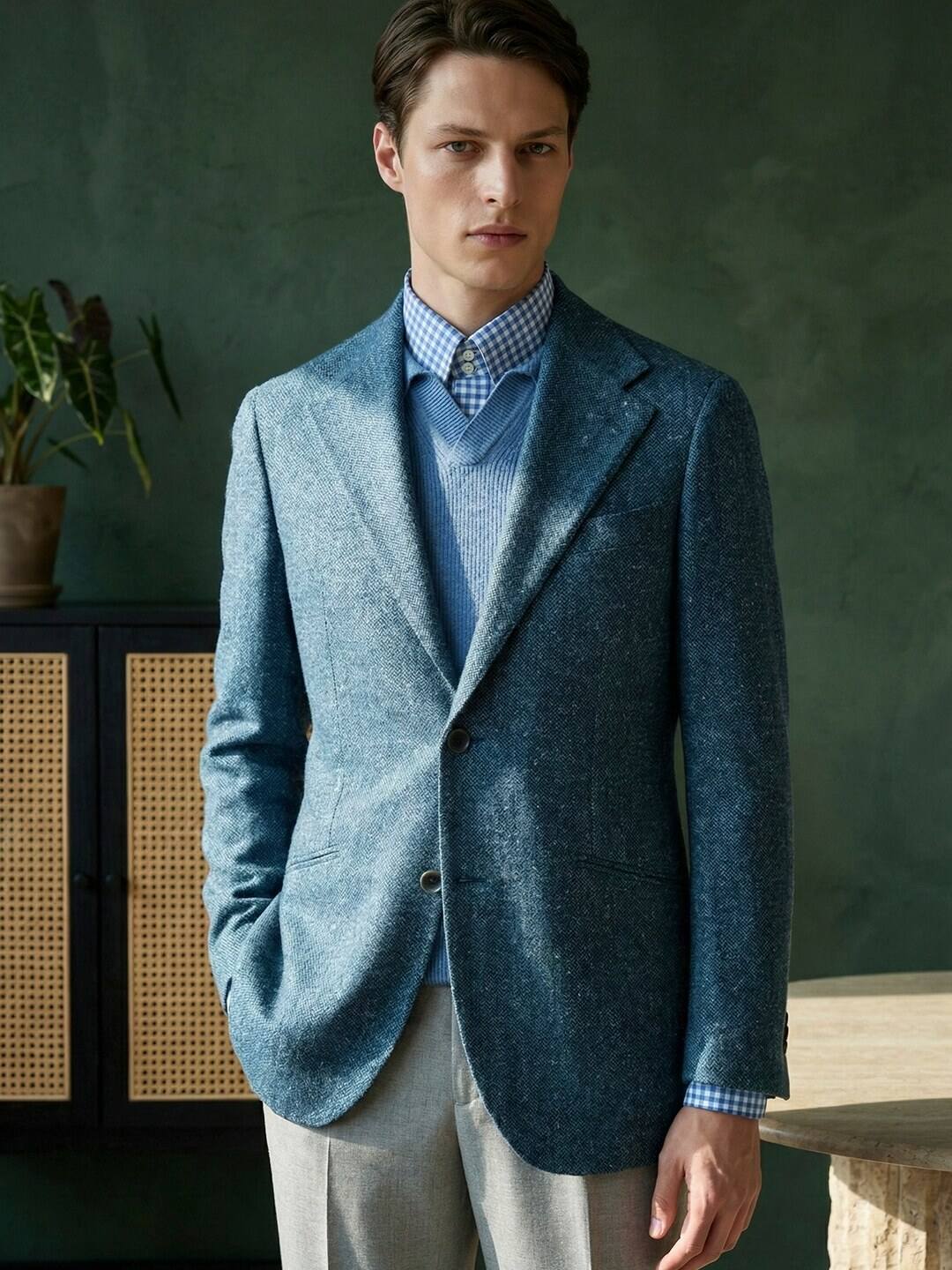
Many factories can sew a garment. Far fewer can reliably produce structured menswear pieces — suits, formal trousers, dress shirts, tailored blazers — to exacting OEM standards. A menswear manufacturer with genuine OEM experience has developed the technical infrastructure to handle the complexity that menswear inherently demands. Structured jackets require interfacing expertise, precise shoulder construction, and consistent canvas work. Trousers demand accurate waistband engineering and consistent leg alignment across size runs.
OEM experience in this context means the manufacturer has already worked through the learning curve on behalf of other brands. They understand how to translate a design brief into a production-ready tech pack, how to maintain grading accuracy across multiple sizes, and how to flag potential construction issues before they become costly production errors. This institutional readiness is what separates an OEM-experienced menswear manufacturer from a general apparel contractor.
Familiarity with Client-Driven Workflows
OEM production is inherently client-directed. The menswear manufacturer does not design the product — the brand does. This means the factory must be skilled at receiving, interpreting, and executing external directions with precision. An experienced OEM partner in the menswear space will have established workflows for sample development, approval cycles, revision management, and final production sign-off. These processes are not automatic; they are developed through years of iterative client work.
A menswear manufacturer that has handled OEM for multiple brands will also understand how to manage competing priorities — different fabric requirements, labeling specifications, and quality standards — without compromising consistency. For a brand looking to scale or diversify its product range, this operational fluency is invaluable. It means fewer communication breakdowns, faster sample turnaround, and greater confidence in the final output.
Technical Precision in Structured Menswear
The Demands of Tailored Garment Construction
Tailored menswear sits at one of the most technically demanding ends of apparel manufacturing. A pinstripe suit, for example, requires precise pattern matching across seams, structured chest pieces, and consistent silhouette shaping through careful pressing and blocking. A menswear manufacturer without OEM experience in tailored construction may be able to produce casual or knit garments reliably but struggle to maintain the precision that formal menswear demands at scale.
OEM experience builds what might be called 'technical memory' within a production team. Workers who have produced hundreds of thousands of structured jackets develop an intuitive understanding of how fabric behaves during construction, where tension must be managed, and how subtle variations in pressing affect the finished drape. This accumulated skill is extremely difficult to replicate quickly, which is why OEM experience is such a reliable proxy for production quality in structured menswear.
Consistency Across Production Runs
For B2B buyers, consistency is arguably more important than peak quality on any single unit. A menswear manufacturer must deliver the same result on unit 500 as it did on unit 1. OEM-experienced manufacturers have implemented quality control protocols specifically designed to catch variation before it leaves the floor. They understand measurement tolerances, color fastness benchmarks, seam strength standards, and how to audit production mid-run rather than waiting for a final inspection.
This kind of proactive quality management is a direct product of OEM experience. Brands that have worked with the manufacturer before have already identified and resolved weak points in the production system. The result is a more robust and predictable manufacturing partner for any new client who steps into an OEM relationship with that factory.
Communication, Compliance, and Commercial Readiness
Understanding Brand Requirements Beyond the Garment
OEM production in menswear is not limited to the garment itself. A capable menswear manufacturer must also manage labeling, packaging, hang-tags, care instruction compliance, and sometimes custom branding elements such as embossed buttons, woven labels, or branded linings. An OEM-experienced factory has navigated these requirements across multiple clients and understands how to coordinate these elements without creating bottlenecks in the production timeline.
This readiness also extends to compliance documentation. Brands selling into regulated markets — particularly in Europe and North America — need their manufacturing partners to provide accurate material composition declarations, chemical compliance certifications, and sometimes factory audit reports. A menswear manufacturer with extensive OEM history will have these systems in place, making the compliance and documentation process significantly smoother for the brand.
Effective Communication Throughout the Production Cycle
Clear, structured communication is one of the most underappreciated aspects of OEM manufacturing. An experienced menswear manufacturer knows how to communicate proactively — alerting clients to fabric delays, flagging construction questions during the pre-production stage, and providing accurate delivery timelines. These communication habits are developed through repeated OEM engagements where breakdowns in communication led to costly mistakes that the factory learned to prevent.
For brand-side buyers, working with a communicative OEM partner dramatically reduces the management burden of international sourcing. Instead of having to chase updates or discover problems late in the process, the brand benefits from a manufacturing partner that understands its role in keeping the production timeline moving efficiently. This commercial maturity is a hallmark of a genuinely OEM-experienced menswear manufacturer.
Risk Reduction and Long-Term Partnership Value
Why Experience Reduces Production Risk
Every production run carries inherent risk — late deliveries, quality deviations, fabric sourcing failures, or sudden capacity issues. A menswear manufacturer with deep OEM experience has encountered most of these scenarios before and has developed contingency systems to manage them. Whether it is an alternate fabric supplier relationship for emergencies or a rework protocol for out-of-tolerance units, experienced manufacturers have built resilience into their operations through repeated client engagements.
Brands that work with inexperienced manufacturers bear the full weight of managing these risks themselves, often without the knowledge to do so effectively. Experienced OEM manufacturers, by contrast, act as active partners in risk management — not merely passive vendors waiting for instructions. This distinction becomes especially critical for brands launching new collections, entering new markets, or scaling up production volume for the first time.
Building Toward a Strategic Sourcing Relationship
The most valuable outcome of working with an OEM-experienced menswear manufacturer is the potential to develop a long-term strategic sourcing relationship. As the manufacturer accumulates knowledge of a brand's standards, preferences, and seasonal patterns, the efficiency of each subsequent production run improves. Lead times shorten, sample approval cycles accelerate, and the factory's production team becomes an extension of the brand's product development process.
This kind of relationship is only possible with a manufacturing partner that has the organizational maturity to grow and adapt alongside a brand. OEM experience is the foundation of that maturity. It signals that the menswear manufacturer understands not just how to make garments, but how to build and maintain the kind of client relationships that generate mutual long-term value. For brand buyers thinking beyond the next season, this is one of the most compelling reasons to prioritize OEM experience in the selection process.
FAQ
What is OEM experience in the context of a menswear manufacturer?
OEM experience refers to a menswear manufacturer's history of producing garments based on client-provided designs and specifications. It encompasses technical production skills, quality management systems, communication workflows, and compliance capabilities developed through multiple client partnerships in the menswear sector.
Why does OEM experience matter more for menswear than for other apparel categories?
Menswear — particularly structured tailoring — demands a higher level of technical precision than many other garment categories. Suits, blazers, and formal trousers require specialized construction knowledge that is developed over time. A menswear manufacturer with OEM experience has already built the technical muscle and production systems needed to execute these garments consistently and accurately.
How can a brand verify whether a menswear manufacturer truly has OEM experience?
Brands can evaluate OEM experience by reviewing the manufacturer's client portfolio, requesting samples from previous OEM projects, asking about their quality control protocols, and assessing how clearly they communicate during the initial inquiry process. Factory audits and compliance certifications can also signal the level of operational maturity that comes with genuine OEM experience.
Does working with an OEM-experienced menswear manufacturer cost more?
While unit costs may be slightly higher with an experienced menswear manufacturer, the total cost of production is often lower when factoring in reduced rework rates, fewer sample revision rounds, lower risk of delivery failures, and the time savings from working with a proactive manufacturing partner. For most B2B buyers, the cost of inexperience far outweighs any short-term savings from choosing a less experienced vendor.
Table of Contents
- What OEM Experience Actually Means in Menswear Production
- Technical Precision in Structured Menswear
- Communication, Compliance, and Commercial Readiness
- Risk Reduction and Long-Term Partnership Value
-
FAQ
- What is OEM experience in the context of a menswear manufacturer?
- Why does OEM experience matter more for menswear than for other apparel categories?
- How can a brand verify whether a menswear manufacturer truly has OEM experience?
- Does working with an OEM-experienced menswear manufacturer cost more?