Professional Cut and Sew Dress Shirt Manufacturer - Custom Production Services

Get a Free Quote

Our representative will contact you soon.
Email
Name
Company Name
Message
0/1000

cut and sew dress shirt manufacturer

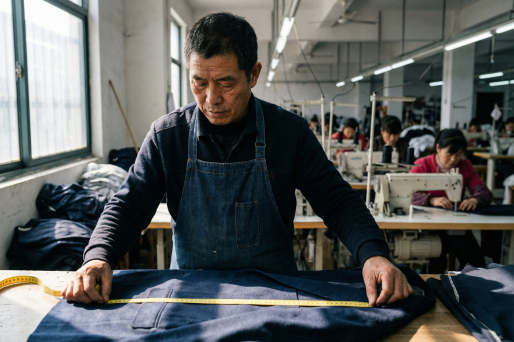
A cut and sew dress shirt manufacturer represents a specialized production facility that creates custom tailored dress shirts through comprehensive manufacturing processes. These manufacturers handle every aspect of shirt production, from initial pattern design to final finishing touches, ensuring complete control over quality and customization options. The primary function involves transforming raw fabric materials into professionally crafted dress shirts using advanced cutting technologies, precision sewing equipment, and skilled craftsmanship. Modern cut and sew dress shirt manufacturers utilize computer-aided design systems to create accurate patterns, automated cutting machines for precise fabric cutting, and industrial sewing equipment for consistent stitching quality. The technological infrastructure includes digital pattern grading software that allows size scaling across multiple dimensions, ensuring proper fit across various body types. These facilities typically feature climate-controlled environments to maintain fabric integrity during production processes. Quality control systems monitor each production stage, from initial fabric inspection through final garment assessment. Manufacturing capabilities encompass various shirt styles including business formal, casual, and specialty designs with customizable features such as collar styles, cuff options, and pocket configurations. The applications extend beyond standard retail production to include corporate uniform programs, promotional merchandise, and private label manufacturing services. Professional dress shirt manufacturers serve diverse markets including fashion brands, corporate clients, and individual customers seeking personalized garments. Production processes incorporate sustainable practices through efficient material utilization, waste reduction programs, and eco-friendly manufacturing techniques. Advanced scheduling systems coordinate multiple production lines simultaneously, enabling efficient order fulfillment and delivery timelines. The integration of technology with traditional craftsmanship ensures consistent product quality while maintaining the flexibility to accommodate custom specifications and unique design requirements.
New Product Releases

Working with a professional cut and sew dress shirt manufacturer delivers significant cost savings through economies of scale and streamlined production processes. Companies avoid substantial upfront investments in specialized equipment, skilled labor, and facility infrastructure by partnering with established manufacturers. These partnerships eliminate the need for internal expertise in pattern making, grading, and production management, allowing businesses to focus on core competencies while leveraging manufacturer expertise. Quality consistency represents another major advantage, as experienced manufacturers implement rigorous quality control protocols throughout production cycles. Professional facilities maintain consistent temperature and humidity levels, ensuring fabric stability and preventing dimensional changes during manufacturing. Skilled technicians perform detailed inspections at multiple production stages, identifying and correcting potential issues before final assembly. The flexibility offered by cut and sew dress shirt manufacturers enables businesses to respond quickly to market demands and seasonal fluctuations without maintaining permanent production capacity. Manufacturers can scale production volumes up or down based on order requirements, providing operational flexibility that would be impossible with internal manufacturing. Customization capabilities allow brands to differentiate their products through unique design elements, specialized fabrics, and personalized features. Access to diverse fabric sourcing networks provides options that individual companies might struggle to obtain independently. Manufacturers maintain relationships with fabric suppliers globally, ensuring access to premium materials at competitive prices. Technical expertise in pattern development, fit optimization, and construction techniques results in superior garment performance and customer satisfaction. Professional manufacturers stay current with industry trends, fabric innovations, and manufacturing technologies, providing clients with competitive advantages. Risk mitigation occurs through manufacturer insurance coverage, quality guarantees, and established business practices that protect client interests. Faster time-to-market becomes possible through manufacturer experience in production planning, scheduling, and logistics coordination. Regulatory compliance expertise ensures products meet industry standards and safety requirements across different markets.

Tips And Tricks

Beyond the Label: Why Super 110s-120s Are the ROI Kings for Made-to-Measure Business

07

Jan

Beyond the Label: Why Super 110s-120s Are the ROI Kings for Made-to-Measure Business

View More
Two Cities, One Vision: How Kris Bridged Heritage with Horizon

03

Feb

Two Cities, One Vision: How Kris Bridged Heritage with Horizon

View More
Building Bonds Beyond the Factory Floor: Highlights from Our 2026 Gala & Family Retreat

23

Jan

Building Bonds Beyond the Factory Floor: Highlights from Our 2026 Gala & Family Retreat

View More
The Anatomy of the Perfect Roll: Why Our Half-Canvas MTM Suit is the B2B Best-Seller

23

Jan

The Anatomy of the Perfect Roll: Why Our Half-Canvas MTM Suit is the B2B Best-Seller

View More

Get a Free Quote

Our representative will contact you soon.
Email
Name
Company Name
Message
0/1000

cut and sew dress shirt manufacturer

Advanced Pattern Development and Grading Technology

Advanced Pattern Development and Grading Technology

Professional cut and sew dress shirt manufacturers employ sophisticated pattern development technologies that revolutionize garment fit and construction quality. Computer-aided design systems create precise patterns with mathematical accuracy, eliminating human error common in manual pattern making processes. These digital systems integrate body measurement databases, allowing manufacturers to develop patterns optimized for diverse demographic groups and body types. Advanced grading software automatically scales patterns across size ranges while maintaining proper proportional relationships between different garment sections. This technology ensures consistent fit quality from size small through extended sizes, addressing market demands for inclusive sizing options. Three-dimensional pattern visualization allows designers to identify potential construction issues before cutting fabric, reducing waste and improving production efficiency. Automated pattern nesting software maximizes fabric utilization by optimizing pattern placement on fabric layouts, significantly reducing material costs and environmental impact. Professional manufacturers invest in regular software updates and training programs to maintain technological leadership in pattern development capabilities. The integration of customer fit data with pattern systems enables continuous improvement in garment fit and comfort. Specialized algorithms account for fabric properties such as stretch, drape, and recovery when developing patterns for different materials. Pattern libraries maintained by manufacturers provide extensive design options while ensuring construction feasibility and cost effectiveness. Quality control protocols verify pattern accuracy through sample garment testing before full production runs. Digital pattern storage systems maintain version control and enable rapid pattern modifications for custom orders or design updates. Manufacturers collaborate with fashion institutes and research organizations to develop innovative pattern techniques and improve garment performance. The combination of advanced technology with experienced pattern makers creates superior garments that exceed customer expectations for fit, comfort, and durability.
Comprehensive Quality Assurance and Testing Protocols

Comprehensive Quality Assurance and Testing Protocols

Rigorous quality assurance systems implemented by cut and sew dress shirt manufacturers ensure consistent product excellence through systematic testing and inspection procedures. Multi-stage inspection processes begin with incoming fabric evaluation, where textile properties including colorfastness, shrinkage, and dimensional stability undergo comprehensive testing. Specialized equipment measures fabric weight, thread count, and tensile strength to verify material specifications before production begins. During cutting operations, precision monitoring ensures accurate pattern placement and consistent piece dimensions across production runs. Electronic cutting systems provide detailed reports on cutting accuracy and material utilization efficiency. Sewing quality control involves skilled inspectors examining stitch formation, seam strength, and construction details at predetermined intervals throughout production. Thread tension testing ensures proper stitch formation that maintains garment integrity through multiple washing cycles. Professional manufacturers utilize industry-standard testing equipment for evaluating button pull strength, seam slippage, and fabric pilling resistance. Finished garment inspections include comprehensive evaluations of pressing quality, button alignment, and overall construction symmetry. Detailed inspection reports document quality metrics and track performance trends over time. Environmental testing simulates real-world conditions to verify garment performance under various temperature and humidity conditions. Wash testing protocols ensure colorfastness and dimensional stability meet specified requirements. Quality assurance teams maintain detailed documentation systems that provide traceability for every production batch. Customer feedback integration allows manufacturers to continuously refine quality standards based on actual wear performance. Statistical process control methods identify trends and prevent quality issues before they affect large production quantities. Professional training programs ensure inspection personnel maintain current knowledge of quality standards and testing procedures. The comprehensive approach to quality assurance provides customers with confidence in product consistency and performance reliability.
Flexible Customization and Rapid Prototyping Capabilities

Flexible Customization and Rapid Prototyping Capabilities

Modern cut and sew dress shirt manufacturers excel in providing extensive customization options combined with rapid prototyping services that enable brands to develop unique products quickly and efficiently. Flexible manufacturing systems accommodate diverse customization requests including specialized collar styles, cuff configurations, pocket designs, and unique construction details. Advanced sample development capabilities allow manufacturers to create prototypes within shortened timeframes, enabling faster design validation and market testing. Digital communication systems facilitate real-time collaboration between designers and manufacturers throughout the development process. Specialized sample rooms equipped with various machinery types enable experimentation with different construction techniques and finishing methods. Fabric sourcing networks provide access to extensive material options including premium cottons, performance fabrics, and sustainable textiles. Color matching services ensure accurate reproduction of brand colors across different fabric types and production runs. Embroidery and printing capabilities add personalization options through monogramming, logos, and decorative elements. Small batch production capabilities support limited edition releases and test market launches without requiring large minimum orders. Rapid turnaround services accommodate urgent delivery requirements for promotional campaigns or seasonal launches. Technical specification development ensures manufacturability while maintaining design intent and quality standards. Size range customization addresses specific market segments or demographic requirements through modified grading techniques. Professional manufacturers maintain inventory systems that support both scheduled production and quick-turn custom orders. Pattern modification services adapt existing designs for new fabric types or construction requirements. Quality control procedures for custom orders include additional verification steps to ensure specification compliance. Packaging and labeling customization services provide complete private label solutions. Supply chain coordination manages material procurement and production scheduling for complex custom orders. The combination of advanced capabilities with experienced personnel provides customers with comprehensive solutions for unique product development requirements while maintaining competitive pricing and delivery schedules.

Get a Free Quote

Our representative will contact you soon.
Email
Name
Company Name
Message
0/1000