Premium Formal Suit Production: Advanced Manufacturing & Quality Excellence

Get a Free Quote

Our representative will contact you soon.
Email
Name
Company Name
Message
0/1000

formal suit production

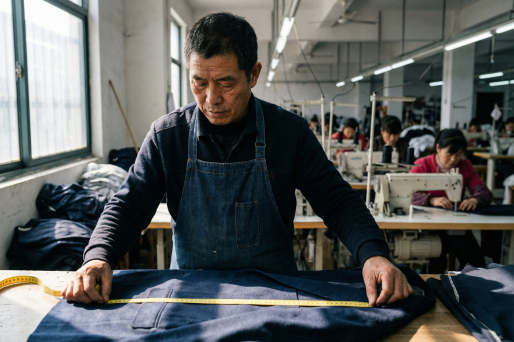
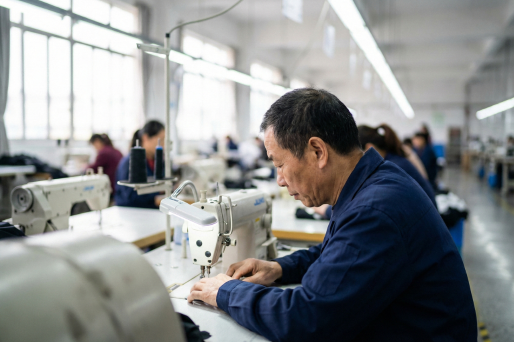
Formal suit production represents a sophisticated manufacturing process that combines traditional tailoring expertise with modern industrial techniques to create premium menswear garments. This comprehensive production system encompasses every stage from initial design conception through final quality inspection, ensuring each formal suit meets exacting standards for fit, durability, and aesthetic appeal. The formal suit production process integrates cutting-edge technology with time-honored craftsmanship, utilizing computer-aided design systems for pattern creation while maintaining hand-finished details that distinguish superior garments. Manufacturing facilities employ specialized equipment including automated cutting machines, precision sewing systems, and steam pressing units that work in harmony to produce consistently excellent results. The technological features of formal suit production include digital pattern grading software that ensures accurate sizing across multiple dimensions, advanced fabric handling systems that minimize waste while maximizing material utilization, and quality control mechanisms that monitor every production phase. Temperature and humidity controls maintain optimal working conditions for fabric stability, while specialized storage systems preserve material integrity throughout the manufacturing cycle. Applications of formal suit production extend across diverse market segments, serving corporate professionals, wedding parties, formal event attendees, and fashion-conscious consumers who demand superior quality garments. The production methodology accommodates both mass manufacturing requirements and bespoke customization needs, enabling manufacturers to serve varied customer bases efficiently. Modern formal suit production facilities incorporate sustainable practices, implementing eco-friendly processes that reduce environmental impact while maintaining product excellence. These operations support local employment while contributing to regional economic development through skilled manufacturing jobs and supplier relationships.

New Products

Formal suit production offers numerous compelling advantages that directly benefit customers seeking premium quality menswear solutions. The primary advantage lies in superior quality control throughout the entire manufacturing process, ensuring each garment meets stringent standards for construction, fit, and finish. Professional formal suit production utilizes premium materials sourced from reputable suppliers, guaranteeing fabric durability, color retention, and comfort that surpass mass-market alternatives. Customers receive garments that maintain their appearance through extended wear and multiple cleaning cycles, providing exceptional value for their investment. The precision manufacturing techniques employed in formal suit production result in consistent sizing and fit across different styles and collections, eliminating the uncertainty often associated with garment purchases. Advanced cutting technologies ensure accurate pattern matching and seam alignment, creating visually appealing garments with professional appearance standards. Formal suit production facilities maintain extensive quality assurance protocols that include multiple inspection points throughout manufacturing, catching potential issues before garments reach customers. This comprehensive approach significantly reduces return rates and customer dissatisfaction while building brand reputation for reliability. The efficiency of modern formal suit production enables competitive pricing without compromising quality, making premium garments accessible to broader customer segments. Streamlined production processes reduce lead times, allowing faster delivery to retail partners and end customers who require garments for specific events or professional needs. Formal suit production supports customization options that accommodate individual preferences for fit, styling details, and fabric choices, providing personalized solutions that enhance customer satisfaction. The scalability of professional production systems enables manufacturers to respond quickly to market trends and seasonal demands while maintaining consistent output quality. Environmental considerations integrated into formal suit production processes appeal to environmentally conscious consumers who value sustainable manufacturing practices. These production advantages translate directly into customer benefits including reliable quality, competitive pricing, timely delivery, and access to customization options that enhance the overall purchasing experience.

Practical Tips

Beyond the Label: Why Super 110s-120s Are the ROI Kings for Made-to-Measure Business

07

Jan

Beyond the Label: Why Super 110s-120s Are the ROI Kings for Made-to-Measure Business

View More
Two Cities, One Vision: How Kris Bridged Heritage with Horizon

03

Feb

Two Cities, One Vision: How Kris Bridged Heritage with Horizon

View More
The Anatomy of the Perfect Roll: Why Our Half-Canvas MTM Suit is the B2B Best-Seller

23

Jan

The Anatomy of the Perfect Roll: Why Our Half-Canvas MTM Suit is the B2B Best-Seller

View More
Inside the Factory: How We Ensure Quality in Every Stitch

23

Jan

Inside the Factory: How We Ensure Quality in Every Stitch

View More

Get a Free Quote

Our representative will contact you soon.
Email
Name
Company Name
Message
0/1000

formal suit production

Advanced Manufacturing Technology Integration

Advanced Manufacturing Technology Integration

The integration of advanced manufacturing technology in formal suit production revolutionizes traditional garment manufacturing by combining precision automation with skilled craftsmanship to deliver superior quality products. Modern formal suit production facilities employ computer-controlled cutting systems that utilize laser technology and automated fabric handling equipment to achieve unprecedented accuracy in pattern cutting and material utilization. These sophisticated systems reduce fabric waste by up to thirty percent compared to traditional cutting methods while ensuring consistent piece accuracy across large production runs. The technological integration extends to specialized sewing equipment that maintains precise stitch tension and seam alignment, resulting in garments with professional-grade construction quality that enhances durability and appearance. Digital pattern grading software enables manufacturers to create accurate size variations efficiently, ensuring proper fit across comprehensive size ranges while maintaining design integrity. Quality monitoring systems utilize sensors and inspection cameras to detect potential defects during production, allowing immediate corrections that prevent substandard garments from reaching customers. Temperature and humidity control systems maintain optimal production environments that preserve fabric characteristics and ensure consistent results regardless of external weather conditions. Automated pressing equipment applies precise heat and pressure combinations that create sharp, lasting creases while preventing fabric damage that can occur with manual pressing techniques. The technology integration in formal suit production enables real-time production tracking and inventory management, allowing manufacturers to optimize workflow efficiency and respond quickly to customer demands. These technological advantages directly benefit customers through improved garment quality, consistent sizing, enhanced durability, and competitive pricing made possible by efficient production processes. The sophisticated manufacturing approach ensures that each formal suit meets exacting standards for construction quality, fit accuracy, and aesthetic appeal that customers expect from premium menswear investments.
Comprehensive Quality Assurance Systems

Comprehensive Quality Assurance Systems

Comprehensive quality assurance systems implemented in formal suit production establish rigorous standards that guarantee exceptional garment quality through multiple inspection stages and continuous monitoring protocols. These systematic approaches begin with incoming material inspection where fabric quality, color consistency, and texture characteristics undergo thorough evaluation before entering the production process. Trained quality technicians utilize standardized testing procedures to verify that materials meet specified requirements for durability, colorfastness, and dimensional stability that ensure long-term garment performance. Pattern accuracy verification ensures that cutting templates maintain precise measurements and alignment markers that result in consistent fit across production runs. During the manufacturing process, quality checkpoints monitor critical construction elements including seam strength, buttonhole precision, and lining attachment quality that directly impact garment durability and appearance. Final inspection procedures examine completed garments for construction defects, fit accuracy, pressing quality, and overall aesthetic appeal before approval for shipping. Quality assurance documentation tracks each production batch, enabling traceability and continuous improvement initiatives that enhance manufacturing processes over time. Statistical quality control methods identify trends and variations in production quality, allowing proactive adjustments that maintain consistent output standards. These comprehensive systems significantly reduce defect rates and customer returns while building brand reputation for reliability and excellence. Customers benefit from receiving garments that consistently meet or exceed expectations for quality, fit, and appearance, reducing the likelihood of disappointment or the need for exchanges. The quality assurance approach in formal suit production provides peace of mind for customers making significant clothing investments, knowing that rigorous standards ensure product satisfaction. Regular audits and certification processes verify that quality systems remain effective and current with industry best practices, maintaining the high standards that customers associate with professional formal suit production.
Sustainable Manufacturing Practices Implementation

Sustainable Manufacturing Practices Implementation

Sustainable manufacturing practices implementation in formal suit production demonstrates environmental responsibility while delivering superior products that appeal to environmentally conscious consumers who value ethical manufacturing approaches. Modern formal suit production facilities integrate eco-friendly processes that minimize environmental impact through reduced water consumption, energy-efficient equipment operation, and responsible waste management programs. Advanced cutting technologies optimize fabric utilization, significantly reducing textile waste that traditionally ends up in landfills, while automated systems improve energy efficiency compared to conventional manufacturing methods. Water recycling systems treat and reuse process water, dramatically reducing freshwater consumption while maintaining production quality standards. Formal suit production facilities increasingly source materials from suppliers who demonstrate sustainable practices, including organic cotton cultivation, responsible wool harvesting, and eco-friendly fabric finishing processes that eliminate harmful chemicals. Packaging optimization reduces material usage while ensuring adequate garment protection during shipping and storage, contributing to overall environmental impact reduction. Energy management systems monitor and optimize power consumption throughout production facilities, often incorporating renewable energy sources that further reduce carbon footprint. Waste reduction programs implement comprehensive recycling initiatives for fabric scraps, packaging materials, and production byproducts, often partnering with local organizations for material repurposing. Employee training programs ensure that sustainability practices remain integral to daily operations, fostering environmental awareness throughout the organization. These sustainable approaches increasingly influence customer purchasing decisions as awareness of environmental issues grows, providing competitive advantages for manufacturers who demonstrate genuine commitment to responsible practices. Formal suit production companies that embrace sustainability often achieve cost savings through improved efficiency and waste reduction while building positive brand reputation among environmentally conscious consumers. The implementation of sustainable practices in formal suit production represents a forward-thinking approach that balances business success with environmental stewardship, appealing to customers who value companies that contribute positively to environmental preservation efforts.

Get a Free Quote

Our representative will contact you soon.
Email
Name
Company Name
Message
0/1000