Premium Cut and Sew Apparel Manufacturing - Custom Garment Production Services

Get a Free Quote

Our representative will contact you soon.
Email
Name
Company Name
Message
0/1000

cut and sew apparel

Cut and sew apparel represents a comprehensive manufacturing approach that transforms raw fabric into finished garments through precise cutting and sophisticated stitching techniques. This method involves pattern creation, fabric cutting, and assembly processes that deliver superior quality clothing products. The cut and sew apparel industry encompasses various garment types, from basic t-shirts to complex outerwear, utilizing advanced machinery and skilled craftsmanship to achieve optimal results. Modern cut and sew apparel production incorporates computer-aided design systems that enhance precision and reduce material waste. These technological features enable manufacturers to create detailed patterns, optimize fabric utilization, and maintain consistent quality standards across production runs. The process begins with digital pattern development, where designers create templates that guide fabric cutting operations. Advanced cutting equipment, including laser cutters and automated fabric spreaders, ensures accurate piece preparation while minimizing errors. Quality control systems monitor each production stage, from initial fabric inspection through final garment assembly. Cut and sew apparel applications span multiple market segments, including fashion retail, corporate uniforms, athletic wear, and specialized protective clothing. The versatility of this manufacturing method allows for customization options that meet specific client requirements, whether for small batch production or large-scale commercial orders. Sustainability considerations have increasingly influenced cut and sew apparel operations, with manufacturers implementing eco-friendly practices such as zero-waste pattern layouts and recycled material integration. The technological sophistication of modern cut and sew apparel facilities includes automated sewing systems, computerized embroidery machines, and digital printing capabilities that expand design possibilities while maintaining production efficiency.

New Products

Cut and sew apparel offers numerous practical benefits that directly impact both manufacturers and end consumers. The primary advantage lies in superior quality control, as this method allows manufacturers to inspect materials at every production stage and address potential issues before they affect the final product. This comprehensive quality management results in garments with better durability, improved fit, and enhanced appearance that customers appreciate. Cost efficiency represents another significant advantage of cut and sew apparel production. Manufacturers can optimize fabric usage through strategic pattern placement, reducing material waste and lowering production costs. These savings often translate to competitive pricing for consumers without compromising quality standards. The flexibility inherent in cut and sew apparel manufacturing enables rapid adaptation to market trends and customer preferences. Production facilities can quickly adjust designs, modify sizing specifications, or incorporate new materials without extensive retooling requirements. This responsiveness helps brands stay current with fashion movements and consumer demands. Customization capabilities distinguish cut and sew apparel from mass-produced alternatives. Manufacturers can accommodate specific requirements such as unique sizing, special fabric treatments, or personalized design elements that create distinctive products for niche markets. The scalability of cut and sew apparel production supports both small boutique orders and large commercial contracts efficiently. Advanced planning systems help manufacturers allocate resources effectively, ensuring timely delivery regardless of order size. Quality consistency across different production volumes maintains brand reputation and customer satisfaction. Environmental benefits emerge from the precision of cut and sew apparel processes. Accurate cutting reduces textile waste, while local production capabilities can minimize transportation-related carbon emissions. Many facilities have implemented sustainable practices that appeal to environmentally conscious consumers. The technological integration in modern cut and sew apparel manufacturing enhances production speed while maintaining craftsmanship standards. Automated systems handle repetitive tasks, allowing skilled workers to focus on complex assembly operations that require human expertise. This combination delivers products that balance efficiency with artisanal quality.

Practical Tips

Two Cities, One Vision: How Kris Bridged Heritage with Horizon

03

Feb

Two Cities, One Vision: How Kris Bridged Heritage with Horizon

View More
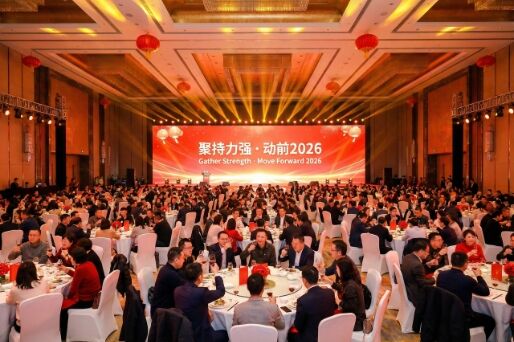
Building Bonds Beyond the Factory Floor: Highlights from Our 2026 Gala & Family Retreat

23

Jan

Building Bonds Beyond the Factory Floor: Highlights from Our 2026 Gala & Family Retreat

View More
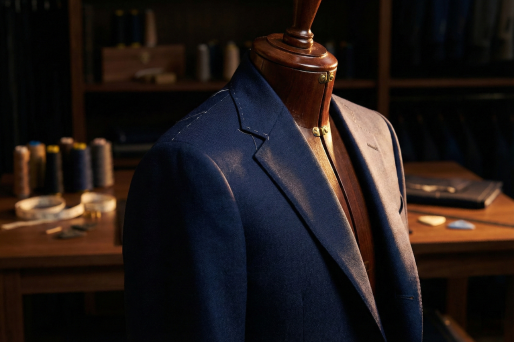
The Anatomy of the Perfect Roll: Why Our Half-Canvas MTM Suit is the B2B Best-Seller

23

Jan

The Anatomy of the Perfect Roll: Why Our Half-Canvas MTM Suit is the B2B Best-Seller

View More
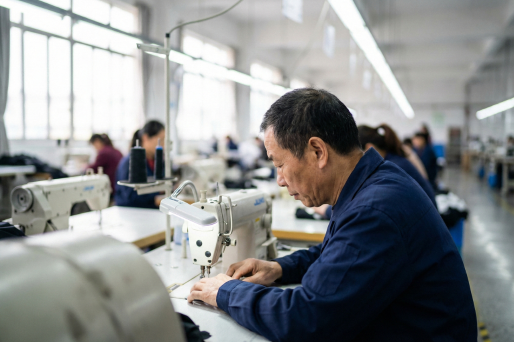
Inside the Factory: How We Ensure Quality in Every Stitch

23

Jan

Inside the Factory: How We Ensure Quality in Every Stitch

View More

Get a Free Quote

Our representative will contact you soon.
Email
Name
Company Name
Message
0/1000

cut and sew apparel

Advanced Pattern Optimization Technology

Advanced Pattern Optimization Technology

Cut and sew apparel manufacturing leverages sophisticated pattern optimization technology that revolutionizes how garments are designed and produced. This cutting-edge approach utilizes computer-aided design software to create precise patterns that maximize fabric efficiency while ensuring perfect fit and construction quality. The technology analyzes fabric properties, garment specifications, and production requirements to generate optimal cutting layouts that minimize waste and reduce costs. Modern pattern optimization systems incorporate artificial intelligence algorithms that learn from previous production runs, continuously improving efficiency and quality outcomes. These systems can automatically adjust patterns for different fabric types, accounting for stretch properties, grain direction, and shrinkage factors that affect final garment performance. The precision achieved through this technology eliminates common fitting issues and construction problems that plague traditional manufacturing methods. Manufacturers using advanced pattern optimization can offer customers superior products with consistent sizing across different production batches. The technology enables rapid prototyping capabilities, allowing designers to test multiple variations quickly and identify the best solutions before committing to full production runs. This iterative approach reduces development time and costs while ensuring optimal results. Environmental benefits emerge from the reduced material waste achieved through precise pattern placement and cutting optimization. The technology can calculate exact fabric requirements for specific orders, preventing overordering and reducing inventory carrying costs. Quality improvements result from the elimination of human error in pattern creation and modification processes. Digital patterns maintain perfect accuracy regardless of how many times they are used or modified, ensuring consistent results across different production facilities. The scalability of pattern optimization technology allows manufacturers to handle projects ranging from single custom pieces to large commercial orders with equal efficiency and precision.
Flexible Production Capabilities

Flexible Production Capabilities

The flexible production capabilities of cut and sew apparel manufacturing provide unprecedented adaptability that meets diverse market demands and customer requirements. This flexibility manifests in multiple dimensions, including order size accommodation, design customization, material selection, and delivery scheduling that traditional manufacturing approaches cannot match effectively. Small batch production becomes economically viable through efficient setup procedures and modular production systems that can handle orders ranging from single pieces to thousands of units without significant cost penalties. This capability particularly benefits emerging brands, boutique retailers, and businesses requiring specialized garments for specific applications. Design flexibility allows manufacturers to incorporate unique elements such as custom graphics, specialized pockets, reinforced areas, or distinctive styling details that differentiate products in competitive markets. The production systems can accommodate last-minute design changes, seasonal adjustments, or trend-responsive modifications without disrupting established workflows or causing significant delays. Material flexibility enables manufacturers to work with diverse fabric types, from lightweight technical materials to heavy-duty industrial textiles, adapting production techniques and equipment settings to optimize results for each specific application. This versatility supports product diversification strategies and allows brands to expand into new market segments effectively. Scheduling flexibility helps manufacturers respond to urgent orders, seasonal demand fluctuations, and changing market conditions while maintaining quality standards and cost efficiency. Advanced production planning systems optimize resource allocation, equipment utilization, and workforce deployment to maximize throughput during peak periods and maintain profitability during slower times. The combination of these flexible capabilities creates competitive advantages for both manufacturers and their clients, enabling rapid market response, product innovation, and customer satisfaction improvements that drive long-term business success in dynamic apparel markets.

Superior Quality Control Systems

Superior Quality Control Systems

Cut and sew apparel manufacturing implements superior quality control systems that ensure exceptional product standards through comprehensive monitoring, testing, and verification processes at every production stage. These systems incorporate multiple checkpoints that identify and address potential issues before they impact final product quality, resulting in garments that consistently meet or exceed customer expectations and industry standards. Incoming material inspection represents the first critical quality control phase, where specialized equipment and trained personnel evaluate fabric properties, colorfastness, dimensional stability, and surface characteristics to ensure only premium materials enter the production process. This proactive approach prevents quality problems that could compromise finished garments and maintains the integrity of the manufacturing process from start to finish. During cutting operations, precision measurement systems verify pattern accuracy, piece dimensions, and cutting quality to ensure proper fit and assembly compatibility. Advanced cutting equipment includes integrated quality monitoring that automatically detects and corrects deviations from specified parameters, maintaining consistent piece quality across entire production runs. Assembly quality control involves skilled inspectors who examine seam strength, stitch quality, alignment accuracy, and construction details at designated checkpoints throughout the sewing process. This multi-stage inspection approach identifies issues early when corrections are most efficient and cost-effective. Final inspection procedures include comprehensive garment evaluation covering fit, appearance, functionality, and durability factors that determine customer satisfaction and product performance. Testing protocols may include wash testing, wear simulation, and stress testing that validate product durability under actual use conditions. Documentation systems track quality metrics throughout production, creating detailed records that support continuous improvement initiatives and provide valuable feedback for process optimization. These quality control systems enable manufacturers to offer warranties and guarantees that demonstrate confidence in their products while building customer trust and brand reputation in competitive markets.

Get a Free Quote

Our representative will contact you soon.
Email
Name
Company Name
Message
0/1000