Professional Cut and Sew Factory Services - Custom Manufacturing Solutions

Get a Free Quote

Our representative will contact you soon.
Email
Name
Company Name
Message
0/1000

cut and sew factory

A cut and sew factory represents the cornerstone of modern textile manufacturing, serving as a comprehensive production facility that transforms raw fabric materials into finished garments and textile products. These specialized manufacturing centers operate through intricate processes that begin with pattern creation and fabric cutting, followed by precise sewing operations that assemble individual components into complete products. The cut and sew factory environment integrates advanced machinery, skilled craftsmanship, and quality control systems to deliver consistent, high-quality textile goods across various industries. Modern cut and sew factory operations utilize computer-aided design systems that optimize fabric utilization while minimizing waste, ensuring both economic efficiency and environmental responsibility. The technological infrastructure within a typical cut and sew factory includes automated cutting tables, programmable sewing machines, and digital pattern-making equipment that streamlines production workflows. Quality assurance protocols embedded throughout cut and sew factory processes guarantee that finished products meet stringent industry standards and customer specifications. These facilities accommodate diverse production requirements, from small-batch custom orders to large-scale commercial manufacturing runs. The cut and sew factory model provides manufacturers with complete control over production timelines, quality standards, and cost management, making it an essential component of the global textile supply chain. Strategic partnerships with cut and sew factory operations enable brands to maintain competitive pricing while ensuring rapid market responsiveness and product innovation capabilities.

New Products

Partnering with a cut and sew factory delivers significant cost savings compared to traditional manufacturing approaches, as these facilities eliminate intermediary markups and provide direct access to production capabilities. Businesses benefit from reduced per-unit costs through economies of scale, while maintaining flexibility to adjust order quantities based on market demand. The cut and sew factory model offers superior quality control through integrated production processes, allowing manufacturers to monitor every stage from initial cutting through final assembly. This comprehensive oversight ensures consistent product standards and reduces defect rates that commonly occur when using multiple vendors. Time-to-market advantages become apparent when working with a cut and sew factory, as streamlined communication and consolidated production eliminate delays associated with coordinating between separate cutting and sewing operations. Custom design capabilities represent another major benefit, enabling businesses to implement unique specifications without additional complexity or cost premiums. Cut and sew factory partnerships provide enhanced supply chain reliability through dedicated production capacity and established operational procedures. Inventory management becomes more efficient as businesses can coordinate raw material procurement directly with production schedules, reducing carrying costs and minimizing stockout risks. Environmental benefits emerge from optimized fabric utilization and reduced transportation requirements inherent in cut and sew factory operations. Professional expertise available within these facilities includes pattern development, grading services, and technical support that many businesses lack internally. Scalability advantages allow companies to grow production volumes without investing in additional equipment or facility expansion. The cut and sew factory approach facilitates better cash flow management through flexible payment terms and reduced capital requirements compared to establishing in-house manufacturing capabilities. Risk mitigation occurs through diversified supplier relationships and established backup production capacity that cut and sew factory partnerships typically provide.

Practical Tips

Beyond the Label: Why Super 110s-120s Are the ROI Kings for Made-to-Measure Business

07

Jan

Beyond the Label: Why Super 110s-120s Are the ROI Kings for Made-to-Measure Business

View More
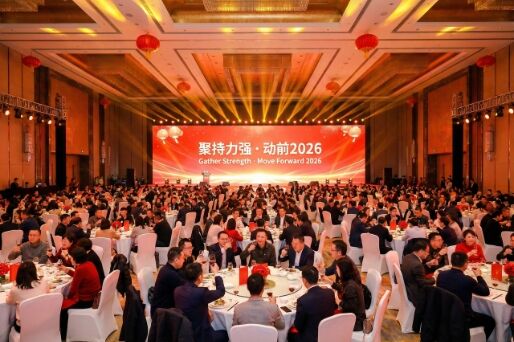
Building Bonds Beyond the Factory Floor: Highlights from Our 2026 Gala & Family Retreat

23

Jan

Building Bonds Beyond the Factory Floor: Highlights from Our 2026 Gala & Family Retreat

View More
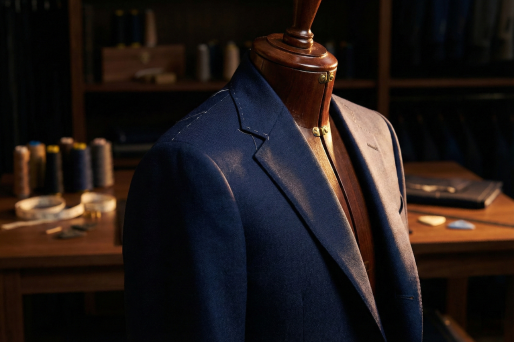
The Anatomy of the Perfect Roll: Why Our Half-Canvas MTM Suit is the B2B Best-Seller

23

Jan

The Anatomy of the Perfect Roll: Why Our Half-Canvas MTM Suit is the B2B Best-Seller

View More
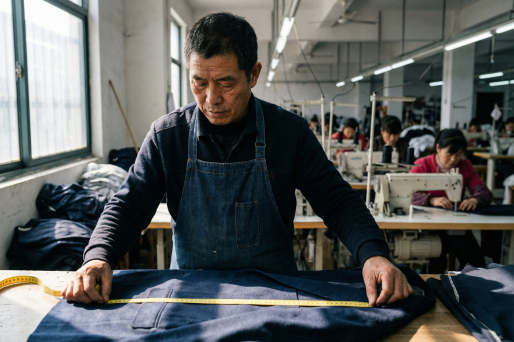
Inside the Factory: How We Ensure Quality in Every Stitch

23

Jan

Inside the Factory: How We Ensure Quality in Every Stitch

View More

Get a Free Quote

Our representative will contact you soon.
Email
Name
Company Name
Message
0/1000

cut and sew factory

Advanced Technology Integration

Advanced Technology Integration

Modern cut and sew factory operations leverage cutting-edge technology that revolutionizes traditional textile manufacturing processes, delivering unprecedented precision and efficiency. Computer-aided design software integrates seamlessly with automated cutting systems, enabling cut and sew factory technicians to optimize fabric layouts that minimize waste while maximizing yield from each material roll. These advanced systems utilize laser cutting technology that provides clean, precise edges while reducing fraying and material distortion common in traditional cutting methods. Digital pattern-making capabilities within the cut and sew factory environment allow for rapid prototyping and design modifications, significantly reducing development timelines from concept to finished product. Programmable sewing machines equipped with automatic thread trimming, tension adjustment, and stitch pattern recognition ensure consistent quality across all production runs. Quality monitoring systems integrated throughout the cut and sew factory workflow utilize sensors and cameras to detect imperfections in real-time, preventing defective products from progressing through subsequent production stages. Enterprise resource planning software coordinates all cut and sew factory operations, from inventory management through shipping logistics, providing complete visibility into production status and delivery schedules. These technological advantages translate directly into customer benefits through improved product quality, faster delivery times, and competitive pricing structures that traditional manufacturing approaches cannot match.
Customization and Flexibility

Customization and Flexibility

The cut and sew factory model excels in providing unmatched customization capabilities that accommodate diverse client requirements across multiple industries and product categories. Unlike mass production facilities that focus solely on standardized items, a specialized cut and sew factory maintains the flexibility to handle unique design specifications, custom sizing requirements, and specialized material preferences without compromising efficiency or cost-effectiveness. This adaptability stems from modular production systems that can be quickly reconfigured to accommodate different product types, from basic apparel items to complex technical textiles requiring specialized construction techniques. Professional design teams within the cut and sew factory collaborate directly with clients to refine concepts, suggest improvements, and ensure technical feasibility while maintaining aesthetic integrity. Small-batch production capabilities enable businesses to test market response before committing to large inventory investments, reducing financial risk while maintaining product innovation momentum. The cut and sew factory approach accommodates seasonal production fluctuations and rush orders through flexible scheduling systems that prioritize client needs without disrupting overall operational efficiency. Material sourcing flexibility allows cut and sew factory operations to work with client-specified fabrics or recommend alternatives that provide superior performance characteristics or cost advantages. Private labeling services integrate seamlessly into cut and sew factory workflows, enabling brands to maintain consistent identity across all products while benefiting from professional manufacturing expertise. This comprehensive customization approach ensures that every client receives products that precisely match their specifications while benefiting from economies of scale typically associated with larger production runs.
Quality Control Excellence

Quality Control Excellence

Quality control represents the fundamental cornerstone of successful cut and sew factory operations, implemented through comprehensive inspection protocols that ensure every finished product exceeds industry standards and customer expectations. Multi-stage quality verification processes begin with incoming material inspection, where cut and sew factory technicians verify fabric specifications, color consistency, and structural integrity before materials enter production workflows. Cutting precision verification utilizes advanced measurement systems that confirm dimensional accuracy within strict tolerances, preventing downstream assembly issues that could compromise finished product quality. In-process quality monitoring throughout the cut and sew factory involves skilled inspectors who evaluate stitching consistency, seam strength, and construction details at critical production stages, enabling immediate corrections before problems propagate through subsequent operations. Final inspection procedures employ both automated systems and experienced quality control specialists who conduct comprehensive examinations covering dimensional accuracy, construction integrity, appearance standards, and functional performance requirements. Documentation systems maintain detailed quality records for every production batch, enabling traceability and continuous improvement initiatives that enhance overall cut and sew factory performance. Statistical process control methodologies identify trends and variations in production quality, allowing cut and sew factory management to implement preventive measures that maintain consistent output standards. Customer feedback integration ensures that quality standards evolve to meet changing market requirements and expectations. Professional training programs for all cut and sew factory personnel emphasize quality consciousness and provide ongoing education about best practices, new techniques, and emerging quality standards. This comprehensive quality focus delivers tangible customer benefits through reduced return rates, enhanced brand reputation, and improved customer satisfaction scores that drive long-term business success.

Get a Free Quote

Our representative will contact you soon.
Email
Name
Company Name
Message
0/1000