Professional Cut and Sew Manufacturers - Custom Garment Production Services

Get a Free Quote

Our representative will contact you soon.
Email
Name
Company Name
Message
0/1000

cut and sew manufacturers

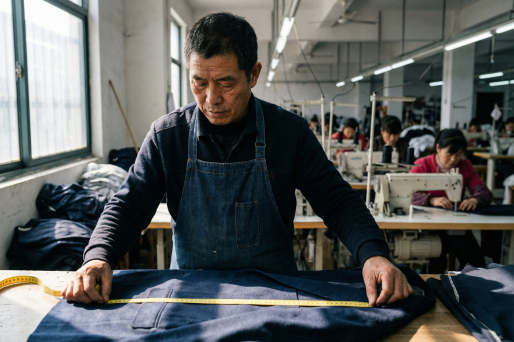
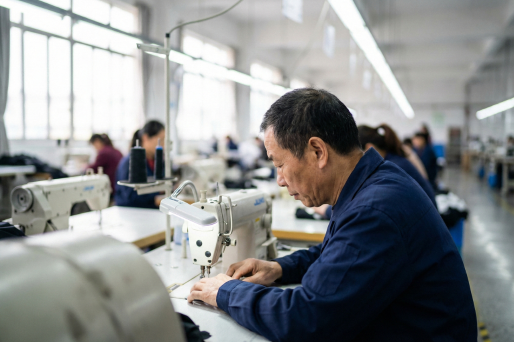
Cut and sew manufacturers represent specialized production facilities that transform raw textile materials into finished garments through comprehensive manufacturing processes. These industrial operations combine traditional craftsmanship with modern technology to deliver custom apparel solutions for brands, designers, and businesses worldwide. Cut and sew manufacturers operate sophisticated facilities equipped with precision cutting equipment, industrial sewing machines, and quality control systems that ensure consistent product output. The primary function of these manufacturers involves pattern creation, fabric cutting, assembly, and finishing operations that convert design concepts into wearable products. Their technological infrastructure includes computer-aided design systems, automated cutting tables, programmable sewing equipment, and inventory management software that streamlines production workflows. These manufacturers serve diverse applications across fashion retail, corporate uniforms, promotional merchandise, athletic wear, and specialty clothing segments. The production process begins with technical design development where manufacturers collaborate with clients to refine specifications, select appropriate materials, and establish production timelines. Advanced cut and sew manufacturers utilize digital printing capabilities, embroidery services, and specialized finishing techniques that add value to final products. Their expertise extends beyond basic garment construction to include sizing optimization, fit testing, and compliance with international quality standards. Modern cut and sew manufacturers integrate sustainable practices through waste reduction programs, eco-friendly material sourcing, and energy-efficient production methods. These facilities maintain flexible production capabilities that accommodate both small batch orders and large-scale manufacturing requirements, making them essential partners for emerging brands and established companies seeking reliable garment production solutions.

New Product Releases

Cut and sew manufacturers offer significant cost advantages by providing comprehensive production services under one roof, eliminating the need for multiple vendor relationships and reducing overall project expenses. These manufacturers maintain economies of scale that allow them to negotiate better material prices, optimize labor costs, and minimize waste through efficient production planning. Clients benefit from streamlined communication channels since cut and sew manufacturers handle all aspects of garment production from initial sampling to final delivery, reducing coordination complexity and project management overhead. Quality control represents another major advantage as these manufacturers implement rigorous inspection processes at every production stage, ensuring consistent standards and reducing defect rates that could impact brand reputation. Cut and sew manufacturers provide faster time-to-market capabilities through their integrated workflows, allowing brands to respond quickly to fashion trends and seasonal demands without lengthy vendor coordination delays. Their technical expertise enables superior problem-solving during production challenges, offering design modifications, material substitutions, and process improvements that enhance final product quality. Flexibility stands as a crucial benefit since cut and sew manufacturers can accommodate varying order quantities, rush orders, and specification changes more efficiently than traditional production models. These manufacturers offer comprehensive service packages including pattern development, material sourcing, production planning, and logistics coordination that simplify the entire manufacturing process for clients. Risk mitigation becomes possible through established relationships with reliable cut and sew manufacturers who understand compliance requirements, maintain proper certifications, and implement backup production strategies. Innovation opportunities emerge through collaboration with manufacturers who invest in new technologies, sustainable practices, and improved production methods that benefit client products. Geographic advantages allow brands to work with local cut and sew manufacturers for reduced shipping costs and faster communication, or international partners for cost optimization and specialized capabilities. Finally, scalability benefits enable businesses to grow their production volumes efficiently through established manufacturing relationships without significant infrastructure investments.

Practical Tips

Beyond the Label: Why Super 110s-120s Are the ROI Kings for Made-to-Measure Business

07

Jan

Beyond the Label: Why Super 110s-120s Are the ROI Kings for Made-to-Measure Business

View More
Two Cities, One Vision: How Kris Bridged Heritage with Horizon

03

Feb

Two Cities, One Vision: How Kris Bridged Heritage with Horizon

View More
Building Bonds Beyond the Factory Floor: Highlights from Our 2026 Gala & Family Retreat

23

Jan

Building Bonds Beyond the Factory Floor: Highlights from Our 2026 Gala & Family Retreat

View More
Inside the Factory: How We Ensure Quality in Every Stitch

23

Jan

Inside the Factory: How We Ensure Quality in Every Stitch

View More

Get a Free Quote

Our representative will contact you soon.
Email
Name
Company Name
Message
0/1000

cut and sew manufacturers

Advanced Technology Integration for Precision Manufacturing

Advanced Technology Integration for Precision Manufacturing

Cut and sew manufacturers leverage cutting-edge technology systems that revolutionize traditional garment production methods, delivering unprecedented precision and efficiency in every manufacturing phase. These advanced facilities incorporate computer-aided design software that enables precise pattern creation, grading, and marker making, ensuring optimal fabric utilization and consistent sizing across all production runs. Automated cutting systems utilize laser technology and computerized blade cutting that achieves millimeter-perfect accuracy while maximizing material efficiency and minimizing waste generation. Digital printing capabilities integrated within cut and sew manufacturers allow for complex graphics, intricate patterns, and custom branding applications directly onto fabrics before assembly, eliminating traditional screen printing limitations and enabling smaller minimum order quantities. Programmable sewing equipment equipped with advanced sensors and automated threading systems ensures consistent stitch quality, reduces human error, and maintains uniform seam specifications throughout large production runs. Quality management software tracks every garment through production stages, recording measurements, defect rates, and performance metrics that enable continuous improvement and maintain strict quality standards. Inventory management systems provide real-time visibility into material availability, production progress, and delivery schedules, allowing clients to make informed decisions and adjust orders proactively. These technological investments by cut and sew manufacturers translate directly into superior product quality, reduced lead times, and enhanced customization capabilities that traditional manufacturers cannot match. RFID tracking systems monitor individual garments through production workflows, ensuring accurate order fulfillment and enabling rapid identification of any quality issues. Modern cut and sew manufacturers also implement environmental monitoring systems that optimize energy consumption, reduce carbon footprint, and support sustainability initiatives that increasingly important to conscious consumers and brands.
Comprehensive Quality Assurance and Testing Protocols

Comprehensive Quality Assurance and Testing Protocols

Cut and sew manufacturers implement rigorous quality assurance protocols that encompass every aspect of garment production, from raw material inspection to final product evaluation, ensuring consistent excellence that protects brand reputation and customer satisfaction. These comprehensive testing procedures begin with incoming material verification where trained technicians examine fabric properties, colorfastness, shrinkage rates, and dimensional stability to prevent quality issues before production begins. During the cutting phase, cut and sew manufacturers employ precision measurement tools and statistical sampling methods that verify pattern accuracy, ensure proper alignment, and maintain consistent piece dimensions across all sizes and styles. Assembly quality control involves multiple inspection points where skilled operators examine seam construction, stitch density, thread tension, and finishing details to identify and correct any deviations from specifications immediately. Specialized testing equipment evaluates garment performance characteristics including tensile strength, abrasion resistance, pilling tendency, and wash durability to ensure products meet or exceed industry standards and customer expectations. Fit testing protocols conducted by cut and sew manufacturers involve live model evaluations, measurement comparisons, and movement assessments that validate sizing accuracy and comfort levels across different body types and demographic segments. Color matching procedures utilize spectrophotometers and standardized lighting conditions to ensure consistent color reproduction throughout production runs and prevent costly color variations that could result in customer returns. Final inspection processes examine completed garments for construction defects, measurement accuracy, labeling compliance, and packaging requirements before shipment authorization. Documentation systems maintained by cut and sew manufacturers provide complete traceability records that enable rapid response to any quality concerns and support continuous improvement initiatives. These quality assurance investments demonstrate manufacturer commitment to excellence and provide clients with confidence that their brand standards will be maintained consistently.
Flexible Production Capabilities and Scalable Manufacturing Solutions

Flexible Production Capabilities and Scalable Manufacturing Solutions

Cut and sew manufacturers excel in providing flexible production capabilities that adapt to diverse client needs, seasonal fluctuations, and market demands through scalable manufacturing solutions that grow with business requirements. These versatile facilities maintain multiple production lines that can be reconfigured quickly to accommodate different garment types, construction techniques, and order specifications without significant downtime or setup costs. Small batch production capabilities enable emerging brands and independent designers to access professional manufacturing services with minimum order quantities that align with their budget constraints and market testing strategies. Cut and sew manufacturers maintain relationships with specialized suppliers and subcontractors that expand their service offerings to include embroidery, screen printing, heat transfer applications, and specialized finishing techniques without requiring clients to manage multiple vendor relationships. Rush order accommodation represents a critical flexibility advantage where experienced cut and sew manufacturers can mobilize resources rapidly to meet urgent delivery deadlines through overtime scheduling, priority material sourcing, and expedited shipping arrangements. Seasonal capacity management allows these manufacturers to scale production volumes efficiently during peak periods while maintaining cost-effective operations during slower seasons through strategic workforce planning and equipment optimization. Custom sizing and specification modifications can be implemented efficiently by cut and sew manufacturers who maintain detailed technical documentation and skilled pattern makers capable of adjusting designs to meet specific client requirements. Geographic flexibility enables manufacturers to distribute production across multiple facilities or partner networks to optimize shipping costs, meet regional compliance requirements, or access specialized capabilities in different locations. Material sourcing flexibility allows cut and sew manufacturers to substitute fabrics, adjust specifications, or recommend alternative solutions when supply chain disruptions threaten production schedules. These flexible capabilities position cut and sew manufacturers as strategic partners who can adapt to changing business conditions while maintaining consistent quality and service levels that support long-term client relationships and business growth objectives.

Get a Free Quote

Our representative will contact you soon.
Email
Name
Company Name
Message
0/1000