Premium Private Label Formal Suits - Custom Manufacturing & Wholesale Solutions

Get a Free Quote

Our representative will contact you soon.
Email
Name
Company Name
Message
0/1000

private label formal suit

The private label formal suit represents a sophisticated approach to professional menswear manufacturing, where businesses partner with specialized producers to create custom-tailored formal wear under their own brand name. This comprehensive garment system encompasses meticulously crafted jackets, trousers, vests, and accessories that meet exacting standards for corporate, wedding, and special occasion wear. Private label formal suit manufacturing utilizes advanced pattern-making technologies, precision cutting systems, and premium fabric sourcing to deliver consistent quality across production runs. The main functions of these suits extend beyond basic coverage to include professional image enhancement, body contouring through strategic tailoring, and versatile styling options that adapt to various formal settings. Technological features incorporate computer-aided design software for pattern optimization, automated cutting machinery for precise measurements, and quality control systems that ensure each private label formal suit meets specified tolerances. Modern manufacturing processes include steam pressing techniques, reinforced stitching methods, and fabric treatment procedures that enhance durability and appearance retention. Applications span corporate environments where professional appearance standards are paramount, wedding industry requirements for groomsmen and formal party attire, hospitality sector uniforms for upscale establishments, and retail fashion markets targeting discerning customers. The private label formal suit manufacturing process integrates sustainable practices through efficient material utilization, waste reduction protocols, and environmentally conscious fabric selection. Advanced fitting technologies ensure optimal silhouette achievement while maintaining comfort throughout extended wear periods. Supply chain management systems coordinate fabric procurement, production scheduling, and quality assurance procedures to deliver consistent results. Distribution networks support both business-to-business partnerships and direct-to-consumer channels, enabling flexible market penetration strategies. The private label formal suit category continues evolving through innovative design approaches, enhanced manufacturing techniques, and responsive market adaptation strategies that address changing consumer preferences and industry standards.
New Product Releases

Private label formal suit manufacturing offers businesses remarkable control over product specifications, enabling them to create distinctive formal wear that aligns perfectly with their brand identity and target market preferences. This approach eliminates intermediary markups, allowing companies to achieve superior profit margins while maintaining competitive pricing for end consumers. Businesses gain exclusive access to custom designs that differentiate their offerings from generic alternatives, creating stronger brand recognition and customer loyalty within the formal wear marketplace. The private label formal suit model provides flexibility in minimum order quantities, accommodating both emerging brands with limited initial investment and established companies requiring large-scale production runs. Quality control becomes more manageable when businesses work directly with manufacturers, ensuring each private label formal suit meets precise standards for construction, fit, and finish. Seasonal adaptation proves simpler through direct manufacturer relationships, enabling rapid response to fashion trends and market demands without lengthy approval processes. Inventory management benefits significantly from coordinated production scheduling, reducing warehousing costs and minimizing stock obsolescence risks. The private label formal suit approach supports brand expansion strategies by enabling companies to enter new market segments without developing in-house manufacturing capabilities. Customer satisfaction improves through consistent quality delivery and the ability to address specific market needs that mass-produced alternatives cannot accommodate. Manufacturing partnerships provide access to advanced production technologies and skilled craftsmanship that would require substantial investment to develop independently. Risk mitigation occurs through diversified supplier relationships and established quality assurance protocols that protect brand reputation. Market responsiveness accelerates when businesses can quickly implement design modifications or introduce new styles without navigating complex supply chain hierarchies. The private label formal suit model supports sustainable business practices through optimized production planning, reduced transportation requirements, and efficient resource utilization. Cost predictability improves through long-term manufacturing partnerships that stabilize pricing and reduce financial uncertainty. Innovation opportunities expand when businesses collaborate closely with manufacturers to develop new construction techniques, fabric applications, and design elements that enhance the private label formal suit category.

Tips And Tricks

Beyond the Label: Why Super 110s-120s Are the ROI Kings for Made-to-Measure Business

07

Jan

Beyond the Label: Why Super 110s-120s Are the ROI Kings for Made-to-Measure Business

View More
Two Cities, One Vision: How Kris Bridged Heritage with Horizon

03

Feb

Two Cities, One Vision: How Kris Bridged Heritage with Horizon

View More
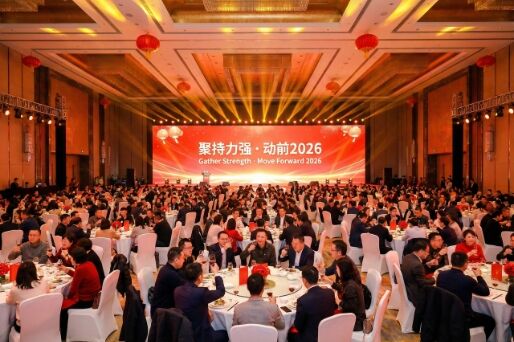
Building Bonds Beyond the Factory Floor: Highlights from Our 2026 Gala & Family Retreat

23

Jan

Building Bonds Beyond the Factory Floor: Highlights from Our 2026 Gala & Family Retreat

View More
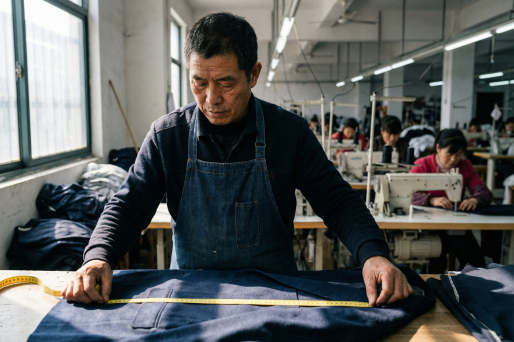
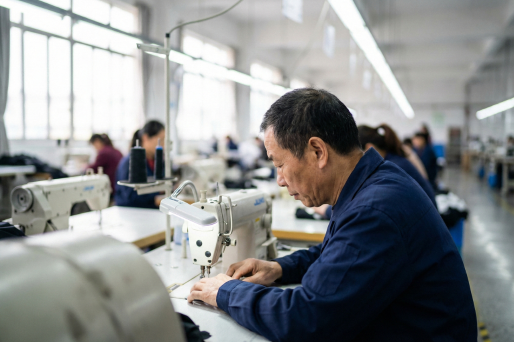
Inside the Factory: How We Ensure Quality in Every Stitch

23

Jan

Inside the Factory: How We Ensure Quality in Every Stitch

View More

Get a Free Quote

Our representative will contact you soon.
Email
Name
Company Name
Message
0/1000

private label formal suit

Superior Customization and Brand Differentiation

Superior Customization and Brand Differentiation

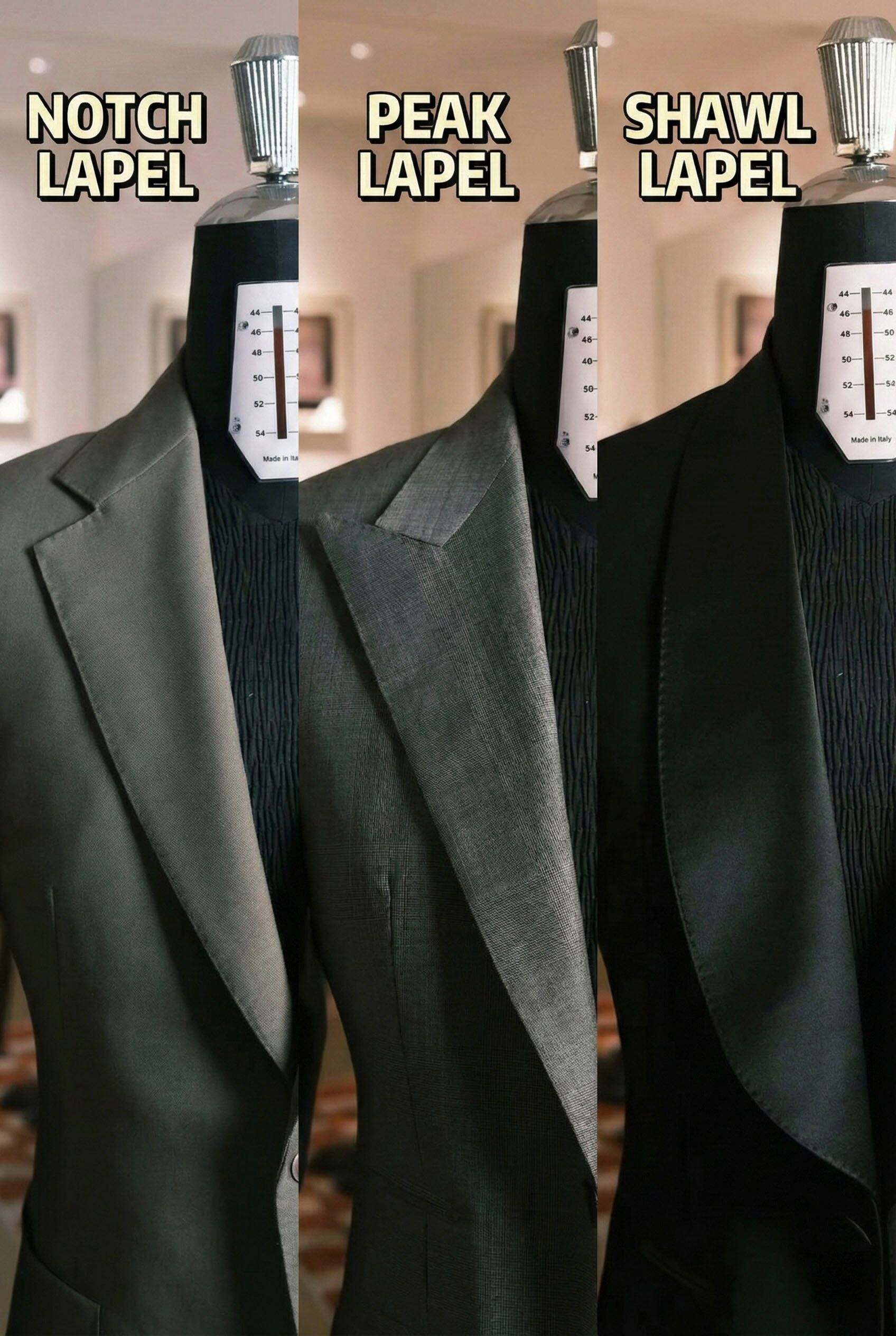
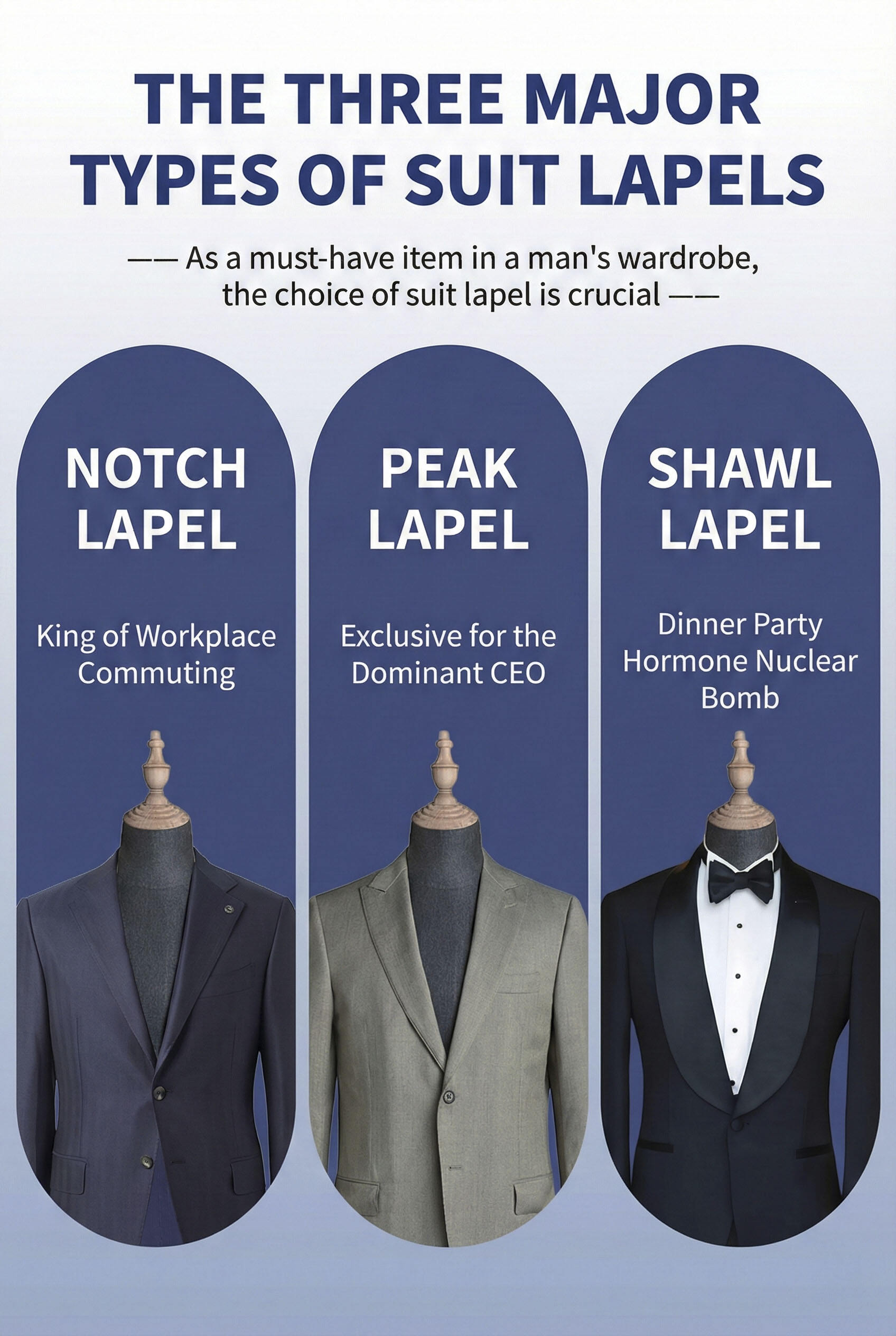
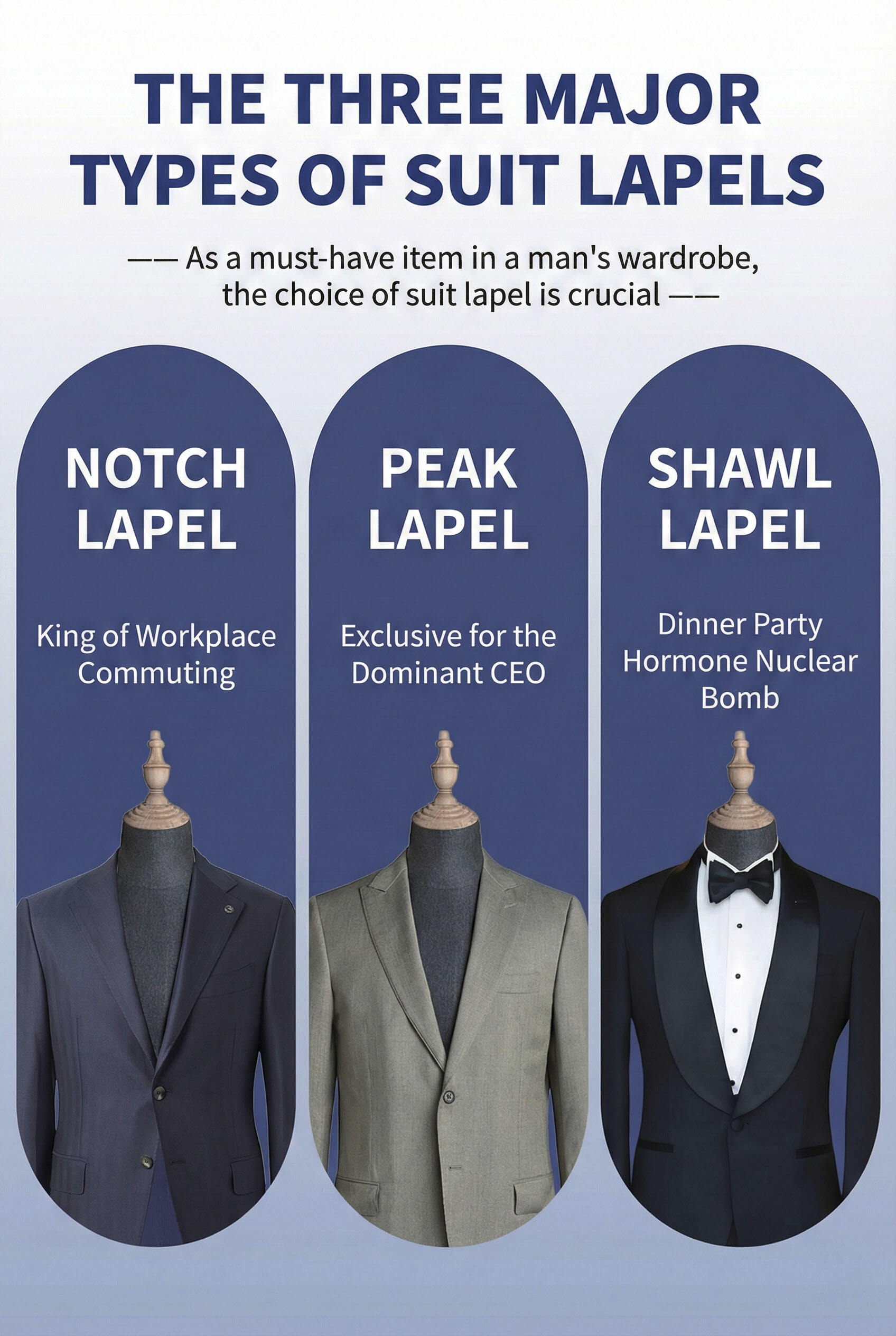
The private label formal suit manufacturing model delivers unparalleled customization capabilities that enable businesses to create truly distinctive formal wear collections tailored to their specific brand vision and customer demographics. This comprehensive customization extends far beyond basic color and sizing options to encompass every aspect of garment construction, from fabric selection and pattern modifications to hardware choices and finishing details. Manufacturers specializing in private label formal suit production maintain extensive fabric libraries featuring premium wool blends, innovative synthetic materials, and sustainable textile options that provide businesses with virtually unlimited creative possibilities. The customization process begins with detailed consultation sessions where brand representatives collaborate with experienced designers and pattern makers to translate conceptual ideas into practical garment specifications. Advanced computer-aided design systems enable precise visualization of proposed modifications, allowing stakeholders to evaluate aesthetic and functional implications before committing to production. Pattern customization capabilities include adjustments to jacket silhouettes, lapel styles, button configurations, and trouser cuts that create signature looks distinguishing one brand from competitors. Color matching services ensure perfect coordination across all garment components, while custom lining options provide subtle branding opportunities that reinforce company identity. Hardware selection encompasses buttons, zippers, and decorative elements that can incorporate brand logos or distinctive design motifs. The private label formal suit customization process includes comprehensive fit optimization services that address specific target market requirements, whether accommodating athletic builds, traditional proportions, or contemporary slim-cut preferences. Quality control protocols ensure consistency across customized specifications, maintaining brand standards regardless of production volume fluctuations. Packaging and presentation customization options extend the brand experience beyond the garment itself, creating cohesive customer touchpoints that strengthen brand recognition and perceived value. Documentation and specification management systems preserve custom design details for future reorders, ensuring long-term consistency and simplifying inventory planning processes.
Cost-Effective Premium Quality Manufacturing

Cost-Effective Premium Quality Manufacturing

Private label formal suit production delivers exceptional value proposition by combining premium manufacturing quality with cost-effective business models that maximize profitability while maintaining competitive market positioning. This approach eliminates traditional retail markup structures that can inflate prices by substantial margins, enabling businesses to offer superior formal wear at attractive price points that appeal to discerning customers without compromising profit objectives. Manufacturing efficiency stems from specialized production facilities dedicated exclusively to formal wear construction, where skilled craftspeople utilize advanced equipment and refined processes to achieve consistent quality standards across all production runs. The private label formal suit manufacturing ecosystem benefits from economies of scale achieved through consolidated fabric purchasing, standardized construction methods, and optimized production workflows that reduce per-unit costs without sacrificing attention to detail. Quality control systems implement rigorous inspection procedures at multiple production stages, identifying and correcting potential issues before they impact final product quality. Advanced cutting technologies minimize fabric waste while ensuring precise pattern adherence, contributing to cost efficiency and environmental sustainability. Skilled tailoring teams apply traditional construction techniques combined with modern equipment to create garments that rival high-end bespoke alternatives at fraction of typical costs. Time efficiency improvements through streamlined production processes enable faster order fulfillment without compromising construction quality, supporting business objectives for rapid market responsiveness. The private label formal suit model eliminates inventory carrying costs for raw materials and work-in-process goods, transferring these expenses to specialized manufacturers with greater efficiency and expertise. Partnership structures provide predictable pricing models that facilitate accurate financial planning and margin forecasting. Investment requirements for businesses remain minimal since manufacturing infrastructure, equipment maintenance, and workforce training responsibilities rest with established production partners. Risk mitigation occurs through manufacturer quality guarantees and established performance metrics that protect brand reputation. Continuous improvement initiatives driven by manufacturer expertise result in ongoing enhancements to construction methods, material utilization, and production efficiency that benefit all private label formal suit clients.
Flexible Production and Market Responsiveness

Flexible Production and Market Responsiveness

The private label formal suit manufacturing model provides unprecedented flexibility in production planning and market responsiveness that enables businesses to adapt quickly to changing consumer preferences, seasonal demands, and emerging fashion trends without maintaining expensive in-house production capabilities. This flexibility encompasses production volume scalability, seasonal adaptation strategies, and rapid prototype development that support both established brands and emerging companies entering the formal wear marketplace. Minimum order quantity structures accommodate diverse business requirements, from boutique retailers requiring limited quantities for specialized markets to major brands needing large-scale production runs for widespread distribution. Seasonal production scheduling allows businesses to align inventory levels with anticipated demand patterns, reducing financial risk associated with overproduction or stockout situations. The private label formal suit model supports just-in-time manufacturing approaches that minimize warehousing requirements and carrying costs while ensuring product availability during peak selling periods. Rapid prototyping services enable businesses to evaluate new designs, test market acceptance, and refine specifications before committing to full production runs. Design modification capabilities allow mid-season adjustments responding to consumer feedback or unexpected market shifts without disrupting ongoing production commitments. Multiple production facility access through established manufacturer networks provides redundancy and capacity expansion options during high-demand periods. Geographic production distribution options support regional market entry strategies and logistics optimization for various distribution channels. Quality consistency maintenance across flexible production parameters ensures brand standards remain intact regardless of volume fluctuations or seasonal variations. Technology integration enables real-time production monitoring and communication between businesses and manufacturers, facilitating proactive issue resolution and timeline management. Inventory management support includes forecasting assistance, reorder optimization, and seasonal planning consultation that leverages manufacturer market expertise. The private label formal suit flexibility extends to payment terms, delivery scheduling, and quality specifications that accommodate unique business requirements and cash flow considerations. Market trend integration services keep businesses informed about emerging style preferences and fabric innovations that could enhance their private label formal suit offerings. Supply chain adaptability ensures continued production capability despite potential disruptions affecting individual facilities or regions.

Get a Free Quote

Our representative will contact you soon.
Email
Name
Company Name
Message
0/1000