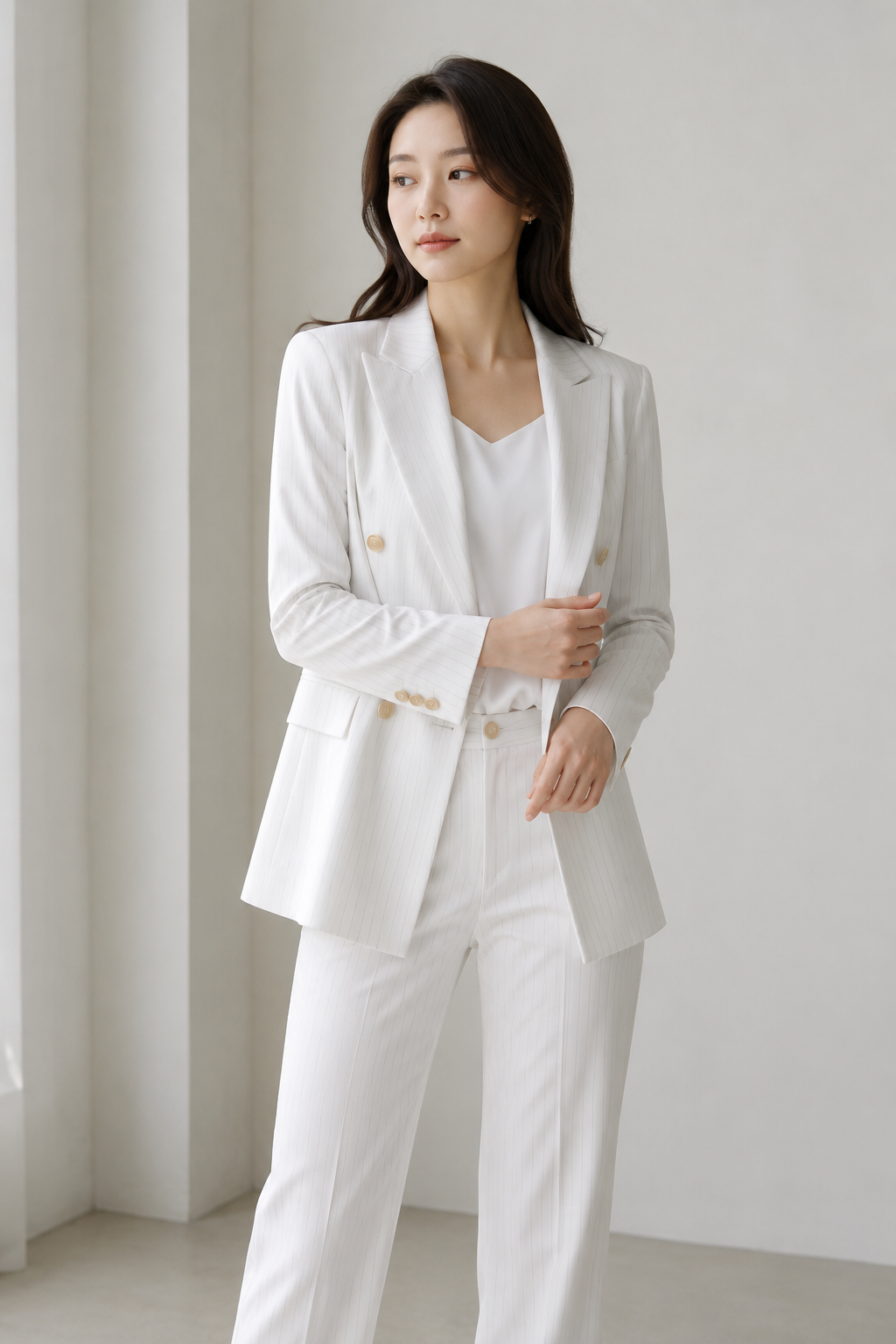
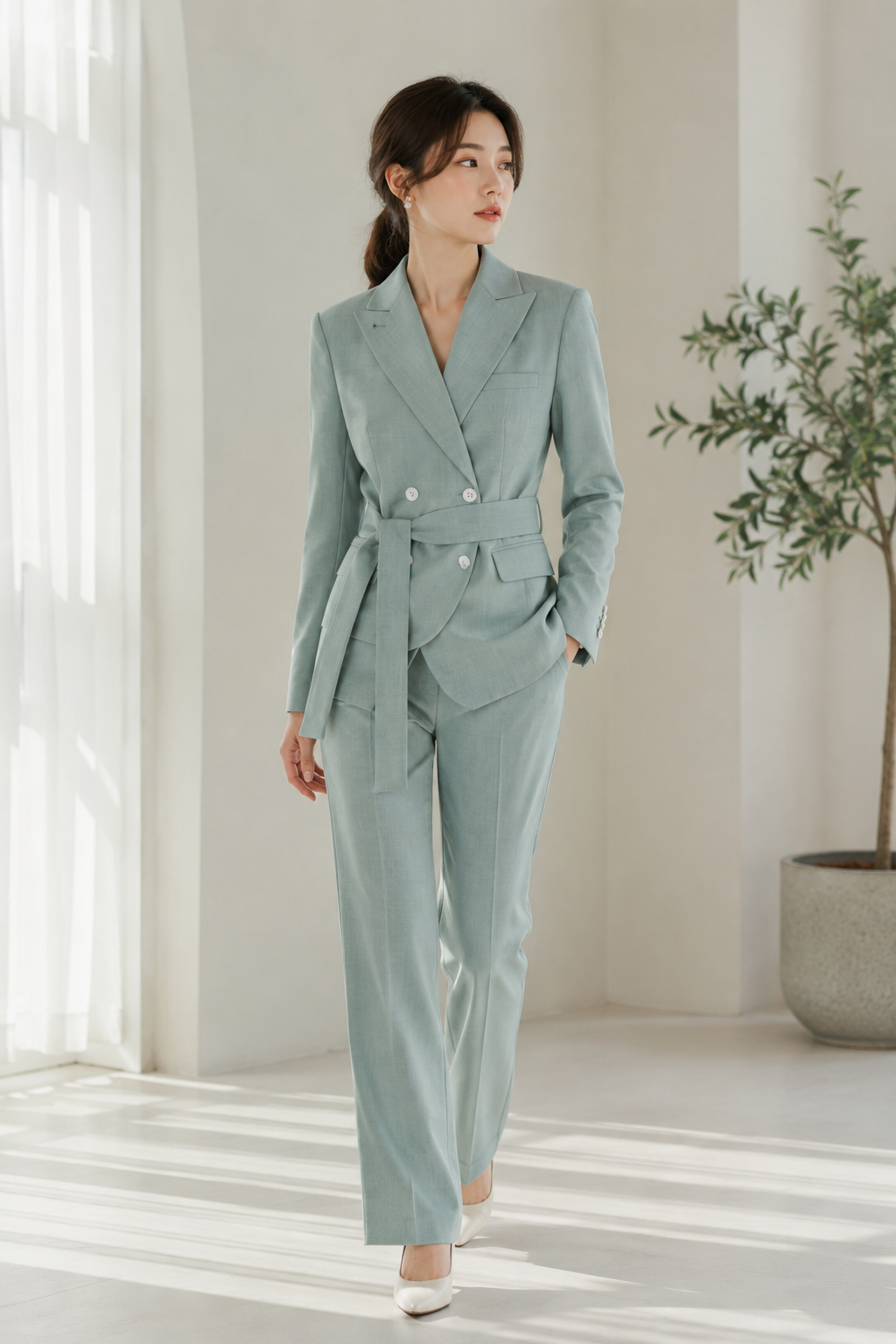
×
×
Article Summary: Vogue Business' June 2026 menswear trend forecast and Pitti Uomo 110 both point to a quieter but important shift: formalwear is returning, but in a softer, more wearable form. For buyers, this new formality changes how custom suits, made-to-measure suits, tailored jackets and formalwear collections should be developed. The article explains why fabric behavior, fit, construction, sampling, trims and repeatability matter more when tailoring becomes part of everyday life rather than only special occasions.
A buyer rarely asks for a trend first.
They ask whether the blazer will still look clean after travel, whether the trousers can sit comfortably through a long day, and whether the second production run will match the first sample. That is where the latest menswear conversation becomes more than a runway mood.
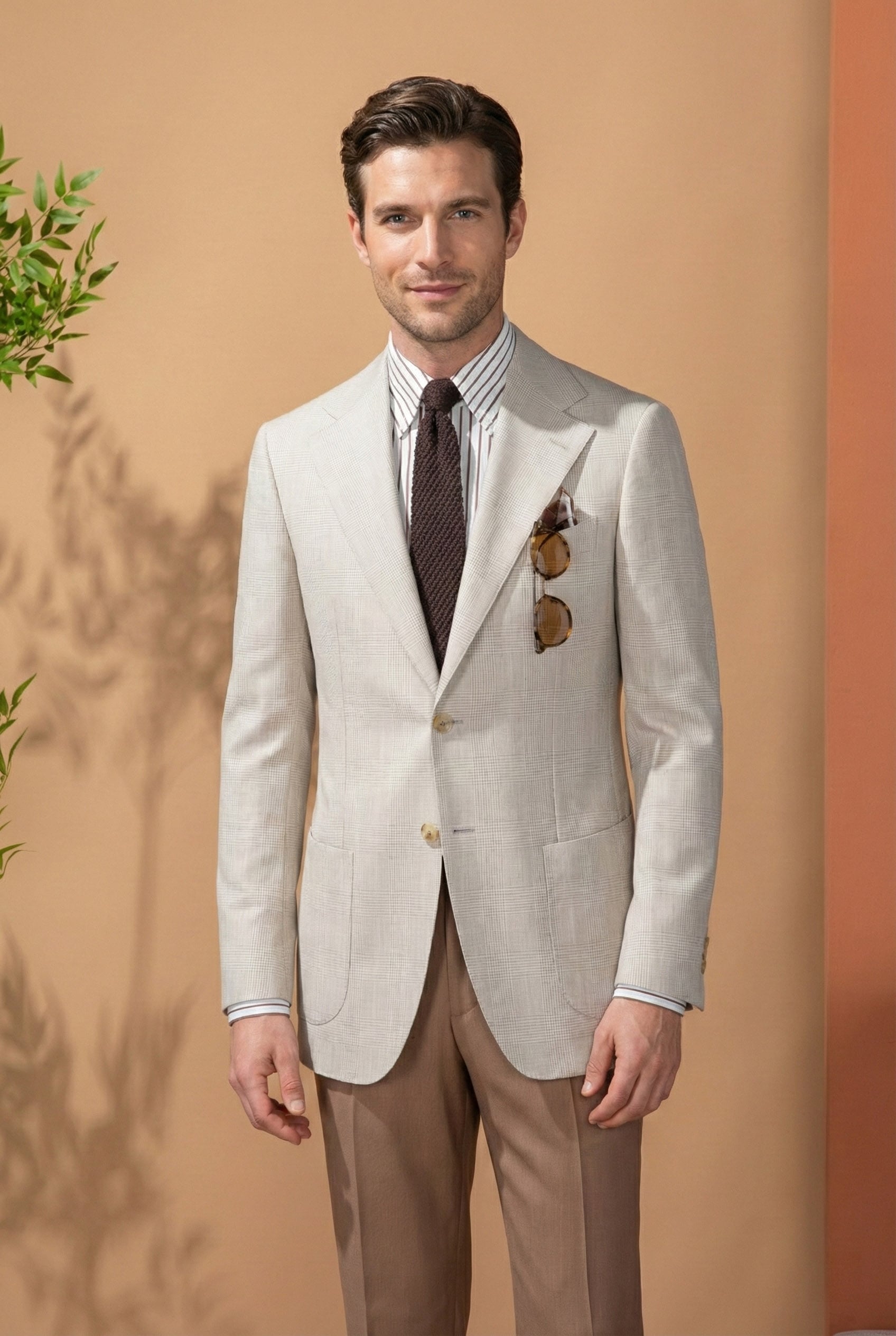
Vogue Business' June 15, 2026 menswear forecast described the coming Spring/Summer 2027 season as one of refinement rather than reinvention. Its key phrase was the new formality, a softer return to dressing up. Pitti Uomo 110, held in Florence from June 16 to 19, also keeps formal menswear visible through its Fantastic Classic section, which gathers names focused on an elegant and evolving men's wardrobe.
The message is clear enough. Formalwear is not disappearing. It is being rebuilt for real life.
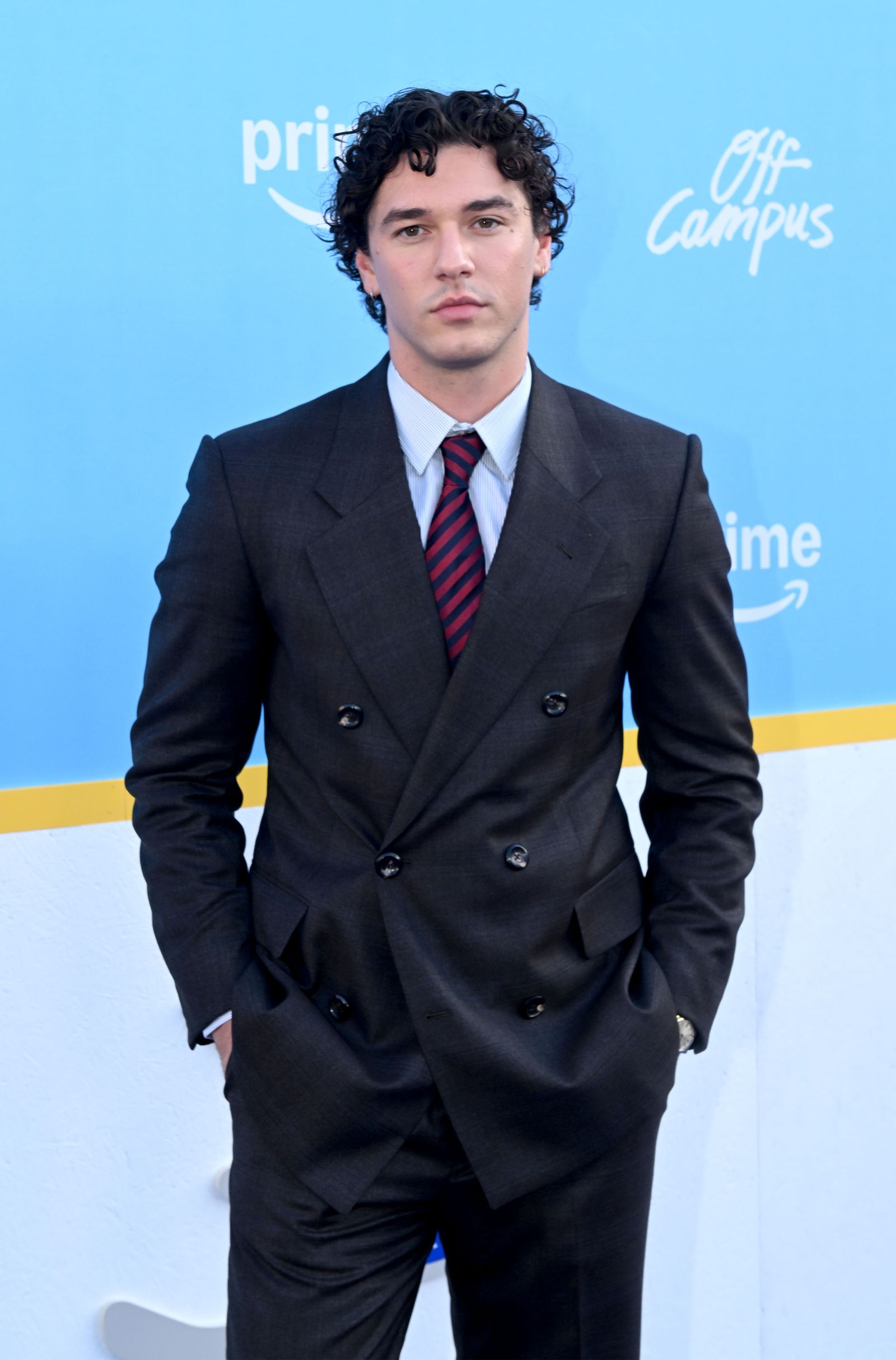
(图片来源于 Vogue Business)
The older suit was often tied to one narrow setting: office authority, ceremony, or strict dress code. The new version has to do more. It needs to work for business travel, dinner, weddings, client meetings, warm-weather commutes and polished everyday dressing.
That shift is visible in search behavior. Vogue Business cited Pinterest data showing strong growth in searches around men's formal wear color combinations, black striped suits, garden formal attire, modern gentleman styling and blue blazer combinations. Men are not only looking at suits. They are looking for outfit formulas that make formalwear easier to wear.
For custom suits and made-to-measure suits, this is an important change. The buyer is no longer asking only for a sharp shoulder or a classic navy suit. They are asking for confidence without stiffness, structure without discomfort, and personality without losing polish.
The word softer can be misleading. A relaxed suit is not easier to make simply because it looks less rigid. In many cases, it demands better judgment.
A lightweight blazer must keep its shape without feeling heavy. A trouser with a cleaner line must allow movement without collapsing at the knee. A shirt worn under a jacket must breathe, but it still has to hold a neat collar and cuff. These details decide whether relaxed tailoring looks intentional or simply unfinished.
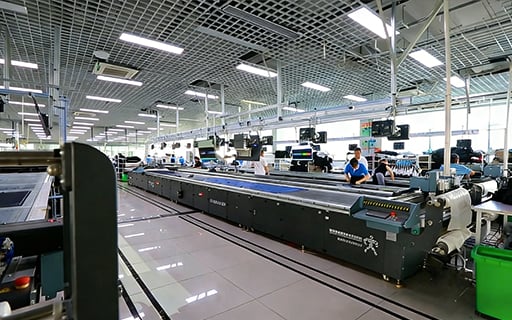
For a manufacturer, the trend becomes a sampling question. How does the fabric behave after cutting and pressing? Does the shoulder keep its line after wear? Can the same hand feel, drape and fit be repeated in bulk production?
Light Source Couture, operated by Suzhou Light Source Clothes & Accessories Co., Ltd. in Suzhou, China, sees this point as especially relevant for overseas buyers developing custom suits, tailored jackets, shirts and formalwear collections. A mood board can show the direction, but production discipline turns that direction into a product customers can actually trust.
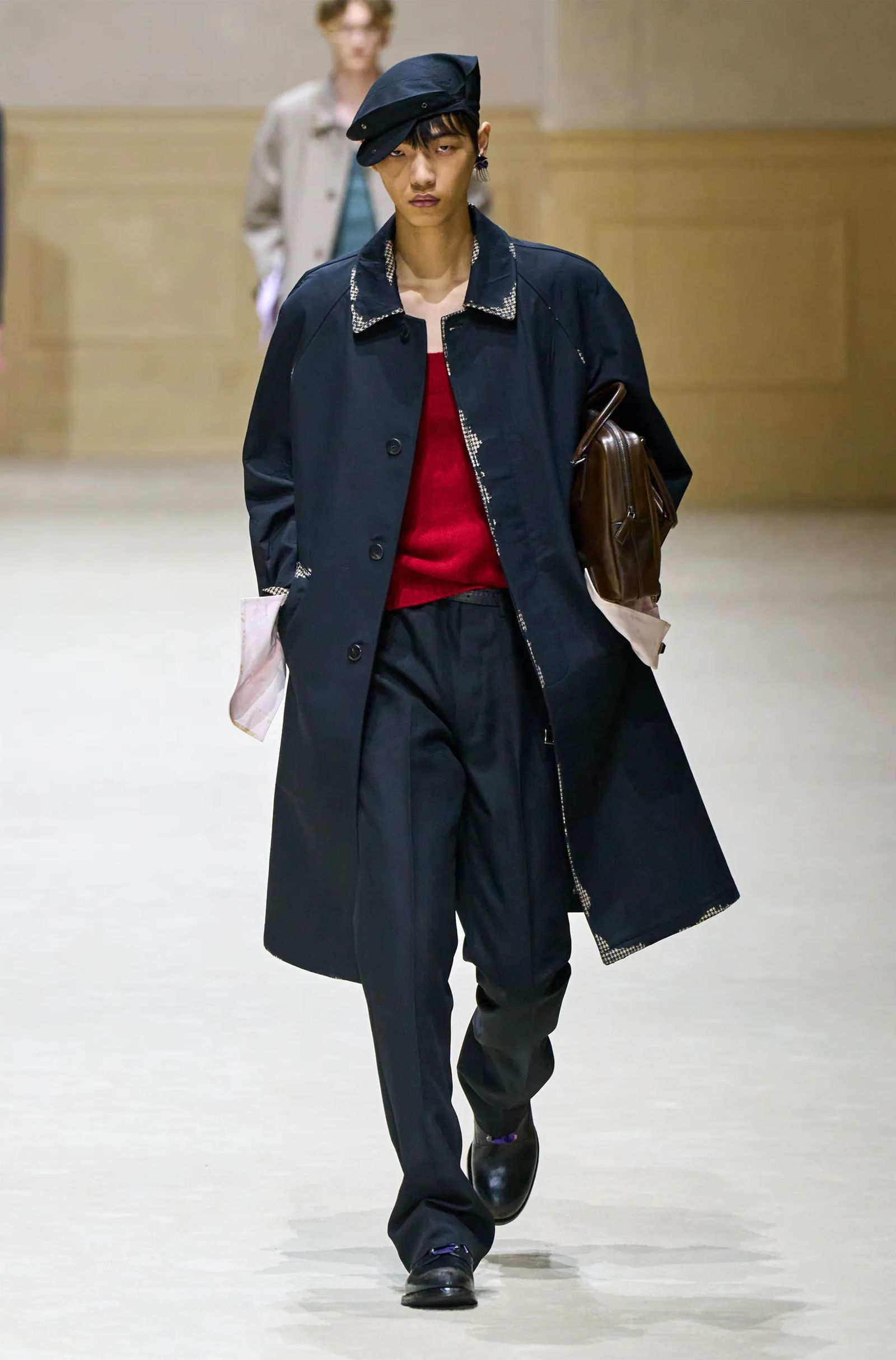
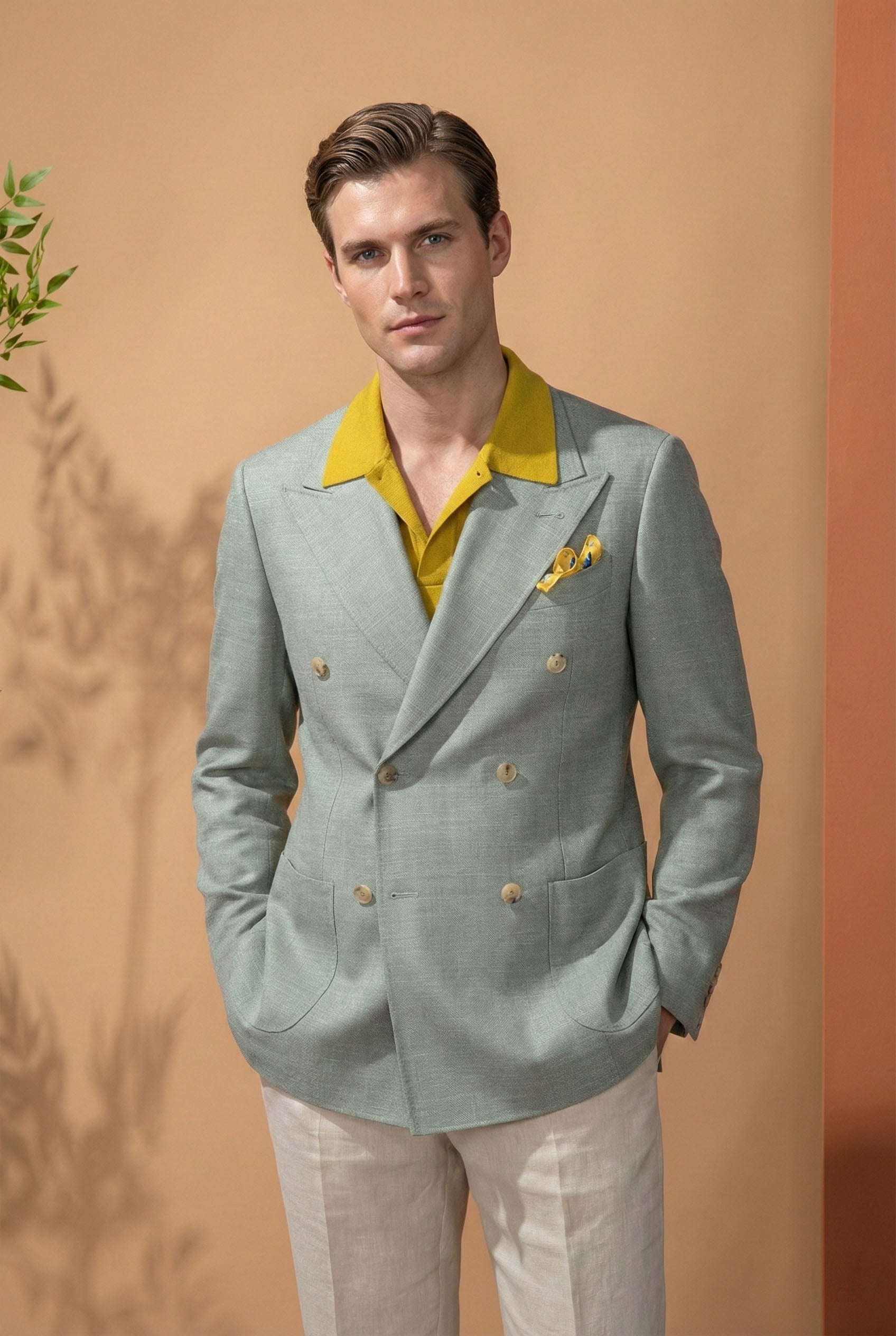
(图片来源于 Vogue Business)
One reason the new formality is commercially useful is that it can expand a wardrobe, not just sell one suit. A customer who once bought a dark formal suit for occasional use may now need a softer jacket, lighter trousers, a dress shirt, a textured overshirt, or an overcoat that moves between business and social settings.
This creates an opening for made-to-measure programs and private-label formalwear lines. A tailoring shop can build good-better-best options around fabric weight, lining choice, button selection, label design, shirt pairing and seasonal color. A menswear brand can test a small capsule before moving into wider OEM garment manufacturing.
But the opportunity only works if the system behind it is stable. Buyers need clear measurement confirmation, controlled revision rounds, reliable trim sourcing and production follow-up. A beautiful first sample is useful, but repeatability is what protects a business.
This is where a trend stops being a mood board and becomes a sourcing decision.
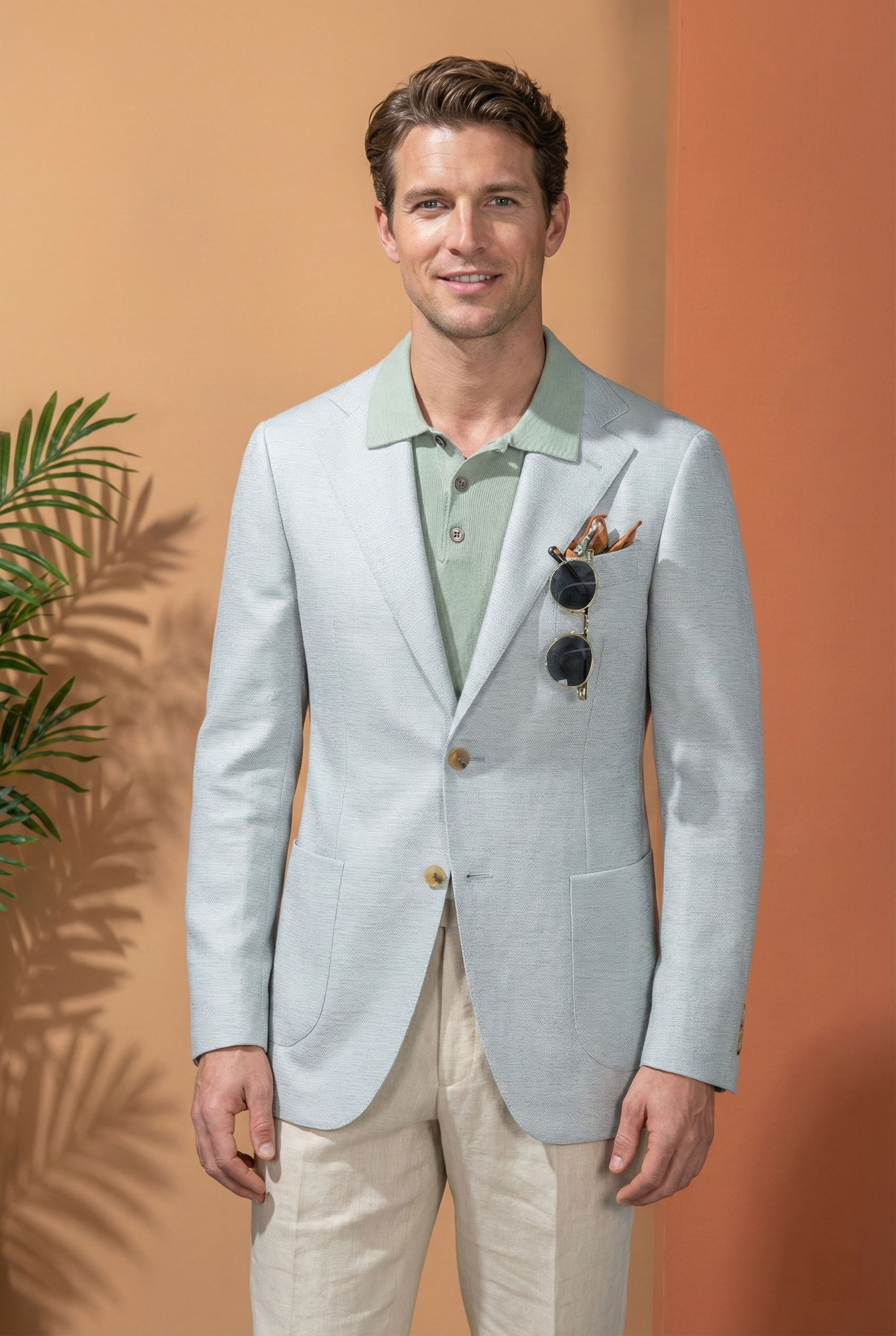
Vogue Business also noted that designers are responding to hotter summers and more travel-focused lifestyles with lighter fabrics, relaxed layering and versatile clothing that moves between work, leisure and holiday dressing. That matters for custom suit manufacturers because fabric choice now carries more of the product promise.
Wool blends, linen blends, cotton, synthetics and lightweight textured fabrics each solve a different problem. Some offer breathability. Some resist wrinkles better. Some create a cleaner drape. Some look good in a showroom but need careful testing after cutting, fusing, pressing and packing.
For buyers, the practical question is not only whether the fabric looks modern. It is whether the garment can survive the customer's real day.
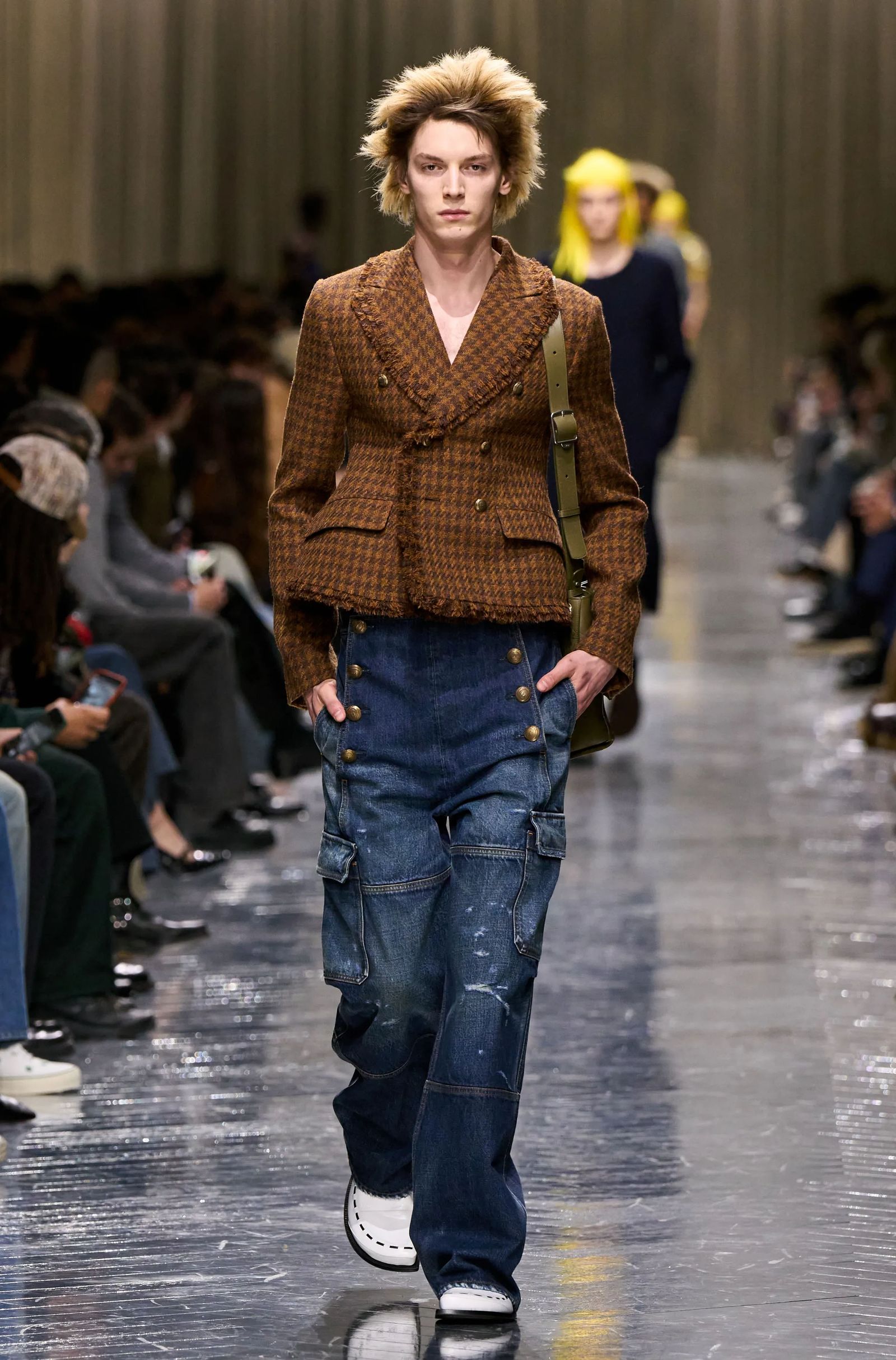
(图片来源于 Vogue Business)
McKinsey's 2026 fashion industry outlook points to pressure around value, efficiency, sourcing collaboration and AI-driven discovery. In that environment, buyers cannot afford product development that looks good in theory but fails in repeat orders.
For tailoring shops, the new formality is a chance to speak to customers who want to dress better but do not want old corporate stiffness. For private-label buyers, it is a chance to build formalwear that feels current without chasing short-lived runway noise. For OEM projects, it is a reminder that construction, fabric testing and communication rhythm matter as much as silhouette.
Our team believes the strongest custom suits in the next stage will not be the loudest ones. They will be the suits that feel natural in more parts of a customer's life, while still carrying the precision expected from tailoring.
The new formality is not a rejection of the suit. It is a request for a better one.
For manufacturers and buyers, that is a useful request. It asks everyone involved to think more carefully about fit, fabric, comfort, repeatability and the quiet confidence that good formalwear is supposed to give.
CTA: If your brand, tailoring shop or private-label program is developing custom suits, made-to-measure suits, tailored jackets or formalwear collections for the new formality era, Light Source Couture can support sampling, fabric selection, trims, OEM garment manufacturing and bulk production follow-up from Suzhou, China.
 Hot News
2026-09-07
2026-06-23
2026-06-22
2026-06-04
2026-04-23
2026-03-23
Room 610, Building 1, Lvjing Business Plaza, Yuexi Sub-district, Wuzhong Economic Development Zone, Suzhou
Copyright © 2026 Light Source Couture. All rights reserved. Privacy Policy

 EN
EN