×
×
Article Summary: Series 2 of the Pitti Uomo 110 coverage moves from trend interpretation to factory preparation. The article explains why lighter formalwear, softer tailoring, wardrobe-based menswear and experimental materials all create new sampling, fabric testing, trim selection and production-planning requirements for custom suits, made-to-measure suits, tailored jackets and OEM garment manufacturing projects.
A trade-show trend looks clean from a distance.
On a factory table, it becomes less romantic. A lighter jacket becomes a question about shoulder stability. A softer suit becomes a question about interlining. A new formalwear mood becomes a list of swatches, trims, measurements, test samples and production notes.
That is where Series 2 of our Pitti Uomo 110 coverage begins.
In Series 1, we looked at the main signal from Florence: formalwear has not disappeared, but it is returning in a lighter, more contemporary and more wearable form. Pitti Uomo 110 still gave formal menswear a visible room through Fantastic Classic, while the broader fair connected tailoring with movement, daily pieces, outdoor influence, technical design and more experimental material ideas.
For buyers, that is a market signal. For a manufacturer, it is a preparation signal.
At Light Source Couture, operated by Suzhou Light Source Clothes & Accessories Co., Ltd. in Suzhou, China, this is the part we watch carefully. A buyer may bring inspiration from Pitti Uomo 110, but custom suits, made-to-measure suits, tailored jackets and formalwear collections only become real business when the sample can be tested, revised and repeated.
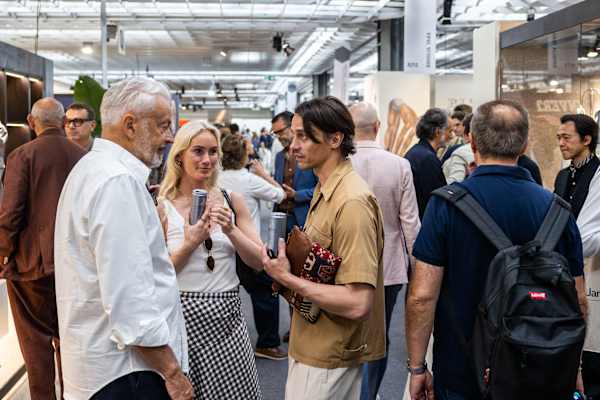
(图片来源于 Pitti Immagine Uomo)
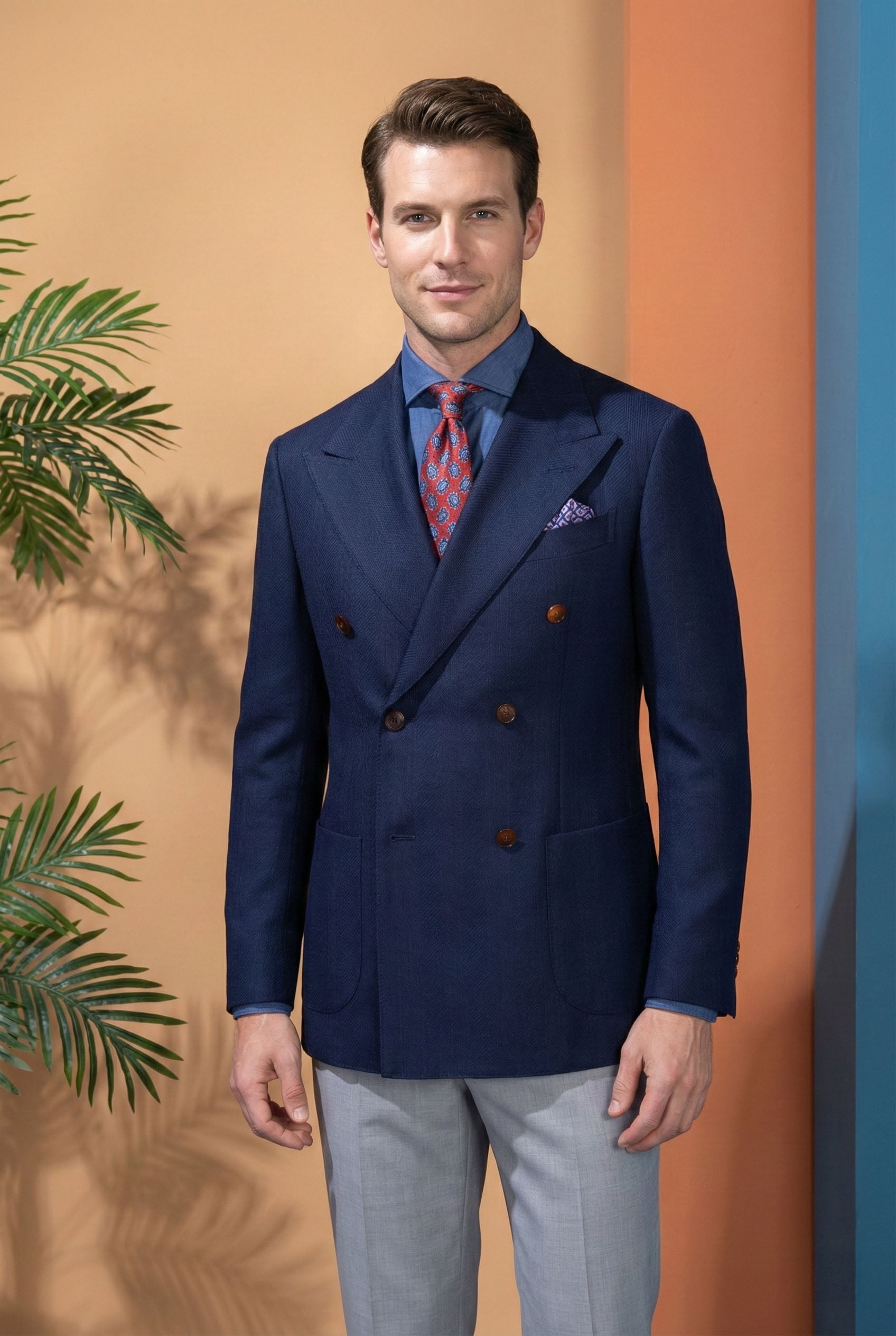
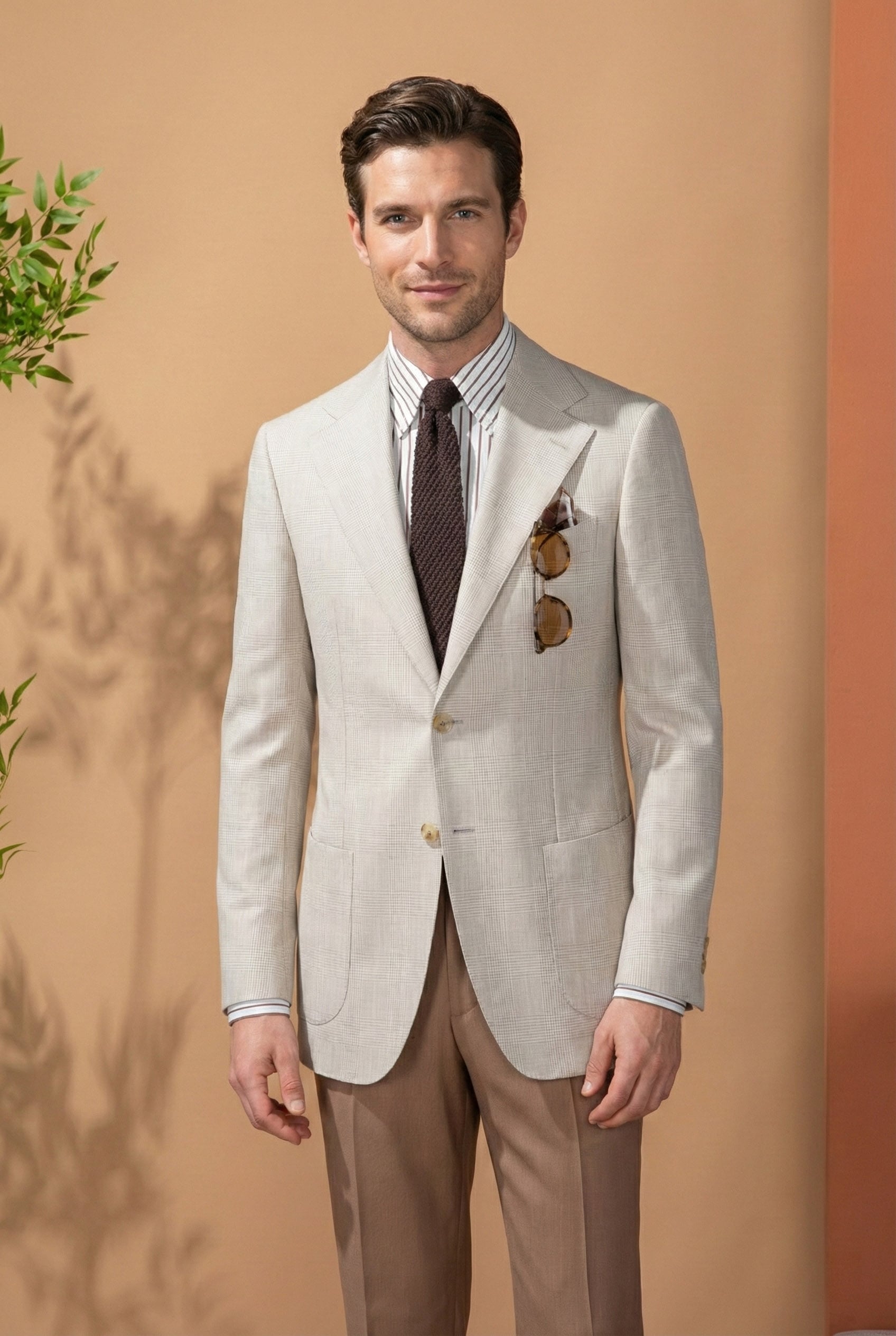
Pitti Uomo 110 used “The Pitti Pool” as its summer theme, with an official visual direction built around a dark, elegant and lightweight suit. That one word, lightweight, is where many sampling problems begin.
Lighter formalwear can look effortless in a picture. In production, it has to survive cutting, fusing, sewing, pressing, fitting and daily wear. A wool blend may feel beautiful in hand but lose shape after pressing. A linen blend may drape well but wrinkle too quickly for a businesswear customer. A soft fabric may make a tailored jacket more relaxed, but it may also weaken the front body if the interlining is not chosen carefully.
For custom suits and made-to-measure suits, fabric testing should not wait until the bulk order. It should begin before the first serious sample is approved.
A factory team needs to check hand feel, shrinkage, color consistency, pressing behavior, recovery after movement and whether the fabric can hold the intended silhouette. For OEM garment manufacturing, this is not a technical footnote. It is the difference between a trend-led sample and a product that can be delivered repeatedly.
When buyers ask for softer formalwear, we hear a second question underneath: can the softer look still carry enough discipline?
Modern formalwear is becoming more flexible. A suit may need to work with a shirt, a knit polo or a light overcoat. A tailored jacket may sit between business dressing and weekend travel. A made-to-measure suit may need to feel polished without looking like an old office uniform.
That means sampling cannot only test the front view.
The sample has to test shoulder balance, sleeve pitch, collar behavior, lapel roll, chest shape, trouser recovery, lining choice and the way the garment behaves after a wearer sits, walks and moves. If a tailored jacket looks good only when standing still, it is not ready for the customer Pitti is pointing toward.
This is especially important for overseas tailoring shops and private-label formalwear buyers. Their clients may not describe a technical problem clearly. They may simply say the jacket feels too stiff, the trousers feel too loose, the shirt pulls under the arm, or the suit does not feel modern.
Those comments usually begin in sampling.
For Light Source Couture, the practical response is to treat each custom suit or tailored jacket sample as a decision filter. The goal is not to approve the first version quickly. The goal is to remove uncertainty before bulk production.
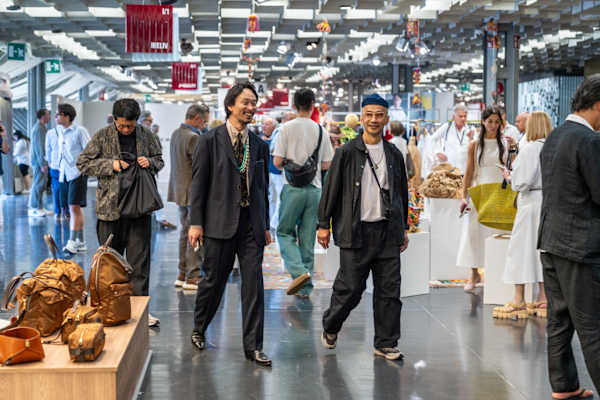
(图片来源于 Pitti Immagine Uomo)
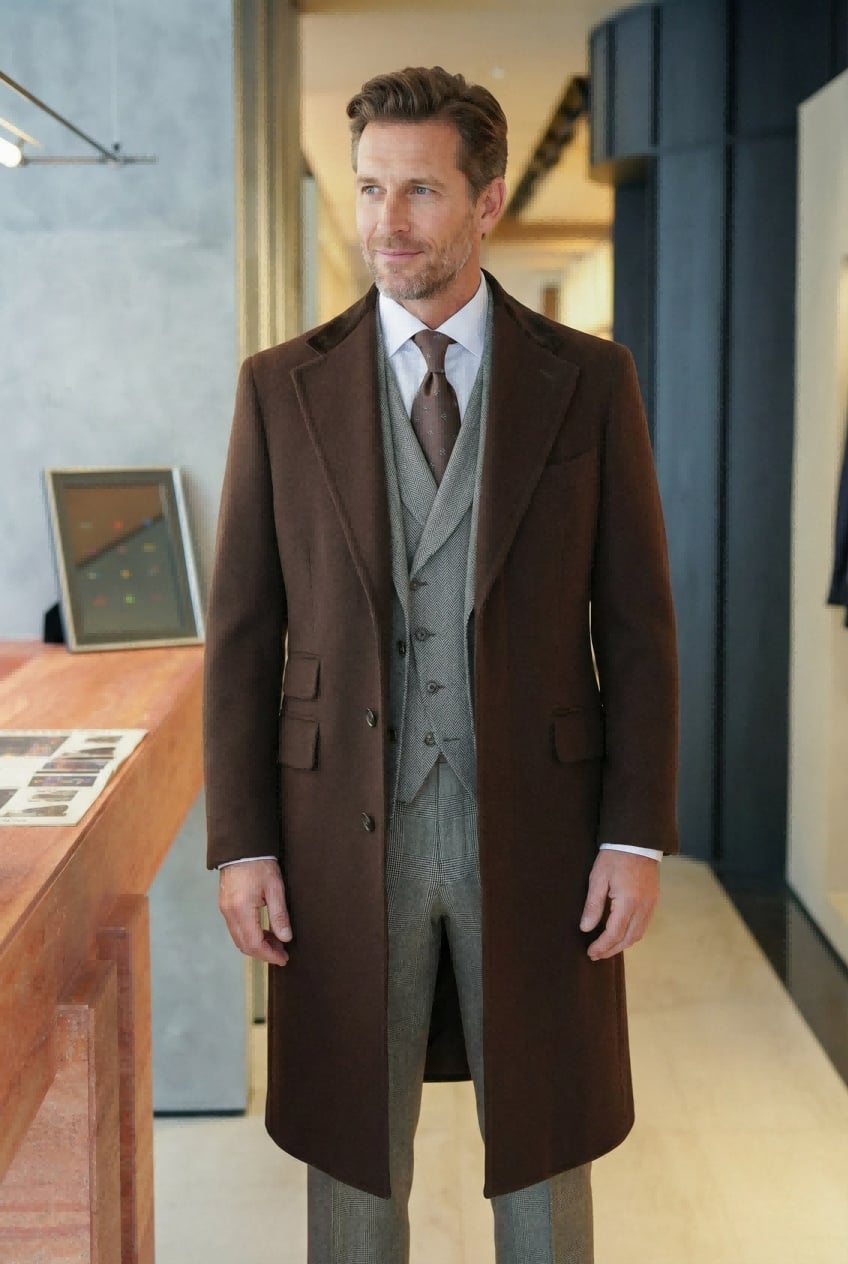
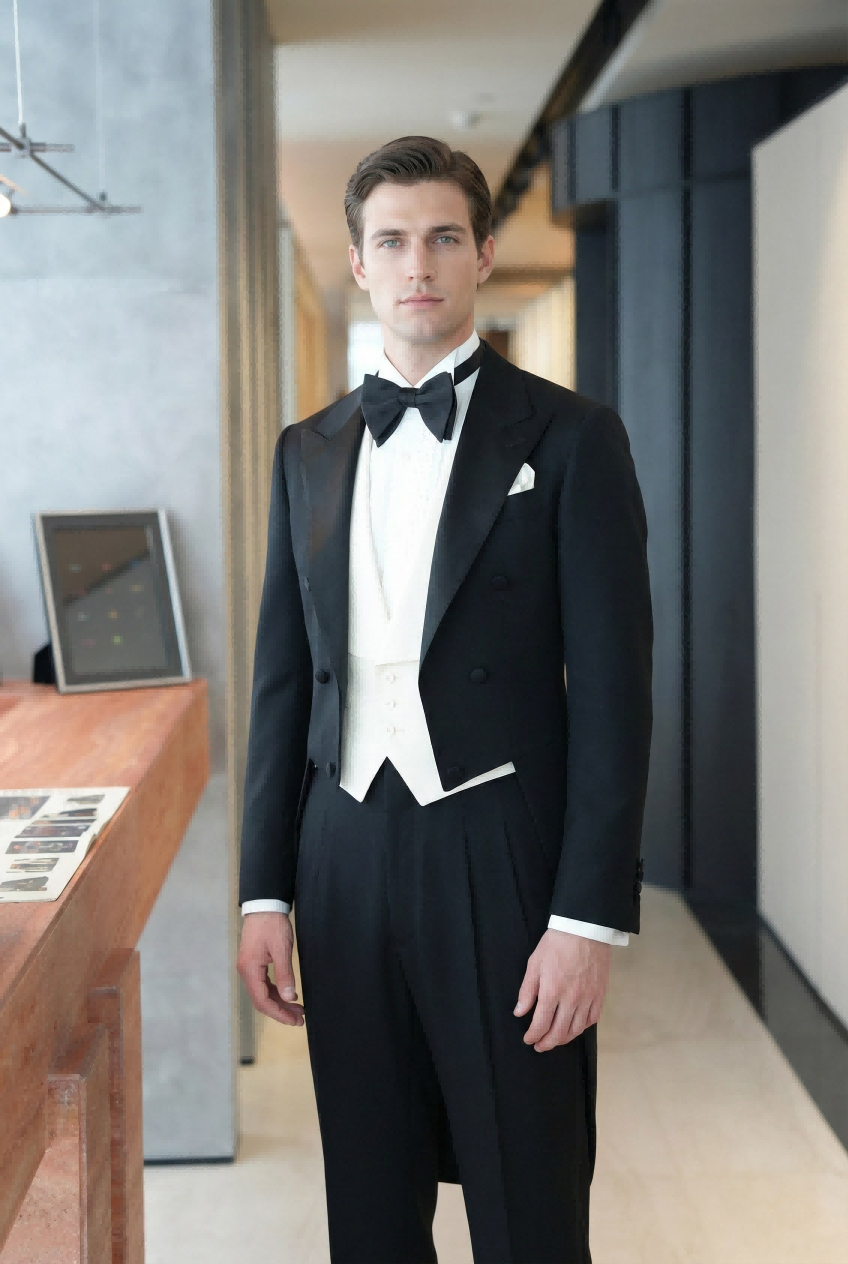
Pitti Uomo 110 did not show formalwear as a single isolated category. Its sections connected Fantastic Classic with Futuro Maschile, Dynamic Attitude, Superstyling and I Go Out. SUNFLOWER, presented with Copenhagen Fashion Week, also placed tailoring beside denim, leather, knitwear and daily pieces.
For factories, this wider wardrobe logic changes preparation.
If formalwear is no longer just a strict suit, then trims and construction choices need to support different usage scenarios. A tailored jacket for travel may need lighter shoulder pads, softer canvas, breathable lining and buttons that feel refined but not too ceremonial. A made-to-measure suit for a modern store may need multiple lining options, horn-look buttons, cleaner labels and packaging that supports a premium but approachable brand image.
This is where OEM garment manufacturing becomes more than sewing capacity.
The factory must prepare trim libraries, lining options, button references, label positions, hang tags, packaging choices and sample notes before the buyer is forced to make decisions under deadline pressure. For private-label buyers, these small details shape the final brand experience. For new tailoring-store founders, they often decide whether the first product line feels coherent or improvised.
A trend may begin with silhouette, but a brand is often remembered through details.
The special projects at Pitti Uomo 110 also pushed menswear into more experimental territory. JiyongKim, for example, connected garment structure with movement, natural fading and the idea that clothing changes over time. This kind of concept may not be copied directly into a commercial custom suits program, but it changes what buyers notice.
They may become more interested in texture, washed effects, irregular surfaces, vintage-inspired fabrics or materials that feel less conventional.
That can be exciting. It can also be risky.
Experimental fabrics and finishes need clearer production notes than standard materials. If the surface changes from roll to roll, the buyer must know before sampling. If the fabric reacts differently to steam, pressing or fusing, the sample room must record it. If a texture looks attractive but is difficult to cut consistently, the pattern and cutting plan need adjustment.
For made-to-measure suits and tailored jackets, inconsistency can damage trust quickly. A client who orders from a swatch expects the finished garment to feel close to the approved sample. If the second order looks noticeably different from the first, the buyer may lose confidence even when the design idea was strong.
This is why production preparation must include fabric cards, test comments, approved sample references, measurement records and clear communication before bulk orders begin.
One lesson from Pitti Uomo 110 is that the new formalwear direction is not only a design question. It is also a communication question.
Buyers should not wait until after a sample fails to explain the target customer, selling price, wearing occasion, climate, styling direction and repeat-order expectations. The factory needs that information early because it affects fabric sourcing, pattern development, interlining choice, trims and packaging.
For example, a custom suit for a hot-weather market may need a different lining and shoulder construction from a custom suit for a cooler city market. A tailored jacket intended for travel may need stronger recovery and less fragile fabric behavior. A formalwear capsule for a new store may need fewer styles but better-controlled options, so the buyer can explain the offer clearly to customers.
In OEM garment manufacturing, early clarity saves time later.
It helps the factory decide which fabrics are worth sampling, which construction approach is realistic, which trims support the brand, and which details should be locked before production. It also protects the buyer from approving a beautiful sample that cannot be repeated at scale.
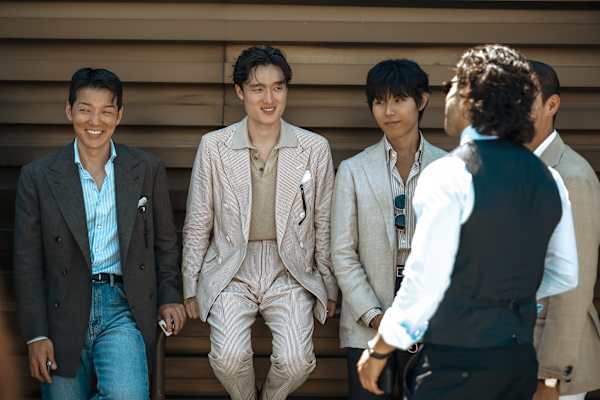
(图片来源于 Pitti Immagine Uomo)
Pitti Uomo 110 showed that formalwear is moving, not fading. But movement creates work.
For custom suits, made-to-measure suits, tailored jackets and formalwear collections, the next opportunity will not come only from choosing a softer silhouette or a lighter fabric. It will come from preparing those choices well enough that they can survive real sampling, real fitting and real production.
That means testing fabrics earlier. It means treating samples as risk filters. It means planning trims and construction around the whole wardrobe, not only the suit. It means recording material behavior, fit corrections and approved details so the second order can stay close to the first.
For overseas buyers, this is the practical meaning of the Pitti signal.
The trend may begin in Florence, but the trust is built at the factory table.
This is Series 2 of our Pitti Uomo 110 coverage. Series 1 explained why formalwear is returning in a new way; Series 2 shows why that return makes sampling, fabric testing and production preparation more important for every serious formalwear buyer.
CTA: Series note: This is Series 2 of our Pitti Uomo 110 coverage. Series 1 explained why formalwear is returning in a new way; Series 2 shows how that shift affects sampling, fabric testing and production preparation. For overseas tailoring shops, private-label formalwear buyers and new store founders, Light Source Couture can support custom suits, made-to-measure suits, tailored jackets, shirts, overcoats and OEM garment manufacturing projects from concept review and sampling to fabric testing, trim confirmation and bulk production. Visit https://www.liscour.com to discuss your next formalwear development plan.
 Hot News
2026-09-07
2026-06-23
2026-06-22
2026-06-04
2026-04-23
2026-03-23
Room 610, Building 1, Lvjing Business Plaza, Yuexi Sub-district, Wuzhong Economic Development Zone, Suzhou
Copyright © 2026 Light Source Couture. All rights reserved. Privacy Policy

 EN
EN