×
×
Article Summary: TOTEME's official FW26 Men's Collection sign-up and reports of an August 2026 debut create a useful case study in fashion brand extension. This article looks beyond unconfirmed product predictions to examine how a recognizable womenswear language must be translated through wardrobe architecture, men's pattern development, fabric selection, sampling, channel planning and repeatable production.
A buyer can recognize a strong brand before seeing the label.
The shoulder line feels familiar. The fabric has the same restraint. A coat, a shirt and a pair of trousers seem to belong to one wardrobe rather than three separate product meetings. That kind of recognition is difficult to build in one category. Carrying it into another is harder.
That is why the reported launch of TOTEME menswear matters beyond one new collection.
TOTEME now has an official sign-up page for its FW26 Men's Collection. Puck reported on June 16 that the Stockholm-based fashion house was preparing to enter menswear, and FashionUnited subsequently reported that the first offer is expected in August 2026 across ready-to-wear, footwear and accessories. The brand has not yet published a detailed product list on its official menswear page, so predictions about specific jackets, suits or fabrics would be premature.
The more useful question is already visible: how does a brand with a clear womenswear identity enter menswear without becoming either a copy of itself or a generic men's label?
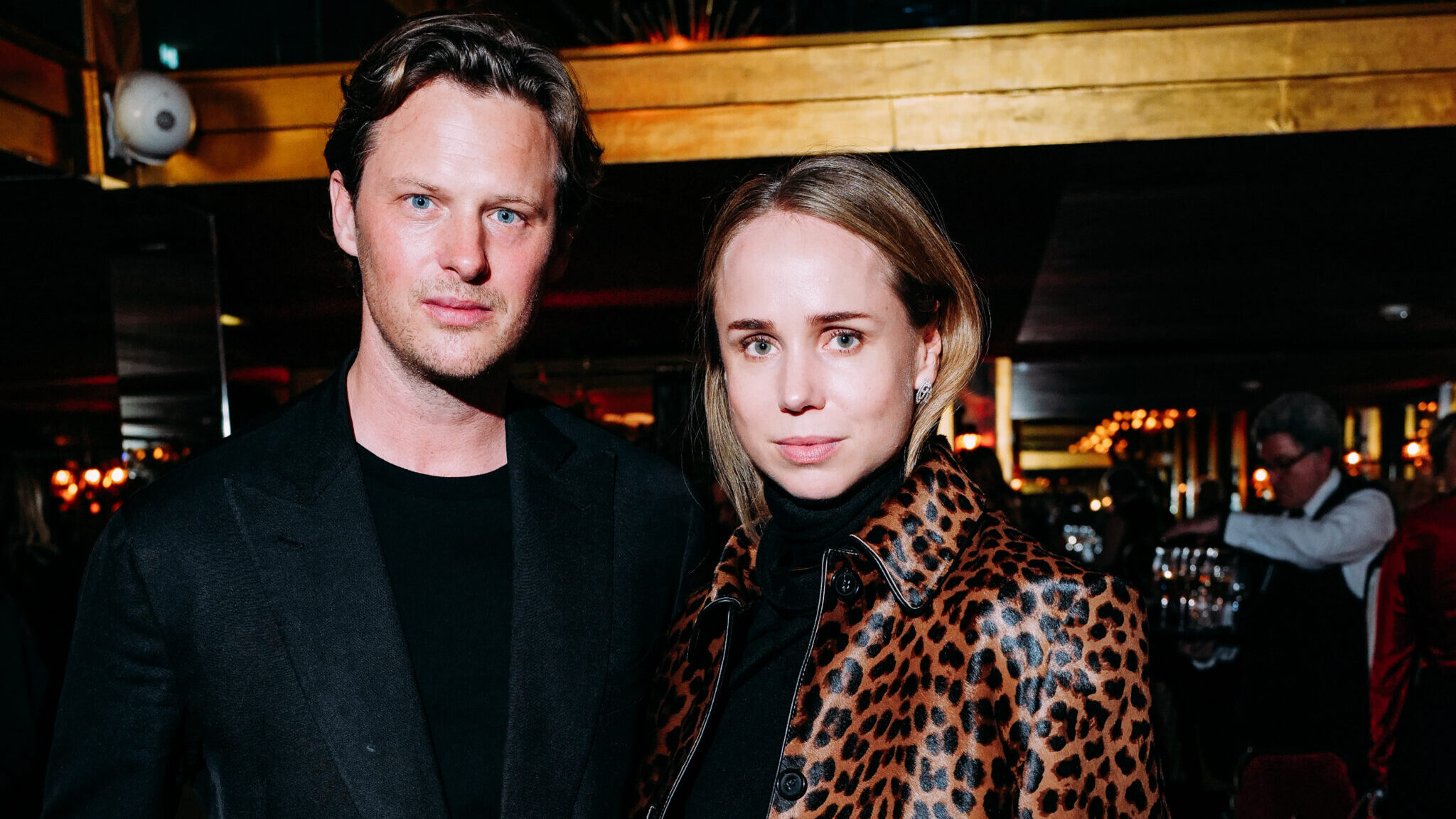
(图片来源于 Puck;仅作研究参考)
TOTEME was founded in 2014 by Elin Kling and Karl Lindman. Altor, a minority investor since 2021, describes the company as a fashion house built around distinct silhouettes, elevated fabrics, perfected cuts and focused wardrobe essentials. It also highlights a high share of recurring styles, limited seasonal risk and a balance of digital, physical retail and selective wholesale distribution.
Those details explain why menswear is not simply an exercise in adding larger sizes.
A wardrobe brand depends on relationships between products. The coat has to work with the knitwear. The tailored jacket has to make sense beside the trousers, shirt, shoes and accessories. Price, color, fabric weight and silhouette must guide a customer through the collection without making every piece look identical.
For an emerging private-label brand, this is one of the first lessons worth taking from the news. A debut collection does not need dozens of unrelated styles. It needs a clear product hierarchy: the items that introduce the brand, the items that create outfits, and the items that customers can return to in later seasons.
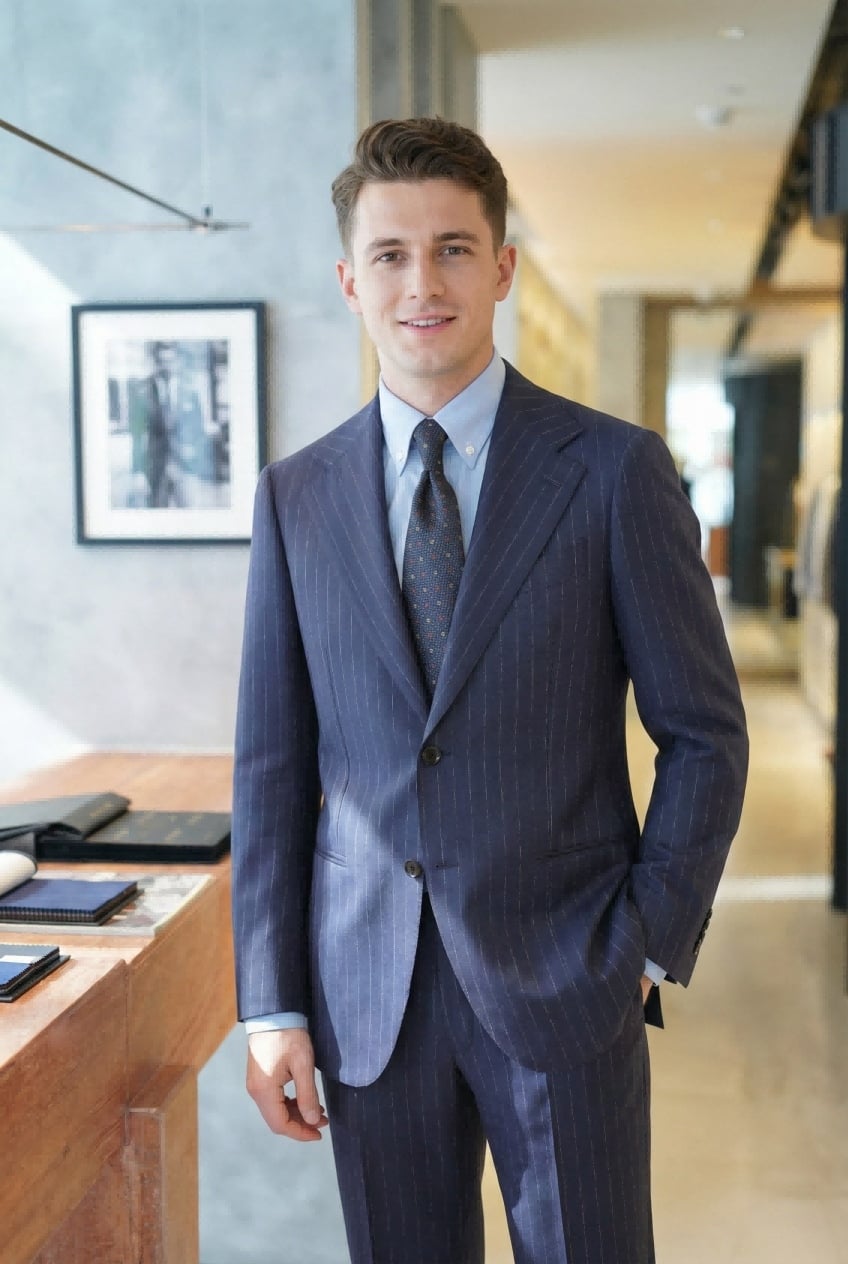
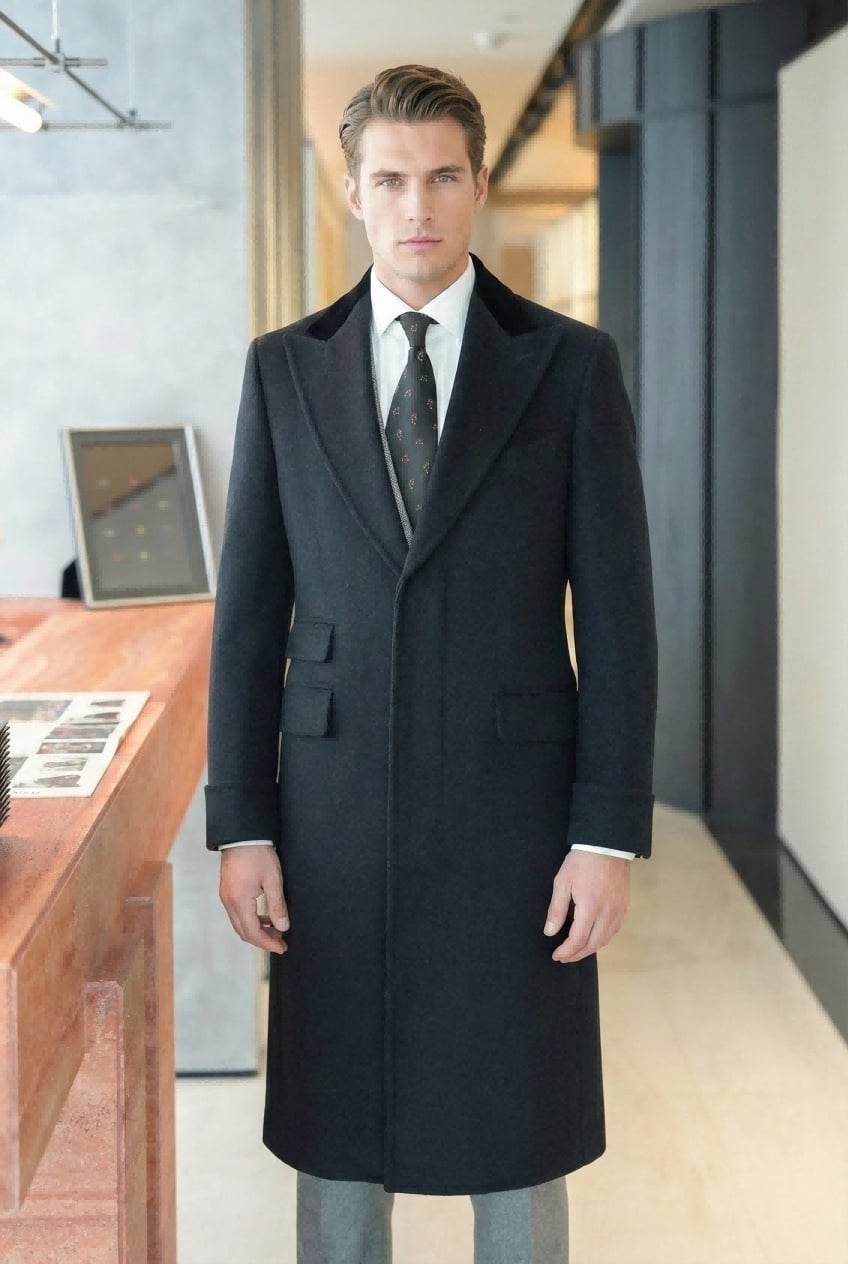
That may mean beginning with a disciplined capsule rather than a crowded catalogue. In custom suits and made-to-measure suits, the same principle applies. A strong offer can be built around a few controlled jacket blocks, trouser shapes, shirts, overcoats, fabrics and trim choices that create variety without making production unstable.
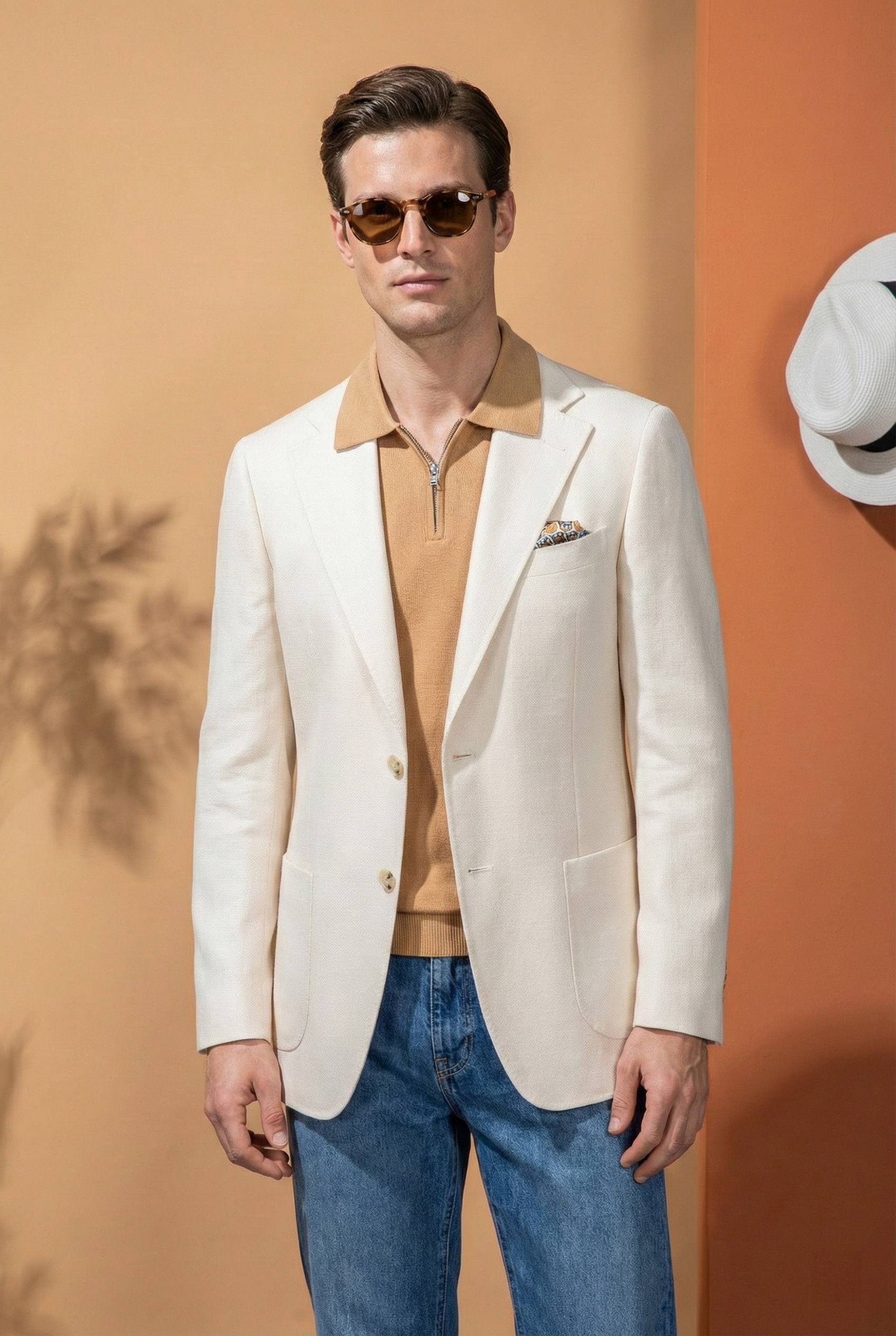
The temptation in a category expansion is to transfer the visible signs of the existing business: the same palette, the same campaign mood, perhaps the same recognizable fabric. But a men's collection succeeds or fails deeper in the garment.
Proportion changes. Balance changes. Armhole depth, shoulder expression, jacket length, trouser rise and the relationship between ease and shape all need fresh pattern decisions. Even a deliberately relaxed tailored jacket must look intentional on the body. If the pattern is simply enlarged, the result usually feels vague rather than calm.
This is where a clear creative brief has to meet technical development.
Before sampling begins, a buyer and an OEM garment manufacturing partner need to agree on the customer, wearing occasion, price position and desired fit. Is the jacket meant for a formalwear customer, a creative office wardrobe or travel? Should the trousers hold a clean line or feel softer through movement? Is the overcoat a statement piece or a repeatable core item?
Without those answers, a minimalist collection can become surprisingly noisy. Every sample may look acceptable on its own while the range fails to feel like one brand.
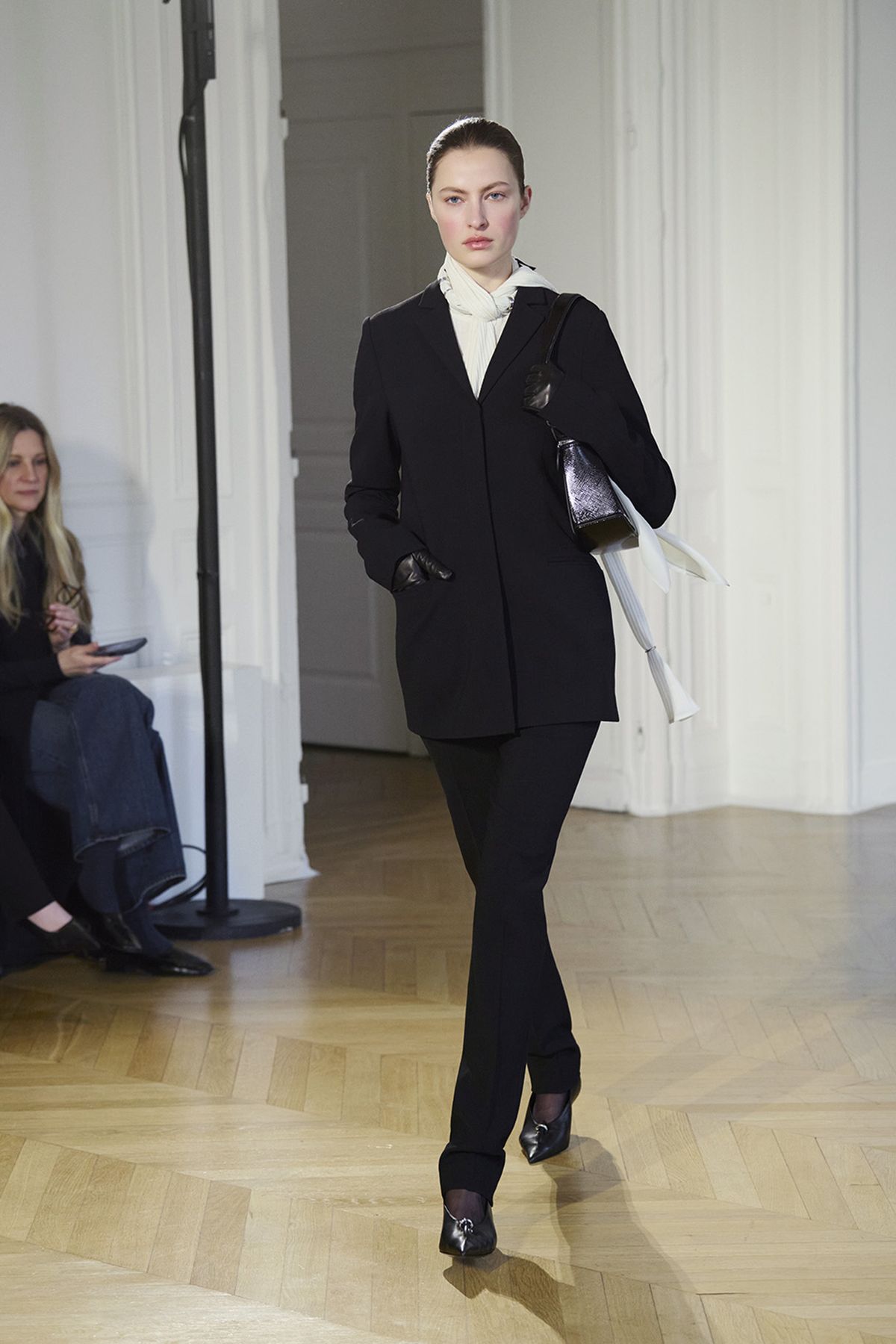
(图片来源于 Vogue Runway / TOTEME Fall 2026 womenswear;仅作研究参考)
Altor's description of TOTEME repeatedly returns to elevated fabrics and refined cuts. That combination matters because clean design leaves materials with nowhere to hide.
On an embellished garment, decoration can dominate the first impression. On restrained tailoring, customers notice drape, surface, hand feel, pressing quality and how the garment returns after wear. A small difference in wool weight can change the entire jacket. A lining that feels too rigid can undermine an otherwise soft silhouette. A button that is slightly too glossy can make a premium piece feel less resolved.
For custom suits, shirts and overcoats, fabric selection therefore needs to happen alongside pattern and construction decisions. It is not enough to approve a swatch under showroom light. Sampling needs to test shrinkage, fusing, pressing response, seam behavior, color consistency and movement on the body.
The same discipline matters when a brand wants recurring wardrobe essentials. A first sample can look excellent with one small fabric lot. The commercial test is whether the material, trims and construction can remain consistent through bulk production and repeat orders.
That is where supplier communication becomes part of brand building. A dependable manufacturing partner should be able to record approved fabrics, interlinings, linings, buttons, measurements and finishing details clearly enough that the next order does not begin from memory.
Vogue Business reported that TOTEME reached EUR 180 million in annual sales in 2024 and had been expanding its international store network, including a first flagship in China. The same report described a balanced geographic footprint and a distribution mix divided between direct-to-consumer and wholesale.
Menswear therefore arrives within a broader growth system, not as an isolated experiment. It can give existing stores a new customer, increase the value of retail space and create new wholesale conversations. It can also expose weaknesses quickly.
More categories mean more fit blocks, size grading, fabric commitments, trim combinations, merchandising decisions and delivery dependencies. Footwear and accessories add their own development calendars. A launch that looks coherent in a campaign can become fragmented if samples arrive at different times or if one product group cannot be repeated at the expected quality.
For smaller brands, the practical response is not to imitate the scale of an established company. It is to sequence the work.
Confirm the category architecture first. Develop the core fit and fabric direction next. Use sampling to remove weak ideas, not merely to produce sales images. Then lock the bill of materials, tolerances, packaging and reorder records before expanding the offer.
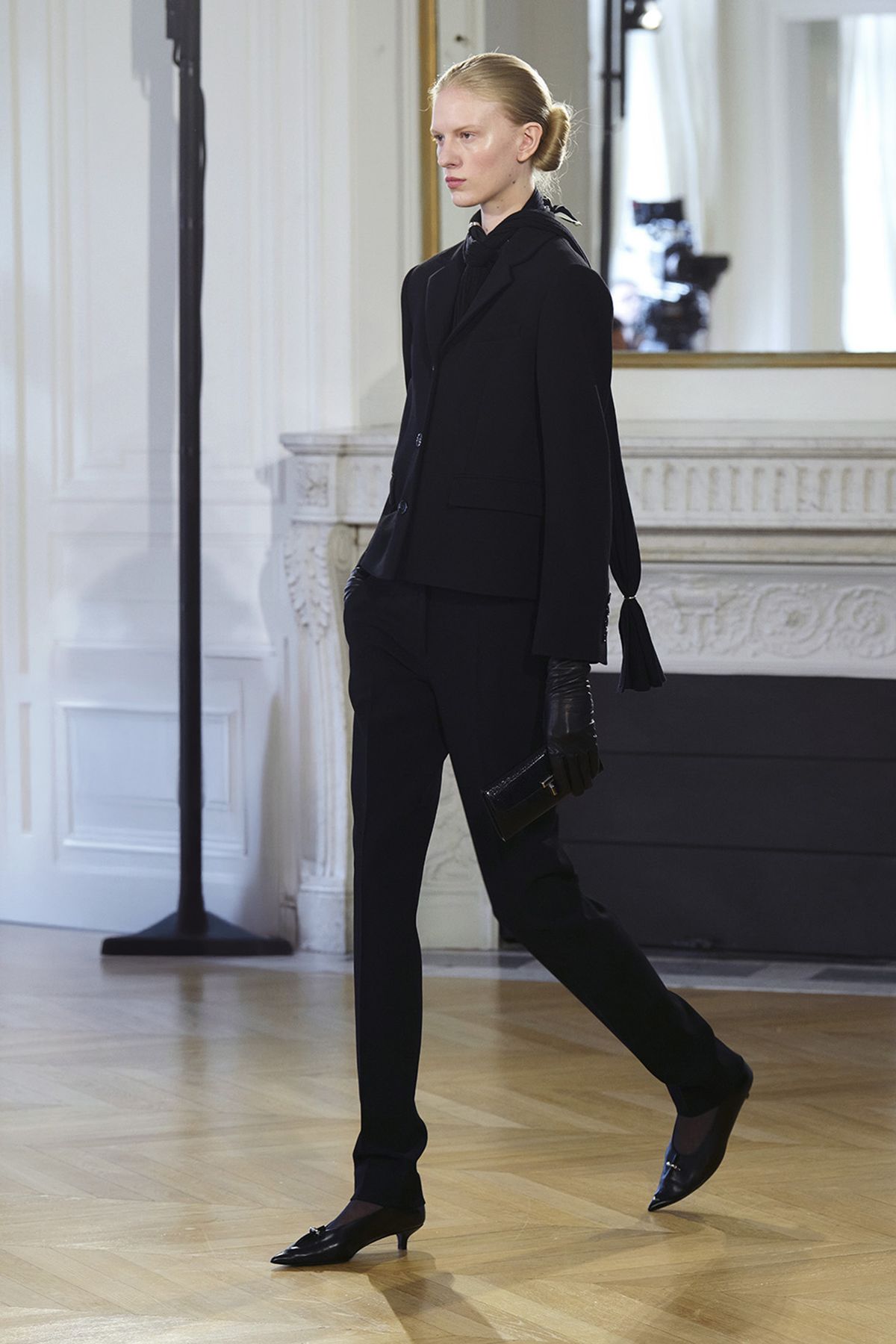
(图片来源于 Vogue Runway / TOTEME Fall 2026 womenswear;仅作研究参考)
The attention around a menswear debut will naturally focus on the first images and products. From a production perspective, however, the more revealing moment comes later.
Which pieces earn repeat orders? Which fit comments appear across markets? Which fabrics survive real wear? Can the supplier reproduce the approved hand feel and construction? Can the brand add new colors or materials without losing the shape customers recognized?
These questions turn a launch into a business.
At Light Source Couture, operated by Suzhou Light Source Clothes & Accessories Co., Ltd. in Suzhou, China, we see category development as a chain rather than a single sample. For overseas tailoring shops and private-label buyers, our work across custom suits, made-to-measure suits, men's and women's suits, shirts, overcoats, fabric customization and trims/accessories customization begins with defining the product clearly. It continues through pattern development, sampling, fit revision, material confirmation, bulk production and repeat-order control.
TOTEME's reported move into menswear is compelling because the brand already has something many new labels are still trying to find: a recognizable point of view. The next test is whether that point of view can be translated into men's products, sizes, fabrics and buying habits without losing its precision.
For any brand entering a new category, that is the real work. The launch creates attention. A coherent wardrobe earns trust. Repeatable production is what allows both to last.
CTA: Planning a menswear capsule, custom suit program or private-label category expansion? Light Source Couture supports overseas buyers from product definition and fabric selection through pattern development, sampling, fit revision, trim confirmation, bulk production and repeat-order control. Visit https://www.liscour.com to discuss a focused development plan.
 Hot News
2026-09-07
2026-06-23
2026-06-22
2026-06-04
2026-04-23
2026-03-23
Room 610, Building 1, Lvjing Business Plaza, Yuexi Sub-district, Wuzhong Economic Development Zone, Suzhou
Copyright © 2026 Light Source Couture. All rights reserved. Privacy Policy

 EN
EN