×
×
Article Summary: Atlanta Apparel and Formal Markets are bringing bridal, prom, quinceanera, accessories, men's formalwear and buyer education into one sourcing environment. The organizer's materials do not prove an industry-wide shift, but they do reveal a practical direction: formalwear retailers increasingly benefit from planning around the whole occasion, including groups, coordinated products and fixed delivery dates. This article examines what that means for store assortment, wedding-party orders, made-to-measure operations and reliable formalwear manufacturing.
A formalwear customer may enter a store asking for one dress or one suit. The business opportunity around that customer is rarely limited to one garment.
A wedding can involve a groom, groomsmen, bridesmaids, mothers, flower girls and guests. A quinceanera brings its own group, color story and delivery date. Prom and homecoming shoppers may add shoes, jewelry, bags or alterations. The product on the hanger matters, but so does the retailer's ability to assemble a complete occasion and deliver every part on time.
That is the useful signal coming from Atlanta Apparel and Formal Markets. It is not proof that the entire formalwear industry has already abandoned single-item selling. The available material is largely organizer information, and no official August 2026 post-show transaction figures were found at the time of writing. What the market does show clearly is where its organizers and exhibitors are placing attention: cross-category sourcing, bridal-party coordination, quinceanera growth, accessories, buyer education and easier navigation between product groups.
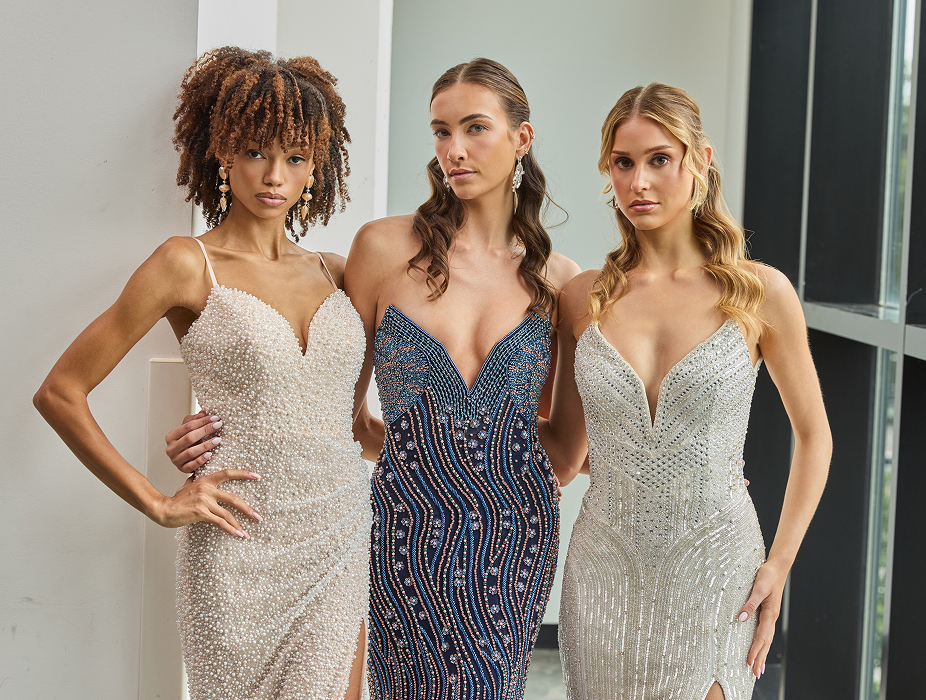
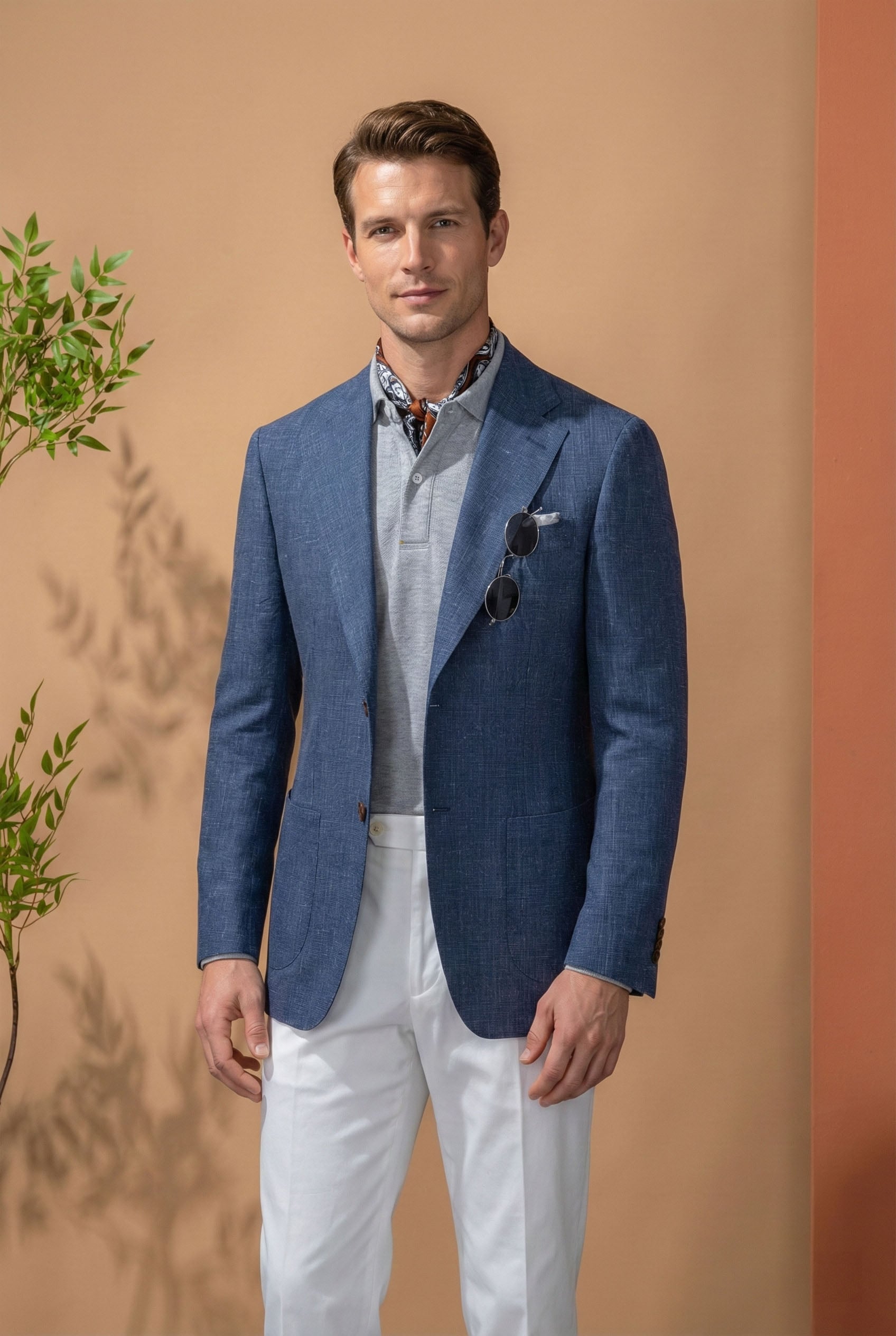
(图片来源于 Atlanta Apparel / Formal Markets official site;仅供研究参考)
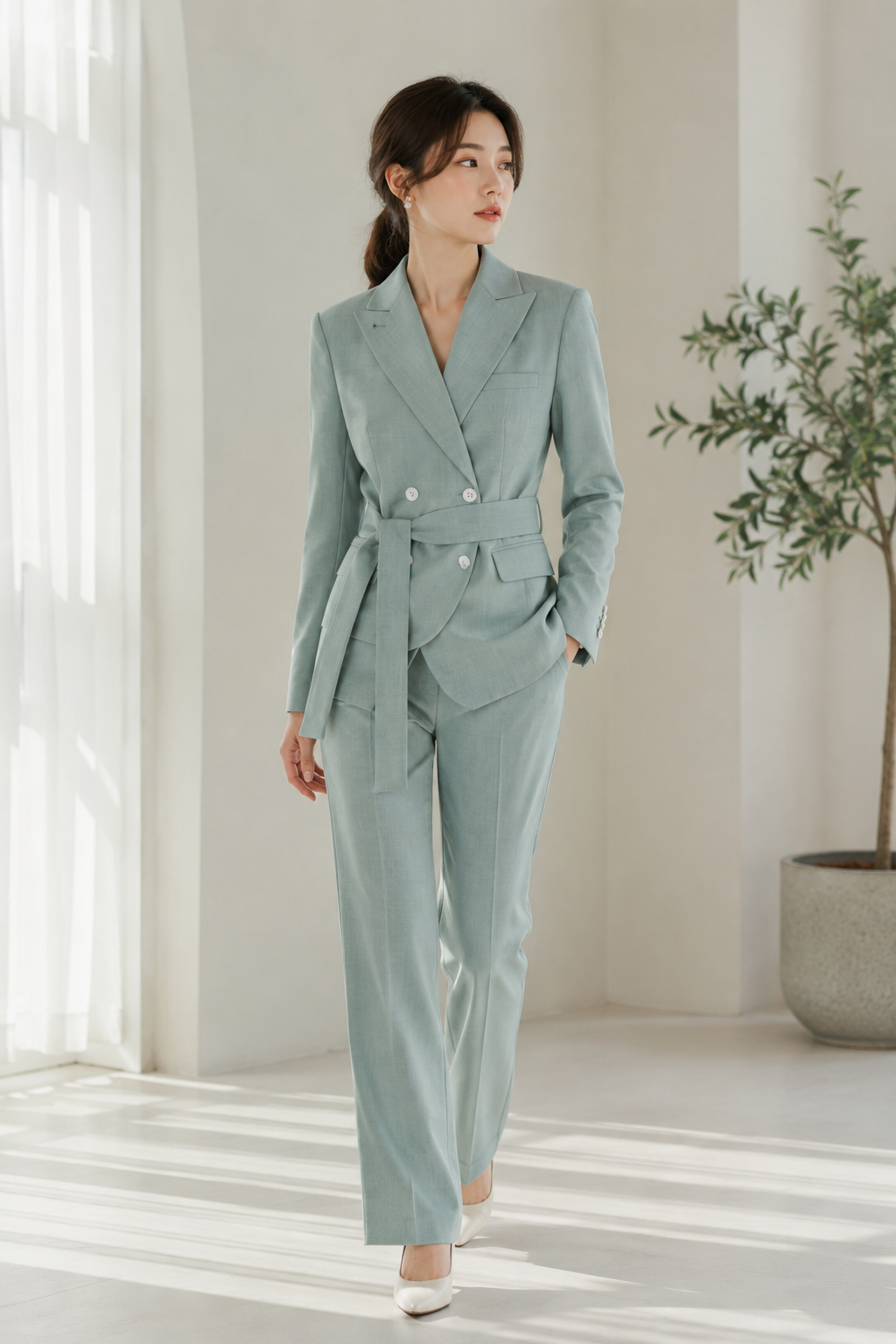
Formal Markets' current category page brings Bridal, Prom, Homecoming, Quinceanera, Wedding Party, Men's Formal and Evening together. The Atlanta Apparel bridal page goes even further, presenting sourcing for the whole wedding party, including mother-of-the-bride looks, flower-girl dresses, men's formalwear, footwear and accessories.
That category architecture matters. A trade market does not arrange floors, lounges and programming casually. In August 2026, Atlanta Apparel and Formal Markets ran side by side at AmericasMart Atlanta. The registration announcement described one sourcing destination spanning apparel, accessories, footwear, bridal, prom, homecoming, children's and social-occasion products. Floor 5 concentrated Formal, Bridal, Accessories and First Finds, while a dedicated Formal Buyer Lounge offered bilingual staff.
The July preview added new and expanded formal showrooms, broader quinceanera and bridal programming, a Wedding Masterclass and a daily Bridal Breakfast Education Series. The Quince on the Block event offered translation support. These are not sales statistics, but they are operational choices. They make it easier for a retailer to move from a hero garment to the supporting products and business knowledge needed to sell an occasion.
The strongest evidence of this direction comes from the market's own recent recaps. After the March-April 2026 edition, ANDMORE said buyers had access to more than 2,000 brands across apparel, footwear, accessories, bridal, homecoming, quinceanera and social occasion. The same recap highlighted a coordinated flower-girl line from Justin Alexander as a response to demand for cohesive bridal-party styling.
An earlier August 2025 recap quoted one buyer describing how the same trip covered prom dresses, jewelry and purses. Another organizer-published buyer example described discovering an accessories supplier through a cross-floor activity and placing an order. These are individual testimonials selected by the organizer, so they should not be mistaken for a market-wide conversion rate. They still illustrate a real retail calculation: once the buyer has paid for travel, time and attention, finding adjacent categories in one place can make the trip more productive.
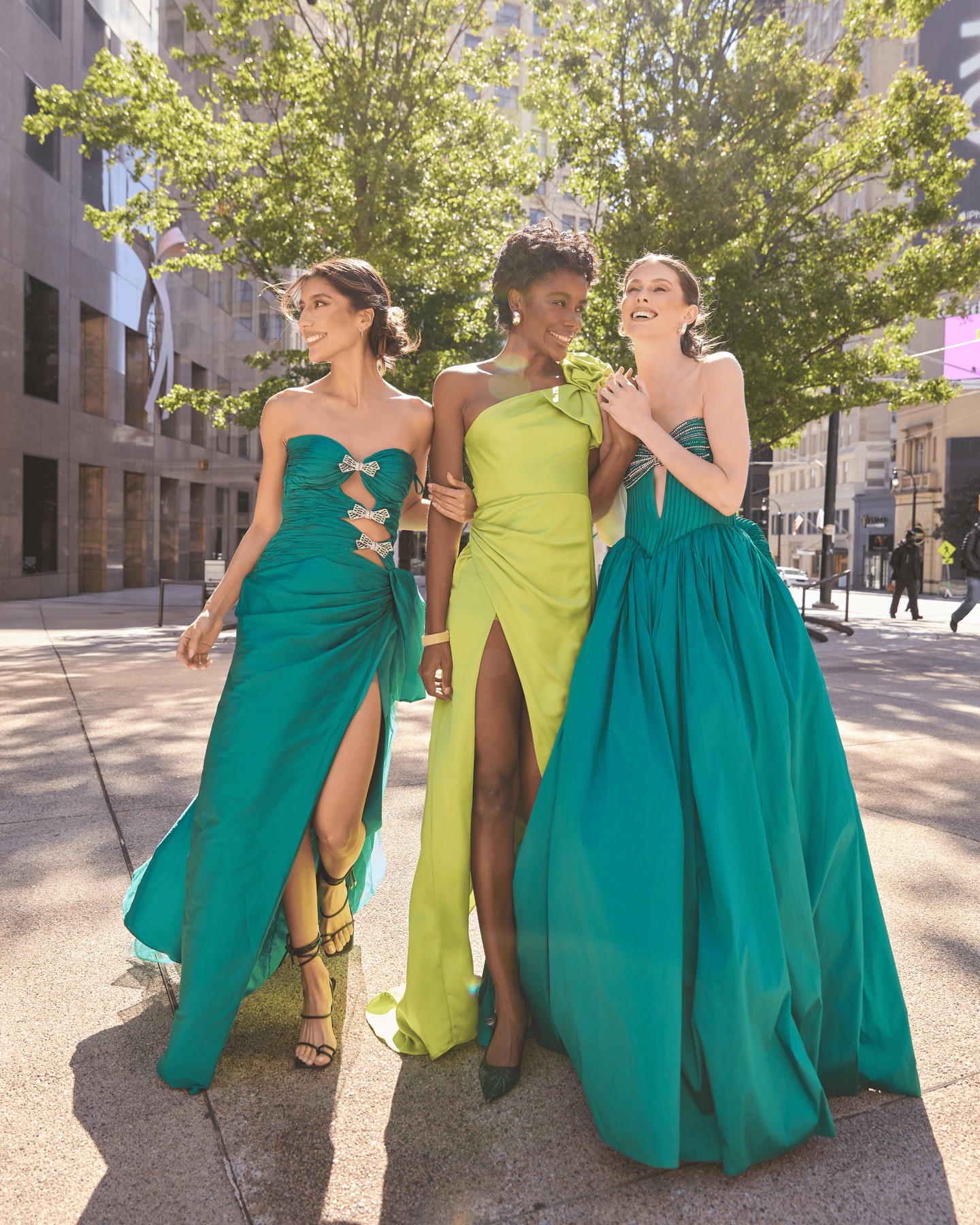
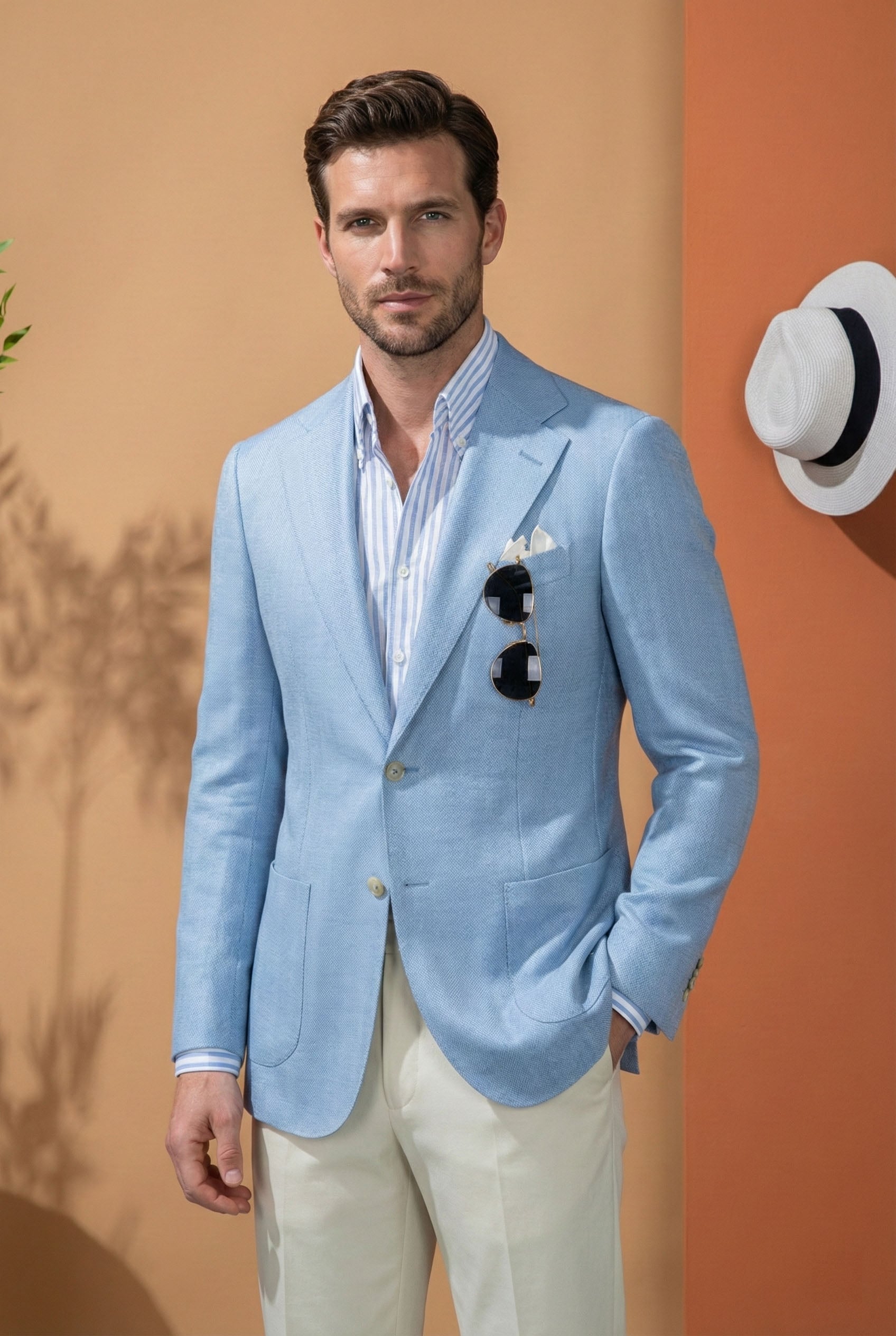
(图片来源于 Atlanta Apparel / Formal Markets official site;仅供研究参考)
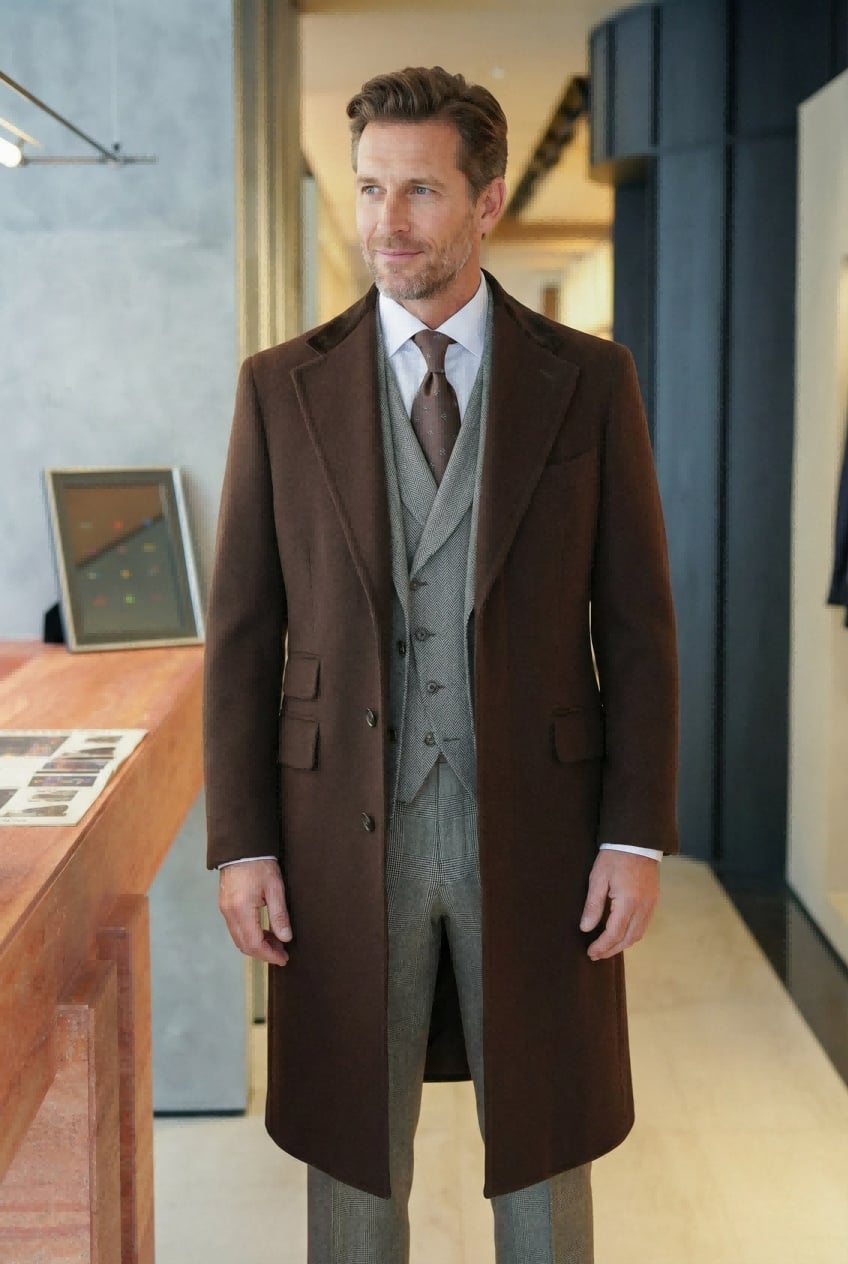
For a formalwear store, the equivalent decision happens at order level. A wedding suit can lead to shirts, waistcoats, ties, pocket squares and coordinated groomsmen looks. A bridal appointment can expose demand for mothers, flower girls and men's formalwear. A prom dress can bring accessory and alteration revenue. The opportunity is not to force every shopper into a bundle. It is to remove the friction between products that already belong to the same event.
Selling a complete occasion is attractive because the basket can become larger and the relationship can extend across several people. It is also harder than selling one garment.
A group order has a shared deadline but different bodies, preferences and schedules. The groom may want a made-to-measure suit while the groomsmen need a consistent ready-size or custom program. Shirts must work with jacket proportions. Fabrics and trims need to look coordinated under the same lighting. Late measurements, replacement pieces and alteration windows all compete with the event date.
This is why "cohesive styling" cannot stop at color matching. A store needs an order structure: named wearers, confirmed measurements, approved styles, fabric allocation, trim choices, fitting status, shipping plan and a final buffer before the occasion. If one navy fabric is used across several custom suits, shade continuity matters. If the group mixes tailored jackets and waistcoats, lapels, buttons, linings and pocket details should be controlled as one system.
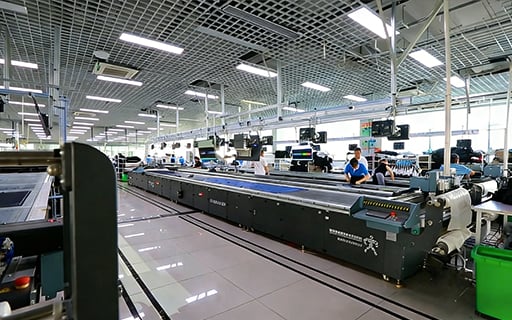
The same logic applies to private-label formalwear. A beautiful sample can win attention, but repeat business depends on whether a supplier can reproduce fit, construction and materials across sizes and reorders. Pattern development, grading, sampling, fit revision and bill-of-material confirmation are not backstage technicalities. They protect the retailer's promise to the entire party.
The lesson from Atlanta Formal Markets is not that every store should buy every category. More inventory can create more markdown risk, more training requirements and more capital tied up in slow-moving sizes.
The better starting point is a scene plan. A wedding-focused tailoring shop might define one core groom package, one groomsmen route and a small set of coordinated shirts and accessories. A social-occasion retailer might identify which adjacent products customers already request and test those first. A quinceanera business may need bilingual service, appointment management and a reliable color-coordination process before it needs a wider assortment.
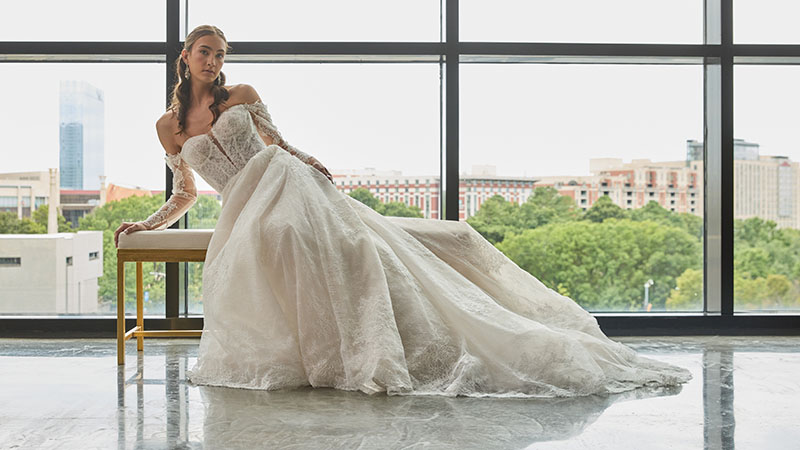
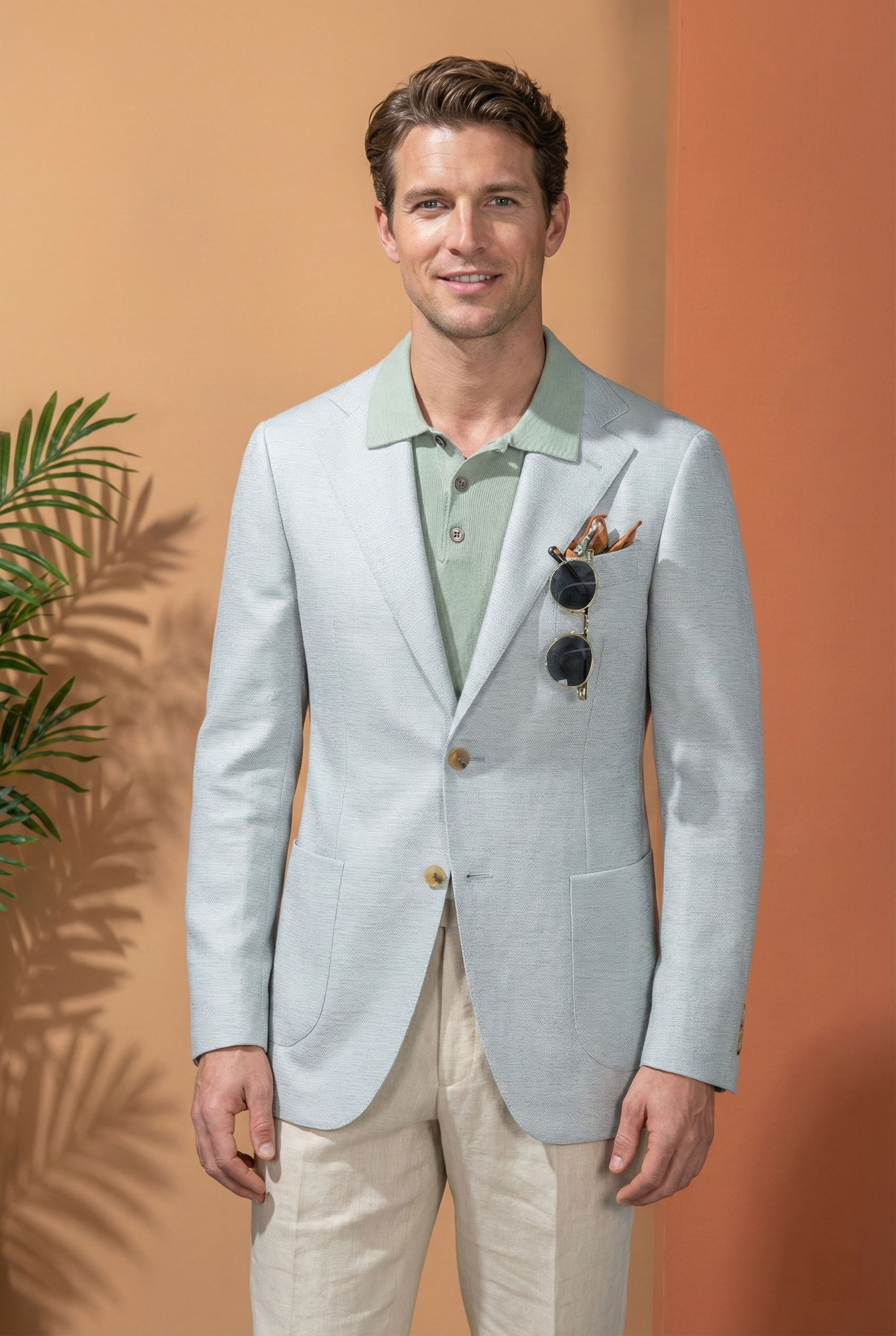
(图片来源于 Atlanta Apparel / Formal Markets official site;仅供研究参考)
Three questions keep that plan commercial. Which occasion does the store understand best? Which products naturally belong together for that customer? Which parts can the store and its manufacturing partner deliver consistently before a fixed date?
The answers help separate useful expansion from catalogue inflation. They also shape a clearer buying brief. Instead of asking a supplier for "more formalwear," a buyer can specify a groom-and-groomsmen capsule, the intended price level, fit blocks, fabric direction, color continuity, accessory relationships, target delivery window and expected reorder method.
At Light Source Couture, operated by Suzhou Light Source Clothes & Accessories Co., Ltd. in Suzhou, China, we approach formalwear development as a connected program rather than a collection of unrelated samples. For overseas tailoring stores, formalwear buyers and private-label businesses, that can include custom suits, made-to-measure suits, shirts, waistcoats, tailored jackets, overcoats, fabric selection and trims/accessories customization.
The work begins by defining the occasion, customer and order model. From there, pattern development, sampling and fit revision establish the product. Fabric and trim confirmation protect visual consistency. Clear measurements, wearer-level order records, production checkpoints and repeat-order files help the business manage groups without rebuilding the project each time.
Not every buyer needs the same solution. A store testing wedding-party demand may need a focused capsule and flexible sampling. An established MTM business may need stable base patterns and a controlled menu of fabrics and trims. A private-label brand may need coordinated men's formalwear that sits beside bridal or social-occasion products without losing its own identity.
Atlanta Formal Markets is useful because its category mix makes the whole occasion visible. The bridal gown may still be the emotional center. The prom dress may still be the first reason for the visit. The custom suit may still be the product a tailoring store knows best. Around each one sits a network of people, products and deadlines.
That network is where the larger business can be built. Not through indiscriminate bundling, but through thoughtful coordination: the right assortment, a clear service process and manufacturing stable enough to deliver the whole scene.
CTA: Planning a wedding-party suit program, made-to-measure formalwear offer or private-label occasionwear capsule? Light Source Couture supports overseas buyers with product planning, pattern development, sampling, group-order coordination, fabric and trim confirmation, bulk production and repeat-order control. Visit https://www.liscour.com to discuss a focused formalwear program.
 Hot News
2026-09-07
2026-06-23
2026-06-22
2026-06-04
2026-04-23
2026-03-23
Room 610, Building 1, Lvjing Business Plaza, Yuexi Sub-district, Wuzhong Economic Development Zone, Suzhou
Copyright © 2026 Light Source Couture. All rights reserved. Privacy Policy

 EN
EN