×
×
Article Summary: Woolmark used Pitti Filati on 24 June 2026 to frame AW27 Merino sourcing around two The Wool Lab themes, commercially available yarns and fabrics, and innovations including boiled wool. The useful takeaway for custom-suit and private-label buyers is not that every wool garment is technical. It is that fibre behaviour, knit construction, pattern, lining and sampling have to be treated as one product decision. This article separates the official claims from the sourcing work required to turn a material direction into tailored knitwear, suits, shirts and outerwear that can be repeated.
On 24 June 2026, Woolmark used Pitti Filati in Florence to frame its AW27 sourcing conversation around Merino wool as a technical fibre. Its stand brought together commercially available wool yarns, fabrics and processes, two new The Wool Lab themes, and product displays including wool faux fur and boiled wool.
That is a specific event announcement, not proof that every wool jacket is now performance apparel. But for custom-suit shops, made-to-measure businesses and private-label buyers, it is a useful signal. Material choice, knit construction and the final garment are being discussed together more openly, and that is exactly where a sourcing decision either becomes a product or remains a swatch-board idea.
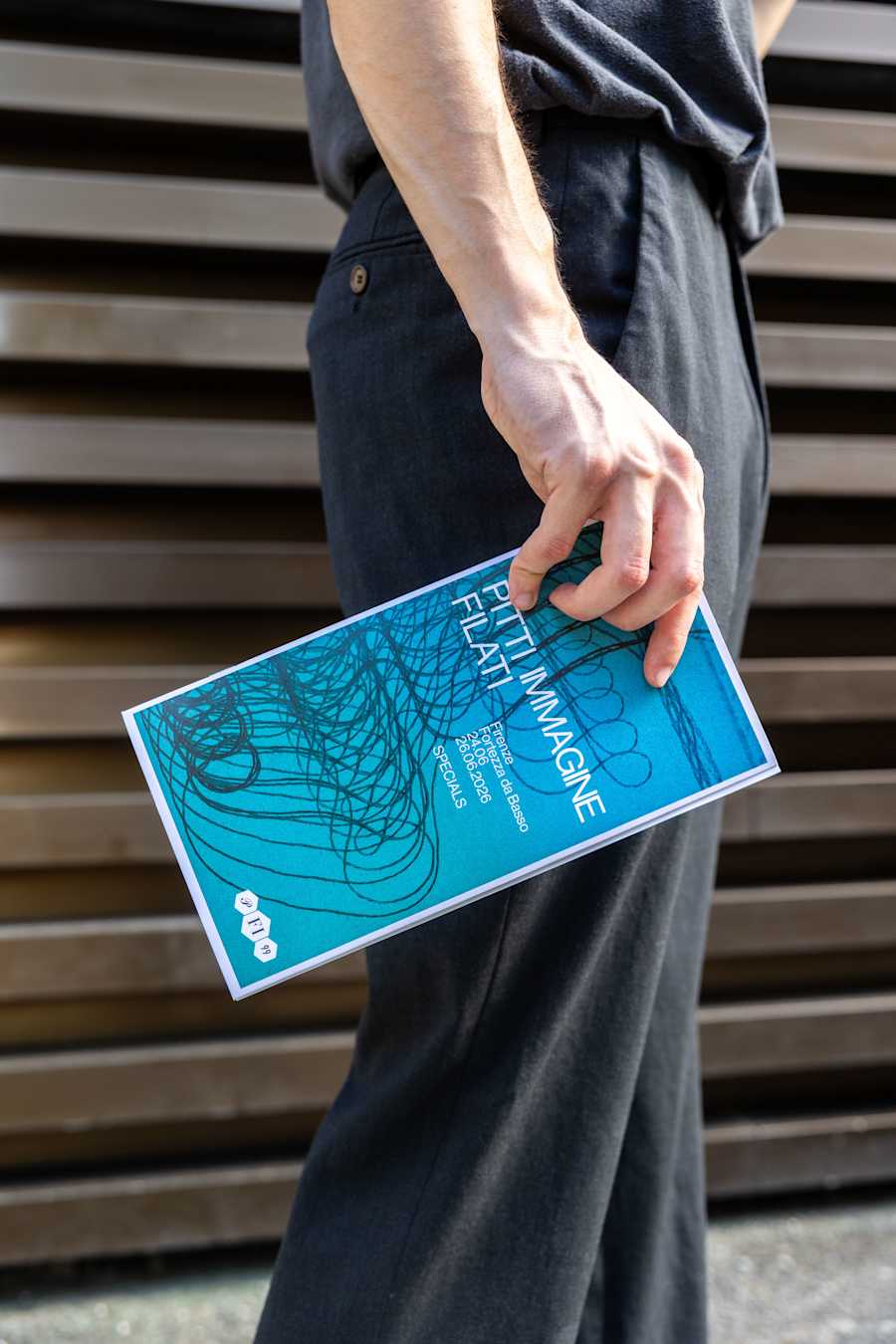
(图片来源于 Pitti Immagine Filati官方展会图库;仅供研究参考)
Woolmark named its AW27 The Wool Lab themes Gen K and Embodiment. Gen K combines heritage-coded stitches with fine gauges and sculptural volume. The official release lists Superfine Merino multi-ply braid-stitch cable, a WHOLEGARMENT® floating jacquard bouclé, and a 100% Extrafine Merino waterless indigo-pigment pointelle among the constructions on show. Embodiment ranges from base layers and fluid knitwear to interior textiles, wool-silk blends, acoustic wool-felt panels and naturally dyed handwoven stoles.
The contrast matters. The release is not asking a buyer to choose between “fashion wool” and “technical wool.” It presents different end uses that place different demands on the same broad material family: softness and definition in fine knitwear; movement and recovery in a base layer; body and density in boiled wool; and dimensional structure in a more sculptural garment.
Pitti Filati describes its own event as a platform for Italian and international yarn-manufacturer collections. Its official 2026 media gallery shows the fair as a place where product, yarn direction and commercial conversation meet. That setting makes the AW27 announcement relevant to formalwear development, but it does not turn the gallery itself into evidence of a specific Woolmark display or a market-wide sales trend.
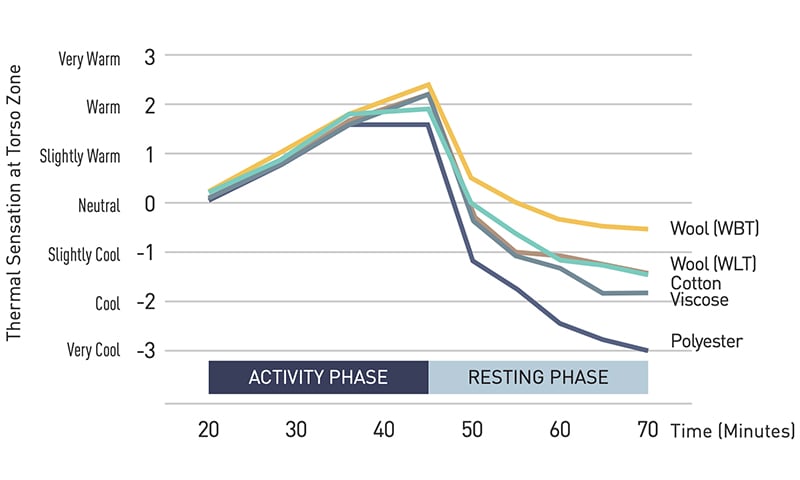
Woolmark's stand language includes “Merino Wool: The Technical Fibre.” The company's research pages give some context, but the boundary is important. Woolmark says a four-year North Carolina State University study compared 100% wool base-layer garments with cotton, viscose and polyester in activity and rest phases for stop-go outdoor sports. Its summary says wool supported thermal comfort through changes in humidity, because the fibre can absorb moisture, generate heat and release moisture more gradually.
That is useful evidence for an understanding of fibre behaviour. It is not evidence that a lined business jacket, a wool-blend suit or a wool overcoat will replicate a base-layer test result. A tailored garment has different weight, structure, air gap, lining, ease allowance and use conditions. The responsible product story is therefore not “Merino makes every suit technical.” It is “Merino may offer relevant moisture and comfort properties, which must be tested in the intended garment.”

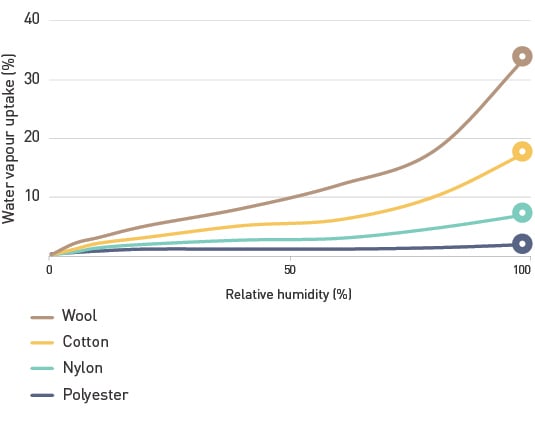
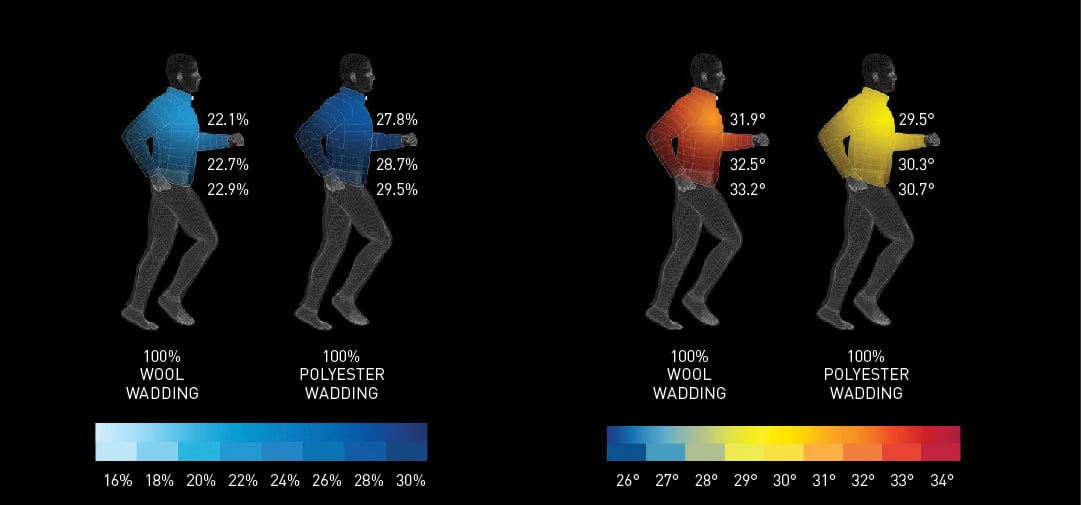
(图片来源于 The Woolmark Company动态透气性研究页面;仅供研究参考)
The AW27 release includes a floating jacquard bouclé described as WHOLEGARMENT®. WHOLEGARMENT® is a registered SHIMA SEIKI technology, not a generic label for all seamless knitwear. SHIMA SEIKI describes the process as knitting an entire garment three-dimensionally on designated machines, while also noting that some designs may need partial stitching.
The practical lesson for a buyer is broader than one trademark. A garment's comfort, silhouette and production route depend on its construction as much as on its fibre content. A knitted tailored layer can make different use of stretch, drape and shaping than a woven jacket. A shaped shoulder or a knitted-in neckline may change fit and finishing needs. A wool-silk blend may ask for a different gauge, reinforcement and pressing sequence than a pure Merino yarn.
This is why a yarn direction should not go straight from a fair board to a bulk order. The development question is: what look and wear experience is required, and which construction can produce it consistently at the chosen price level? Fibre composition begins the answer; it does not complete it.
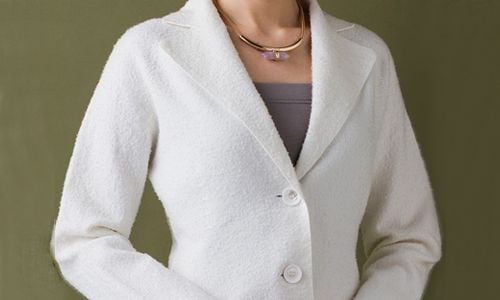
(图片来源于 SHIMA SEIKI WHOLEGARMENT® Business页面;仅供研究参考,不代表合作关系)
Woolmark's other AW27 product focus is boiled wool. The release describes deliberate felting through heat, water and movement to create greater body, density and sculptural presence. It also says the process can be applied after a garment has been knitted and linked, instead of cutting pre-felted panels. Woolmark presents that route as an approach that can reduce material waste while preserving warmth and silhouette.
That is a useful development possibility, not an automatic cost or sustainability claim for every order. A buyer still needs to sample the complete route: yarn selection, gauge, shrinkage allowance, garment dimensions before and after boiling, hand feel, seam stability, colour change, care instructions and size tolerance. A boiled-wool overcoat and a light knitted blazer do not share the same commercial brief simply because both use wool.
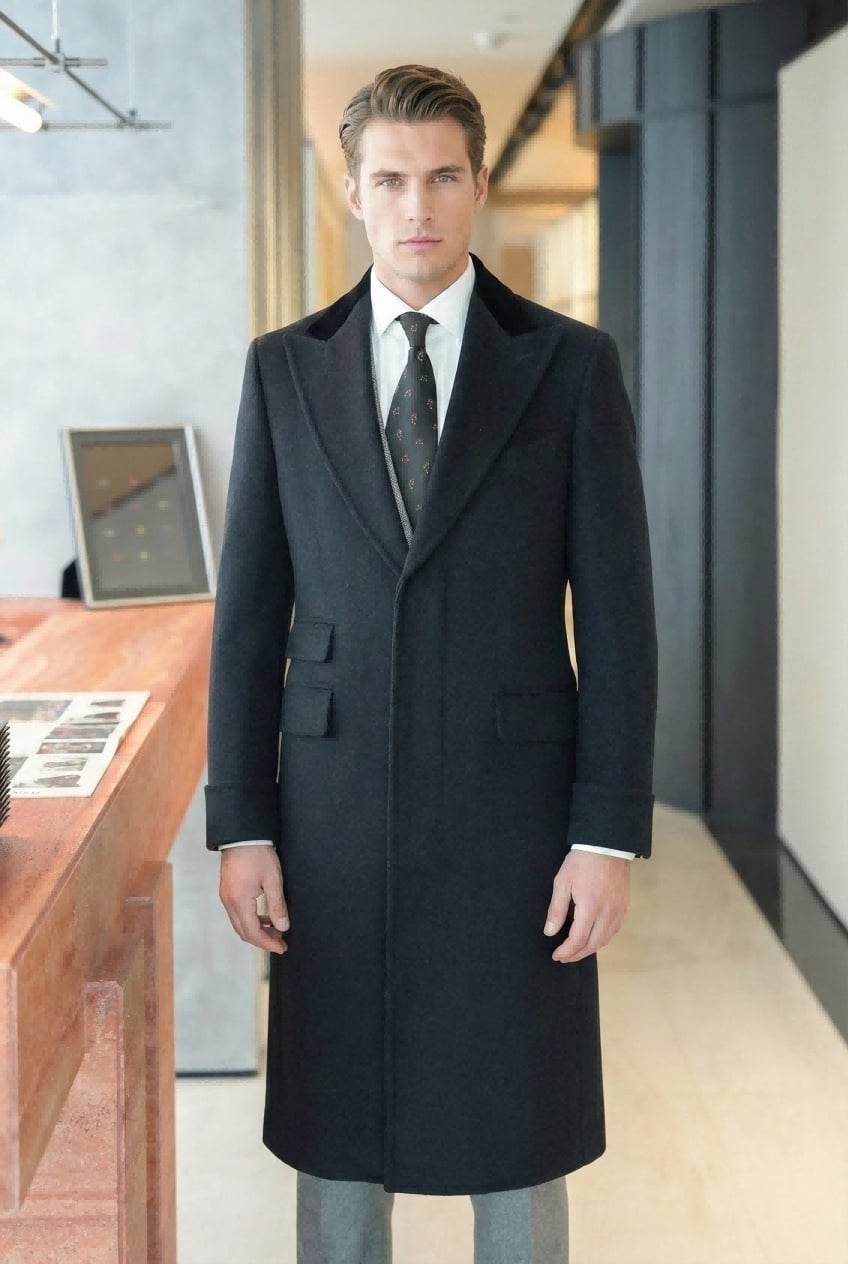
For formalwear and businesswear, the advantage may be a more considered silhouette rather than a louder material story. A compact wool layer can add warmth and shape in an overcoat programme. A lighter knit structure may give a commuter-oriented capsule a different wear experience. The product has to earn the claim through its sample, not through the word “innovation.”
For tailored knitwear, custom suits, shirts or outerwear, a strong first brief should state the wearer, climate and occasion before it names a fibre. Is the customer travelling between hot streets and air-conditioned offices? Is the product an event layer, a daily business jacket, a uniform programme or an overcoat? What should stay stable after sitting, pressing, cleaning and repeated wear?
Then build a small, comparable sample set. Record the yarn or fabric composition, weight or gauge, finish, lining or backing, intended fit, care method, target retail position and minimum-order constraints. Check the sample after motion, steaming, hanging and cleaning. Confirm what needs a woven support, what can remain flexible, and whether buttons, labels, packaging and trim still match the brand's price point.
Sampling is where a vague material promise becomes testable. It also protects the second order. The question is not only whether the first piece looks refined, but whether the next run can preserve the same colour, hand, dimensions, comfort and delivery rhythm closely enough for a retailer or tailoring shop to sell with confidence.
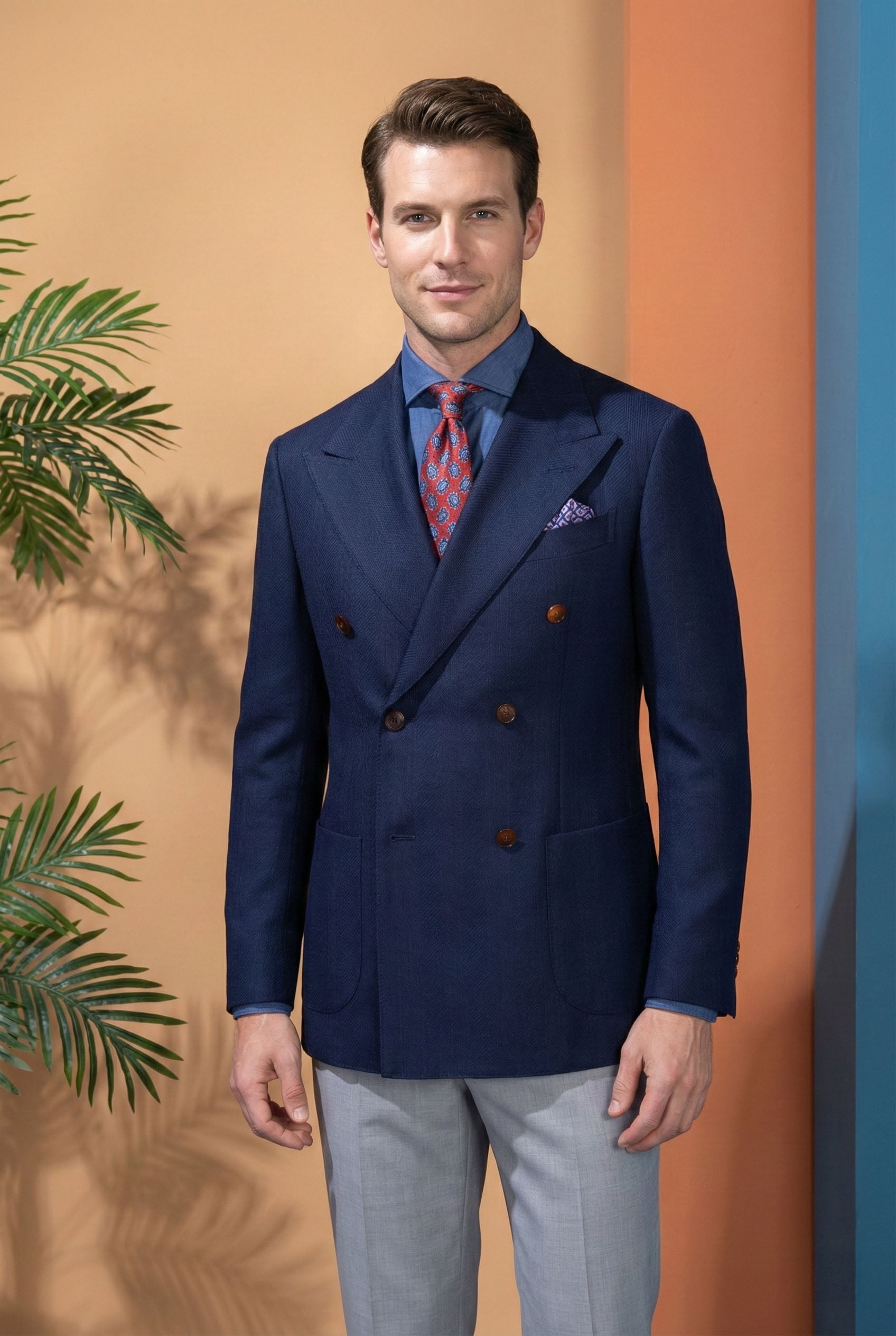
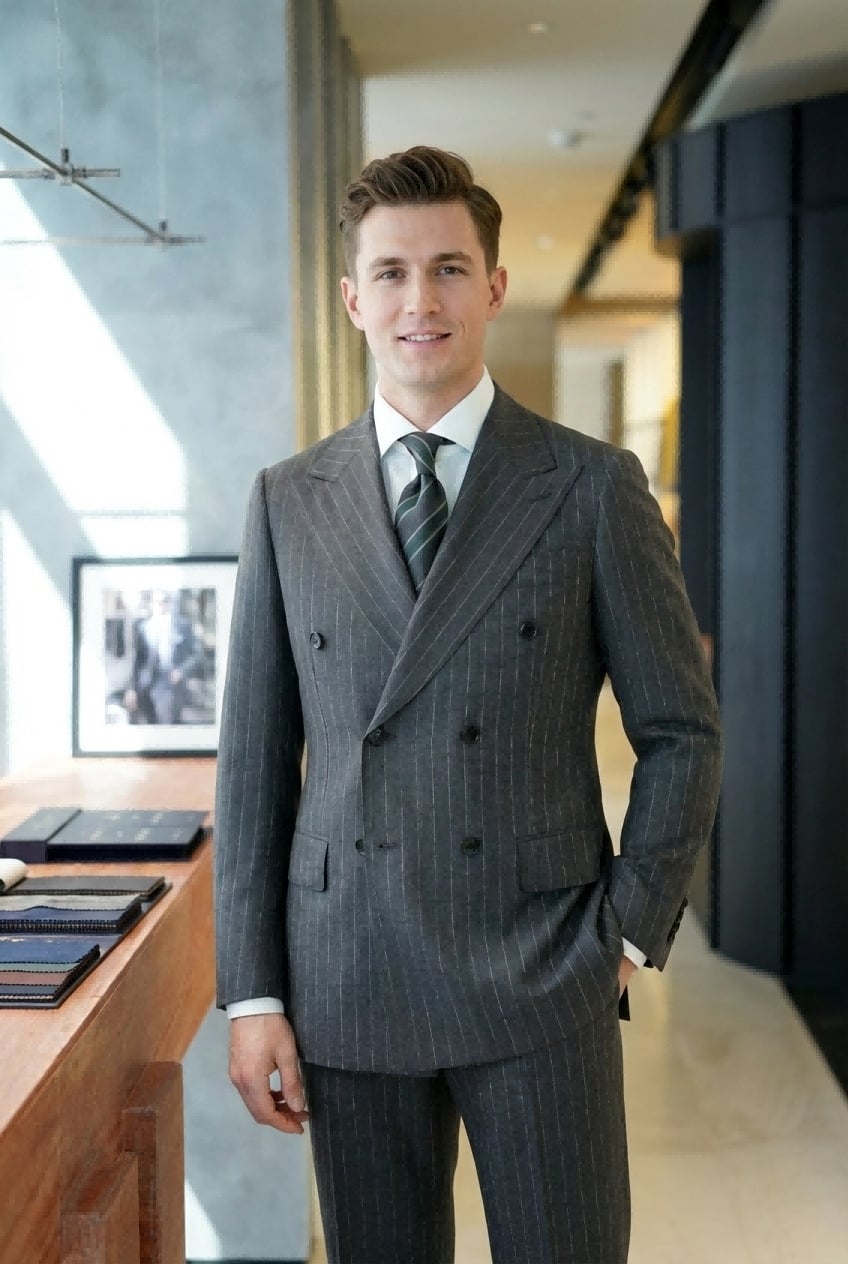
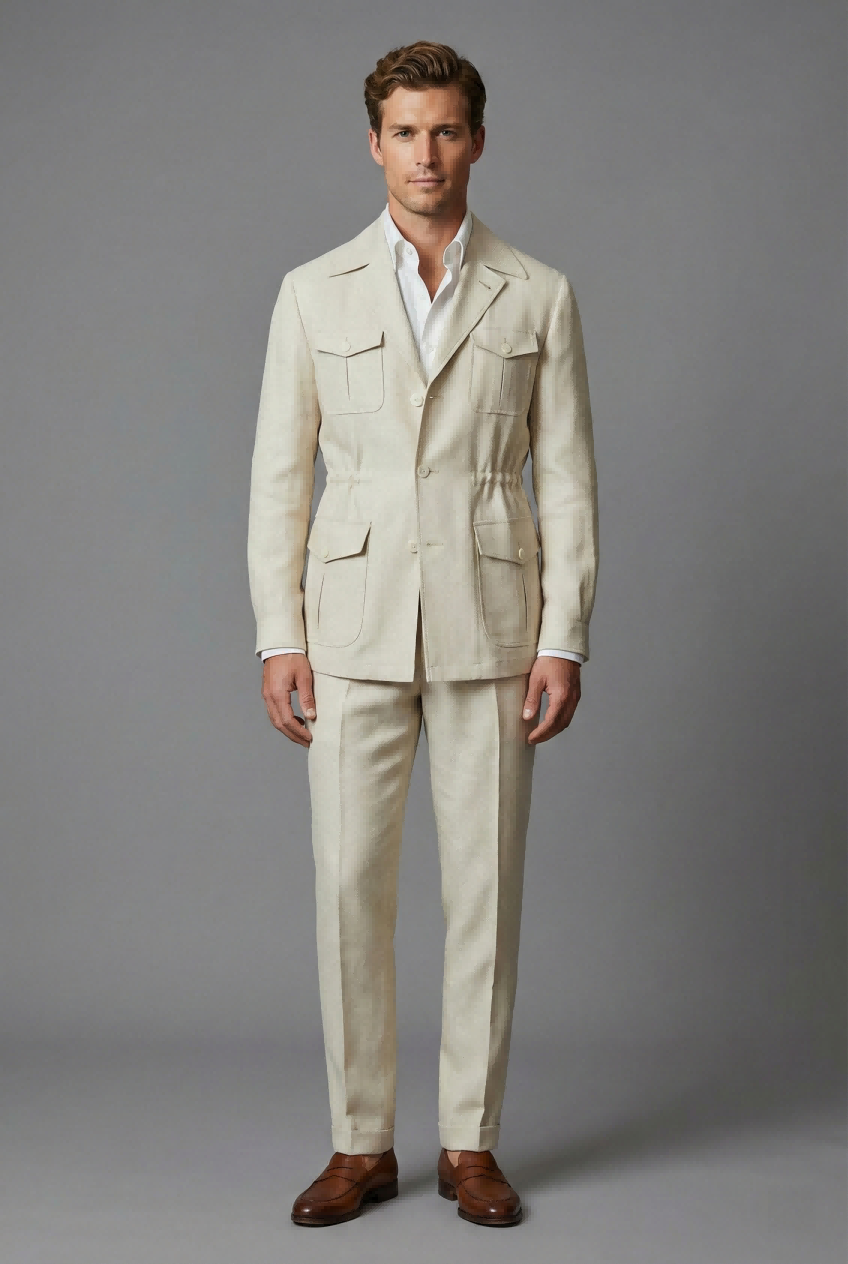
At Light Source Couture, we support overseas clients with custom suits, made-to-measure programmes, shirts, overcoats, fabric selection, pattern development, trims, quality follow-up and OEM/private-label garment manufacturing from Suzhou, China. Our role is not to convert an exhibition theme into an unsupported performance promise.
The useful work is more concrete: identify the intended wearer and price point; compare wool or wool-blend options; develop a sample; review fit, construction and finishing; then decide whether the material story is commercially and technically ready for repeat production. That approach can serve a tailored knitwear capsule, a formalwear layer, a lightweight suit programme or an outerwear range without claiming a relationship with Woolmark, Pitti Filati or SHIMA SEIKI.
Woolmark's AW27 presentation is best understood as a sourcing prompt. Merino can travel across fashion, comfort and performance conversations, but the final garment must decide which of those conversations it can honestly carry. For buyers, that is not a limitation. It is the point at which better material choices become better products.
CTA: If you are developing custom suits, tailored knitwear, shirts or overcoats with wool or wool blends, share your target customer, climate, quantity and reference direction with Light Source Couture. We can help turn the brief into fabric comparison, pattern development, sampling and a repeatable OEM or private-label production plan.
 Hot News
2026-09-07
2026-06-23
2026-06-22
2026-06-04
2026-04-23
2026-03-23
Room 610, Building 1, Lvjing Business Plaza, Yuexi Sub-district, Wuzhong Economic Development Zone, Suzhou
Copyright © 2026 Light Source Couture. All rights reserved. Privacy Policy

 EN
EN