×
×
A buyer can look at three swatches and see three different businesses.
One piece of tweed suggests a soft jacket for a city wardrobe. A strip of corduroy suggests a seasonal overshirt or trouser programme. A workwear denim may look relaxed on the table but demand a much stricter decision about weight, washing and fit once it becomes a tailored garment.
That is why Intertextile Shanghai Apparel Fabrics’ A/W 2027–28 direction, LIVE YOUR EMOTIONS, is more useful than a simple “retro is back” headline.
(图片来源于 Intertextile Shanghai Apparel Fabrics A/W 2027–28 Trend Guide;仅供研究参考)
The official trend release, published on 27 July 2026, describes LIVE YOUR EMOTIONS through the quiet beauty of everyday objects, natural colours, comfort, function and timeless essentials. The material vocabulary is deliberately broad: felted worsted wools and Shetlands sit alongside Harris tweeds, brushed flannel, barathea, woollen checks, corduroy and workwear denim. Performance jersey, outdoor rainproof fabrics, waxed and oiled materials, coated canvas and nylon extend the direction beyond nostalgia.
The Autumn Edition took place in Shanghai from 25 to 27 August 2026. Its official design-and-trends programme positioned the A/W 2027–28 Trend Forum as a place where visitors could see colour, fabric and pattern directions together. The fair’s downloadable Trend Guide then turned the idea into a concrete visual board rather than leaving it as an abstract mood.
The easiest mistake would be to read LIVE YOUR EMOTIONS as a request for louder heritage styling. That would produce jackets that look like references to the past but have no clear place in a modern customer’s week.
The more useful reading is restraint with texture. A brushed flannel can soften a tailored shoulder. A woollen check can give a jacket enough identity to work without a loud logo. Corduroy can carry a relaxed season story, but only if the wale, weight and colour work with the intended fit. Workwear denim can make a smart-casual jacket feel practical, but it brings washing, abrasion, seam and shrinkage questions into the same brief.
For a tailoring shop or private-label brand, the trend is therefore not a styling instruction. It is a product question: how much texture can the customer wear, and what construction keeps the garment polished?
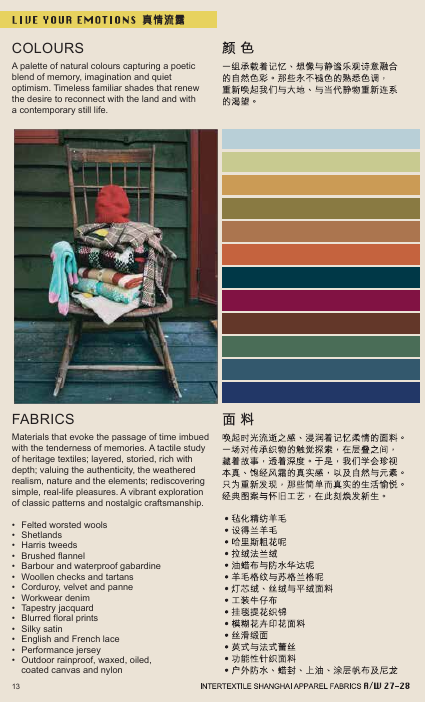
(图片来源于 Intertextile Shanghai Apparel Fabrics A/W 2027–28 Trend Guide;仅供研究参考)
Felted and worsted wools do not behave in the same way. A Shetland reference may signal warmth and surface character, while a worsted cloth may be selected for a cleaner line. Brushed flannel can add softness, but it also changes the way a jacket catches light and how it sits after pressing. Barathea and woollen checks have their own demands around drape, pattern matching and the visual scale of a finished garment.
Corduroy needs more than a colour decision. The wale direction, pile, weight and pressing method can change the garment’s appearance. If the fabric is used in trousers, the buyer must also consider seat and knee recovery. If it is used in a jacket, the shoulder, collar roll and pocket treatment have to keep the relaxed material from looking unfinished.
Workwear denim and coated canvas create a different set of questions. They may support a practical, contemporary collection, but the pattern, seam construction and finishing need to respect stiffness, shrinkage, abrasion and wash variation. A fabric that looks convincing as a swatch can become too heavy, too rigid or too casual after it is fused, lined and pressed.
This is where sampling removes illusions. The buyer is not approving a mood board. The buyer is deciding whether a material can carry a customer promise at a specific price point.
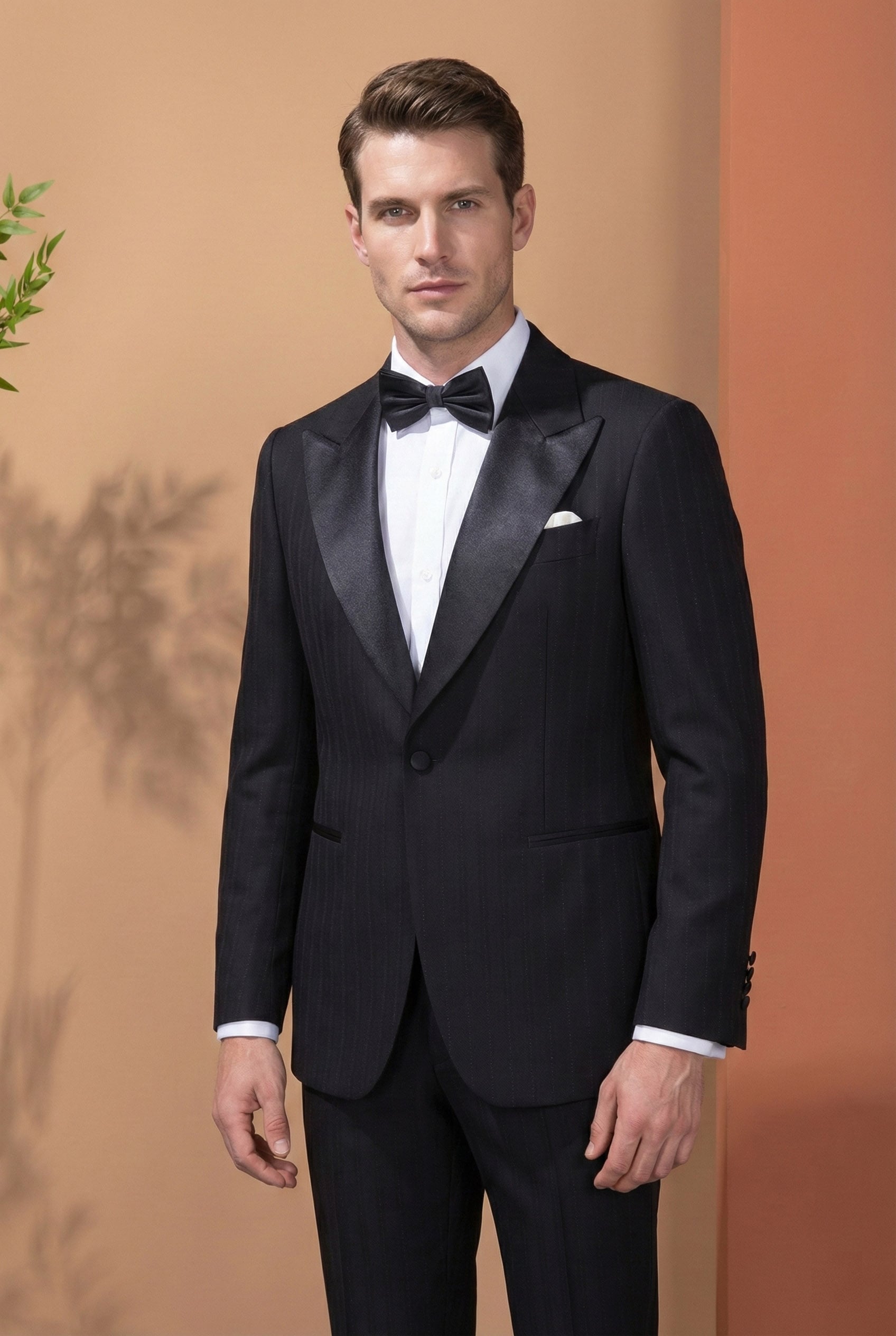
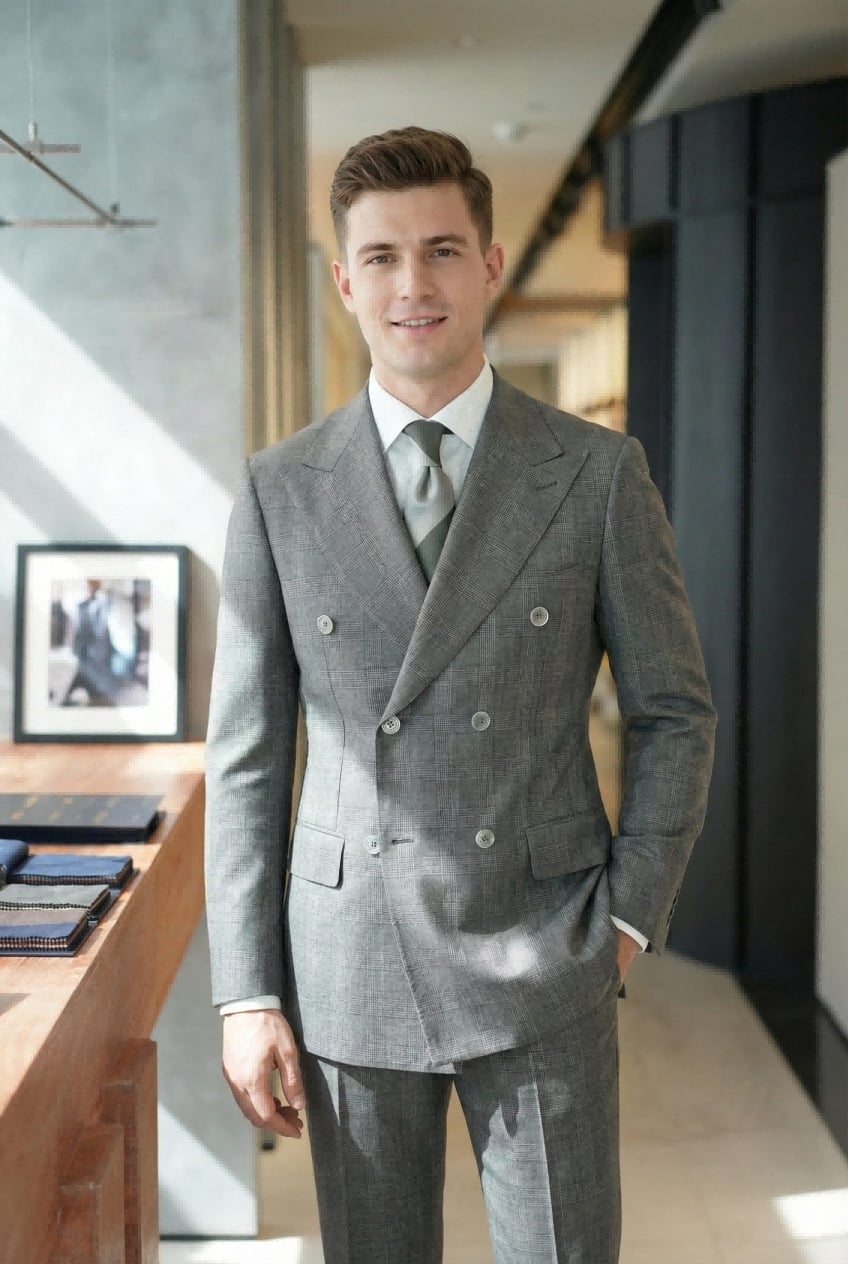
One route is a soft tailored jacket. A natural-colour check, brushed flannel or lighter tweed can support an unstructured or partially lined construction, with a clean enough front for work and enough surface interest for evenings. The development risk is losing shape when the cloth is made too soft or when the lining and interlining are chosen only for cost.
A second route is a commuter capsule. Corduroy, wool blends and washed-looking but controlled denim can be used across a jacket, trouser or overshirt. Here, consistency matters more than a single strong sample. The buyer needs a clear range plan so that the fabrics feel related without becoming a uniform set.
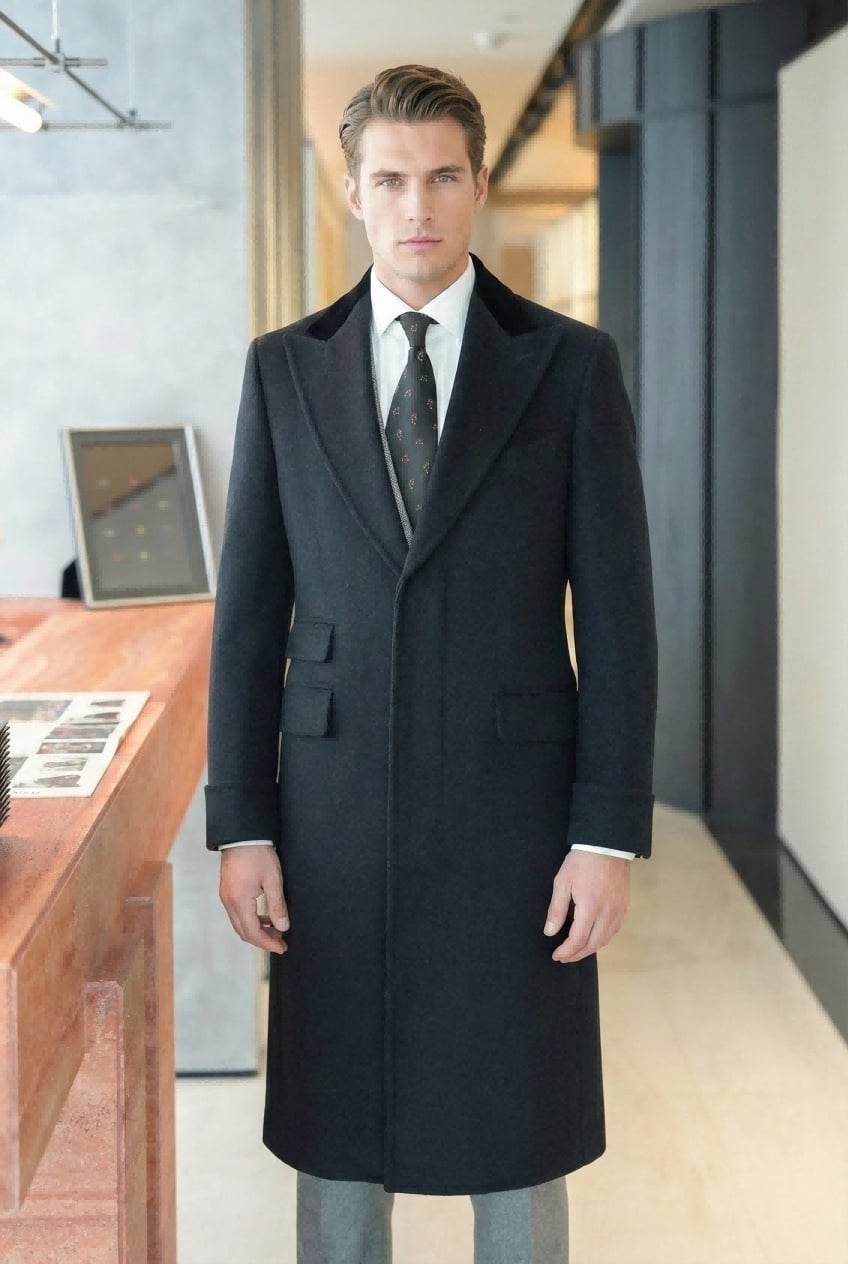
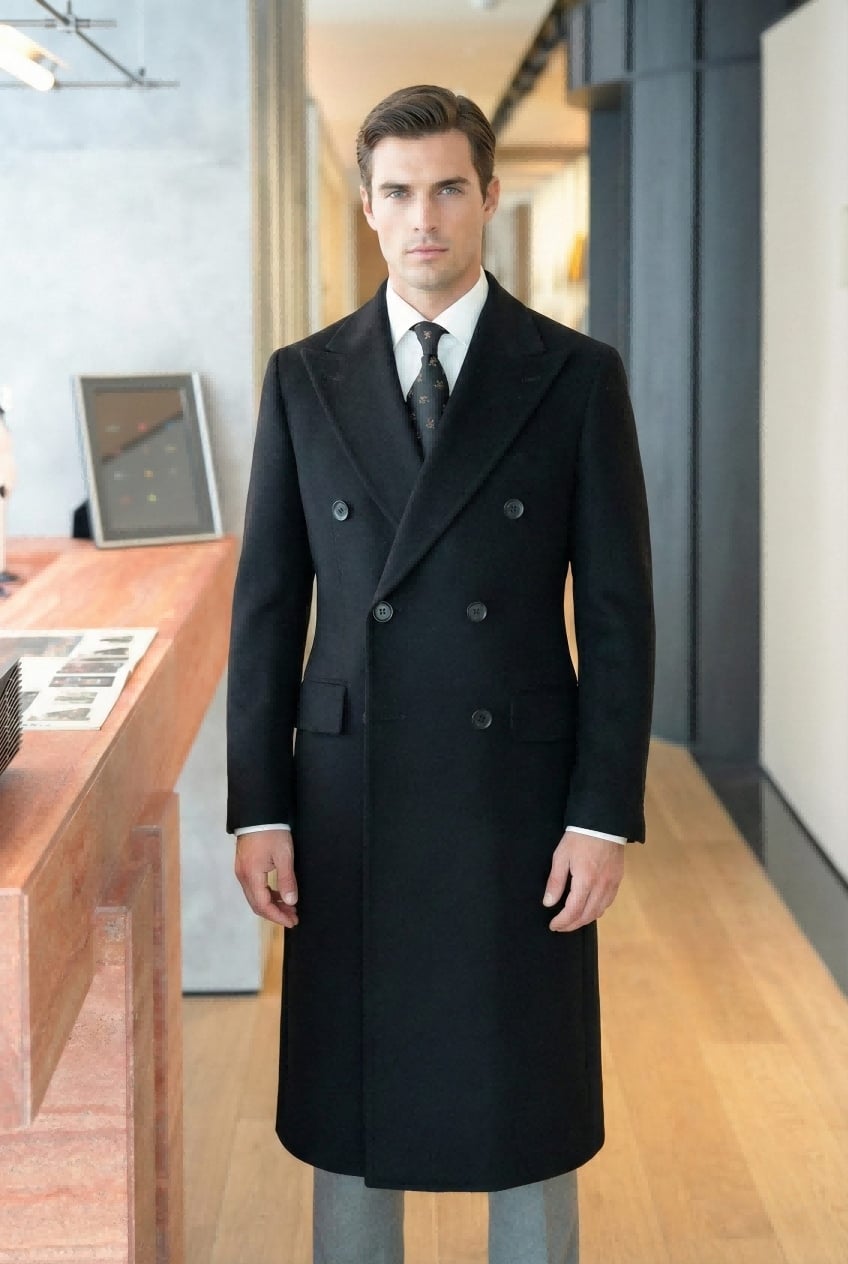
A third route is a textured outer layer. Coated canvas, waxed materials or denser wool can give an overcoat or short coat more protection and presence. They should not be sold as technical outerwear unless the claim is supported by the actual fabric and garment tests. For many brands, the honest advantage is simply a more useful layer for changing weather and everyday movement.
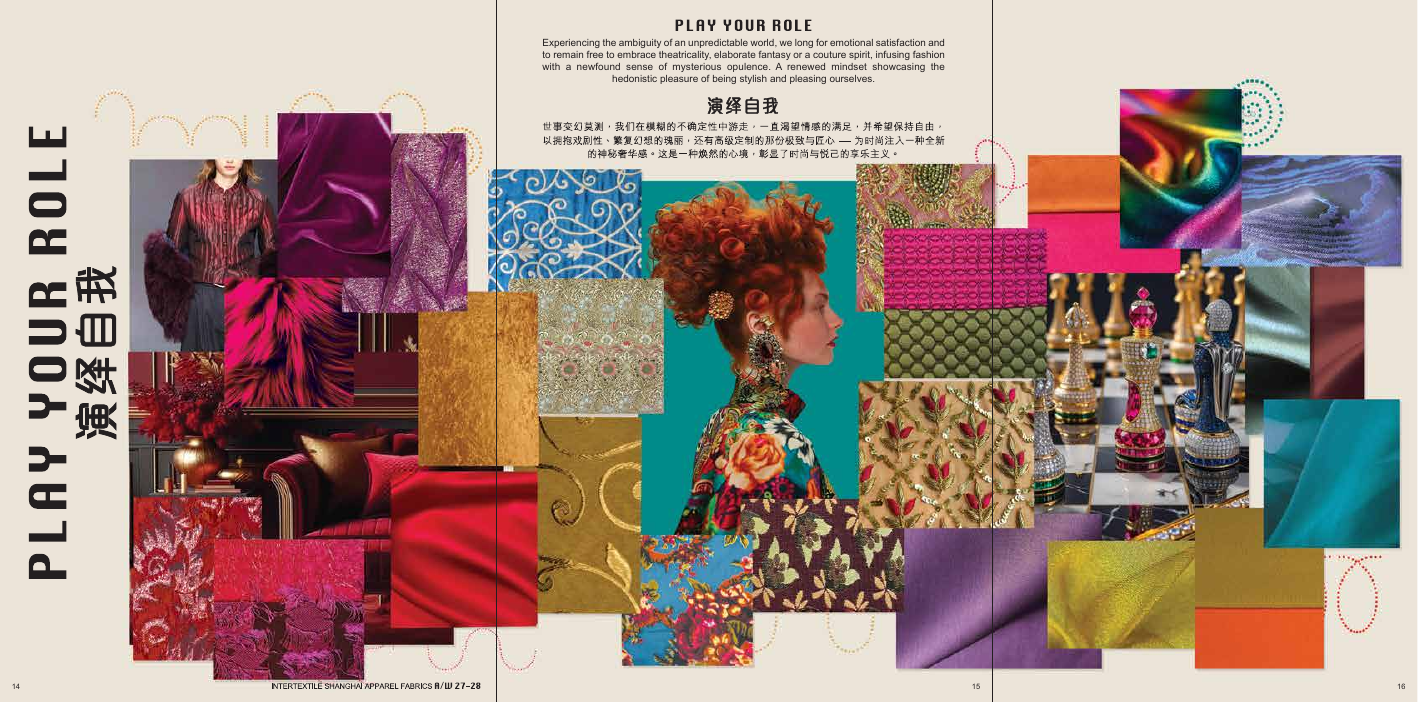
The official trend guide also shows a more theatrical PLAY YOUR ROLE direction in the same A/W 2027–28 system. That contrast is helpful: a smart-casual collection does not need to use every expressive material. It can borrow the season’s confidence while keeping the product language appropriate for its customer.
Before choosing between tweed, corduroy and denim, a buyer should define the customer and the situation. Is the jacket for a creative office, a weekend event, a travel wardrobe or a small uniform programme? Does the customer sit for long periods, move between indoor and outdoor spaces, or expect the garment to be washed regularly?
The brief should then record fabric composition, weight, width, colour, finish, intended fit, lining, interlining, buttons, labels, packaging and care requirements. For patterned cloth, add pattern placement and matching expectations. For pile fabrics, record nap direction and pressing rules. For washed or coated materials, agree the acceptable variation before the first sample is approved.
Fit review should cover more than a front photograph. Check the shoulder line, collar, armhole, sleeve movement, pocket balance and trouser recovery. Steam the garment, hang it, move in it and review it again. The first sample is not only a design checkpoint; it is a test of whether the supplier can communicate and revise clearly.
A trend becomes commercially useful only when the buyer can repeat it. The second order must stay close enough to the first in colour, hand feel, dimensions, construction and delivery rhythm for a store to sell with confidence.
That is especially important for textured materials. Small differences in brushing, wale, washing or coating can change the perceived price of a jacket. A lining or button change can also move the garment away from the original brand language even if the face fabric remains the same.
Light Source Couture, operated by Suzhou Light Source Clothes & Accessories Co., Ltd. in Suzhou, China, works with overseas clients on custom suits, made-to-measure programmes, tailored jackets, shirts, overcoats, fabric selection, pattern development, trims, quality follow-up and OEM/private-label garment manufacturing.
Our practical role in a trend like this is to turn the direction into a controlled development sequence: clarify the target wearer and price level, compare a small set of fabrics, build the sample, review fit and construction, then confirm what can be repeated in bulk. The point is not to make every garment look vintage. It is to help a buyer use texture, comfort and familiarity without losing product discipline.
Intertextile’s LIVE YOUR EMOTIONS direction gives smart-casual tailoring a useful material vocabulary. The commercial opportunity sits one step later, in the work of making those materials fit a real wardrobe, a real margin and a real repeat order.
CTA: If you are developing smart-casual jackets, custom suits, tailored trousers, shirts or overcoats using tweed, corduroy, wool checks, denim or coated fabrics, share your target customer, price level, use case and reference direction with Light Source Couture. We can help turn the material idea into fabric comparison, pattern development, sampling, trims and a repeatable OEM or private-label production plan.
 Hot News
2026-09-07
2026-06-23
2026-06-22
2026-06-04
2026-04-23
2026-03-23
Room 610, Building 1, Lvjing Business Plaza, Yuexi Sub-district, Wuzhong Economic Development Zone, Suzhou
Copyright © 2026 Light Source Couture. All rights reserved. Privacy Policy

 EN
EN